
Sudipta Bardhan-Quallen
Author of The Mine-o-saur
About the Author
Image credit: http://www.sudipta.com/index_files/image12701.jpg
Series
Works by Sudipta Bardhan-Quallen
Last Minute Science Fair Projects: When Your Bunsen's Not Burning but the Clock is Still Ticking (2006) 82 copies
Nature Science Experiments: What's Hopping in a Dust Bunny? (Mad Science) (2010) 17 copies, 2 reviews
Happybaras 1 copy
Tagged
Common Knowledge
- Gender
- female
- Education
- California Institute of Technology (BS|Biology)
- Relationships
- Jim (husband)
Isabella (child)
Brooklyn (child) - Nationality
- USA
- Places of residence
- California, USA
- Associated Place (for map)
- California, USA
Members
Reviews

When Nerdy Chick arrives at the first meeting of the Rocket Club in this rhyming picture-book romp, only to discover that "chicks" are not allowed, she is hopping mad. Soon she has banded together with all the other chicks, of various professions and backgrounds, to protest their exclusion and to demand their rights. Collectively, these chicks are headed for the stars...
As someone who has worked with children's books for a few decades now, someone who considers herself a feminist, I had to show more scratch my head a bit, reading Chicks Rule!. A clear picture-book homage to intersectionality - the text even reads, at one point: Chicks arrive from all directions / Nearing the same intersection / Though they've followed separate tracks / A common hurdle holds them back" - and to the recent Women's March movement here in the states, this book felt a little... tone deaf to me. There's nothing at all wrong with a positive, girls-can-do attitude, but something about the story idea of a science club explicitly excluding girls (AKA "chicks") in current day, struck me as unlikely. I can't count the number of girl power books that come through work every month, the number of programs I have read about to encourage girls in STEM. If there are social forces holding girls and women back in this area - and I don't argue that there aren't - they can't be laid at the door of prohibitions like the one Nerdy Chick faces here. Given that this is so, and that so many inducements and encouragements are being offered in this regard, and so many celebratory tomes published on the subject, it felt somehow dishonest to suggest otherwise, especially in a book aimed at young children. This is a cute little picture-book, with colorful artwork and a fun rhyming text, but it fell short for me. show less
As someone who has worked with children's books for a few decades now, someone who considers herself a feminist, I had to show more scratch my head a bit, reading Chicks Rule!. A clear picture-book homage to intersectionality - the text even reads, at one point: Chicks arrive from all directions / Nearing the same intersection / Though they've followed separate tracks / A common hurdle holds them back" - and to the recent Women's March movement here in the states, this book felt a little... tone deaf to me. There's nothing at all wrong with a positive, girls-can-do attitude, but something about the story idea of a science club explicitly excluding girls (AKA "chicks") in current day, struck me as unlikely. I can't count the number of girl power books that come through work every month, the number of programs I have read about to encourage girls in STEM. If there are social forces holding girls and women back in this area - and I don't argue that there aren't - they can't be laid at the door of prohibitions like the one Nerdy Chick faces here. Given that this is so, and that so many inducements and encouragements are being offered in this regard, and so many celebratory tomes published on the subject, it felt somehow dishonest to suggest otherwise, especially in a book aimed at young children. This is a cute little picture-book, with colorful artwork and a fun rhyming text, but it fell short for me. show less

In this picture-book biography of Belva Ann Lockwood, a nineteenth-century educator, lawyer, and woman's rights activist who deserves to be better known, Sudipta Bardhan-Quallen tells the story of a remarkably determined, courageous woman, one who never let injustice stand in her way, and who believed that she could do anything - even become the president of the United States of America. One of the first practicing woman lawyers in the country - she was in the first class of women admitted show more to the National University Law School, but despite finishing her coursework, had to petition then president Ulysses S. Grant (also president of the school) in order to receive her diploma - Lockwood was the first woman to argue a case before the Supreme Court, and was a tireless advocate for expanding the political and social rights available to women, including the franchise. Although not able to vote herself - the 19th Amendment, which extended suffrage to women, was passed in 1920, three years after Lockwood's death - she ran as a presidential candidate in the election of 1894, becoming the first woman candidate to receive documented popular votes.
This is an extraordinary tale, and Bardhan-Quallen does justice to her subject in Ballots for Belva, which really highlights the extraordinary lengths to which Lockwood often had to go, in order to get something approximating the same chance as her male counterparts. I found it amazing that she had to write to President Grant in order to obtain her diploma, and wondered why, if the school didn't intend to grant the diploma, they allowed her to enroll in the first place (perhaps they assumed she'd fail?). I also appreciated the fact that the author doesn't gloss over the fact that many other women's rights advocates didn't agree with Lockwood's actions, and that she mentioned that another woman (Victoria Woodhull) had previously run for president, although there is no documentation of any (possible) votes for her. All in all, this is a strong biography of a strong woman! I don't know that the artwork did that much for me, but it didn't detract from my reading experience, and the text was sufficiently involving that I didn't care. Recommended to young readers with an interest in American history and the (ongoing) struggle for women's rights! show less
This is an extraordinary tale, and Bardhan-Quallen does justice to her subject in Ballots for Belva, which really highlights the extraordinary lengths to which Lockwood often had to go, in order to get something approximating the same chance as her male counterparts. I found it amazing that she had to write to President Grant in order to obtain her diploma, and wondered why, if the school didn't intend to grant the diploma, they allowed her to enroll in the first place (perhaps they assumed she'd fail?). I also appreciated the fact that the author doesn't gloss over the fact that many other women's rights advocates didn't agree with Lockwood's actions, and that she mentioned that another woman (Victoria Woodhull) had previously run for president, although there is no documentation of any (possible) votes for her. All in all, this is a strong biography of a strong woman! I don't know that the artwork did that much for me, but it didn't detract from my reading experience, and the text was sufficiently involving that I didn't care. Recommended to young readers with an interest in American history and the (ongoing) struggle for women's rights! show less
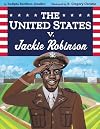
Jackie Robinson (1919-1972) was the first African-American player in modern major league baseball. His debut with the Brooklyn Dodgers on April 15, 1947 ended approximately 60 years of baseball segregation. But Jackie Robinson's pathbreaking courage and resistance started long before his career in professional baseball.
Robinson, the grandson of a slave and the son of a sharecropper, was not only a baseball player. In high school, he played shortstop and catcher on the baseball team, show more quarterback on the football team, and guard on the basketball team. He was also a member of the tennis team and the track and field squad, and won awards in the broad jump. In junior college, he played basketball, football, and baseball, and participated in the broad jump. Transferring to nearby University of California at Los Angeles, he became the school's first athlete to win varsity letters in four sports: baseball, basketball, football and track.
How he got to that place is an amazing and inspirational story.
The author begins by providing background on what life was like for African Americans before the Civil Rights Movement and resulting legislation in the 1960’s. As she writes in the Author Note at the conclusion of the book:
These are the kinds of signs that Jackie Robinson and scores of other Americans of color faced every day:
WE WANT WHITE TENANTS IN OUR WHITE COMMUNITY
NO DOGS, NEGROES, MEXICANS
WAITING ROOM FOR COLORED ONLY, BY ORDER POLICE DEPT
THIS PART OF THE BUS FOR COLORED RACE
PUBLIC SWIMMING POOL, WHITE ONLY
Furthermore, as the only black family on their street, the Robinson family was not welcomed by their neighbors, who petitioned them to move. The author writes:
“But Jack’s mother, Mallie, wouldn’t go. She made it clear to any and all that she was not afraid and that she wouldn’t allow anyone to treat her family badly. Mallie taught her children to stand up for what was right, even when that was difficult to do. Jack learned those lessons well.”
Being a star athlete in college did not protect Jack from racism. The author reports that his opponents on the football field used to go out of their way to hurt him, whether he had the ball or not. She observes:
“Even Jack’s own teammates once used practice as an excuse to tackle him so hard that they severely sprained his knee.”
But he didn’t back down, on or off the field.
When World War II broke out, Robinson was drafted and assigned to a segregated Army cavalry unit in Fort Riley, Kansas. He was accepted into officer candidate school (OCS), and earned his second lieutenant's bars on January 28, 1943. [Few black applicants were admitted into OCS but after protests by heavyweight boxing champion Joe Louis (then stationed at Fort Riley) and the help of Truman Gibson (then an assistant civilian aide to the Secretary of War), the black applicants were accepted into OCS.]
Upon finishing OCS, Robinson was transferred to Fort Hood, Texas, for further training. There, he joined the 761st "Black Panthers" Tank Battalion. Fort Hood had a bad reputation among blacks, not only because of the segregation on the post but also because of the depth of racism in the neighboring towns.
In May 1944, as the author recounts, the U.S. Army issued an order forbidding segregation on military posts and buses. But compliance in the South was problematic.
On July 6, 1944, Robinson was riding a bus on the base and sitting next to a fellow officer’s light-skinned wife. The driver instructed Robinson to move to a seat farther back.
Robinson argued with the bus driver, and when he got off at his stop, the dispatcher joined in the altercation. A crowd formed and military policemen arrived. The MPs took Robinson to the station. John Vernon, an archivist at the National Archives (Prologue, Spring 2008), tells what happened next:
“…when they arrived at the station to meet with the camp's assistant provost marshal, a white MP ran up to the vehicle and excitedly inquired if they had 'the nigger lieutenant' with them. The utterance of this unexpected and especially offensive racial epithet served to set Robinson off and he threatened 'to break in two' anyone, whatever their rank or status, who employed that word.”
Robinson continued to show "disrespect” and received a court martial.
The author writes:
“Jack knew the court-martial wouldn’t have happened if he had just moved to the back of the bus. He worried how this would affect his reputation and integrity. But Jack also knew he had done the right thing. Jack remembered what his mother taught him.”
Robinson contacted the NAACP and sought publicity from the Negro press. He also wrote to the War Department. The white press picked up on the situation since Robinson was a well-known athlete from his days at UCLA. Higher-ups became worried about this “political dynamite.”
At the court martial trial in August of that year, Robinson’s commanding officer gave a glowing report on his character. His army-appointed defense attorney pointed out inconsistencies in witnesses’ accounts. The attorney also suggested that Robinson’s assertiveness was a legitimate expression of resentment given the racially hostile environment. Ultimately, the court acquitted Robinson of all charges.
While what happened to Robinson was not unique, the outcome of the conflict was unusual. It would more than another decade before blacks were free to sit where they chose on the bus. The author points out:
“Jack had fought for what he knew was right. He had stood up to prejudice and discrimination and exercised his right to sit wherever he wanted on a bus. He was one of the first black Americans to challenge a segregation law in court. And he won.
Jack made history that day.”
The author concludes with a brief summary of Jack’s life after the war, and the fact that he broke the color line in professional baseball.
At the back of the book, there is a timeline of Jack’s life and of civil rights milestones, an Author Note, and a bibliography. In her Note, the author observes that it took courage of Jackie Robinson to “stand up to the racism that was entrenched and rooted deep in American culture…” but what she doesn’t say is that he easily could have been lynched, and he knew that as well.
The illustrator, R. Gregory Christie, has won multiple awards for his work, including the Coretta Scott King Illustrator Honor Award and the NAACP’s Image award. The pictures in this book are some of the most realistic I have seen him create. But not totally. He still employs his trademark disproportionate compositions and elongated figures in his vivid gouache paintings. As he has stated in an interview, his art is meant to be “a challenge for the viewer to break away from the established fundamental belief that all children’s books must be realistic or cute.”
Evaluation: Many Americans know that Jackie Robinson was the first black player in major league baseball, but not as many know that his courageous resistance started long before that, or that Rosa Parks wasn’t the first to refuse to move to the back of the bus. This inspirational story helps redress that omission. show less
Robinson, the grandson of a slave and the son of a sharecropper, was not only a baseball player. In high school, he played shortstop and catcher on the baseball team, show more quarterback on the football team, and guard on the basketball team. He was also a member of the tennis team and the track and field squad, and won awards in the broad jump. In junior college, he played basketball, football, and baseball, and participated in the broad jump. Transferring to nearby University of California at Los Angeles, he became the school's first athlete to win varsity letters in four sports: baseball, basketball, football and track.
How he got to that place is an amazing and inspirational story.
The author begins by providing background on what life was like for African Americans before the Civil Rights Movement and resulting legislation in the 1960’s. As she writes in the Author Note at the conclusion of the book:
These are the kinds of signs that Jackie Robinson and scores of other Americans of color faced every day:
WE WANT WHITE TENANTS IN OUR WHITE COMMUNITY
NO DOGS, NEGROES, MEXICANS
WAITING ROOM FOR COLORED ONLY, BY ORDER POLICE DEPT
THIS PART OF THE BUS FOR COLORED RACE
PUBLIC SWIMMING POOL, WHITE ONLY
Furthermore, as the only black family on their street, the Robinson family was not welcomed by their neighbors, who petitioned them to move. The author writes:
“But Jack’s mother, Mallie, wouldn’t go. She made it clear to any and all that she was not afraid and that she wouldn’t allow anyone to treat her family badly. Mallie taught her children to stand up for what was right, even when that was difficult to do. Jack learned those lessons well.”
Being a star athlete in college did not protect Jack from racism. The author reports that his opponents on the football field used to go out of their way to hurt him, whether he had the ball or not. She observes:
“Even Jack’s own teammates once used practice as an excuse to tackle him so hard that they severely sprained his knee.”
But he didn’t back down, on or off the field.
When World War II broke out, Robinson was drafted and assigned to a segregated Army cavalry unit in Fort Riley, Kansas. He was accepted into officer candidate school (OCS), and earned his second lieutenant's bars on January 28, 1943. [Few black applicants were admitted into OCS but after protests by heavyweight boxing champion Joe Louis (then stationed at Fort Riley) and the help of Truman Gibson (then an assistant civilian aide to the Secretary of War), the black applicants were accepted into OCS.]
Upon finishing OCS, Robinson was transferred to Fort Hood, Texas, for further training. There, he joined the 761st "Black Panthers" Tank Battalion. Fort Hood had a bad reputation among blacks, not only because of the segregation on the post but also because of the depth of racism in the neighboring towns.
In May 1944, as the author recounts, the U.S. Army issued an order forbidding segregation on military posts and buses. But compliance in the South was problematic.
On July 6, 1944, Robinson was riding a bus on the base and sitting next to a fellow officer’s light-skinned wife. The driver instructed Robinson to move to a seat farther back.
Robinson argued with the bus driver, and when he got off at his stop, the dispatcher joined in the altercation. A crowd formed and military policemen arrived. The MPs took Robinson to the station. John Vernon, an archivist at the National Archives (Prologue, Spring 2008), tells what happened next:
“…when they arrived at the station to meet with the camp's assistant provost marshal, a white MP ran up to the vehicle and excitedly inquired if they had 'the nigger lieutenant' with them. The utterance of this unexpected and especially offensive racial epithet served to set Robinson off and he threatened 'to break in two' anyone, whatever their rank or status, who employed that word.”
Robinson continued to show "disrespect” and received a court martial.
The author writes:
“Jack knew the court-martial wouldn’t have happened if he had just moved to the back of the bus. He worried how this would affect his reputation and integrity. But Jack also knew he had done the right thing. Jack remembered what his mother taught him.”
Robinson contacted the NAACP and sought publicity from the Negro press. He also wrote to the War Department. The white press picked up on the situation since Robinson was a well-known athlete from his days at UCLA. Higher-ups became worried about this “political dynamite.”
At the court martial trial in August of that year, Robinson’s commanding officer gave a glowing report on his character. His army-appointed defense attorney pointed out inconsistencies in witnesses’ accounts. The attorney also suggested that Robinson’s assertiveness was a legitimate expression of resentment given the racially hostile environment. Ultimately, the court acquitted Robinson of all charges.
While what happened to Robinson was not unique, the outcome of the conflict was unusual. It would more than another decade before blacks were free to sit where they chose on the bus. The author points out:
“Jack had fought for what he knew was right. He had stood up to prejudice and discrimination and exercised his right to sit wherever he wanted on a bus. He was one of the first black Americans to challenge a segregation law in court. And he won.
Jack made history that day.”
The author concludes with a brief summary of Jack’s life after the war, and the fact that he broke the color line in professional baseball.
At the back of the book, there is a timeline of Jack’s life and of civil rights milestones, an Author Note, and a bibliography. In her Note, the author observes that it took courage of Jackie Robinson to “stand up to the racism that was entrenched and rooted deep in American culture…” but what she doesn’t say is that he easily could have been lynched, and he knew that as well.
The illustrator, R. Gregory Christie, has won multiple awards for his work, including the Coretta Scott King Illustrator Honor Award and the NAACP’s Image award. The pictures in this book are some of the most realistic I have seen him create. But not totally. He still employs his trademark disproportionate compositions and elongated figures in his vivid gouache paintings. As he has stated in an interview, his art is meant to be “a challenge for the viewer to break away from the established fundamental belief that all children’s books must be realistic or cute.”
Evaluation: Many Americans know that Jackie Robinson was the first black player in major league baseball, but not as many know that his courageous resistance started long before that, or that Rosa Parks wasn’t the first to refuse to move to the back of the bus. This inspirational story helps redress that omission. show less

"Every night up in their beds, / pillows fluffed up by their heads, / chicks are tucked beneath the sheets. / "Go to sleep, now," Mama tweets. / Mama kisses each dear child, / but when she leaves... / those chicks run wild!" So begins this entertaining bedtime tale, as a tired Mama Hen attempts to get her brood to sleep, only to find that they erupt into action every time her back is turned. What's a mother to do...?
Join in the fun, of course! Chicks Run Wild is an amusing picture-book show more examination of a fairly common bedtime theme - young children who don't want to go to sleep - one that pairs an engaging text in rhyme from author Sudipta Bardham-Quallen with colorful, amusing artwork by illustrator Ward Jenkins. I always recommend rhyming texts for use with younger children, and think that this one reads very well, making it an excellent story-time selection, especially at bedtime. show less
Join in the fun, of course! Chicks Run Wild is an amusing picture-book show more examination of a fairly common bedtime theme - young children who don't want to go to sleep - one that pairs an engaging text in rhyme from author Sudipta Bardham-Quallen with colorful, amusing artwork by illustrator Ward Jenkins. I always recommend rhyming texts for use with younger children, and think that this one reads very well, making it an excellent story-time selection, especially at bedtime. show less
Awards


You May Also Like


Associated Authors
Statistics
- Works
- 74
- Members
- 5,579
- Popularity
- #4,448
- Rating
- 3.7
- Reviews
- 122
- ISBNs
- 297
- Languages
- 3

