
Eric P. Kelly (1884–1960)
Author of The Trumpeter of Krakow
About the Author
Eric P. Kelly, a student of Slavic culture for most of his life, wrote The Trumpeter of Krakow while teaching and studying at the University of Krakow
Works by Eric P. Kelly
Associated Works
Friends to Man: The Wonderful World of Animals — Contributor — 2 copies
Tagged
Common Knowledge
- Canonical name
- Kelly, Eric P.
- Legal name
- Kelly, Eric Philbrook
- Birthdate
- 1884-03-16
- Date of death
- 1960-01-03
- Gender
- male
- Education
- Dartmouth College (BA)
- Occupations
- professor (English)
journalist
children's book author - Organizations
- Dartmouth College
Les Foyers du Soldat
Mercersburg Academy
U.S. State Department
Jagiellonian University
Pukwana Club (now Sigma Nu Fraternity) - Nationality
- USA
- Birthplace
- Amesbury, Massachusetts, USA
- Places of residence
- Chebeague Island, Maine, USA
Ojo Caliente, New Mexico, USA
Vilnius, Poland
Lviv, Poland - Place of death
- Youngtown, Arizona, USA
- Burial location
- Mount Prospect Cemetery, Amesbury, Essex County, Massachusetts, USA
- Associated Place (for map)
- USA
Members
Reviews

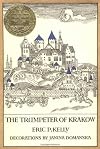
Set in the chaotic world of medieval Poland, Eric P. Kelly's The Trumpeter of Krakow is an exciting tale of adventure and intrigue for young readers, following the fortunes of the Charnetski family, as they struggle to fulfill a vow made generations before, by one of their ancestors. Fleeing from the raiding Tatars who attacked their estate in the Ukraine, Pan Andrew Charnetski, his wife, and his fifteen-year-old son, Joseph, seek refuge in the city of Krakow. Here, finding their relations show more absent, and an audience with the king impossible, the family settle, assisted by the kind monk and scholar, Jan Kanty, and living under an assumed name. But their enemies have not given up, and soon they find themselves threatened once again...
Originally published in 1928, and awarded the Newbery Medal, Kelly's debut novel is an engaging blend of historical fiction and fantastic adventure, incorporating both historical figures - King Jagiello, good Jan Kanty - and legendary ones, like the city's dragon-fighting founder, King Krakus. The widespread belief in magic and alchemy in fifteenth-century Poland (as seen in such magical folktales as The Magician of Cracow), proves crucial to the story, which revolves around the fate of the Great Tarnov Crystal - a priceless jewel with strange properties.
I enjoyed The Trumpeter of Krakow, from the prologue explaining the origin of the broken heynal, to the concluding passages, in which Kelly wraps up his story, and tells the reader what happened afterward. Well-written and entertaining, it flowed nicely and kept my attention - I enjoyed learning a little more about Polish history and folklore. Definitely one of the better Newbery Medal titles from the 1920s, I would recommend it to young readers with a taste for historical fiction. show less
Originally published in 1928, and awarded the Newbery Medal, Kelly's debut novel is an engaging blend of historical fiction and fantastic adventure, incorporating both historical figures - King Jagiello, good Jan Kanty - and legendary ones, like the city's dragon-fighting founder, King Krakus. The widespread belief in magic and alchemy in fifteenth-century Poland (as seen in such magical folktales as The Magician of Cracow), proves crucial to the story, which revolves around the fate of the Great Tarnov Crystal - a priceless jewel with strange properties.
I enjoyed The Trumpeter of Krakow, from the prologue explaining the origin of the broken heynal, to the concluding passages, in which Kelly wraps up his story, and tells the reader what happened afterward. Well-written and entertaining, it flowed nicely and kept my attention - I enjoyed learning a little more about Polish history and folklore. Definitely one of the better Newbery Medal titles from the 1920s, I would recommend it to young readers with a taste for historical fiction. show less

In medieval Poland, a mysterious jewel is stolen, a family is displaced, and an alchemist seeks the secret of transmuting base metals to gold. This book won the Newbery back in 1929, and I do see some distinguished elements -- the writing is good, though a little more flowery than is common these days, and there's an interesting plot if you can get through all of the descriptive bits. The characters aren't particularly fleshed out (the alchemist, a secondary character, was probably the most show more interesting to me). I had a hard time staying engaged with the narrative, so it took me several days to get through this book. Would I recommend it to kids today? Probably only if I had one who was really fascinated with medieval stories. show less
I read this for the first time since I was in my teens. It is very much a book of the period it was written, being the 1920s. The villains are all disabled and/or disfigured, the women and girls shallow props to bolster the roles of the valiant leading males. That said, the voice of the book is eloquent and beautiful, and the author's deep love of the city of Krakow is evident on most every page. It's easy to see why this was the Newberry Award winner in 1929.
The adventure story is a show more rollicking one, cozy in its predictability, but hey--sometimes it's nice to know the bad guys are certain to know justice, with the good guys eventually rewarded for their stalwart suffering. This isn't a book I would re-read because it is so painfully dated, but it made for an interesting choice for my classic book for the month. show less
The adventure story is a show more rollicking one, cozy in its predictability, but hey--sometimes it's nice to know the bad guys are certain to know justice, with the good guys eventually rewarded for their stalwart suffering. This isn't a book I would re-read because it is so painfully dated, but it made for an interesting choice for my classic book for the month. show less
This one threw me a bit. I found it a bit boring at first, and then the introduction of magic and other seemingly random elements was unexpected and kind of crazy. It seemed to spiral to strange places. Like, did the author have everything planned, or did he just write as his whimsy directed? Either way, I liked it. I think.
I did really like whole ‘unfinished note’ aspect, and how that played out (my puns need work). The trumpeter scenes were the most charming parts of the trumpeter show more book, go figure, but they seemed to begging for a larger role. Overall, it's worth a read. show less
I did really like whole ‘unfinished note’ aspect, and how that played out (my puns need work). The trumpeter scenes were the most charming parts of the trumpeter show more book, go figure, but they seemed to begging for a larger role. Overall, it's worth a read. show less
Lists
Awards


You May Also Like


Associated Authors
Statistics
- Works
- 19
- Also by
- 5
- Members
- 2,430
- Popularity
- #10,558
- Rating
- 3.6
- Reviews
- 26
- ISBNs
- 36
- Languages
- 1