
Kate Ripley
Author of Dyspraxia: A Guide for Teachers and Parents (Resource Materials for Teachers)
Works by Kate Ripley
Dyspraxia: A Guide for Teachers and Parents (Resource Materials for Teachers) (1997) 11 copies, 1 review
Supporting Speech, Language & Communication Needs: Working with Students Aged 11 to 19 (2008) 6 copies
Tagged
Common Knowledge
There is no Common Knowledge data for this author yet. You can help.
Members
Reviews
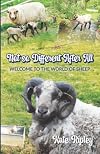
An interesting book about why people consider sheep to be less intelligent that other animals, and why that’s a mistake. The evidence is persuasive, if not overly scientific, and the anecdotes leave you with a greater respect for these wooly creatures. But there are bigger issues which are not discussed.
Anyone growing up on a farm will have pleasant memories of a variety of animal livestock; hens, aggressive when pushed, but not very bright; cows, large lumbering, passive beasts best left show more alone; much maligned pigs, and geese, the most frightening of all.
The working animals are in a higher category. The shepherd’s dogs are not pets and should be left strictly alone. The same with the working cats, mysterious and aloof, and also definitely not pets.
Then there are the sheep. There appears to be more of an emotional attachment to the sheep that any other farm animal. They take up more time and attention, culminating when the lambs are separated from their mothers and the crying goes on for several days.
But then reality intervenes. All farm animals are looked after and kept healthy, and the vet is a regular visitor, not for humanitarian reasons, but for practical financial reasons; sick animals are not worth much.
What’s missing from the book is the last chapter, a discussion of the end game. It’s covered by two paragraphs:
"I was surprised how much research had been done around sheep behaviour and realised that understanding them better might lead to more contented sheep, easier to handle and to thrive from a commercial perspective. The downside is that the more one knows and values an individual the more difficult it is to part with them. However, by respecting their social bonds we can make it less stressful for the sheep when they have to move on, if not for their keeper.
Attitudes towards all animals have become more respectful over time as our understanding of their abilities and needs has grown. It is no longer possible to defend the idea that humans are different from animals in some unique way. Animal welfare legislation in the UK has been gradually strengthened since the 1822 Act to Prevent the Improper Treatment of Cattle and the more generic Animal Protection Act of 1911. The Animal Welfare (Sentencing ) Bill is the most recent welcome development in this area. Compassion in World Farming, founded in the UK 1967, has a focus on the welfare of farm animals and campaigns against the trend towards factory farming. Fortunately sheep, unlike cows, pigs and hens, have so far largely escaped the abuse of intensive rearing in confined spaces. They are social, intelligent animals that deserve our respect as much as the pets that share our homes. In future you may wince when you hear people call sheep stupid and choose to challenge those assertions."
Perhaps it’s best that we continue to think that the lamb roast comes from the freezer in aisle 5 in the supermarket, and the milk and butter from aisle six, and leave it at that. show less
Anyone growing up on a farm will have pleasant memories of a variety of animal livestock; hens, aggressive when pushed, but not very bright; cows, large lumbering, passive beasts best left show more alone; much maligned pigs, and geese, the most frightening of all.
The working animals are in a higher category. The shepherd’s dogs are not pets and should be left strictly alone. The same with the working cats, mysterious and aloof, and also definitely not pets.
Then there are the sheep. There appears to be more of an emotional attachment to the sheep that any other farm animal. They take up more time and attention, culminating when the lambs are separated from their mothers and the crying goes on for several days.
But then reality intervenes. All farm animals are looked after and kept healthy, and the vet is a regular visitor, not for humanitarian reasons, but for practical financial reasons; sick animals are not worth much.
What’s missing from the book is the last chapter, a discussion of the end game. It’s covered by two paragraphs:
"I was surprised how much research had been done around sheep behaviour and realised that understanding them better might lead to more contented sheep, easier to handle and to thrive from a commercial perspective. The downside is that the more one knows and values an individual the more difficult it is to part with them. However, by respecting their social bonds we can make it less stressful for the sheep when they have to move on, if not for their keeper.
Attitudes towards all animals have become more respectful over time as our understanding of their abilities and needs has grown. It is no longer possible to defend the idea that humans are different from animals in some unique way. Animal welfare legislation in the UK has been gradually strengthened since the 1822 Act to Prevent the Improper Treatment of Cattle and the more generic Animal Protection Act of 1911. The Animal Welfare (Sentencing ) Bill is the most recent welcome development in this area. Compassion in World Farming, founded in the UK 1967, has a focus on the welfare of farm animals and campaigns against the trend towards factory farming. Fortunately sheep, unlike cows, pigs and hens, have so far largely escaped the abuse of intensive rearing in confined spaces. They are social, intelligent animals that deserve our respect as much as the pets that share our homes. In future you may wince when you hear people call sheep stupid and choose to challenge those assertions."
Perhaps it’s best that we continue to think that the lamb roast comes from the freezer in aisle 5 in the supermarket, and the milk and butter from aisle six, and leave it at that. show less
 This review was written for LibraryThing Early Reviewers.
This short non-fiction book addresses the injustice done to sheep by those who consider them “stupid” or “unthinking”. To the contrary, using both others’ cited research and her own experiences with a flock of Shetland sheep, the author makes a strong case that they are intelligent, sentient beings. This is an eye-opening book, well worth the quick read.
This review was written for LibraryThing Early Reviewers.This short non-fiction book offers enjoyable and interesting insights into the behaviour and intelligence of sheep, accompanied by photos of the author’s own Shetland sheep.
Sheep are intelligent and sociable animals, each with characters of their own. I shall look at a field of sheep and lambs with new insights and appreciation from now on.
The book is backed up by research, which is good to know, but makes it a drier read than it might have been. Nevertheless it is an engaging read.
Sheep are intelligent and sociable animals, each with characters of their own. I shall look at a field of sheep and lambs with new insights and appreciation from now on.
The book is backed up by research, which is good to know, but makes it a drier read than it might have been. Nevertheless it is an engaging read.
This review was written for LibraryThing Early Reviewers.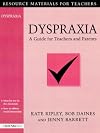
An essential guide looking at what dyspraxia is, and its assessment, plus information on play, dressing, language, feeding and more.
Statistics
- Works
- 8
- Members
- 51
- Popularity
- #311,766
- Rating
- 3.7
- Reviews
- 4
- ISBNs
- 20
