
Stephane Moses (1931–2007)
Author of The Angel of History: Rosenzweig, Benjamin, Scholem (Cultural Memory in the Present)
About the Author
Works by Stephane Moses
The Angel of History: Rosenzweig, Benjamin, Scholem (Cultural Memory in the Present) (1992) 49 copies
System and Revelation: The Philosophy of Franz Rosenzweig (Culture of Jewish Modernity) (1982) 26 copies
Juden in der deutschen Literatur: Ein deutsch-israelisches Symposion (Suhrkamp Taschenbuch) (German Edition) (1986) 3 copies
Tagged
Common Knowledge
- Birthdate
- 1931-06-11
- Date of death
- 2007-12-01
- Gender
- male
- Education
- École Normale Supérieure
- Occupations
- philosopher
translator
German studies professor
literary critic - Relationships
- Moses, Emmanuel (son)
Kurtzig, Heinrich (grandfather) - Short biography
- Stéphane Mosès was born to a Jewish family in Berlin, Germany. In 1938, his family fled the Nazis to Casablanca, Morocco. He attended the lycée Lyautey, where he passed his baccalauréat. He went on to study at the École Normale Supérieure in Paris, where he passed the agrégé (national teaching exam) in German and earned a doctor of letters degree. He became an assistant professor at the Sorbonne and at Paris X-Nanterre University. A specialist in philosophy and German literature, he helped popularize the works of Walter Benjamin, Gershom Scholem, Franz Kafka, and Paul Celan. In 1969, he moved to Israel and became a professor of German and comparative literature at the Hebrew University of Jerusalem. He published a dozen books, including A Literary Affinity: Jean-Paul's Titan and Thomas Mann's Doctor Faustus (1972) and The Angel of History: Rosenzweig, Benjamin, Scholem (1992). He married artist Liliane Klapisch and the couple had three children, including writer Emmanuel Moses.
- Nationality
- Germany (birth)
Israel
France - Birthplace
- Berlin, Germany
- Places of residence
- Casablanca, Morocco
Paris, France
Jerusalem, Israel - Place of death
- Jerusalem, Israel
- Burial location
- Sanhedria Cemetery, Jerusalem, Israel
Members
Reviews
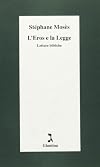
Per la tradizione ebraica il senso della Bibbia è inesauribile: l'interpretazione è libera di riempire gli spazi bianchi e di proporre sempre nuove letture. Le molteplici interpretazioni del Libro cercano prima di tutto di ritrovare il soffio originale che lo anima, gli echi ancora udibili della voce infinita che parla attraverso di esso. Vi è come un Eros che vivifica il testo, lontano riflesso della parola divina. Certo, dal momento che questa parola è destinata agli uomini e mira a show more regolarne la vita sulla terra, il soffio originale dell'Eros divino si è incarnato, nel testo biblico, in discorso della Legge. Ma, per comprenderne lo spirito, dobbiamo scoprire, dietro a questo discorso della Legge, l'Eros primordiale da cui scaturisce. Stéphane Mosès si rifà nella sua lettura a questa tradizione, ma la reinterpreta secondo i termini del discorso filosofico occidentale, a loro volta messi in discussione attraverso le categorie ebraiche. Da questo rimescolamento di concetti nasce un altro modo, nuovo e allo stesso tempo antichissimo, di leggere la Bibbia, e dunque un altro modo di decifrare il mondo, un'altra maniera di proiettarvi un senso. (fonte: retro di copertina) show less
Nov 14, 2022Italian
Statistics
- Works
- 18
- Members
- 105
- Popularity
- #183,190
- Rating
- 5.0
- Reviews
- 1
- ISBNs
- 29
- Languages
- 5