

Mercè Escardó i Bas
Author of The Ugly Duckling/El Patito Feo (Bilingual Fairy Tales)
About the Author
Works by Mercè Escardó i Bas
Tagged
Common Knowledge
- Canonical name
- Escardó i Bas, Mercè
- Legal name
- Escardó i Bas, Mercè
- Birthdate
- 1948
- Gender
- female
Members
Reviews
The Ugly Duckling/El patito feo (Bilingual Fairy Tales) by Merc�e (Merce Escardo i Bas) Escard�o i Bas
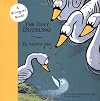
"The Ugly Duckling" is a well-known and much-referenced tale in today's culture so one might think that reading a version of it would do very little for a reader. That would be a very wrong thought, especially with this telling of the classic story. This version uses expressive, emotive language and its bilingual nature to really make the book an experience rather than a story. Because of this, the theme really shines through and with a theme like "self exploration," it's no surprise that show more readers of all ages love it. As someone hearing the tale for the very first time or someone hearing it for the tenth, the style of writing in this book makes it seem like something completely new. show less
The Ugly Duckling/El Patito Feo (Bilingual Fairy Tales) by Merc�e (Merce Escardo i Bas) Escard�o i Bas
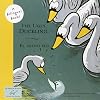
I liked this adaptation of this story for all ages. My favorite aspect of the book is that it pushes the reader to understand that just because you are different does not mean you are ugly or less than others. The little ugly duckling believes that because he doesn’t look like his siblings that he is ugly. Many readers may find that they mirror the duckling’s feelings and this book will help readers to realize they are special. I also love the illustrations in the book. Whenever there is show more other animals or characters on the page their eyes are pointed towards the ugly duckling. This forced the reader’s focus on the duckling that is the opposite of what the duckling wants. He feels so ugly he just wants to be left alone or loved. Finally, I liked the plot of the book. The ugly duckling realizes after being unloved, laughed at, and abandoned that he is beautiful and special. I think this is a great plot for the readers. They can feel for the ugly duckling and relate to how he does not have friends. It is a great mirror or window book for readers. I think the big idea/message is that physical appearance doesn’t determine your worth in the world. show less
The Three Little Pigs/Los Tres Cerditos (Bilingual Fairy Tales) by Merc�e (Merce Escardo i Bas) Escard�o i Bas
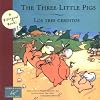
In my opinion, this is a good book. The illustrations fit the story perfectly. They corresponded with the text on each page flawlessly. For example, the text said that one of the pigs “took some bricks. . . found a nice flat bit of land, and brick by brick build walls, windows, a fireplace, and, last of all, a sturdy roof.” The illustration on the next page shows a pig wiping sweat off of his head from all of his hard work. In the background, there is a large brick house that perfectly show more matches the text’s description. The illustrations are so detailed that if there were no words, the book would still be comprehensible. The point of view is in third person which creates a strong storytelling feeling while reading the book. The descriptive language and the engaging writing also add to the storytelling feeling. The big idea in this version of the story is that family relationships are important. Even though the three pigs decided to live on their own, they know that they can rely on each other whenever they are faced with trouble. show less
The Three Little Pigs/Los Tres Cerditos (Bilingual Fairy Tales) by Merc�e (Merce Escardo i Bas) Escard�o i Bas
The Three Little Pigs, adapted by Merce Escardo I Bas, was a very cute retelling of the common fairy tale. One reason I liked this adaptation is because it is bilingual. I like how the author writes the English and Spanish versions on each page and even on the cover, "The Three Little Pigs: Los Tres Cerditos." I also like the text features that the author uses to separate the different languages and make it very clear that they are not supposed to be read straight through. The different show more languages are separated into two passages, separated by a squiggly line in the middle, and each start with a different color font. The main messages of this book are that you can always count on family when you are in trouble and good conquers evil if you don't give up. show less
You May Also Like


Statistics
- Works
- 10
- Members
- 274
- Popularity
- #84,602
- Rating
- 3.9
- Reviews
- 15
- ISBNs
- 21
- Languages
- 3