

Amelia Atwater-Rhodes
Author of In the Forests of the Night
About the Author
Series
Works by Amelia Atwater-Rhodes
Associated Works
Tagged
Common Knowledge
- Birthdate
- 1984-04-16
- Gender
- female
- Education
- University of Massachusetts
- Nationality
- USA
- Birthplace
- Silver Spring, Maryland, USA
- Places of residence
- Concord, Massachusetts, USA
- Associated Place (for map)
- USA
Members
Discussions
Snakecharm, Amelia Atwater-Rhodes in World Reading Circle (August 2013)
YA Book dealing with Vampires in Name that Book (December 2012)
Reviews
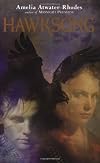
Hawksong is a high-fantasy YA novel with a slow-burn romance and political intrigue that manages to do more in a little over 200 pages than many 600 page novels. It focuses on two shapeshifter kingdoms and their war that has lasted so long no one even knows how it began. Danica Shardae, the last remaining heir to the avian throne, and Zane Cobriana, the heir to the serpiente throne, are desperate to end the war between their kingdoms. Both have lost many family members and loved ones over show more the years and there is no righteous side, only a cycle of revenge. When a third-party mediator suggests that Danica and Zane unite their warring kingdoms through marriage everyone is skeptical, but Danica and Zane’s love for their people make them consider the unimaginable.
This book is amazing in terms of character, plot, and world-building. Danica and Zane are steeped in their respective cultures and this creates complex and dynamic characters as they are challenged to overcome their prejudice and learn to live in each other’s world. Their successes and failures at adapting is what adds the tension to the plot—oh, and assassination attempts. Those cause tension too.
One aspect of the world building that I would critique is that Atwater-Rhodes decided to set this novel in our world without any explanation or connection. There is a Chinese pillow mentioned, then later we learn the origins of the shapeshifters are from Egypt, and they briefly mention the human world. Besides these puzzling moments, there’s no real explanation of how these large and complex kingdoms of animal shapeshifters exist inside the human world. That being said, it’s rarely mentioned and doesn’t affect anything, so while it is puzzling I choose not to let it bother me.
One reviewer remarked that since this book is pre-Twilight the way the romance is written perhaps wouldn’t feel as exciting to current YA readers. That may be true, but I’m fascinated how each era tells stories in a different way. We can’t tell a story like they did in the early 2000s just like they couldn’t tell a 2010s story. It’s not good or bad, it’s just the nature of storytelling. For better or worse, the publishing world today wouldn’t print such a short high fantasy novel. From my perspective, because pre-Twilight YA is so different from now, that makes this story even more refreshing.
One of the most astounding things about this novel is that it stands the test of time. There are books that I loved as a teen that just weren’t as good on a second read, but this book—the characters, the cultures, the plot—is still as addicting as it was when I first read it during the ice storm that hit the Midwest more than a decade ago. show less
This book is amazing in terms of character, plot, and world-building. Danica and Zane are steeped in their respective cultures and this creates complex and dynamic characters as they are challenged to overcome their prejudice and learn to live in each other’s world. Their successes and failures at adapting is what adds the tension to the plot—oh, and assassination attempts. Those cause tension too.
One aspect of the world building that I would critique is that Atwater-Rhodes decided to set this novel in our world without any explanation or connection. There is a Chinese pillow mentioned, then later we learn the origins of the shapeshifters are from Egypt, and they briefly mention the human world. Besides these puzzling moments, there’s no real explanation of how these large and complex kingdoms of animal shapeshifters exist inside the human world. That being said, it’s rarely mentioned and doesn’t affect anything, so while it is puzzling I choose not to let it bother me.
One reviewer remarked that since this book is pre-Twilight the way the romance is written perhaps wouldn’t feel as exciting to current YA readers. That may be true, but I’m fascinated how each era tells stories in a different way. We can’t tell a story like they did in the early 2000s just like they couldn’t tell a 2010s story. It’s not good or bad, it’s just the nature of storytelling. For better or worse, the publishing world today wouldn’t print such a short high fantasy novel. From my perspective, because pre-Twilight YA is so different from now, that makes this story even more refreshing.
One of the most astounding things about this novel is that it stands the test of time. There are books that I loved as a teen that just weren’t as good on a second read, but this book—the characters, the cultures, the plot—is still as addicting as it was when I first read it during the ice storm that hit the Midwest more than a decade ago. show less
Hawksong may look like a short book, but there is certainly nothing simple about it. I liked it best out of the series, but the others still captured my attention.
One hawk-shapeshifter, heiress to an avian race. One cobra-shapeshifter, prince of the serpents. One cool and aloof, the other sensual and sensitive. Both of them sick of the endless war between their people. Both willing to do anything to end it...even when it means becoming pair-bonded with each other.
Danica and Zane's emotional show more and political journey never fails to awe and move me. The lessons about love, emotion, race, and stereotype are there, but they are woven intricately into the characters and story. You travel right along with them, find yourself falling in love with both of them, and at the end, you leave with an enduring sense of inspiration and hope. Incredible fantasy, especially when you consider Atwater-Rhodes wrote it as a teen! show less
One hawk-shapeshifter, heiress to an avian race. One cobra-shapeshifter, prince of the serpents. One cool and aloof, the other sensual and sensitive. Both of them sick of the endless war between their people. Both willing to do anything to end it...even when it means becoming pair-bonded with each other.
Danica and Zane's emotional show more and political journey never fails to awe and move me. The lessons about love, emotion, race, and stereotype are there, but they are woven intricately into the characters and story. You travel right along with them, find yourself falling in love with both of them, and at the end, you leave with an enduring sense of inspiration and hope. Incredible fantasy, especially when you consider Atwater-Rhodes wrote it as a teen! show less
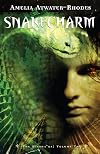
I finished this a month ago but didn't get around to reviewing it until now.
This is the second book in Atwater-Rhodes' Kiesha'ra series. The peace between the serpiente and the avians is still holding, at least until Danica is pronounced pregnant. Avian and serpiente cultures are very different. Will the baby be raised as an avian or as a serpiente? Will Zane and Danica's people be able to put up with a future leader who is half serpiente, half avian?
Further trouble arrives in the form of show more Syfka, a falcon. Syfka is looking for a falcon criminal, who is probably using falcon magic to hide amongst the serpiente or the avians. Although she demands that the criminal be found, she refuses to say anything about what the falcon might look like or what crime he or she committed. Among the falcons, simply cursing in the Empress's presence is considered a crime punishable by being tortured to death. Zane and Danica want Syfka gone but are worried they might send an innocent person (according to avian and serpiente laws) to their death. Unfortunately, the longer Syfka stays, the likelier it becomes that she'll learn of Danica's pregnancy. Falcons value children, but only if they are pure bloods.
I liked the first book in the series, Hawksong. Unfortunately, Snakecharm didn't work nearly as well for me. While I was interested in finding out the identity of the secret falcon and the crime he or she committed, there were so many things in this book that did not add up.
For example, falcon children were rare and therefore treasured. But only if they were pure-blooded – mixed-blood falcon children were killed. If falcon children were so rare, you'd think mixed-blood children would at least be acceptable, but maybe have lower status when they grew older. Two thirds of the way into the book, it was finally revealed that falcon hatred of mixed-blood children was not just another example of their bigotry, but rather a reaction to the fact that mixed-blood falcon children eventually go insane.
This revelation explained the falcons' attitudes towards mixed-blood children, but also opened up a whole new can of worms. Danica is an avian pregnant with a serpiente man's child - that makes their child mixed-blood. Avians and serpiente have never crossbred before. Even Danica's pregnancy is a new an unfamiliar thing, as her normally lower avian body temperature increases to accommodate her half-serpiente child (never mind that I'm not even sure this is possible – I would think she'd have a miscarriage instead). Why does no one wonder if Danica's child might end up just as insane as mixed-blood falcon children?
While Hawksong was written from Danica's perspective, Snakecharm was written from Zane's. This change didn't work for me. It was difficult to remember that I was reading Zane's thoughts and not Danica's, since their “voices” felt so similar. Also, it would have been nice to keep Zane's thought processes a mystery, since, as it turned out, he was not always the most intelligent of rulers. Danica and several others proposed perfectly workable solutions to the issue of how their child would be raised and who would rule the serpiente and the avians. All Zane wanted was his solution, that his child would be raised as a serpiente and rule over both the avians and the serpiente, despite the strong likelihood that this would destroy the still-fragile peace.
And, speaking of Zane's solution: I was incredibly uncomfortable with the way avian culture was presented as compared to serpiente culture. Zane never really sat down and examined his thoughts and prejudices, but it was clear enough that he believed being raised as an avian was horrible. He didn't make an effort to learn more about what being raised as an avian meant, both the good and the bad – it was just bad, period. Also, more often than not, the melding of avian and serpiente cultures meant “avians become more like the serpiente.” Sorry, that's not the melding of two different cultures, that's one culture dominating and swallowing up another culture.
I haven't decided yet if I'll continue on with this series.
Extras:
Once again, there are family trees at the beginning of the book. They're still not that great, but Erica's inclusion now makes more sense.
(Original review, with read-alikes, posted on A Library Girl's Familiar Diversions.) show less
This is the second book in Atwater-Rhodes' Kiesha'ra series. The peace between the serpiente and the avians is still holding, at least until Danica is pronounced pregnant. Avian and serpiente cultures are very different. Will the baby be raised as an avian or as a serpiente? Will Zane and Danica's people be able to put up with a future leader who is half serpiente, half avian?
Further trouble arrives in the form of show more Syfka, a falcon. Syfka is looking for a falcon criminal, who is probably using falcon magic to hide amongst the serpiente or the avians. Although she demands that the criminal be found, she refuses to say anything about what the falcon might look like or what crime he or she committed. Among the falcons, simply cursing in the Empress's presence is considered a crime punishable by being tortured to death. Zane and Danica want Syfka gone but are worried they might send an innocent person (according to avian and serpiente laws) to their death. Unfortunately, the longer Syfka stays, the likelier it becomes that she'll learn of Danica's pregnancy. Falcons value children, but only if they are pure bloods.
I liked the first book in the series, Hawksong. Unfortunately, Snakecharm didn't work nearly as well for me. While I was interested in finding out the identity of the secret falcon and the crime he or she committed, there were so many things in this book that did not add up.
For example, falcon children were rare and therefore treasured. But only if they were pure-blooded – mixed-blood falcon children were killed. If falcon children were so rare, you'd think mixed-blood children would at least be acceptable, but maybe have lower status when they grew older. Two thirds of the way into the book, it was finally revealed that falcon hatred of mixed-blood children was not just another example of their bigotry, but rather a reaction to the fact that mixed-blood falcon children eventually go insane.
This revelation explained the falcons' attitudes towards mixed-blood children, but also opened up a whole new can of worms. Danica is an avian pregnant with a serpiente man's child - that makes their child mixed-blood. Avians and serpiente have never crossbred before. Even Danica's pregnancy is a new an unfamiliar thing, as her normally lower avian body temperature increases to accommodate her half-serpiente child (never mind that I'm not even sure this is possible – I would think she'd have a miscarriage instead). Why does no one wonder if Danica's child might end up just as insane as mixed-blood falcon children?
While Hawksong was written from Danica's perspective, Snakecharm was written from Zane's. This change didn't work for me. It was difficult to remember that I was reading Zane's thoughts and not Danica's, since their “voices” felt so similar. Also, it would have been nice to keep Zane's thought processes a mystery, since, as it turned out, he was not always the most intelligent of rulers. Danica and several others proposed perfectly workable solutions to the issue of how their child would be raised and who would rule the serpiente and the avians. All Zane wanted was his solution, that his child would be raised as a serpiente and rule over both the avians and the serpiente, despite the strong likelihood that this would destroy the still-fragile peace.
And, speaking of Zane's solution: I was incredibly uncomfortable with the way avian culture was presented as compared to serpiente culture. Zane never really sat down and examined his thoughts and prejudices, but it was clear enough that he believed being raised as an avian was horrible. He didn't make an effort to learn more about what being raised as an avian meant, both the good and the bad – it was just bad, period. Also, more often than not, the melding of avian and serpiente cultures meant “avians become more like the serpiente.” Sorry, that's not the melding of two different cultures, that's one culture dominating and swallowing up another culture.
I haven't decided yet if I'll continue on with this series.
Extras:
Once again, there are family trees at the beginning of the book. They're still not that great, but Erica's inclusion now makes more sense.
(Original review, with read-alikes, posted on A Library Girl's Familiar Diversions.) show less
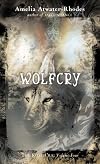
When going through my data imported from Goodreads I was surprised to realize that when I entered this book there (probably more than ten years ago) I had rated it a 2. Presumably this was because Amelia Atwater-Rhodes books are pretty trashy and I was embarrassed. But you know what, this book going for the surprise f/f ending was a formative experience for me and I still think about it a lot, and I really appreciate it for that.
Lists
Awards


You May Also Like


Associated Authors
Statistics
- Works
- 25
- Also by
- 1
- Members
- 11,614
- Popularity
- #2,025
- Rating
- 3.8
- Reviews
- 225
- ISBNs
- 154
- Languages
- 5
- Favorited
- 55

