
Bridget Foley (2) (1977–)
Author of Hugo & Rose
For other authors named Bridget Foley, see the disambiguation page.
About the Author
Bridget Foley is the executive editor and chief style critic of W magazine and Womens Wear Daily.
Works by Bridget Foley
Tagged
Common Knowledge
- Birthdate
- 1977-12-19
- Gender
- female
- Education
- New York University, Tisch School of the Arts
- Occupations
- screenwriter
- Places of residence
- Denver, Colorado, USA
New York, New York, USA
Los Angeles, California, USA
Seattle, Washington, USA - Associated Place (for map)
- USA
Members
Reviews
Every night since she was six, Rose has dreamed of an island and someone called Hugo. She remembers these dreams with the clarity of memory, not like regular dreams at all. Adult Rose is married to Josh, a surgeon, and has three kids; she is happy enough, but then she meets Hugo in real life, each of them shocked to recognize the other. Real-life Hugo and Rose aren't their idealized dream counterparts, but they are connected, and their connection in their waking lives begins to change their show more dream world in ominous ways. Their real lives turn dark - even sinister - and complicated as well, until at last they discover what brought them together in the first place.
Hints of Griffin & Sabine, trauma, quantum entanglement, and a blurring between the dreamworld and the real world make for a gripping, sometimes uncomfortable read, but there is a satisfying conclusion.
Quotes
Why talk about things they didn't have the energy to change? (47)
She didn't want to be who she was when she was who she was. (72)
But she was witness, defense, prosecution, and judge to herself - and no matter what character evidence she gave, she always knew the truth. (106)
"How much is anyone really themselves in their dreams?" (Hugo to Rose, 119)
Why had the universe conspired to send her dreams of the same person every night of her life and then present him to her now, when there was nothing to be done about it? When her life was already locked into place. Her husband chosen. Children born....How inconvenient it all was. To meet the man from her dreams now. (169)
And there it was. The old resentment. The unstated truth of their lives. (178)
But life must go on. Children must be tended to, no matter how much pain their mothers are in. (203)
...now she understood that she preferred her reality to any other life. That she would never want to change it. (262)
"Maybe that's what dreams are...But we're supposed to wake up from our dreams. Our dreams are supposed to help us live our lives...not keep us from living them." (Rose to Hugo, 331-332) show less
Hints of Griffin & Sabine, trauma, quantum entanglement, and a blurring between the dreamworld and the real world make for a gripping, sometimes uncomfortable read, but there is a satisfying conclusion.
Quotes
Why talk about things they didn't have the energy to change? (47)
She didn't want to be who she was when she was who she was. (72)
But she was witness, defense, prosecution, and judge to herself - and no matter what character evidence she gave, she always knew the truth. (106)
"How much is anyone really themselves in their dreams?" (Hugo to Rose, 119)
Why had the universe conspired to send her dreams of the same person every night of her life and then present him to her now, when there was nothing to be done about it? When her life was already locked into place. Her husband chosen. Children born....How inconvenient it all was. To meet the man from her dreams now. (169)
And there it was. The old resentment. The unstated truth of their lives. (178)
But life must go on. Children must be tended to, no matter how much pain their mothers are in. (203)
...now she understood that she preferred her reality to any other life. That she would never want to change it. (262)
"Maybe that's what dreams are...But we're supposed to wake up from our dreams. Our dreams are supposed to help us live our lives...not keep us from living them." (Rose to Hugo, 331-332) show less
This book was . . . not quite what I was expecting.
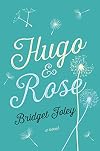
To start, the cover is just so whimsical. Reading the description — about a stay-at-home mom who has dreamed of the same man and their adventures every night since childhood — made me think of the imaginary friends who once accompanied me at recess, lending an ear to all my troubles and taking my side in sister fights.
But this was . . . darker. Textured. Nuanced. I liked that, but it startled me. In a good way, perhaps? It’s not too show more often that I’m left with such mixed feelings on a story. Have I been ambivalent about a novel in the past? Absolutely. But I’m not suffering from a lack of opinion on Hugo & Rose — just a lack of clarity.
So Rose — our dear, troubled Rose — is in a bit of a rut. She deeply loves Josh, her doctor husband, and their three children — but Josh’s hours are long and his attention short, and the boys can be a bit much to handle. Now in her mid-thirties, Rose struggles to believe she’s an aimless woman with a baby on her hip. It’s in her dreams that she finds relief, escape, fulfillment: her dreams with Hugo.
After a bike accident knocks her unconscious as a child, Rose finds herself on Hugo’s island locked in eternal struggle to get to a glistening city on the horizon. Like “Lost” without the other castaways, Rose and Hugo help each other fight off enemies and battle evil forces — both seen and unseen. While they start their time there as kids, they grow together into adulthood. No matter how they may look in reality, their island selves are strong, lean, tan. More beautiful. Powerful.
Following a kids’ soccer match in a nearby Colorado town, Rose succumbs to temptation and takes her bawling boys for fast food on their drive home. It’s there that she first sees Hugo perched in a take-out window, hunched and weary at work. He’s thicker in the middle, balding, less enigmatic — but definitely Hugo.
Hugo in real life.
Shocked and inexplicably drawn to this strange not-stranger, Rose tumbles down an obsessive path. Foley excelled at showing Rose’s deepening preoccupation with this man, eventually demonstrating what can happen when reality and fantasy collide. There is a touch of magical realism to Hugo & Rose — a little suspension of disbelief. But Foley is a talented writer, and I felt the transitions between the island and reality were well done.
While I didn’t always like Rose, I did appreciate her challenges and nuanced personality. Who hasn’t longed to feel like a better, stronger version of themselves? I could sense her physical and mental exhaustion in Foley’s descriptions, feeling a very suburban desperation in it all. That’s why sleep is so welcome for Rose . . . well, until it isn’t.
The story becomes increasingly sinister — almost frightening. While I didn’t always enjoy it, I was invested in the characters’ fates and racing to finish. At times I wanted to slap some sense into Rose, desperately not wanting her to ruin everything good and whole in her life, but our heroine has spent so much time feeling powerful on an island and powerless in reality; it’s easy to see why escapism appeals to her.
The twists and turns were not ones I saw coming. Though I wondered how the island would be explained, of course, I wasn’t preoccupied with knowing all the hows and whys. It’s fiction, not science. Hugo’s back story is a fascinating, tragic one, but I was glad that Foley never took the easy route to cast him entirely as a villain. No one here is a saint, and no one just a sinner.
I wasn’t always in love with the story, but Foley made me care about her characters. There’s no denying Hugo & Rose makes — and leaves — an impression. show less
To start, the cover is just so whimsical. Reading the description — about a stay-at-home mom who has dreamed of the same man and their adventures every night since childhood — made me think of the imaginary friends who once accompanied me at recess, lending an ear to all my troubles and taking my side in sister fights.
But this was . . . darker. Textured. Nuanced. I liked that, but it startled me. In a good way, perhaps? It’s not too show more often that I’m left with such mixed feelings on a story. Have I been ambivalent about a novel in the past? Absolutely. But I’m not suffering from a lack of opinion on Hugo & Rose — just a lack of clarity.
So Rose — our dear, troubled Rose — is in a bit of a rut. She deeply loves Josh, her doctor husband, and their three children — but Josh’s hours are long and his attention short, and the boys can be a bit much to handle. Now in her mid-thirties, Rose struggles to believe she’s an aimless woman with a baby on her hip. It’s in her dreams that she finds relief, escape, fulfillment: her dreams with Hugo.
After a bike accident knocks her unconscious as a child, Rose finds herself on Hugo’s island locked in eternal struggle to get to a glistening city on the horizon. Like “Lost” without the other castaways, Rose and Hugo help each other fight off enemies and battle evil forces — both seen and unseen. While they start their time there as kids, they grow together into adulthood. No matter how they may look in reality, their island selves are strong, lean, tan. More beautiful. Powerful.
Following a kids’ soccer match in a nearby Colorado town, Rose succumbs to temptation and takes her bawling boys for fast food on their drive home. It’s there that she first sees Hugo perched in a take-out window, hunched and weary at work. He’s thicker in the middle, balding, less enigmatic — but definitely Hugo.
Hugo in real life.
Shocked and inexplicably drawn to this strange not-stranger, Rose tumbles down an obsessive path. Foley excelled at showing Rose’s deepening preoccupation with this man, eventually demonstrating what can happen when reality and fantasy collide. There is a touch of magical realism to Hugo & Rose — a little suspension of disbelief. But Foley is a talented writer, and I felt the transitions between the island and reality were well done.
While I didn’t always like Rose, I did appreciate her challenges and nuanced personality. Who hasn’t longed to feel like a better, stronger version of themselves? I could sense her physical and mental exhaustion in Foley’s descriptions, feeling a very suburban desperation in it all. That’s why sleep is so welcome for Rose . . . well, until it isn’t.
The story becomes increasingly sinister — almost frightening. While I didn’t always enjoy it, I was invested in the characters’ fates and racing to finish. At times I wanted to slap some sense into Rose, desperately not wanting her to ruin everything good and whole in her life, but our heroine has spent so much time feeling powerful on an island and powerless in reality; it’s easy to see why escapism appeals to her.
The twists and turns were not ones I saw coming. Though I wondered how the island would be explained, of course, I wasn’t preoccupied with knowing all the hows and whys. It’s fiction, not science. Hugo’s back story is a fascinating, tragic one, but I was glad that Foley never took the easy route to cast him entirely as a villain. No one here is a saint, and no one just a sinner.
I wasn’t always in love with the story, but Foley made me care about her characters. There’s no denying Hugo & Rose makes — and leaves — an impression. show less
Part family story part fantasy, this book is well-written as it describes the fantasy dream world of Rose, a wife and mother who is struggling to balance an active dream world at night and her real family life during the day. Since a traumatic head injury at the age of five that left Rose in a coma for a week, Rose has dreamed exclusively of an island fantasy world where she and a boy named Hugo eat pink seashells, battle monsters and try to get to a city that is encased in a protective show more bubble. When Rose randomly meets the man she believes to be her dream-friend Hugo one day, she is fascinated to the point where figuring out who this man is and why she is in his dreams consumes her every waking and sleeping moment. Shattering her happy family, Rose stalks Hugo until she finally decides to approach him and realizes he knows who she is through their dreams as well. Their meeting in real life turns their dreams, which up until that point had been a source of happiness for both of them, into nightmares that scare Rose beyond belief. This relationship sends Rose off the rails to the point where it's difficult for the reader to empathize with her anymore, where she almost loses everything that she realizes is most important to her. I enjoyed the creativity of this story and enjoyed that it was a pretty quick read because I didn't want to wait to see how it turned out. Thank you for the copy via First Reads. show less
I was initially drawn to this book for its creative synopsis (as well as, let's face it, its beautiful cover), and while it isn't everything I hoped for it to be, it definitely surprised me in many areas, and I'm glad I was able to give it a chance.
Rose is a jaded housewife—a self-admitted "bad" mother and wife who hates tending to her kids and putting up with her loyal husband, but feels obligated to, in order to be a "good" person. Approaching middle age, she's not attractive, not show more strong, and feels like she isn't fulfilling anything, except for when she is asleep, in her nightly dreams, where she is a brave, slender adventurer with a handsome lifelong companion, Hugo.
When Rose encounters Hugo unexpectedly, jarringly, in her waking life, any literary audience would anticipate drama and threat to her mediocre living to unfold. True to expectation, this is a story about an ordinary woman with an extraordinary condition that follows the dangers of fantastical obsessions and idealized prospects when they intervene with real life.
While narrated in close third person, Rose is a very distant, detached character. I didn't necessarily not like her, and because she herself acknowledges her extreme defects (such as neglecting her children, pushing away her husband, Josh, etc.), I felt like she was somewhat relatable as a character who hasn't yet discovered herself, someone who just wants something more out of life. However, the path to her foolish decisions seemed very unnatural; I personally found myself wondering what was wrong with her inability to ever be rational.
One major thing that irked me was how Josh, Rose's husband, is an extremely two-dimensional character; more a plot device than anything. You would think that a literary/family story would incorporate more intimacy or complexity regarding the marriage or husband—the more you have, the more to lose—but he seemed thoroughly flat. What bothered me the most is that Foley relies on Josh (not completely, but heavily) to convey Rose's appearance and personality; he's constantly talking about how beautiful and wonderful a wife she is (which I personally couldn't see...) but it was a major point-of-view inconsistency, as the narrative is meant to be immediate to Rose.
Rose's obsessive, narrow-minded search for finding out what she really wants through incorporating Hugo into her waking life, when it's clear he was meant to only stay in her dreams, takes the thriller route in the last 25% of the book, which I didn't foresee at all, but still ate up every bit. The pure domestic suspense that expands into an actual struggle between life or death is flawlessly executed, and it was certainly my favorite part.
The interpretation of how Rose and Hugo are actually connected is beautiful, and quite haunting as well (I won't give it away, as it's a huge "aha!" scene in the book). The fantasy layer of the story drew me in at first, but I still appreciate how a real-life explanation was still provided; readers will find it moving, or interesting at least.
Pros: Unique plot, unlike anything I've ever come across before // Vividly imagined // Children are well characterized and lovable // Overall fascinating concept of connecting with another real-life person in dreams // Seamless backstory incorporated
Cons: Rose's character... I could relate to her in some respects but hated her most of the time because of her socially inept/questionable decision-making // Josh's character (Rose's husband) seemed like a plot device more than an actual person // Many clichéd phrases scattered throughout so-so quality writing // Very odd POV shifts
Verdict: Uniquely imagined and poignant in its implications about the human subconscious, Hugo and Rose is not your average things-fall-apart literary novel. Incorporating the fantastical element of dreams and a thrilling twist of a climax, it is captivating and thoroughly original, although not without faults. Looking past the annoying characters and problems I had with the narrative voice, I would definitely recommend Bridget Foley's debut for fans of strange but wondrous plots and blurry distinctions between dream and reality. It runs in the vein of magical realism, which in literature, is actually quite difficult to pull off, as Foley has.
Rating: 7 out of 10 hearts (3.5 stars): Not perfect, but overall enjoyable; borrow, don't buy!
Source: Complimentary copy provided by publisher in exchange for an honest and unbiased review (thank you, St. Martin's Press!) show less
Rose is a jaded housewife—a self-admitted "bad" mother and wife who hates tending to her kids and putting up with her loyal husband, but feels obligated to, in order to be a "good" person. Approaching middle age, she's not attractive, not show more strong, and feels like she isn't fulfilling anything, except for when she is asleep, in her nightly dreams, where she is a brave, slender adventurer with a handsome lifelong companion, Hugo.
When Rose encounters Hugo unexpectedly, jarringly, in her waking life, any literary audience would anticipate drama and threat to her mediocre living to unfold. True to expectation, this is a story about an ordinary woman with an extraordinary condition that follows the dangers of fantastical obsessions and idealized prospects when they intervene with real life.
While narrated in close third person, Rose is a very distant, detached character. I didn't necessarily not like her, and because she herself acknowledges her extreme defects (such as neglecting her children, pushing away her husband, Josh, etc.), I felt like she was somewhat relatable as a character who hasn't yet discovered herself, someone who just wants something more out of life. However, the path to her foolish decisions seemed very unnatural; I personally found myself wondering what was wrong with her inability to ever be rational.
One major thing that irked me was how Josh, Rose's husband, is an extremely two-dimensional character; more a plot device than anything. You would think that a literary/family story would incorporate more intimacy or complexity regarding the marriage or husband—the more you have, the more to lose—but he seemed thoroughly flat. What bothered me the most is that Foley relies on Josh (not completely, but heavily) to convey Rose's appearance and personality; he's constantly talking about how beautiful and wonderful a wife she is (which I personally couldn't see...) but it was a major point-of-view inconsistency, as the narrative is meant to be immediate to Rose.
Rose's obsessive, narrow-minded search for finding out what she really wants through incorporating Hugo into her waking life, when it's clear he was meant to only stay in her dreams, takes the thriller route in the last 25% of the book, which I didn't foresee at all, but still ate up every bit. The pure domestic suspense that expands into an actual struggle between life or death is flawlessly executed, and it was certainly my favorite part.
The interpretation of how Rose and Hugo are actually connected is beautiful, and quite haunting as well (I won't give it away, as it's a huge "aha!" scene in the book). The fantasy layer of the story drew me in at first, but I still appreciate how a real-life explanation was still provided; readers will find it moving, or interesting at least.
Pros: Unique plot, unlike anything I've ever come across before // Vividly imagined // Children are well characterized and lovable // Overall fascinating concept of connecting with another real-life person in dreams // Seamless backstory incorporated
Cons: Rose's character... I could relate to her in some respects but hated her most of the time because of her socially inept/questionable decision-making // Josh's character (Rose's husband) seemed like a plot device more than an actual person // Many clichéd phrases scattered throughout so-so quality writing // Very odd POV shifts
Verdict: Uniquely imagined and poignant in its implications about the human subconscious, Hugo and Rose is not your average things-fall-apart literary novel. Incorporating the fantastical element of dreams and a thrilling twist of a climax, it is captivating and thoroughly original, although not without faults. Looking past the annoying characters and problems I had with the narrative voice, I would definitely recommend Bridget Foley's debut for fans of strange but wondrous plots and blurry distinctions between dream and reality. It runs in the vein of magical realism, which in literature, is actually quite difficult to pull off, as Foley has.
Rating: 7 out of 10 hearts (3.5 stars): Not perfect, but overall enjoyable; borrow, don't buy!
Source: Complimentary copy provided by publisher in exchange for an honest and unbiased review (thank you, St. Martin's Press!) show less
Lists
Statistics
- Works
- 1
- Members
- 82
- Popularity
- #220,760
- Rating
- 2.7
- Reviews
- 10
- ISBNs
- 17
- Languages
- 3