
Benjamin Myers (3) (1976–)
Author of The Offing
For other authors named Benjamin Myers, see the disambiguation page.
Benjamin Myers (3) has been aliased into Ben Myers.
Series
Works by Benjamin Myers
Works have been aliased into Ben Myers.
Associated Works
Works have been aliased into Ben Myers.
Tagged
Common Knowledge
- Birthdate
- 1976-01-10
- Gender
- male
- Nationality
- UK
- Birthplace
- Durham, County Durham, England, UK
- Map Location
- England, UK
Members
Reviews
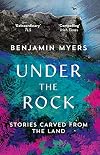
‘’Let things settle. Let tress reach downwards, their curling roots grasping deep into the underworld. Let weeds wander, and life crawl and colonise and entangle.
Let the seasons set the pace. Months, not minutes.
Decades, not days.
See a century that feels like a second. Let life breathe.’’
What is the first image that comes to your mind when you think of the word ‘’moors’’? Mine is the untamed scenery of a land that stretches from horizon to horizon, of rocks and fens and a show more wild dark-haired girl running. Yes, my vision of the moors was born long ago, when I first read Wuthering Heights and discovered the wealth of British Literature. I imagine the crows and the ravens, abandoned abbeys, a dog howling in the night. The Hound of the Baskervilles, the works of Thomas Hardy, even the brilliant 2018 film Ghost Stories by Jeremy Dyson and Andy Nyman. The moors are bound to the British culture and way of life. In Under the Rock, Benjamin Myers pays a tremendously beautiful homage to the North, the nature, the legends, the danger and the mysticism and shows how we destroy the very thing that nurtures us so freely.
‘’This way ghosts were born: in wooded dells, down dark lanes of hedgerow and holloway, across clouded fields, when drank men took fright of the unblinking brilliant xanthous eyes of an ice-white barn owl in flight [...] the nocturnal call of the owl runs the length of the woods and permeates the dreams of those of us who live close by, prone under duck dawn, the night world at our window.’’
Following the musings of Ted Hughes, Myers is our guide on a journey to Scout Rock, Mytholmroyd and the land of Yorkshire, mystical, untamed, rebellious. A shudderingly beautiful introduction by Benjamin Myers paves the way for our visit to the North where we witness an exciting and poignant cycle that starts again and again. Myers leaves London behind, the metropolis that has become practically hostile to its residents, and moves to a land full of striking omens and dark signs, a land where people disappear or kill themselves. A land made of dark November nights, a land that gave birth to a masterpiece and to a character as fascinating as he is controversial. Naturally, I am referring to Wuthering Heights and Heathcliff whose ‘’mother’’, Emily Brontë, is by definition the patron goddess of the moors.
‘’The moor, [...] where strange things happen, and have done so for centuries.’’
People go missing, stories of strange occurrences, otherworldly creatures, animals, fairies, ghosts, elements of a pagan era. And in Northumberland, the spectral Roman soldiers still guard Hadrian’s Wall, the witness of a violent supremacy that left its mark on our world forever, Can we image Heathcliff wandering those forests, determined and outraged? What could have gone through Emily’s mind during his ‘’conception’’? Can the mystery of the hero’s lost years be found close to the haunting moors? No, we will never come to know. This is one more secret buried in this wild place…
‘’Now imagine man coming here.
Imagine man coming with pickaxes and chisels.
Imagine man coming with jackhammers and flak jackets.
Imagine man coming with dynamite and diggers and drills.’’
Industry is destroying a land where kings have walked, defining Britain’s past and course in History. The residents fight against the wrath of nature that punishes us for our disrespect and arrogance. Myers wisely stretches the excessively harmful presence of the Man that has violated a beautiful place. His chronicle of the floods that struck the area is powerful and frightening. What I found extremely interesting is his thoughts over a different aspect of the human presence in the North. The potential influence that nature exerts on the residents. He refers to brooding, rebellious literary figures and notorious real-life serial killers. Can a place acquire a tradition of giving birth to wild characters, even criminals?
‘’England is an idea in constant reinvention,
A concept kept fluid, an abstract Albion.
Of falling fences. Dying ideas. Arrogance,
Deceit and grave delusion. Of mud flax.’’
Wood, Earth, Water, Rock...A journey elemental, luscious, dark, seductive, misty, haunting, captivating like the moors in the twilight, like the Northern nature after the rain. I travelled to a place of unique beauty, to a land that narrates a thousand stories within these marvelous pages.This is a book which Emily Brontë would have chosen to accompany her in one of her long walks in the moors. A book that would grace Dickens’ library, a book that would inspire Arthur Conan Doyle and Thomas Hardy.
‘’Because on a night like this the moon is intoxicating. It can make a person unsteady on their legs, and the blood fizz in the ears. It creates a thirst, a hunger, an appetite. A need. The hunter’s moon is so called because it was deemed the best time for hunting parties to pursue their quarry. In towns across the land nightclub bouncers and police always find their hands particularly full on such nights.’’
Many thanks to Benjamin Myers, Alison Menzies and Elliott & Thompson for the finished copy.
My reviews can also be found on https://theopinionatedreaderblog.wordpress.com/ show less
Let the seasons set the pace. Months, not minutes.
Decades, not days.
See a century that feels like a second. Let life breathe.’’
What is the first image that comes to your mind when you think of the word ‘’moors’’? Mine is the untamed scenery of a land that stretches from horizon to horizon, of rocks and fens and a show more wild dark-haired girl running. Yes, my vision of the moors was born long ago, when I first read Wuthering Heights and discovered the wealth of British Literature. I imagine the crows and the ravens, abandoned abbeys, a dog howling in the night. The Hound of the Baskervilles, the works of Thomas Hardy, even the brilliant 2018 film Ghost Stories by Jeremy Dyson and Andy Nyman. The moors are bound to the British culture and way of life. In Under the Rock, Benjamin Myers pays a tremendously beautiful homage to the North, the nature, the legends, the danger and the mysticism and shows how we destroy the very thing that nurtures us so freely.
‘’This way ghosts were born: in wooded dells, down dark lanes of hedgerow and holloway, across clouded fields, when drank men took fright of the unblinking brilliant xanthous eyes of an ice-white barn owl in flight [...] the nocturnal call of the owl runs the length of the woods and permeates the dreams of those of us who live close by, prone under duck dawn, the night world at our window.’’
Following the musings of Ted Hughes, Myers is our guide on a journey to Scout Rock, Mytholmroyd and the land of Yorkshire, mystical, untamed, rebellious. A shudderingly beautiful introduction by Benjamin Myers paves the way for our visit to the North where we witness an exciting and poignant cycle that starts again and again. Myers leaves London behind, the metropolis that has become practically hostile to its residents, and moves to a land full of striking omens and dark signs, a land where people disappear or kill themselves. A land made of dark November nights, a land that gave birth to a masterpiece and to a character as fascinating as he is controversial. Naturally, I am referring to Wuthering Heights and Heathcliff whose ‘’mother’’, Emily Brontë, is by definition the patron goddess of the moors.
‘’The moor, [...] where strange things happen, and have done so for centuries.’’
People go missing, stories of strange occurrences, otherworldly creatures, animals, fairies, ghosts, elements of a pagan era. And in Northumberland, the spectral Roman soldiers still guard Hadrian’s Wall, the witness of a violent supremacy that left its mark on our world forever, Can we image Heathcliff wandering those forests, determined and outraged? What could have gone through Emily’s mind during his ‘’conception’’? Can the mystery of the hero’s lost years be found close to the haunting moors? No, we will never come to know. This is one more secret buried in this wild place…
‘’Now imagine man coming here.
Imagine man coming with pickaxes and chisels.
Imagine man coming with jackhammers and flak jackets.
Imagine man coming with dynamite and diggers and drills.’’
Industry is destroying a land where kings have walked, defining Britain’s past and course in History. The residents fight against the wrath of nature that punishes us for our disrespect and arrogance. Myers wisely stretches the excessively harmful presence of the Man that has violated a beautiful place. His chronicle of the floods that struck the area is powerful and frightening. What I found extremely interesting is his thoughts over a different aspect of the human presence in the North. The potential influence that nature exerts on the residents. He refers to brooding, rebellious literary figures and notorious real-life serial killers. Can a place acquire a tradition of giving birth to wild characters, even criminals?
‘’England is an idea in constant reinvention,
A concept kept fluid, an abstract Albion.
Of falling fences. Dying ideas. Arrogance,
Deceit and grave delusion. Of mud flax.’’
Wood, Earth, Water, Rock...A journey elemental, luscious, dark, seductive, misty, haunting, captivating like the moors in the twilight, like the Northern nature after the rain. I travelled to a place of unique beauty, to a land that narrates a thousand stories within these marvelous pages.This is a book which Emily Brontë would have chosen to accompany her in one of her long walks in the moors. A book that would grace Dickens’ library, a book that would inspire Arthur Conan Doyle and Thomas Hardy.
‘’Because on a night like this the moon is intoxicating. It can make a person unsteady on their legs, and the blood fizz in the ears. It creates a thirst, a hunger, an appetite. A need. The hunter’s moon is so called because it was deemed the best time for hunting parties to pursue their quarry. In towns across the land nightclub bouncers and police always find their hands particularly full on such nights.’’
Many thanks to Benjamin Myers, Alison Menzies and Elliott & Thompson for the finished copy.
My reviews can also be found on https://theopinionatedreaderblog.wordpress.com/ show less
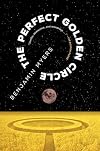
The summer of ‘89, the crop circle summer, summer of drought and hysteria; an overheated decade waning into an uncertain transitional time. Ben Myers’s prose is sometimes overheated too, but that’s the only imperfection in this strangely soothing novel that's somehow both grounded and ecstatic. The story takes us behind the curtain of the crop circle as we follow two men on the margins of society — Calvert, a PTSD'd ex-SAS guy, and Redbone, a disillusioned crusty — through their show more season of increasingly extravagant clandestine field creations in deepest Wiltshire. Each new and more elaborate circle ratchets the fervid public atmosphere a little further, as reflected in the interspersed clippings from the local, then national, then global press.
The crop circle phenomenon was a rural version of Banksy’s anonymous art that could only have emerged when and where it did. It acted as a rebuttal to the materialistic 80's, drawing people's eyes away from their bank balances and down to the earth or, in search of extraterrestrial artists, up to the skies, in the same way Banksy counters the inchoate British control- and surveillance-state. This is very much a vibes novel, breathing the atmosphere of a specific time and place, but in doing so it says a lot about the nature of friendship and art. The circles are ephemeral, gone in days, but they echo the megalithic stone circles that dot the same landscape, the ultimate expression of ars longa. The art is transient but the canvas is eternal. Calvert and Redbone have little in common except a distrust of authority and their shared mission, and you worry for their future and that of their friendship when the harvest brings that mission to an end.
It's a novel about the land, our relationship to it and our use and misuse of it. Everyone wants to profit from the land — the farmers from their crop, the landowners from rent, the hucksters selling admission to see the miraculous circles, the fly-tippers, fellow noctambulists, by illegaly descrating it. Only the artists, careful not to damage the crop in the course of their artistry, seem to eschew the notion that land is a resource to be exploited.
It's also — and this is what I liked best about it — a novel about the magic of nocturnal activity. The night after all is the time of dreams and creation. God had his creational brainwave in darkness, the Big Bang proceeded from darkness, and nighttime is the commonest time for people to create new people (or just recreate, like the trio of doggers our heroes stumble across while returning from a night's work). The moonlit lucubrations of the artist in his garret, or these days in the wan light of a screen when everyone else is abed, the toils of the elves for the shoemaker — all this seems true and fitting. The stillness of the night seems pregnant, fecund, rich with possibility. When you ride a bicycle in the dark, everything feels faster, freer, easier, as if some impediment inherent to daylight has been removed. All the real action of the book takes place at night. I think it's also a book about the normality of night, away from the insanity of day. The comforts of the occult, of being hidden among other hidden things. And I think some of the book's nostalgic allure comes from how it evokes the normality of the period relative to our era of total and hyperconnected visibility.
The Perfect Golden Circle covers a surprising lot of ground in its ~200 pages, most of which are just two blokes tromping through fields, and it has a sense of humour, too. show less
The crop circle phenomenon was a rural version of Banksy’s anonymous art that could only have emerged when and where it did. It acted as a rebuttal to the materialistic 80's, drawing people's eyes away from their bank balances and down to the earth or, in search of extraterrestrial artists, up to the skies, in the same way Banksy counters the inchoate British control- and surveillance-state. This is very much a vibes novel, breathing the atmosphere of a specific time and place, but in doing so it says a lot about the nature of friendship and art. The circles are ephemeral, gone in days, but they echo the megalithic stone circles that dot the same landscape, the ultimate expression of ars longa. The art is transient but the canvas is eternal. Calvert and Redbone have little in common except a distrust of authority and their shared mission, and you worry for their future and that of their friendship when the harvest brings that mission to an end.
It's a novel about the land, our relationship to it and our use and misuse of it. Everyone wants to profit from the land — the farmers from their crop, the landowners from rent, the hucksters selling admission to see the miraculous circles, the fly-tippers, fellow noctambulists, by illegaly descrating it. Only the artists, careful not to damage the crop in the course of their artistry, seem to eschew the notion that land is a resource to be exploited.
It's also — and this is what I liked best about it — a novel about the magic of nocturnal activity. The night after all is the time of dreams and creation. God had his creational brainwave in darkness, the Big Bang proceeded from darkness, and nighttime is the commonest time for people to create new people (or just recreate, like the trio of doggers our heroes stumble across while returning from a night's work). The moonlit lucubrations of the artist in his garret, or these days in the wan light of a screen when everyone else is abed, the toils of the elves for the shoemaker — all this seems true and fitting. The stillness of the night seems pregnant, fecund, rich with possibility. When you ride a bicycle in the dark, everything feels faster, freer, easier, as if some impediment inherent to daylight has been removed. All the real action of the book takes place at night. I think it's also a book about the normality of night, away from the insanity of day. The comforts of the occult, of being hidden among other hidden things. And I think some of the book's nostalgic allure comes from how it evokes the normality of the period relative to our era of total and hyperconnected visibility.
The Perfect Golden Circle covers a surprising lot of ground in its ~200 pages, most of which are just two blokes tromping through fields, and it has a sense of humour, too. show less
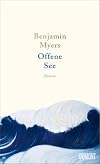
Es gibt Bücher, da hat man noch nicht mal eine Seite gelesen und ist sich trotzdem sicher: Mit dieser Lektüre wird man sich wohl fühlen, sogar sehr wohl. Und so war es bei 'Offene See'.
Die Geschichte selbst ist eher unspektakulär: Der II. Weltkrieg ist gerade vorbei, als sich der 16jährige Robert aufmacht, die Welt zu erkunden. Aufgewachsen im Norden Englands in einem armen Bergarbeiterdorf scheint sein Leben vorherbestimmt zu sein wie das seines Vaters und seines Großvaters und all show more der Nachbarn um ihn herum: Unter Tage zu arbeiten um Kohle zu fördern. Doch in ihm wächst das Fernweh und die Lust auf ein Leben, das nicht bestimmt ist vom grauschwarzen Staub der Kohle. Mit nichts als einem Rucksack und etwas Verpflegung macht er sich auf Richtung Süden, zu Fuß durch das zerstörte England. Fast am Meer angelangt, trifft er auf die ältere Dulcie, eine allein lebende, unkonventionelle Frau, die ihm ein Leben zeigt, das so völlig anders ist als alles, was er bislang kannte.
Nein, hier geht es nicht um eine Liebesgeschichte 'ältere Frau verführt jungen Mann', sondern um eine Freundschaft im besten Sinne. Dulcie lässt Robert auf ihrem Grundstück übernachten und bei gemeinsamen Essen erzählt sie ihm von einer Welt und ihren Möglichkeiten, die er teilweise nicht einmal vom Hörensagen kennt. Sie bestärkt ihn, sich eigene Gedanken zu machen über das, was ER vom Leben erwartet, und nicht was seine Eltern wünschen; zeigt ihm Möglichkeiten auf, die er nutzen kann; und ermuntert ihn, seinen eigenen Weg zu gehen.
Robert, der als alter Mann seine Geschichte im Rückblick erzählt, macht dies auf eine so einfühlsame Weise, dass ich mich mit dem Sechzehnjährigen eng verbunden fühlte. Die Entwicklung seiner Persönlichkeit vollzieht sich in jenem Sommer so eindrucksvoll und vielversprechend, dass man sich für jeden jungen Menschen eine Dulcie an seine Seite wünscht.
Doch es ist nicht nur Roberts Entwicklung, die dieses Buch so lesenswert macht. All seine Sinne (sehen, hören, riechen, fühlen) nehmen die Welt überaus deutlich war und geben sie ebenso detailliert, farbig und lebendig wieder, sodass einem dieses Nachkriegsengland im Frühsommer fast vorkommt wie ein Garten Eden. Beispielsweise dieser kleine Absatz über Honig und Bienen (der allerdings von Dulcie ist ;-)): "Weil Honig flüssige Poesie ist. Er ist wie ein Scheibchen Sonne auf deinem Brot. Er ist die Essenz der Natur - die Essenz von Land und Insekt und Mann oder Frau, die in vollkommener symbiotischer Harmonie zusammenarbeiten. Bienen sind wahre Wunderwesen, die unermüdlich Pollen in Gold verwandeln." Oder "Da war das polyphone, gurrende Zweinoten-Mantra von zwei rastenden Ringeltauben, eine in der Nähe, die andere weiter weg, Doppelklänge der Zufriedenheit. Darüber das kleinliche Gezanke eines Möwenschwarms, ..."). Auch sonst gibt es reihenweise Sätze und Abschnitte, die ich mir am liebsten abschreiben und an die Wand heften würde (gäbe es noch Platz ;)), wie beispielsweise "Denn niemand gewinnt einen Krieg wirklich; manche verlieren bloß ein bisschen weniger als andere." Oder "Zeit war wertvoller geworden. Sie war das Einzige, das wir in Hülle und Fülle besaßen, obwohl der Krieg uns gelehrt hatte, dass auch sie eine begrenzte Ressource war und dass es eine der größten Sünden war, sie unklug zu verbringen oder verschwenderisch mit ihr umzugehen."
Ein Buch, das man (ich) sicherlich mehrmals lesen kann - und jedes Mal wieder mit Gewinn. show less
Die Geschichte selbst ist eher unspektakulär: Der II. Weltkrieg ist gerade vorbei, als sich der 16jährige Robert aufmacht, die Welt zu erkunden. Aufgewachsen im Norden Englands in einem armen Bergarbeiterdorf scheint sein Leben vorherbestimmt zu sein wie das seines Vaters und seines Großvaters und all show more der Nachbarn um ihn herum: Unter Tage zu arbeiten um Kohle zu fördern. Doch in ihm wächst das Fernweh und die Lust auf ein Leben, das nicht bestimmt ist vom grauschwarzen Staub der Kohle. Mit nichts als einem Rucksack und etwas Verpflegung macht er sich auf Richtung Süden, zu Fuß durch das zerstörte England. Fast am Meer angelangt, trifft er auf die ältere Dulcie, eine allein lebende, unkonventionelle Frau, die ihm ein Leben zeigt, das so völlig anders ist als alles, was er bislang kannte.
Nein, hier geht es nicht um eine Liebesgeschichte 'ältere Frau verführt jungen Mann', sondern um eine Freundschaft im besten Sinne. Dulcie lässt Robert auf ihrem Grundstück übernachten und bei gemeinsamen Essen erzählt sie ihm von einer Welt und ihren Möglichkeiten, die er teilweise nicht einmal vom Hörensagen kennt. Sie bestärkt ihn, sich eigene Gedanken zu machen über das, was ER vom Leben erwartet, und nicht was seine Eltern wünschen; zeigt ihm Möglichkeiten auf, die er nutzen kann; und ermuntert ihn, seinen eigenen Weg zu gehen.
Robert, der als alter Mann seine Geschichte im Rückblick erzählt, macht dies auf eine so einfühlsame Weise, dass ich mich mit dem Sechzehnjährigen eng verbunden fühlte. Die Entwicklung seiner Persönlichkeit vollzieht sich in jenem Sommer so eindrucksvoll und vielversprechend, dass man sich für jeden jungen Menschen eine Dulcie an seine Seite wünscht.
Doch es ist nicht nur Roberts Entwicklung, die dieses Buch so lesenswert macht. All seine Sinne (sehen, hören, riechen, fühlen) nehmen die Welt überaus deutlich war und geben sie ebenso detailliert, farbig und lebendig wieder, sodass einem dieses Nachkriegsengland im Frühsommer fast vorkommt wie ein Garten Eden. Beispielsweise dieser kleine Absatz über Honig und Bienen (der allerdings von Dulcie ist ;-)): "Weil Honig flüssige Poesie ist. Er ist wie ein Scheibchen Sonne auf deinem Brot. Er ist die Essenz der Natur - die Essenz von Land und Insekt und Mann oder Frau, die in vollkommener symbiotischer Harmonie zusammenarbeiten. Bienen sind wahre Wunderwesen, die unermüdlich Pollen in Gold verwandeln." Oder "Da war das polyphone, gurrende Zweinoten-Mantra von zwei rastenden Ringeltauben, eine in der Nähe, die andere weiter weg, Doppelklänge der Zufriedenheit. Darüber das kleinliche Gezanke eines Möwenschwarms, ..."). Auch sonst gibt es reihenweise Sätze und Abschnitte, die ich mir am liebsten abschreiben und an die Wand heften würde (gäbe es noch Platz ;)), wie beispielsweise "Denn niemand gewinnt einen Krieg wirklich; manche verlieren bloß ein bisschen weniger als andere." Oder "Zeit war wertvoller geworden. Sie war das Einzige, das wir in Hülle und Fülle besaßen, obwohl der Krieg uns gelehrt hatte, dass auch sie eine begrenzte Ressource war und dass es eine der größten Sünden war, sie unklug zu verbringen oder verschwenderisch mit ihr umzugehen."
Ein Buch, das man (ich) sicherlich mehrmals lesen kann - und jedes Mal wieder mit Gewinn. show less
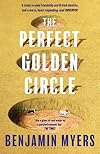
I have very conflicted feelings about this book.
It is a wonderful book, beautifully written. It shows a modern male adult friendship and how positive and supportive it can be, which is something that I haven't come across hardly at all, and certainly not in today's cultural climate. It talks about regular men intentionally creating beauty, and putting hope out into the world, and I loved every bit of it.
Until the end. That ending! The hopelessness of it crushed me; it felt like a betrayal. show more To leave it like that, no redemption, no closure, just a vast uneasiness that we probably know exactly what will happen between the end of this summer and the start of the next. Hopeless and helpless is how the author left us, and I do not understand why.
So then how to see this book, as the beauty or as the betrayal? I finished reading it two days ago and have been trying to sort out my feelings since. show less
Until the end. That ending! The hopelessness of it crushed me; it felt like a betrayal.
So then how to see this book, as the beauty or as the betrayal? I finished reading it two days ago and have been trying to sort out my feelings since.
Lists
Wyrd as Folk (1)
Emily's Reviews (1)
Awards


You May Also Like
Associated Authors
Statistics
- Works
- 20
- Also by
- 8
- Members
- 1,462
- Popularity
- #17,575
- Rating
- 4.0
- Reviews
- 76
- ISBNs
- 100
- Languages
- 6
- Favorited
- 3