
Works by Greg Vandy
26 Songs in 30 Days: Woody Guthrie's Columbia River Songs and the Planned Promised Land in the Pacific Northwest (2016) 27 copies, 3 reviews
Tagged
Common Knowledge
There is no Common Knowledge data for this author yet. You can help.
Members
Reviews
26 Songs in 30 Days: Woody Guthrie's Columbia River Songs and the Planned Promised Land in the Pacific Northwest by Greg Vandy
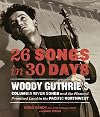
Woody Guthrie was one of the giants of folk music. His songs — from “This Land is Your Land” to “Pastures of Plenty” — have been sung for more than half a century. Passed from singer to singer, they were widely-known even before they were published or recorded. “Roll On, Columbia” was even enshrined as Washington’s official state folk song in 1987. But how that song came about was never entirely clear. Although Guthrie hailed from Oklahoma, his repertoire had many songs show more relating to the Columbia River and the Northwest. He once said that he had written 26 songs in a month there. Which ones? And why?
Those are the questions Greg Vandy’s new book sets out to answer.
Most of the book’s first half is background. Vandy devotes several chapters to establish the mood and motivations of the 1930s. This was the era of the Great Depression and high unemployment. Dust Bowl conditions in the Midwest further disrupted things, displacing farmers and workers westward. Oklahoma-born Woody Guthrie was a refugee of the Dust Bowl. He related to the severe hardships it wrought. His family suffered additional tragedies (from dementia to death by fire) that only added to his pain. In response to the national issues, President Roosevelt launched a series of programs in the hope of creating jobs and building what later generations would call infrastructure. The Columbia Basin Project’s dam-building and irrigation projects in Washington fit these objectives. Guthrie responded to the nation’s woes (and his own) by exploring socialist political thought, writing lyrics expressing the era’s sorrow, and imagining hope for better times.
The two worlds — that of the dam-building projects and the socialist Dust Bowl folksinger — came together in 1941, when the Bonneville Power Administration (BPA) floated the idea of producing a film promoting the benefits of hydroelectricity and irrigation. Guthrie, out of work and barely supporting his family in California, responded to the prospect of a job.
What happened next was a fast-paced 30 days in which the BPA gave the folksinger ample reading material and drove him from Portland to Grand Coulee and to places in between. His job was to compose music for the film. This decades-old story wasn’t completely understood until the 1980s. A worker in Portland discovered a work record for Guthrie in the BPA file archives. More documents turned up. BPA veterans filled in some blanks. Reels of film and sound recordings were found. Even folksinger Pete Seeger helped out when lyrics turned up without music. One researcher rescued a Guthrie file from a conveyor belt moments before it would feed into a government records shredder. Vandy was not on hand for any of those initial discoveries, but he tells the story well. The last chapters of his book pays fair tribute to the researchers who sought to collect and preserve Guthrie’s legacy.
Although the first half of the book may have spent a few too many pages building to Guthrie’s arrival in the Northwest (compared to the pages describing him actually being here), 26 Songs in 30 Days is a quick and enjoyable read. Vandy’s storytelling is effortless and uncomplicated. Like the river, it rolls on. You need not be familiar with Guthrie’s music beforehand to understand the story. Recordings of many songs can be found online. We suggest listening to several as Vandy discusses them; two in particular: “Roll on, Columbia” and “Pastures of Plenty”. (It’s astounding that Guthrie composed the “Roll On, Columbia” in the BPA’s Portland office on the very first afternoon!) Many details are still missing for a complete accounting of the songwriter’s 30 days in the Northwest, but Vandy’s narrative collects the recent research and gives us a much better understanding of it.
Shelf Appeal: This book contributes to the once-vague story of Woody Guthrie in the Northwest. It should be a must-read for anyone interested in the history of American folk music or one of its iconic figures.
-- I wrote this review for the Books section of the Washington state website: http://www.WA-List.com show less
Those are the questions Greg Vandy’s new book sets out to answer.
Most of the book’s first half is background. Vandy devotes several chapters to establish the mood and motivations of the 1930s. This was the era of the Great Depression and high unemployment. Dust Bowl conditions in the Midwest further disrupted things, displacing farmers and workers westward. Oklahoma-born Woody Guthrie was a refugee of the Dust Bowl. He related to the severe hardships it wrought. His family suffered additional tragedies (from dementia to death by fire) that only added to his pain. In response to the national issues, President Roosevelt launched a series of programs in the hope of creating jobs and building what later generations would call infrastructure. The Columbia Basin Project’s dam-building and irrigation projects in Washington fit these objectives. Guthrie responded to the nation’s woes (and his own) by exploring socialist political thought, writing lyrics expressing the era’s sorrow, and imagining hope for better times.
The two worlds — that of the dam-building projects and the socialist Dust Bowl folksinger — came together in 1941, when the Bonneville Power Administration (BPA) floated the idea of producing a film promoting the benefits of hydroelectricity and irrigation. Guthrie, out of work and barely supporting his family in California, responded to the prospect of a job.
What happened next was a fast-paced 30 days in which the BPA gave the folksinger ample reading material and drove him from Portland to Grand Coulee and to places in between. His job was to compose music for the film. This decades-old story wasn’t completely understood until the 1980s. A worker in Portland discovered a work record for Guthrie in the BPA file archives. More documents turned up. BPA veterans filled in some blanks. Reels of film and sound recordings were found. Even folksinger Pete Seeger helped out when lyrics turned up without music. One researcher rescued a Guthrie file from a conveyor belt moments before it would feed into a government records shredder. Vandy was not on hand for any of those initial discoveries, but he tells the story well. The last chapters of his book pays fair tribute to the researchers who sought to collect and preserve Guthrie’s legacy.
Although the first half of the book may have spent a few too many pages building to Guthrie’s arrival in the Northwest (compared to the pages describing him actually being here), 26 Songs in 30 Days is a quick and enjoyable read. Vandy’s storytelling is effortless and uncomplicated. Like the river, it rolls on. You need not be familiar with Guthrie’s music beforehand to understand the story. Recordings of many songs can be found online. We suggest listening to several as Vandy discusses them; two in particular: “Roll on, Columbia” and “Pastures of Plenty”. (It’s astounding that Guthrie composed the “Roll On, Columbia” in the BPA’s Portland office on the very first afternoon!) Many details are still missing for a complete accounting of the songwriter’s 30 days in the Northwest, but Vandy’s narrative collects the recent research and gives us a much better understanding of it.
Shelf Appeal: This book contributes to the once-vague story of Woody Guthrie in the Northwest. It should be a must-read for anyone interested in the history of American folk music or one of its iconic figures.
-- I wrote this review for the Books section of the Washington state website: http://www.WA-List.com show less
26 Songs in 30 Days: Woody Guthrie's Columbia River Songs and the Planned Promised Land in the Pacific Northwest by Greg Vandy
In 1941, Woody Guthrie was hired by the BPA to spend some time in Washington and Oregon and write some songs about Grand Coulee Dam and its benefits, for use in a movie about the same topic. Not all the songs were recorded, but many of those that were, are classics. This book tells the story, both of how Guthrie came to be hired, and what he did and where he went (though not a lot is known of that). It also tells the story about what happened to the movie and the songs (many tapes and films show more destroyed during the red scare). It's a good book with a lot of research and good photographs. Recommended. show less
26 Songs in 30 Days: Woody Guthrie's Columbia River Songs and the Planned Promised Land in the Pacific Northwest by Greg Vandy
Quick history of Woody's time in the Northwest. The illustrations set this work apart, many fantastic period posters and shots of Woody in the area.
Statistics
- Works
- 1
- Members
- 27
- Popularity
- #483,026
- Rating
- 4.7
- Reviews
- 3
- ISBNs
- 2