
Joseph Andras
Author of Tomorrow They Won't Dare to Murder Us
Works by Joseph Andras
Littérature et Révolution 3 copies
Tagged
Common Knowledge
- Birthdate
- 1984
- Gender
- male
- Occupations
- writer
- Nationality
- France
- Places of residence
- Le Havre, France
- Associated Place (for map)
- Le Havre, France
Members
Reviews

Can you enjoy a book that takes as its subject the colonial oppression of a country, explores social narratives which can spin liberationists as either freedom fighters or terrorists, describes the state torture and extra-judicial executions of citizens, and examines government and media complicity in the fomenting of populist support for miscarriages of justice in the name of political expediency? Well, apparently you can when it's as sensitively written as this is.
Andras skillfully show more humanises Fernand Iveson, who was reviled as a terrorist in a France whose 1950s government included Nazi collaborators and former Resistance guerrillas, and who was lauded as a freedom fighter in Algeria. Andras uses flashbacks to Iveson's earlier life to sketch (it's a relatively short book) the development of his class consciousness, and his love affair with his future wife. This one packs an emotional punch.
TW for graphic, non-gratuitous torture scenes. show less
Andras skillfully show more humanises Fernand Iveson, who was reviled as a terrorist in a France whose 1950s government included Nazi collaborators and former Resistance guerrillas, and who was lauded as a freedom fighter in Algeria. Andras uses flashbacks to Iveson's earlier life to sketch (it's a relatively short book) the development of his class consciousness, and his love affair with his future wife. This one packs an emotional punch.
TW for graphic, non-gratuitous torture scenes. show less
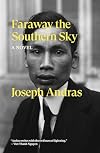
“Martyrs have the bitter privilege of not disappointing: perhaps it’s because Rosa Luxemburg never had the pleasure of being a minister that you noticed her name, not long ago, on the wall of a village in the mountains of Zapatista Chiapas. The magnetism of ruins? The romanticism of trinkets? Nay. Be that as it may: our victories weigh as heavily on our shoulders as our defeats; the defeated enlighten us, but the victors test us. If the rebel intoxicates, the revolutionary impedes: few show more can resist the first—poet at the break of day, pugilist when the sun falls beneath the rocks, escaping in cargo ships or on the roadside, a rusty shooter at his hip, careening heart as large as can be. We like the maverick, the eternal insurgent, fringes and freedom; we like Rimbaud and it costs us little: he’s dead. But we look upon the revolutionary as one might hold a cigarette for the friend who stepped away: not entirely sure what to do with it. It’s that there’s both military and missionary under his skin, ideas undeviating and a world that goes round only if the greats are included together, comrades and enemies alike.”
- Joseph Andras, Faraway the Southern Sky (Translated by Simon Leser) show less
- Joseph Andras, Faraway the Southern Sky (Translated by Simon Leser) show less
This has to be one of the most interesting things I've ever read. Is it fiction? Nonfiction? Is it also some of the best writing I've seen, even if it's a little dense? The answer to all these questions is "yes."
Content warnings:
- Nazism mention
This slim novelette is a fictional, biographical retelling of Hồ Chí Minh's six underground years in Paris in the 1920s, before he became the founder of the French Communist Party and leader of the Vietnamese independence movement. During these show more years, he used between 50-200 pseudonyms to throw off members of the French intelligence; yet, most of what we know about him during this time is based on the almost unbelievable amount of police surveillance dedicated to him. The author of this novel uses those sources, as well as the manifestoes Hồ Chí Minh himself wrote and accounts from neighbors and friends, to fill in the gap of this incredible man's life.
The story is told in second person narration—an interesting made even more so by the fact that the "you" is the author himself as he retraces Hồ Chí Minh's steps. And I'll be honest, the text did confuse me more often than not, making me slow down and reread sections. But the writing was so, so beautiful that to slow down and fully analyze and understand what was written wasn't as annoying as it would be otherwise.
Hồ Chí Minh is a very interesting figure. If anything, this novelette just makes me want to pick up a great big biography about him to learn more. I'm also tempted to look at what else Joseph Andras has written, although I'm also a little intimidated. show less
Content warnings:
- Nazism mention
This slim novelette is a fictional, biographical retelling of Hồ Chí Minh's six underground years in Paris in the 1920s, before he became the founder of the French Communist Party and leader of the Vietnamese independence movement. During these show more years, he used between 50-200 pseudonyms to throw off members of the French intelligence; yet, most of what we know about him during this time is based on the almost unbelievable amount of police surveillance dedicated to him. The author of this novel uses those sources, as well as the manifestoes Hồ Chí Minh himself wrote and accounts from neighbors and friends, to fill in the gap of this incredible man's life.
The story is told in second person narration—an interesting made even more so by the fact that the "you" is the author himself as he retraces Hồ Chí Minh's steps. And I'll be honest, the text did confuse me more often than not, making me slow down and reread sections. But the writing was so, so beautiful that to slow down and fully analyze and understand what was written wasn't as annoying as it would be otherwise.
Hồ Chí Minh is a very interesting figure. If anything, this novelette just makes me want to pick up a great big biography about him to learn more. I'm also tempted to look at what else Joseph Andras has written, although I'm also a little intimidated. show less
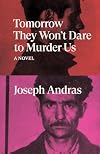
Tomorrow They Won’t Dare to Murder Us by Joseph Andras
Reviewed by Jason Chambers
Joseph Andras’s slim debut novel, winner of the prix Goncourt du Premier Roman (First Novel), is the fictionalization of the story of Fernand Iveton, a pied noir in Algeria in early 1957, during the Algerian War for Independence.
Fernand and Hélène are lovers in Algiers during the Algerian War for Independence (1954-62). When Fernand plants a bomb in the factory where he works, he is quickly arrested, show more tortured, and sentenced to death. Joseph Andras skillfully weaves Fernand and Hélène’s present with their past and presents this single action as a launch point for this brief novel about love, politics, and freedom.
Opening the novel, Fernand meets with his Algerian National Liberation Front (NLF) contact, who gives him two bombs in shoeboxes. Due to the size of his bag, he only takes one, which he hides in the factory. Within hours, revealed by some unknown source, the police arrest him. They are aware of the existence of the second bomb and torture him with increasing brutality to reveal the names and descriptions of his accomplices, as well as the location of the second bomb, the factory where the bombs were made. He knows very little, yet he eventually tells what he knows, while inventing answers for the other questions, to cease the ongoing torture.
While Fernand is held in custody, Hélène supports him by destroying evidence left at home, and undergoing her own interrogation at the police station, albeit under far less duress. Upon her release, the reader gets their first clear insight to the split in the society. The police have paraded Fernand before photographers and placed stories in the media naming him a terrorist and traitor, a danger to society. Yet, when Hélène takes a taxi home from the police station, the driver, upon learning her identity, reveres them both. He calls them heroes, patriots, and he refuses payment.
Interspersed amongst these present narratives is the tender story of the couple, and their relationship. Fernand is Algerian, though his parents came from the continent.
Hélène comes from Poland. They each have communist roots and links to—and pride in—the French Resistance against the Nazis. Her support for Fernand, and resilience in the onslaught of local media and manufactured outrage would be ripe territory for a novel of it’s own.
By and by, the novel explores, moving easily from past to present and back, the ugliness and brutality of the French control in Algeria, through revelations about murders, inequality, and prisoner treatment. Colonial police commit ruthless torture against orders from France. Inequity is punctuated by Fernand’s treatment, where, even in prison, European prisoners receive two blankets to one for Algerians, and two showers and shaves per week compared to a only one for the North Africans. The murder of Fernand’s friend, Henri, triggers his activism.
Throughout the novel, Andras draws lines to show the segmentation of the Algerian society—French versus Algerian, French versus pied noir versus Arabs, French resistance versus Algerian freedom fighters.
By turns, readers will feel the echoes of Camus, a pied noir himself, whose opposition to Algerian separation still contributes to his complex legacy; Sartre, (We Are All Assassins), who supported the Communists who favored it; and Kafka, who reverbates in the bureaucracy of the courts and sentencing. Iveton’s end is at once unfairly expedited and concurrently dragged through the black box of the French-Algerian penal system, where the inputs of politicians and public outrage hold a higher stance than justice.
In all, Iveton’s story, whether you know or not the ending in advance, is one of political outrage, tender relationships, and an ending stirring in pathos. show less
Reviewed by Jason Chambers
Joseph Andras’s slim debut novel, winner of the prix Goncourt du Premier Roman (First Novel), is the fictionalization of the story of Fernand Iveton, a pied noir in Algeria in early 1957, during the Algerian War for Independence.
Fernand and Hélène are lovers in Algiers during the Algerian War for Independence (1954-62). When Fernand plants a bomb in the factory where he works, he is quickly arrested, show more tortured, and sentenced to death. Joseph Andras skillfully weaves Fernand and Hélène’s present with their past and presents this single action as a launch point for this brief novel about love, politics, and freedom.
Opening the novel, Fernand meets with his Algerian National Liberation Front (NLF) contact, who gives him two bombs in shoeboxes. Due to the size of his bag, he only takes one, which he hides in the factory. Within hours, revealed by some unknown source, the police arrest him. They are aware of the existence of the second bomb and torture him with increasing brutality to reveal the names and descriptions of his accomplices, as well as the location of the second bomb, the factory where the bombs were made. He knows very little, yet he eventually tells what he knows, while inventing answers for the other questions, to cease the ongoing torture.
While Fernand is held in custody, Hélène supports him by destroying evidence left at home, and undergoing her own interrogation at the police station, albeit under far less duress. Upon her release, the reader gets their first clear insight to the split in the society. The police have paraded Fernand before photographers and placed stories in the media naming him a terrorist and traitor, a danger to society. Yet, when Hélène takes a taxi home from the police station, the driver, upon learning her identity, reveres them both. He calls them heroes, patriots, and he refuses payment.
Interspersed amongst these present narratives is the tender story of the couple, and their relationship. Fernand is Algerian, though his parents came from the continent.
Hélène comes from Poland. They each have communist roots and links to—and pride in—the French Resistance against the Nazis. Her support for Fernand, and resilience in the onslaught of local media and manufactured outrage would be ripe territory for a novel of it’s own.
By and by, the novel explores, moving easily from past to present and back, the ugliness and brutality of the French control in Algeria, through revelations about murders, inequality, and prisoner treatment. Colonial police commit ruthless torture against orders from France. Inequity is punctuated by Fernand’s treatment, where, even in prison, European prisoners receive two blankets to one for Algerians, and two showers and shaves per week compared to a only one for the North Africans. The murder of Fernand’s friend, Henri, triggers his activism.
Throughout the novel, Andras draws lines to show the segmentation of the Algerian society—French versus Algerian, French versus pied noir versus Arabs, French resistance versus Algerian freedom fighters.
By turns, readers will feel the echoes of Camus, a pied noir himself, whose opposition to Algerian separation still contributes to his complex legacy; Sartre, (We Are All Assassins), who supported the Communists who favored it; and Kafka, who reverbates in the bureaucracy of the courts and sentencing. Iveton’s end is at once unfairly expedited and concurrently dragged through the black box of the French-Algerian penal system, where the inputs of politicians and public outrage hold a higher stance than justice.
In all, Iveton’s story, whether you know or not the ending in advance, is one of political outrage, tender relationships, and an ending stirring in pathos. show less
Lists
Awards


You May Also Like
Associated Authors
Statistics
- Works
- 12
- Members
- 282
- Popularity
- #82,538
- Rating
- 3.9
- Reviews
- 6
- ISBNs
- 30
- Languages
- 7