
Maggie Tokuda-Hall
Author of The Mermaid, the Witch, and the Sea
Works by Maggie Tokuda-Hall
Associated Works
Body Language: Writers on Identity, Physicality, and Making Space for Ourselves (2022) — Contributor — 46 copies
Tagged
Common Knowledge
- Birthdate
- 20th century
- Gender
- female
- Education
- Scripps College (BA|Studio Art)
University of San Francisco (MFA|Writing) - Agent
- Jennifer Laughran
- Nationality
- USA
- Places of residence
- Oakland, California, USA
- Associated Place (for map)
- California, USA
Members
Discussions
Scholastic makes book offer contingent on censoring mention of racism in Banned Books (May 2023)
Reviews
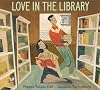
Tama works at the library of the internment camp where she's imprisoned, and every day she is both comforted by the work and worn down by the constant gnawing worry of the uncertainty of this life. And every day, the library is visited by George, another resident of the camp just trying to survive it.
This is an unusual topic for a children's picture book, but it is handled appropriately enough for young ones to understand without being overwhelmingly depressing or too detailed. (For example show more regarding the latter, the book doesn't go into a full history of World War II; it just starts with the base knowledge that these camps existed at a certain time in the past and moves on from there.) The book has an appropriate amount of hope, focusing on small miracles and the promise of the future, while not painting a rosy picture that tries to pretend bad things didn't happen. The story is apparently based on that of the author's own grandparents, so it is not farfetched at all!
An author's note continues in the same vein as the rest of the book in terms of pointing out flaws in our country's systems that impact marginalized communities while remaining optimistic for the glimmers that can be found in life despite the problems. This book covers a lot of ground on its own, but I could easily see it opening up conversations in classrooms and living rooms as adult caregivers could talk more on these topics from their own experiences, the news, etc. and make these teachable moments for children.
Illustrations capture the drabness of life in an internment camp with splashes of bright colors for Tama's clothes and books in particular. These illustrations help to tell the story for readers of all ages, especially with all the emotion put into the characters' faces. show less
This is an unusual topic for a children's picture book, but it is handled appropriately enough for young ones to understand without being overwhelmingly depressing or too detailed. (For example show more regarding the latter, the book doesn't go into a full history of World War II; it just starts with the base knowledge that these camps existed at a certain time in the past and moves on from there.) The book has an appropriate amount of hope, focusing on small miracles and the promise of the future, while not painting a rosy picture that tries to pretend bad things didn't happen. The story is apparently based on that of the author's own grandparents, so it is not farfetched at all!
An author's note continues in the same vein as the rest of the book in terms of pointing out flaws in our country's systems that impact marginalized communities while remaining optimistic for the glimmers that can be found in life despite the problems. This book covers a lot of ground on its own, but I could easily see it opening up conversations in classrooms and living rooms as adult caregivers could talk more on these topics from their own experiences, the news, etc. and make these teachable moments for children.
Illustrations capture the drabness of life in an internment camp with splashes of bright colors for Tama's clothes and books in particular. These illustrations help to tell the story for readers of all ages, especially with all the emotion put into the characters' faces. show less

I had mixed feelings about this one! It's got a set of main characters where rooting for any of them makes you feel a little guilty. As a story about navigating the misogynist structure and ever-present gendered danger of a lot of spaces in our world, and as a metaphor for certain kinds of adolescent friendships, I found it really compelling, but taking the story at face value I kept being like 🤔 wait y'all are murdering several people with like, little to no inducement! Murdering!!! Am I show more supposed to like or approve of this main character? ...are these the baddies?! The characters, while "friends", are generally pretty cruel to each other and in some cases racist and homophobic, and they're never really called out on that. It's also hard to square the anti-patriarchy stuff with all the internalized misogyny they demonstrate. There are things I'm guessing we're meant to interpret as overall signs of change and growth, so as an allegory of young women learning and becoming better people with healthier relationships it works, but overthinking it is my downfall. I look at the last pages of this, where Becca is in a much better place, with a loving relationship, and clearly much healthier friend and family relationships, and thinking: but isn't she extremely traumatized by all the murder and cannibalism?! The art was really, really cool. show less
I picked up this book from my local library because of the news stories telling about how Tokuda-Hall was offered a deal with Scholastic if she omitted a part of the author's note at the end talking about how the racism that allowed the Japanese Internment Camps is the same racism that still exists (and flourishes) in today's America. I don't think I would have heard of this book otherwise; I'm not generally in the market for picture books these days. However, I'm very glad that I did hear show more about this book and read it. It's a very important topic to learn about, and the hope and joy that was sometimes found in the camps is a good reminder too. I am not excusing what happened; it was wrong then, it is wrong now. But I do appreciate stories of hope that flourish in adversity. If you are able to, I suggest you read this book and share it widely also. (Plus, the illustrations are lovely!) show less
The first thing I heard about this book was that Scholastic had made inquiries, wanting to license the book, offering to add it to their publications if the author would approve changes to the afterword (the text of the book was acceptable). They red-pencilled their demands: it amounted to, would she please omit the R-word (racism) and any mention of the applicability of the Japanese-American experiences of the 1940s to America today. It's not a scathing afterword; it's considered and show more thoughtful, but Scholastic -- who can guess? -- perhaps felt it might threaten white fragility. Turning down the fame and money that a Scholastic deal promised wasn't an easy decision for the author, but it was a principled one. https://www.prettyokmaggie.com/blog/2023/4/11/scholastic-and-a-faustian-bargain
Scholastic's proposal was a blatant example of censorship. Worse than a book banning, they attempted to choke the story at its source by getting the author herself to approve the censorship. I had to read this book. I had to support the author and the publisher (Candlewick Press) by buying the book and requesting that my local public library do the same.
I'm so very glad I did. It is really a wonderful book. It tells the story of Maggie Tokuda-Hall's grandparents, who met in an internment camp in barren Idaho. The story is told in simple, straightforward language; the beautiful pictures focus on people's daily lives... with guard towers in the background. The love between Tama and George shines through the illustrations and through their photograph in the afterword
I strongly recommend this book to readers of all ages. The youngest will need an adult to provide a little historical background on the bizarre phenomenon of the imprisonment of 120,000 American citizens whose only crime was their race. show less
Scholastic's proposal was a blatant example of censorship. Worse than a book banning, they attempted to choke the story at its source by getting the author herself to approve the censorship. I had to read this book. I had to support the author and the publisher (Candlewick Press) by buying the book and requesting that my local public library do the same.
I'm so very glad I did. It is really a wonderful book. It tells the story of Maggie Tokuda-Hall's grandparents, who met in an internment camp in barren Idaho. The story is told in simple, straightforward language; the beautiful pictures focus on people's daily lives... with guard towers in the background. The love between Tama and George shines through the illustrations and through their photograph in the afterword
I strongly recommend this book to readers of all ages. The youngest will need an adult to provide a little historical background on the bizarre phenomenon of the imprisonment of 120,000 American citizens whose only crime was their race. show less
Lists
Awards


You May Also Like


Associated Authors
Statistics
- Works
- 6
- Also by
- 2
- Members
- 1,801
- Popularity
- #14,289
- Rating
- 3.9
- Reviews
- 84
- ISBNs
- 40
- Languages
- 2
- Favorited
- 1
