
Beth Lewis (1)
Author of The Wolf Road
For other authors named Beth Lewis, see the disambiguation page.
Works by Beth Lewis
Tagged
Common Knowledge
Members
Reviews
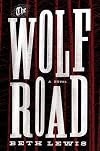
Elka is unlike any protagonist I've known. Pigheaded and crude, I liked her almost instantly despite my usual uneasiness for unlikeable characters. Beth Lewis managed to created a real, flawed woman who was survival smart, who was strong, AND who was sensitive. I also don't think I've ever read a book (or at least not for a while) with a great depiction of platonic friend love. All of these elements made this book, in my experience, incredibly unique and remarkable refreshing. I will show more definitely pick up this author's next book. show less
 This review was written for LibraryThing Early Reviewers.
"The Wolf Road" does a lot of trope twisting - part "True Grit" western, part post-apocalyptic quest, part "Call of the Wild", part Huck Finn with a more traumatic childhood - and it does it well - making the familiar feel new and the new feel connected to something I understand - so that, if that was all it did, I'd have closed the book having had a great read.
But Beth Lewis achieves much more than that. She creates something quite rare: a character with a unique voice, who, in telling her show more story frankly, sharing her thoughts and emotions and cursing her own mistakes and failings, makes us rethink how we see the world and the choices we make.
"The Wolf Road" is told as first person account of events through the eyes of Elka, a seventeen year old woman who is almost feral. She lives in the wild by becoming part of it not by trying to tame it. She is another predator in the forest, moving soundlessly, killing efficiently, hiding her tracks and building shelters and making fires to keep herself safer at night. It is only when she has to deal with people and their rules and their written-down words that Elka is vulnerable.
The novel opens with Elka hunting a monstrous man: large, fierce and bloodied, in a snow-filled forest, marked with a trail of blood. Hiding in a tree, she throw her serrated knife with enough power to pass through the man beneath his collar bone and pin him to a tree. Then she leaves him, cursing behind her, knowing that the Sheriff will find him soon. The murdering monster she has pinned to the tree is the man who raised her from the age of seven and taught her how to move through the world.
Here's a sample from that scene:
"I sat high, oak branch 'tween my knees, and watched the tattooed man stride about in the snow. Pictures all over his face, no skin left no more, just ink and blood. Looking for me, he was. Always looking for me. He left red drops in the white, fallen from his fish knife. Not fish blood though. Man blood. Boy blood. Lad from Tucket lost his scalp to that knife. Scrap of hair and pink hung from the man's belt. That was dripping too, hot and fresh. He'd left the body in the thicket for the wolves to find."
Most of the rest of the novel tells us how this came to be.
On the surface, the book is a picaresque novel, following an outcast as she makes her way across the country, running from her enemies and constantly under threat from the people she meets.
Underneath, the structure of "The Wolf Road" is more complicated. It isn't about Elka's adventures. It's about Elka coming to understand who she is and how she got to be that way.
Elka has a childhood she only partly allows herself to remember. The man who raised her isolated her, shaping her to be a weapon in the wilderness. He set her on The Wolf Road, being more predator that person. Elka has to come to terms with her past and decide for herself the Road she will walk. She knows herself well-enough to understand that the man saw something of himself in her that was already there and that it is an essential part of who she is. She doesn't accept that that is all she is.
Uneducated and illiterate, Elka is intelligent, observant and given to introspection. She is building her own code to live by. She believes it's wrong to kill a man who isn't trying to kill you. She believes that she is accountable for everything she's ever done. She believes in living in the here and now and dealing with what's in front of you.
"The Wolf Road" takes place after our world has been broken by "The Big Stupid" which destroyed cities, created irradiated wastelands, tripped a climate change where storms are too fierce to stand against and killed most of the people.
The result is that the civilisation that Elka encounters when she leaves the forest is a raw one where trust is hard to come by and the law only exists if someone with a gun chooses to enforce it. In a way, this entire world is on its own "Wolf Road", balancing survival and compassion, choosing to be better than they have to be.
In some ways. this made Elka more normal. She is far from the only person finding her way in this world.
There is a lot of violence and nastiness in the novel. Elka seems repeatedly to meet despicable people who try to do very bad things to her and often succeed. None of this is sugar-coated and some of the scenes make grim reading.
There is love, of a kind, in this book but it is not the soft-focus romantic kind. It is the kind that comes from knowing someone will spill their blood for you.
Elka is not a hero. She's not a devil either. She is a brave young woman who bears the scars of a life hard-lived, who knows herself to be capable of doing terrible things, who expects no mercy and who, if she allows herself to hope at all, wishes for nothing more than a peaceful life.
I will remember Elka for a long time.
I selected "The Wolf Road" because the audiobook version is read by one of my favourite narrators, Amy McFadden. She captures Elka perfectly, making the book a pleasure to listen to. Click on the SoundCloud link below to hear her read the passage I've already quoted (plus a little bit more).
https://soundcloud.com/harperaudio/the-wolf-road-by-beth-lewis show less
But Beth Lewis achieves much more than that. She creates something quite rare: a character with a unique voice, who, in telling her show more story frankly, sharing her thoughts and emotions and cursing her own mistakes and failings, makes us rethink how we see the world and the choices we make.
"The Wolf Road" is told as first person account of events through the eyes of Elka, a seventeen year old woman who is almost feral. She lives in the wild by becoming part of it not by trying to tame it. She is another predator in the forest, moving soundlessly, killing efficiently, hiding her tracks and building shelters and making fires to keep herself safer at night. It is only when she has to deal with people and their rules and their written-down words that Elka is vulnerable.
The novel opens with Elka hunting a monstrous man: large, fierce and bloodied, in a snow-filled forest, marked with a trail of blood. Hiding in a tree, she throw her serrated knife with enough power to pass through the man beneath his collar bone and pin him to a tree. Then she leaves him, cursing behind her, knowing that the Sheriff will find him soon. The murdering monster she has pinned to the tree is the man who raised her from the age of seven and taught her how to move through the world.
Here's a sample from that scene:
"I sat high, oak branch 'tween my knees, and watched the tattooed man stride about in the snow. Pictures all over his face, no skin left no more, just ink and blood. Looking for me, he was. Always looking for me. He left red drops in the white, fallen from his fish knife. Not fish blood though. Man blood. Boy blood. Lad from Tucket lost his scalp to that knife. Scrap of hair and pink hung from the man's belt. That was dripping too, hot and fresh. He'd left the body in the thicket for the wolves to find."
Most of the rest of the novel tells us how this came to be.
On the surface, the book is a picaresque novel, following an outcast as she makes her way across the country, running from her enemies and constantly under threat from the people she meets.
Underneath, the structure of "The Wolf Road" is more complicated. It isn't about Elka's adventures. It's about Elka coming to understand who she is and how she got to be that way.
Elka has a childhood she only partly allows herself to remember. The man who raised her isolated her, shaping her to be a weapon in the wilderness. He set her on The Wolf Road, being more predator that person. Elka has to come to terms with her past and decide for herself the Road she will walk. She knows herself well-enough to understand that the man saw something of himself in her that was already there and that it is an essential part of who she is. She doesn't accept that that is all she is.
Uneducated and illiterate, Elka is intelligent, observant and given to introspection. She is building her own code to live by. She believes it's wrong to kill a man who isn't trying to kill you. She believes that she is accountable for everything she's ever done. She believes in living in the here and now and dealing with what's in front of you.
"The Wolf Road" takes place after our world has been broken by "The Big Stupid" which destroyed cities, created irradiated wastelands, tripped a climate change where storms are too fierce to stand against and killed most of the people.
The result is that the civilisation that Elka encounters when she leaves the forest is a raw one where trust is hard to come by and the law only exists if someone with a gun chooses to enforce it. In a way, this entire world is on its own "Wolf Road", balancing survival and compassion, choosing to be better than they have to be.
In some ways. this made Elka more normal. She is far from the only person finding her way in this world.
There is a lot of violence and nastiness in the novel. Elka seems repeatedly to meet despicable people who try to do very bad things to her and often succeed. None of this is sugar-coated and some of the scenes make grim reading.
There is love, of a kind, in this book but it is not the soft-focus romantic kind. It is the kind that comes from knowing someone will spill their blood for you.
Elka is not a hero. She's not a devil either. She is a brave young woman who bears the scars of a life hard-lived, who knows herself to be capable of doing terrible things, who expects no mercy and who, if she allows herself to hope at all, wishes for nothing more than a peaceful life.
I will remember Elka for a long time.
I selected "The Wolf Road" because the audiobook version is read by one of my favourite narrators, Amy McFadden. She captures Elka perfectly, making the book a pleasure to listen to. Click on the SoundCloud link below to hear her read the passage I've already quoted (plus a little bit more).
https://soundcloud.com/harperaudio/the-wolf-road-by-beth-lewis show less
Elka was rescued at age 7 by a trapper living in the deep woods of post-apocalyptic Canada. Turns out that Trapper isn't the man see thought and now she's on the run from him and from what passes for the Law in this place.
Lewis has created a fascinating character in Elka - and kept it going in the supporting cast. She's strong and determined, independent and interdependent, and in spite of her fear, human. I loved Lewis' story-telling; her prose and how she voiced the various characters show more really draws the reader in.
A bit of The Road, a bit of Stephen King, a lot of creativity, highly recommended! show less
Lewis has created a fascinating character in Elka - and kept it going in the supporting cast. She's strong and determined, independent and interdependent, and in spite of her fear, human. I loved Lewis' story-telling; her prose and how she voiced the various characters show more really draws the reader in.
A bit of The Road, a bit of Stephen King, a lot of creativity, highly recommended! show less
This review was written for LibraryThing Early Reviewers.Folks, read this book. It's freakin' awesome! No surprise that it was published by Crown, which has yet to disappoint.
Funnily enough, when I received five ARCs on the same day (seriously, Goodreads must have a way of tracking and reporting to publishers who's reviewing these things), I put this one on the charity shelf. It sounded too dark for me. Then I was invited to join a book club and this was the first book on the list. Go figure.
The first thing I liked is probably the first thing show more that people are going to complain about: the book is written in Elka's dialect, which means we get fragments, slang, strange comparisons. I know a lot of readers gave up on the magnificent Salvage for that reason, and I know some people are going to miss out on this story because they find the writing style too much to absorb. At the same time, I loved the way that others had their own styles of speaking, which came through Elka's filter.
The Wolf Roadis, over all, a pretty feminist book. Elka is self-reliant and strong, facing challenges with determined single-mindedness. She clashes with Penelope, her eventual companion, not simply because she's a woman but because she doesn't seem to have any survival skills. And, most of all, Elka is a delightfully slippy unreliable narrator with whom we still sympathize. Contrast that to Gone Girl, in which we're led to hate the main woman character for her wicked cleverness even more than her ordinarily despicable, less intelligent husband. I found myself trusting most of Elka's story even as Lewis began carefully dropping hints that there is a strong element of deliberate self-delusion--and the variance in Elka's story about how she got her name mean that the reader can never be sure if this confusion is genuine on Elka's part or done deliberately for the reader as well as or instead of herself. Is her "revelation" really a surprise to her? We can't know.
This is seen most prominently in the final showdown with Trapper. We're told that Elka has a change of conscience about using "the boy" as bait to catch Trapper, but she goes directly to him, ignoring crackles in the forest that would normally be red flags (332), not warning anyone that Trapper was after him, and even giving up on "the boy's" name--it's a lot harder to hunt something you relate to, after all.
The structure of the book was overall very satisfying. Lewis did a fantastic job of sprinkling her hints at Elka's big secret throughout the book, giving us just enough information to wonder and start to figure things out without giving the mystery away or whipping out a sneaky "gotcha" moment at the end. Moriarty this is not. The ending was perfect, exactly what I wanted, which is a major rarity.
Also satisfying was that the book was overall quite feminist. This isn't quite Salvage or Sound, but there were plenty of women where most writers would have just included men: Elka's grandmother, Lyon, a random shop keeper. None of them were petty or catty, all were richly complex, often with multiple motives, but the fact that they had multiple movies for their actions was not condemned. These are women with agency, strength.
Right, time for my main complaint, which is the overall lack of diversity. Several times when I imagined someone not white--Elka biracial, Lyon indigenous (to use Canada's preferred term)--clues were dropped that the character was your regular flavor of white bread. We finally get a break from it with Mark's family (can't remember the last name, this is what I get for waiting so long to review) way at the end of the book.
While I found the setting well-done overall, a neatly natural post-apocalyptic world unlike the concrete jungles and barren wastelands I'm more likely to read about, it was a bit annoying to never have an explanation for the extreme weather. Was it aggravated by the weaponry used in the last war? I also didn't see quite as much diversity in the human settlements as I usually enjoy. Every town felt like the other in the Wild West, just different sizes and kinds of people. Not that I wanted excruciating detail, but it might have been nice to hear more about how the different cultures that met in northern Canada were interacting with each other--beyond some Chinese food.
I definitely recommend this book to everyone. It's strongly feminist, but I think that it would be harder for men to dismiss, much as The Hunger Games was. Sadly, that is in part because the main character has masculine characteristics. But it's refreshing that the women included aren't just stereotypes: Elka and Penelope grow a friendship, there's no stupid love triangle, and they both have their areas of strength and weakness, both physically, mentally, and emotionally.
Quote Roundup
211) [The doctor] had put an invisible mark on me. One what weren't going to wash off in the rain. One what couldn't be cut away or burned out. It was a piece a' bright light that sent the darkness from Colby and the hog man scurrying into a corner. I seen true kindness in that doctor, a man what carried a shotgun as a walking stick, and I'll tell you, that's like seeing the face of God.
Elka has her Jean Valjean moment, simply and beautifully described. Nice to have a flash of good in an otherwise dark story.
236-237) "Ain't no monster. Monsters ain't real 'cept in kids' imaginations, under the beds, in the closest. We live in a world a' men and there ain't no good come out of tellen' them they monsters. Makes 'em think they ain't done nothin' wrong, that it's their nature and they can't do nothin' to change that."
Chillingly relevant these days. Maybe it always has been, but this is the world I'm living in.
338) Elka literally calls "bullshit" on herself--but she's such an unreliable narrator, how can we know whether this really her coming clean about her motives? Or is bringing up the fear that she's supposedly ashamed of really just done to distract us (herself) from a harsher truth?
353) I was pretty skeptical that Penelope would buy Elka's story--even thought for a second that Penelope might kill her. Is this just clever Elka's cunning way of manipulating her friend into feeling sorry for her? By this point I couldn't trust Elka, though Lewis had spent the whole book getting me to like her. That, friends, is a well-done character. Even if I don't think I trust her as much as a lot of readers will do.
~~~
Reread this one with Areg in 2023 on car rides. He loved it, too! show less
Funnily enough, when I received five ARCs on the same day (seriously, Goodreads must have a way of tracking and reporting to publishers who's reviewing these things), I put this one on the charity shelf. It sounded too dark for me. Then I was invited to join a book club and this was the first book on the list. Go figure.
The first thing I liked is probably the first thing show more that people are going to complain about: the book is written in Elka's dialect, which means we get fragments, slang, strange comparisons. I know a lot of readers gave up on the magnificent Salvage for that reason, and I know some people are going to miss out on this story because they find the writing style too much to absorb. At the same time, I loved the way that others had their own styles of speaking, which came through Elka's filter.
The Wolf Roadis, over all, a pretty feminist book. Elka is self-reliant and strong, facing challenges with determined single-mindedness. She clashes with Penelope, her eventual companion, not simply because she's a woman but because she doesn't seem to have any survival skills. And, most of all, Elka is a delightfully slippy unreliable narrator with whom we still sympathize. Contrast that to Gone Girl, in which we're led to hate the main woman character for her wicked cleverness even more than her ordinarily despicable, less intelligent husband. I found myself trusting most of Elka's story
The structure of the book was overall very satisfying. Lewis did a fantastic job of sprinkling her hints at Elka's big secret throughout the book, giving us just enough information to wonder and start to figure things out without giving the mystery away or whipping out a sneaky "gotcha" moment at the end. Moriarty this is not. The ending was perfect, exactly what I wanted, which is a major rarity.
Also satisfying was that the book was overall quite feminist. This isn't quite Salvage or Sound, but there were plenty of women where most writers would have just included men: Elka's grandmother, Lyon, a random shop keeper. None of them were petty or catty, all were richly complex, often with multiple motives, but the fact that they had multiple movies for their actions was not condemned. These are women with agency, strength.
Right, time for my main complaint, which is the overall lack of diversity. Several times when I imagined someone not white--Elka biracial, Lyon indigenous (to use Canada's preferred term)--clues were dropped that the character was your regular flavor of white bread. We finally get a break from it with Mark's family (can't remember the last name, this is what I get for waiting so long to review) way at the end of the book.
While I found the setting well-done overall, a neatly natural post-apocalyptic world unlike the concrete jungles and barren wastelands I'm more likely to read about, it was a bit annoying to never have an explanation for the extreme weather. Was it aggravated by the weaponry used in the last war? I also didn't see quite as much diversity in the human settlements as I usually enjoy. Every town felt like the other in the Wild West, just different sizes and kinds of people. Not that I wanted excruciating detail, but it might have been nice to hear more about how the different cultures that met in northern Canada were interacting with each other--beyond some Chinese food.
I definitely recommend this book to everyone. It's strongly feminist, but I think that it would be harder for men to dismiss, much as The Hunger Games was. Sadly, that is in part because the main character has masculine characteristics. But it's refreshing that the women included aren't just stereotypes: Elka and Penelope grow a friendship, there's no stupid love triangle, and they both have their areas of strength and weakness, both physically, mentally, and emotionally.
Quote Roundup
211) [The doctor] had put an invisible mark on me. One what weren't going to wash off in the rain. One what couldn't be cut away or burned out. It was a piece a' bright light that sent the darkness from Colby and the hog man scurrying into a corner. I seen true kindness in that doctor, a man what carried a shotgun as a walking stick, and I'll tell you, that's like seeing the face of God.
Elka has her Jean Valjean moment, simply and beautifully described. Nice to have a flash of good in an otherwise dark story.
236-237) "Ain't no monster. Monsters ain't real 'cept in kids' imaginations, under the beds, in the closest. We live in a world a' men and there ain't no good come out of tellen' them they monsters. Makes 'em think they ain't done nothin' wrong, that it's their nature and they can't do nothin' to change that."
Chillingly relevant these days. Maybe it always has been, but this is the world I'm living in.
338) Elka literally calls "bullshit" on herself--but she's such an unreliable narrator, how can we know whether this really her coming clean about her motives? Or is bringing up the fear that she's supposedly ashamed of really just done to distract us (herself) from a harsher truth?
353) I was pretty skeptical that Penelope would buy Elka's story--even thought for a second that Penelope might kill her. Is this just clever Elka's cunning way of manipulating her friend into feeling sorry for her? By this point I couldn't trust Elka, though Lewis had spent the whole book getting me to like her. That, friends, is a well-done character. Even if I don't think I trust her as much as a lot of readers will do.
~~~
Reread this one with Areg in 2023 on car rides. He loved it, too! show less
Lists
Awards


You May Also Like


Associated Authors
Statistics
- Works
- 6
- Members
- 676
- Popularity
- #37,361
- Rating
- 3.9
- Reviews
- 109
- ISBNs
- 46
- Languages
- 2
