
Kristen A Jenson
Author of Good Pictures Bad Pictures: Porn-Proofing Today's Young Kids
Works by Kristen A Jenson
Tagged
Common Knowledge
There is no Common Knowledge data for this author yet. You can help.
Members
Reviews
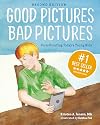
Jenson does a great job breaking down a hard topic and putting it in simple terms. The book is just the right length for an upper elementary age, and would probably be useful up to middle school age. It's written from a science perspective, not a faith perspective, though it would still be useful for opening up conversation and talking through the faith perspective.

This simple picture book guides parents into an age-appropriate (children ages 3-7) discussion about good pictures and bad pictures with their children. But wait—talk about pornography with preschoolers!? You may say with alarm. It shocked me at first, too. Jenson explains:
“Parents who arm their young children against the dangers of pornography are not destroying their children’s innocence: They’re protecting it. Kids who are left alone to deal with pornography exposure themselves show more are at much greater risk for the following reasons:
Perpetrators routinely use pornography to groom young children for sexual abuse.
Kids are wired to imitate what they see. Viewing pornography increases the risk of child-on-child sexual abuse.
Young children are becoming addicted to pornography with serious, lifelong consequences.” (34)
The book labels bad pictures as “picture poison.” It tells little ones just as they need to stay away from household poisons such as cleaners, they need to stay away from picture poison. When a child sees bad pictures, he should to
* Turn way.
* Run to a parent or trusted adult.
* Tell the adult what he saw.
The author suggests that parents start this discussion as soon as a child has access to the internet.
On a Christian radio show, Jenson told about a little girl who stumbled upon some internet porn and got hooked. I had no idea a child that young could develop a porn addiction.
Parent Helps
In the parent section of the book, the author explains how parents can use this book and how to help their children rid their minds of pornographic images they might have seen.
The watercolor illustrations of each book create a calm atmosphere in which to discuss this challenging topic. The text reads well, and I like the pictures of sticky notes (like a sidebar) that provide extra information that parents can use at their discretion.
For more information about the books and how to protect your children from pornography, see ProtectYoungMinds.com
https://lorindasponderings.com/2020/05/03/porn-proofing-todays-young-kids/ show less
“Parents who arm their young children against the dangers of pornography are not destroying their children’s innocence: They’re protecting it. Kids who are left alone to deal with pornography exposure themselves show more are at much greater risk for the following reasons:
Perpetrators routinely use pornography to groom young children for sexual abuse.
Kids are wired to imitate what they see. Viewing pornography increases the risk of child-on-child sexual abuse.
Young children are becoming addicted to pornography with serious, lifelong consequences.” (34)
The book labels bad pictures as “picture poison.” It tells little ones just as they need to stay away from household poisons such as cleaners, they need to stay away from picture poison. When a child sees bad pictures, he should to
* Turn way.
* Run to a parent or trusted adult.
* Tell the adult what he saw.
The author suggests that parents start this discussion as soon as a child has access to the internet.
On a Christian radio show, Jenson told about a little girl who stumbled upon some internet porn and got hooked. I had no idea a child that young could develop a porn addiction.
Parent Helps
In the parent section of the book, the author explains how parents can use this book and how to help their children rid their minds of pornographic images they might have seen.
The watercolor illustrations of each book create a calm atmosphere in which to discuss this challenging topic. The text reads well, and I like the pictures of sticky notes (like a sidebar) that provide extra information that parents can use at their discretion.
For more information about the books and how to protect your children from pornography, see ProtectYoungMinds.com
https://lorindasponderings.com/2020/05/03/porn-proofing-todays-young-kids/ show less
Good Pictures Bad Pictures: Porn-Proofing Today’s Young Kids, written for 8- to 12-year-olds, is designed to be read with a parent or guardian. It can be read straight through or one short chapter at a time. Each chapter ends with a “Let’s Talk!” section with a few discussion questions.
Narrated by a preteen boy, the story tells how his mother introduces the topic of pornography. She begins by talking about good pictures—like the ones in the family photo album, and then transitions show more to bad pictures—those that show people with “little or no clothes on.” In an age-appropriate way, the mom describes the dangers of pornography.
To help her son develop an internal filter, she then explains how people have “two” brains: the feeling part and the thinking part. The feeling brain helps us to survive but doesn’t know the difference between right and wrong, but the thinking brain does. She teaches her son that he must use his thinking brain to control his feeling brain.
Next, the mom describes the attraction center in the brain, which is part of the feeling brain. “It’s normally turned off in young kids until they get older. The attraction center creates feelings of excitement and happiness that lead people to fall in love. It makes them want to be close to one another” (p 24).
She goes on to explain how this natural function designed to create families is tricked by pornography. Instead of this attraction drawing people into loving relationships, pornography leads users to view other people as objects of pleasure. The mom continues by explaining the biology behind pornography addiction.
The mom closes her talk by giving her son a CAN DO plan. When he sees pornography, he can remember to
* Close his eyes.
* Always tell a trusted adult.
* Name it when he sees it.
Whenever a bad picture enters his mind, he can
* Distract himself with something different.
* Order his thinking brain to be the boss!
The book provides a glossary and tips for parents.
I wish such books existed when my children were young. With sexual images popping up in many places, a wise parent should talk about bad pictures early in a child’s life.
https://lorindasponderings.com/2020/05/03/porn-proofing-todays-young-kids/ show less
Narrated by a preteen boy, the story tells how his mother introduces the topic of pornography. She begins by talking about good pictures—like the ones in the family photo album, and then transitions show more to bad pictures—those that show people with “little or no clothes on.” In an age-appropriate way, the mom describes the dangers of pornography.
To help her son develop an internal filter, she then explains how people have “two” brains: the feeling part and the thinking part. The feeling brain helps us to survive but doesn’t know the difference between right and wrong, but the thinking brain does. She teaches her son that he must use his thinking brain to control his feeling brain.
Next, the mom describes the attraction center in the brain, which is part of the feeling brain. “It’s normally turned off in young kids until they get older. The attraction center creates feelings of excitement and happiness that lead people to fall in love. It makes them want to be close to one another” (p 24).
She goes on to explain how this natural function designed to create families is tricked by pornography. Instead of this attraction drawing people into loving relationships, pornography leads users to view other people as objects of pleasure. The mom continues by explaining the biology behind pornography addiction.
The mom closes her talk by giving her son a CAN DO plan. When he sees pornography, he can remember to
* Close his eyes.
* Always tell a trusted adult.
* Name it when he sees it.
Whenever a bad picture enters his mind, he can
* Distract himself with something different.
* Order his thinking brain to be the boss!
The book provides a glossary and tips for parents.
I wish such books existed when my children were young. With sexual images popping up in many places, a wise parent should talk about bad pictures early in a child’s life.
https://lorindasponderings.com/2020/05/03/porn-proofing-todays-young-kids/ show less
Just what kids aged 3-6 need. Young children deserve to be armed early against internet dangers. Good Pictures Bad Pictures Jr. makes it easy for parents to protect their young kids ages 3 to 6. Using gentle, age-appropriate messages, children will learn what to do--so they don't freeze with embarrassment and guilt...which can only make things worse.
Lists
You May Also Like


Statistics
- Works
- 5
- Members
- 814
- Popularity
- #31,348
- Rating
- 4.6
- Reviews
- 9
- ISBNs
- 6