
Jon Billman
Author of The Cold Vanish: Seeking the Missing in North America's Wildlands
Works by Jon Billman
Associated Works
Still Wild: Short Fiction of the American West 1950 to the Present (2000) — Contributor — 165 copies, 1 review
Tagged
Common Knowledge
- Gender
- male
- Education
- Iowa Wesleyan College (BA, English)
Eastern Washington University (MA, Fiction) - Occupations
- firefighter
teacher
associate professor - Organizations
- Northern Michigan University
Outside magazine - Agent
- Julia Masnik
- Nationality
- USA
- Birthplace
- Rapid City, South Dakota, USA
- Places of residence
- Green Garden, Michigan, USA
- Associated Place (for map)
- USA
Members
Reviews
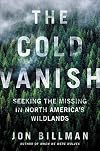
“A person isn’t missing until they’re reported missing. Even then, if you’re over eighteen years old, going missing isn’t a crime or even an emergency.”
Conservative estimates put the number of missing persons whose last known location was somewhere in the wildlands of the United States at 1,600. I was astonished to learn that no one really keeps track of how many people have disappeared in the mountains, parks, forests, scrub or deserts across the country, and as such the real show more number is likely quite higher.
Some of the people reported missing may eventually found alive, perhaps disorientated, injured, or even living a new life elsewhere. Others may be recovered deceased days, weeks, months, even years after they disappeared, having met with some kind of misadventure. Some are never seen nor heard of again. Of particular interest to Billman are those cases where someone disappears under circumstances that suggest they should be easily found, like Jacob Gray, or conversely those that are found, alive or dead, after an improbable period or in unlikely locations, like Casey Hathaway.
Billman details a number of cases in The Cold Vanish, gathering information from relatives and/or friends, law enforcement officials, search and rescue personnel, and other interested parties. One of these is the case of Jacob Gray which the author repeatedly returns to throughout the narrative.
For seventeen months after Jacob Gray went missing in 2017, his red bicycle and hiking gear found by a river near the Olympic National Park in Washington, his father searched, traversing miles of river, trails, and streets both near and far from where he was last seen. Left in an agony of limbo, he was willing to consider every possible fate for his son from a mundane slip and fall, to abduction by a cult or a serial killer, to an encounter with a Bigfoot, if it meant he would find some answers. He followed up on every clue from vague sightings to psychic predictions.
Billman examines the factors that influence searches, not only delays in reporting but also, unsurprisingly, terrain and weather, as well as search personnel experience, bureaucracy, funding, and jurisdictional conflicts. The average official search period for a missing person in wild areas is five days, and the resources available vary widely between locations. Billman interviews expert trackers, search dog handlers, divers and advocates, and writes of his own participation in searches for the missing, accompanying both officials and volunteers.
With a well organised, well researched, and accessible narrative, Billman effectively communicates the facts, but also ensures the humanity of his subjects is never forgotten. I found The Cold Vanish to be both a fascinating and frightening read. show less
Conservative estimates put the number of missing persons whose last known location was somewhere in the wildlands of the United States at 1,600. I was astonished to learn that no one really keeps track of how many people have disappeared in the mountains, parks, forests, scrub or deserts across the country, and as such the real show more number is likely quite higher.
Some of the people reported missing may eventually found alive, perhaps disorientated, injured, or even living a new life elsewhere. Others may be recovered deceased days, weeks, months, even years after they disappeared, having met with some kind of misadventure. Some are never seen nor heard of again. Of particular interest to Billman are those cases where someone disappears under circumstances that suggest they should be easily found, like Jacob Gray, or conversely those that are found, alive or dead, after an improbable period or in unlikely locations, like Casey Hathaway.
Billman details a number of cases in The Cold Vanish, gathering information from relatives and/or friends, law enforcement officials, search and rescue personnel, and other interested parties. One of these is the case of Jacob Gray which the author repeatedly returns to throughout the narrative.
For seventeen months after Jacob Gray went missing in 2017, his red bicycle and hiking gear found by a river near the Olympic National Park in Washington, his father searched, traversing miles of river, trails, and streets both near and far from where he was last seen. Left in an agony of limbo, he was willing to consider every possible fate for his son from a mundane slip and fall, to abduction by a cult or a serial killer, to an encounter with a Bigfoot, if it meant he would find some answers. He followed up on every clue from vague sightings to psychic predictions.
Billman examines the factors that influence searches, not only delays in reporting but also, unsurprisingly, terrain and weather, as well as search personnel experience, bureaucracy, funding, and jurisdictional conflicts. The average official search period for a missing person in wild areas is five days, and the resources available vary widely between locations. Billman interviews expert trackers, search dog handlers, divers and advocates, and writes of his own participation in searches for the missing, accompanying both officials and volunteers.
With a well organised, well researched, and accessible narrative, Billman effectively communicates the facts, but also ensures the humanity of his subjects is never forgotten. I found The Cold Vanish to be both a fascinating and frightening read. show less
Let me preface this by saying that I usually don't read non-fiction works. In all honesty I think it stems from my dyslexia and ADD preventing me from concentrating on the task at hand (or maybe I just have a hard time finding non-fiction worth reading). Something has to really captivate and entertain me for me to fully commit my attention to it. Luckily this wasn't my first non-fiction read and won't be my last although I might need a mental palate cleanser after this. (Also, to my credit I show more have read a decent amount of non-fiction books, but minimal compared to my thriller/mystery reads). Ok, so on to my thoughts about this book:
Where to begin?! This was a terrifying, anxiety inducing read...not in the horror or thriller genre, but in the "holly crap! this could happen to me or anyone I know!" kind of scary. We often hear about people missing in the wild (or missing in general), but we never stop to think about what happens when they're found or how they're found...but even more, when never think about those who never get found. This book was really eye-opening. This book makes it very clear that it matters where you disappear in the wild! What [b:The Cold Vanish: Seeking the Missing in North America's Wildlands|48717769|The Cold Vanish Seeking the Missing in North America's Wildlands|Jon Billman|https://i.gr-assets.com/images/S/compressed.photo.goodreads.com/books/1574335466l/48717769._SY75_.jpg|74074880] does really well is lay out different scenarios of lost individuals in the wild. And let me tell you the overlaying pattern: A GOOD MAJORITY OF THE MISSING PERSONS ARE PEOPLE WHO WERE EXPERIENCED ATHLETES/RUNNERS/OUTDOORSMEN/ATHLETIC PEOPLE! And WTF is up with Olympic National Park! So yeah...this book really makes you think twice about hitting up your "usual" trail unprepared.
If anything [b:The Cold Vanish: Seeking the Missing in North America's Wildlands|48717769|The Cold Vanish Seeking the Missing in North America's Wildlands|Jon Billman|https://i.gr-assets.com/images/S/compressed.photo.goodreads.com/books/1574335466l/48717769._SY75_.jpg|74074880] teaches you that carrying around the 10 essentials in your day pack even on a 3 mile hike, is always a smart and good idea no matter if you're an experience outdoors person or not. Don't let pride be the reason you find yourself lost with little probability of being found, especially if Search and Rescue is left to the Country Sheriff to organize...I highly recommend this read! Be warned though, you might look at outdoor activities a little differently after this. show less
Where to begin?! This was a terrifying, anxiety inducing read...not in the horror or thriller genre, but in the "holly crap! this could happen to me or anyone I know!" kind of scary. We often hear about people missing in the wild (or missing in general), but we never stop to think about what happens when they're found or how they're found...but even more, when never think about those who never get found. This book was really eye-opening. This book makes it very clear that it matters where you disappear in the wild! What [b:The Cold Vanish: Seeking the Missing in North America's Wildlands|48717769|The Cold Vanish Seeking the Missing in North America's Wildlands|Jon Billman|https://i.gr-assets.com/images/S/compressed.photo.goodreads.com/books/1574335466l/48717769._SY75_.jpg|74074880] does really well is lay out different scenarios of lost individuals in the wild. And let me tell you the overlaying pattern: A GOOD MAJORITY OF THE MISSING PERSONS ARE PEOPLE WHO WERE EXPERIENCED ATHLETES/RUNNERS/OUTDOORSMEN/ATHLETIC PEOPLE! And WTF is up with Olympic National Park! So yeah...this book really makes you think twice about hitting up your "usual" trail unprepared.
If anything [b:The Cold Vanish: Seeking the Missing in North America's Wildlands|48717769|The Cold Vanish Seeking the Missing in North America's Wildlands|Jon Billman|https://i.gr-assets.com/images/S/compressed.photo.goodreads.com/books/1574335466l/48717769._SY75_.jpg|74074880] teaches you that carrying around the 10 essentials in your day pack even on a 3 mile hike, is always a smart and good idea no matter if you're an experience outdoors person or not. Don't let pride be the reason you find yourself lost with little probability of being found, especially if Search and Rescue is left to the Country Sheriff to organize...I highly recommend this read! Be warned though, you might look at outdoor activities a little differently after this. show less
Let me preface this by saying that I usually don't read non-fiction works. In all honesty I think it stems from my dyslexia and ADD preventing me from concentrating on the task at hand (or maybe I just have a hard time finding non-fiction worth reading). Something has to really captivate and entertain me for me to fully commit my attention to it. Luckily this wasn't my first non-fiction read and won't be my last although I might need a mental palate cleanser after this. (Also, to my credit I show more have read a decent amount of non-fiction books, but minimal compared to my thriller/mystery reads). Ok, so on to my thoughts about this book:
Where to begin?! This was a terrifying, anxiety inducing read...not in the horror or thriller genre, but in the "holly crap! this could happen to me or anyone I know!" kind of scary. We often hear about people missing in the wild (or missing in general), but we never stop to think about what happens when they're found or how they're found...but even more, when never think about those who never get found. This book was really eye-opening. This book makes it very clear that it matters where you disappear in the wild! What [b:The Cold Vanish: Seeking the Missing in North America's Wildlands|48717769|The Cold Vanish Seeking the Missing in North America's Wildlands|Jon Billman|https://i.gr-assets.com/images/S/compressed.photo.goodreads.com/books/1574335466l/48717769._SY75_.jpg|74074880] does really well is lay out different scenarios of lost individuals in the wild. And let me tell you the overlaying pattern: A GOOD MAJORITY OF THE MISSING PERSONS ARE PEOPLE WHO WERE EXPERIENCED ATHLETES/RUNNERS/OUTDOORSMEN/ATHLETIC PEOPLE! And WTF is up with Olympic National Park! So yeah...this book really makes you think twice about hitting up your "usual" trail unprepared.
If anything [b:The Cold Vanish: Seeking the Missing in North America's Wildlands|48717769|The Cold Vanish Seeking the Missing in North America's Wildlands|Jon Billman|https://i.gr-assets.com/images/S/compressed.photo.goodreads.com/books/1574335466l/48717769._SY75_.jpg|74074880] teaches you that carrying around the 10 essentials in your day pack even on a 3 mile hike, is always a smart and good idea no matter if you're an experience outdoors person or not. Don't let pride be the reason you find yourself lost with little probability of being found, especially if Search and Rescue is left to the Country Sheriff to organize...I highly recommend this read! Be warned though, you might look at outdoor activities a little differently after this. show less
Where to begin?! This was a terrifying, anxiety inducing read...not in the horror or thriller genre, but in the "holly crap! this could happen to me or anyone I know!" kind of scary. We often hear about people missing in the wild (or missing in general), but we never stop to think about what happens when they're found or how they're found...but even more, when never think about those who never get found. This book was really eye-opening. This book makes it very clear that it matters where you disappear in the wild! What [b:The Cold Vanish: Seeking the Missing in North America's Wildlands|48717769|The Cold Vanish Seeking the Missing in North America's Wildlands|Jon Billman|https://i.gr-assets.com/images/S/compressed.photo.goodreads.com/books/1574335466l/48717769._SY75_.jpg|74074880] does really well is lay out different scenarios of lost individuals in the wild. And let me tell you the overlaying pattern: A GOOD MAJORITY OF THE MISSING PERSONS ARE PEOPLE WHO WERE EXPERIENCED ATHLETES/RUNNERS/OUTDOORSMEN/ATHLETIC PEOPLE! And WTF is up with Olympic National Park! So yeah...this book really makes you think twice about hitting up your "usual" trail unprepared.
If anything [b:The Cold Vanish: Seeking the Missing in North America's Wildlands|48717769|The Cold Vanish Seeking the Missing in North America's Wildlands|Jon Billman|https://i.gr-assets.com/images/S/compressed.photo.goodreads.com/books/1574335466l/48717769._SY75_.jpg|74074880] teaches you that carrying around the 10 essentials in your day pack even on a 3 mile hike, is always a smart and good idea no matter if you're an experience outdoors person or not. Don't let pride be the reason you find yourself lost with little probability of being found, especially if Search and Rescue is left to the Country Sheriff to organize...I highly recommend this read! Be warned though, you might look at outdoor activities a little differently after this. show less
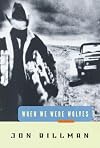
I was on page 77 of Jon Billman’s short story collection When We Were Wolves when I did something I’ve never done before. I wrote a fan letter.
I did a quick search of the Internet for “Jon Billman,âÂ? found an e-mail address and, even though I was only a few pages into the book, dashed off a correspondence dripping with praise. I wrote sentences like âÂÂYou've got my writer's blood all stirred up and you've given me renewed hope for the future of short fiction.âÂ? I show more gushed. I swooned. I was a teenage girl stripping off her bra and throwing it at Elvisâ feet.
I donâÂÂt regret one word of the hyperbole.
Ladies and gentlemen, I havenâÂÂt been this weak-kneed about something since the day I cracked open Richard FordâÂÂs Rock Springs. Before that, youâÂÂd have to go back to the first time I kissed the girl whoâÂÂd later become my wife.
In his debut, Billman writes with the kind of sharp, muscular prose that makes me happy to be a writerâ¦not to mention positively giddy to be a reader. What a joy it was to discover this exciting new author (and, by the way, I owe a big debt of gratitude to author and fellow Epinions scribe Ron Franscell for first pointing me toward Billman).
I should tell you right now, this review is going to be about as balanced as a man walking down the street carrying a load of bricks in one hand and a sack of feathers in the other. I tried to find something less-than-praiseworthy about these thirteen stories, but I couldnâÂÂt, I really couldnâÂÂt. Just thought IâÂÂd warn you before the gush got too deep. (And yes, for all of you who are wondering, Mr. Billman did write me back with a very kind and gracious note.)
You should also be advised that IâÂÂm probably prejudiced toward this collection of stories because most of them are set in WyomingâÂÂthat squarish state populated with sagebrush, antelope and miles and miles of barbed wire. I grew up in Jon BillmanâÂÂs Wyoming. This was my land; these were my people on these pages.
Many of the stories are set in Hams Fork, BillmanâÂÂs Yoknapatawpha, a small town where âÂÂno one beautiful or vital ever stays long.âÂ? Hams Fork is a place where the nearest tree is thirty miles north of town. The isolation, the on-edge desperation of the state and its residents is evident on nearly every page. At one point, someone says of Wyoming: No one wants to be here. Permanence isnâÂÂt Western in nature. You take what you can get, or get what you have to take, and move on, get the hell out. Vamoose.
But Billman is such a good writer that he easily transcends any thematic borders, leaping over the limitations of purely regional writing like a wild mustang clearing a barbed-wire fence, then continuing to gallop toward, say, New York City. This is literature everyone can read and walk away from deeply affected.
In âÂÂIndians,âÂ? he writes about a Depression-era bush-league baseball team from the reservation whose one-armed pitcher can predict rain by way of his missing arm. As the team barnstorms around the drought-stricken Dakotas, the tension rises like barometric pressure.
âÂÂCuster ComplexâÂ? and âÂÂAshâÂ? have forest firefighters as their main charactersâÂÂa profession that Billman himself once worked, by the way. In one, a computer error sends a firefighter to a blaze that burned out two years ago; in the other, a crew member falls in love with a girl named Ash (She was big. Not sloppy. Not classically voluptuous. Big. She could hold her own.) and the relationship leads to recklessness.
In another incredibly subtle story, âÂÂWinter Fat,âÂ? Billman writes about an ex-con who befriends a family of Mormons. All is well until they start hearing reports of public sculptures stolen from town squares.
A character named Wayne Kerr makes several appearances in When We Were Wolves, including the final story, âÂÂAlbatross,âÂ? which is one of the most perfectly-written soliloquies IâÂÂve seen since Shakespeare. Wayne, a renegade artist who likes to airbrush half-naked women on water towers, slowly freezes after collapsing on a deserted golf course. HereâÂÂs Wayne, paralyzed and fighting off hypothermia, staring at the sky:
Full-blown night had fallen on the Hams Fork Valley. The Hale-Bopp comet loomed overhead in the northwest. So dark, so very dark, the light of the comet was brilliantâÂÂWayne could clearly see the cometâÂÂs vapor trail. To him it resembled a submerged Alka-Seltzer.
Billman has the clear, focused wit of Sherman Alexie and the gritty desperation of Raymond Carver. While IâÂÂm at it, IâÂÂd also throw in all the best qualities of Rick Bass and Richard Ford as well. HeâÂÂs that good.
But heâÂÂs his own masterâÂÂstaking out plots of literary territory like a rancher stringing fences. This is a wholly accurate portrait of WyomingâÂÂthe land and the peopleâÂÂand itâÂÂs a parcel of earth that Billman knows intimately. At one point, I realized with a shiver that Billman also seemed to know me intimately when he described a character who was practically a mirror image of my own experience:
I had my useless degree in English lit, which took me six and a half years to get. I majored in English because I liked reading. Or at least I didnâÂÂt mind it. I wanted to fight forest fires during the season and do nothing in the wintertime. Maybe some skiing. Maybe read some books. It was that time of my lifeâÂÂmy mid-twentiesâÂÂwhen I hadnâÂÂt yet realized that fortune wasnâÂÂt going to fall from the sky, knock me down, and stick to me like slurry.
It only took me five years to get my degree and I wasnâÂÂt prone to firefightingâ¦but everything elseâÂÂwow! ThatâÂÂs the kind of passage that makes me dog-ear the page and reach for the highlighter. In fact, there are so many highlighter marks and marginal ink scribblings in my copy that it looks like someone turned a three-year-old loose with a box of crayons on a freshly-washed wall.
When We Were Wolves is the kind of book that makes me want to race through from start to finish in the same way IâÂÂd gulp a cold mug of sarsaparilla on a summer day. But yet, I told myself to slow it down, to savor the language. After all, you toss back that sarsaparilla and youâÂÂll miss the sweet froth, the edgy bite.
Here are two more of my favorite sentencesâÂÂboth describing female charactersâÂÂfrom this collection:
IâÂÂve seen Copper open a beer bottle with her eye socket.
Robin is pretty in the way wood smoke smells nice.
And, if youâÂÂll indulge me just a minute longer, hereâÂÂs a pitch-perfect passage from the Carveresque âÂÂSugar CityâÂ? where a newlywed couple finds their impetuous marriage quickly veering toward disaster:
Bonnie slumped against my shoulder and slept the fitful sleep of the depressed who donâÂÂt have their medication quite dialed in. A rainbow air freshener that hadnâÂÂt bothered me before hung from the rearview mirror. I ripped it down, looking over at sleeping Bonnie, and threw it out the window.
Night would soon settle on the southern Idaho desert, northbound, and I began to need the ceremony of eggs and a bottomless cup of coffee. ItâÂÂs the surest thing about the road, breakfast at any hour, and something to chew on when driving all night: loss and breakfast. Bonnie still didnâÂÂt know about the ten-thousand-dollar donation IâÂÂd made in Reno.
Right about now, youâÂÂre probably thinking, âÂÂHeâÂÂs given away all the best parts of the book and thereâÂÂs nothing left.âÂ? Trust me, dear reader, thereâÂÂs plenty of literary treasures IâÂÂve left untouched. The talent on display in When We Were Wolves is, indeed, as wide as the Wyoming horizon. show less
I did a quick search of the Internet for “Jon Billman,âÂ? found an e-mail address and, even though I was only a few pages into the book, dashed off a correspondence dripping with praise. I wrote sentences like âÂÂYou've got my writer's blood all stirred up and you've given me renewed hope for the future of short fiction.âÂ? I show more gushed. I swooned. I was a teenage girl stripping off her bra and throwing it at Elvisâ feet.
I donâÂÂt regret one word of the hyperbole.
Ladies and gentlemen, I havenâÂÂt been this weak-kneed about something since the day I cracked open Richard FordâÂÂs Rock Springs. Before that, youâÂÂd have to go back to the first time I kissed the girl whoâÂÂd later become my wife.
In his debut, Billman writes with the kind of sharp, muscular prose that makes me happy to be a writerâ¦not to mention positively giddy to be a reader. What a joy it was to discover this exciting new author (and, by the way, I owe a big debt of gratitude to author and fellow Epinions scribe Ron Franscell for first pointing me toward Billman).
I should tell you right now, this review is going to be about as balanced as a man walking down the street carrying a load of bricks in one hand and a sack of feathers in the other. I tried to find something less-than-praiseworthy about these thirteen stories, but I couldnâÂÂt, I really couldnâÂÂt. Just thought IâÂÂd warn you before the gush got too deep. (And yes, for all of you who are wondering, Mr. Billman did write me back with a very kind and gracious note.)
You should also be advised that IâÂÂm probably prejudiced toward this collection of stories because most of them are set in WyomingâÂÂthat squarish state populated with sagebrush, antelope and miles and miles of barbed wire. I grew up in Jon BillmanâÂÂs Wyoming. This was my land; these were my people on these pages.
Many of the stories are set in Hams Fork, BillmanâÂÂs Yoknapatawpha, a small town where âÂÂno one beautiful or vital ever stays long.âÂ? Hams Fork is a place where the nearest tree is thirty miles north of town. The isolation, the on-edge desperation of the state and its residents is evident on nearly every page. At one point, someone says of Wyoming: No one wants to be here. Permanence isnâÂÂt Western in nature. You take what you can get, or get what you have to take, and move on, get the hell out. Vamoose.
But Billman is such a good writer that he easily transcends any thematic borders, leaping over the limitations of purely regional writing like a wild mustang clearing a barbed-wire fence, then continuing to gallop toward, say, New York City. This is literature everyone can read and walk away from deeply affected.
In âÂÂIndians,âÂ? he writes about a Depression-era bush-league baseball team from the reservation whose one-armed pitcher can predict rain by way of his missing arm. As the team barnstorms around the drought-stricken Dakotas, the tension rises like barometric pressure.
âÂÂCuster ComplexâÂ? and âÂÂAshâÂ? have forest firefighters as their main charactersâÂÂa profession that Billman himself once worked, by the way. In one, a computer error sends a firefighter to a blaze that burned out two years ago; in the other, a crew member falls in love with a girl named Ash (She was big. Not sloppy. Not classically voluptuous. Big. She could hold her own.) and the relationship leads to recklessness.
In another incredibly subtle story, âÂÂWinter Fat,âÂ? Billman writes about an ex-con who befriends a family of Mormons. All is well until they start hearing reports of public sculptures stolen from town squares.
A character named Wayne Kerr makes several appearances in When We Were Wolves, including the final story, âÂÂAlbatross,âÂ? which is one of the most perfectly-written soliloquies IâÂÂve seen since Shakespeare. Wayne, a renegade artist who likes to airbrush half-naked women on water towers, slowly freezes after collapsing on a deserted golf course. HereâÂÂs Wayne, paralyzed and fighting off hypothermia, staring at the sky:
Full-blown night had fallen on the Hams Fork Valley. The Hale-Bopp comet loomed overhead in the northwest. So dark, so very dark, the light of the comet was brilliantâÂÂWayne could clearly see the cometâÂÂs vapor trail. To him it resembled a submerged Alka-Seltzer.
Billman has the clear, focused wit of Sherman Alexie and the gritty desperation of Raymond Carver. While IâÂÂm at it, IâÂÂd also throw in all the best qualities of Rick Bass and Richard Ford as well. HeâÂÂs that good.
But heâÂÂs his own masterâÂÂstaking out plots of literary territory like a rancher stringing fences. This is a wholly accurate portrait of WyomingâÂÂthe land and the peopleâÂÂand itâÂÂs a parcel of earth that Billman knows intimately. At one point, I realized with a shiver that Billman also seemed to know me intimately when he described a character who was practically a mirror image of my own experience:
I had my useless degree in English lit, which took me six and a half years to get. I majored in English because I liked reading. Or at least I didnâÂÂt mind it. I wanted to fight forest fires during the season and do nothing in the wintertime. Maybe some skiing. Maybe read some books. It was that time of my lifeâÂÂmy mid-twentiesâÂÂwhen I hadnâÂÂt yet realized that fortune wasnâÂÂt going to fall from the sky, knock me down, and stick to me like slurry.
It only took me five years to get my degree and I wasnâÂÂt prone to firefightingâ¦but everything elseâÂÂwow! ThatâÂÂs the kind of passage that makes me dog-ear the page and reach for the highlighter. In fact, there are so many highlighter marks and marginal ink scribblings in my copy that it looks like someone turned a three-year-old loose with a box of crayons on a freshly-washed wall.
When We Were Wolves is the kind of book that makes me want to race through from start to finish in the same way IâÂÂd gulp a cold mug of sarsaparilla on a summer day. But yet, I told myself to slow it down, to savor the language. After all, you toss back that sarsaparilla and youâÂÂll miss the sweet froth, the edgy bite.
Here are two more of my favorite sentencesâÂÂboth describing female charactersâÂÂfrom this collection:
IâÂÂve seen Copper open a beer bottle with her eye socket.
Robin is pretty in the way wood smoke smells nice.
And, if youâÂÂll indulge me just a minute longer, hereâÂÂs a pitch-perfect passage from the Carveresque âÂÂSugar CityâÂ? where a newlywed couple finds their impetuous marriage quickly veering toward disaster:
Bonnie slumped against my shoulder and slept the fitful sleep of the depressed who donâÂÂt have their medication quite dialed in. A rainbow air freshener that hadnâÂÂt bothered me before hung from the rearview mirror. I ripped it down, looking over at sleeping Bonnie, and threw it out the window.
Night would soon settle on the southern Idaho desert, northbound, and I began to need the ceremony of eggs and a bottomless cup of coffee. ItâÂÂs the surest thing about the road, breakfast at any hour, and something to chew on when driving all night: loss and breakfast. Bonnie still didnâÂÂt know about the ten-thousand-dollar donation IâÂÂd made in Reno.
Right about now, youâÂÂre probably thinking, âÂÂHeâÂÂs given away all the best parts of the book and thereâÂÂs nothing left.âÂ? Trust me, dear reader, thereâÂÂs plenty of literary treasures IâÂÂve left untouched. The talent on display in When We Were Wolves is, indeed, as wide as the Wyoming horizon. show less
Lists
Awards

You May Also Like


Associated Authors
Statistics
- Works
- 3
- Also by
- 3
- Members
- 431
- Popularity
- #56,716
- Rating
- 3.8
- Reviews
- 27
- ISBNs
- 13
- Languages
- 1