
Nafiza Azad
Author of The Candle and the Flame
Works by Nafiza Azad
Associated Works
Come On In: 15 Stories about Immigration and Finding Home (2020) — Contributor — 137 copies, 6 reviews
Tagged
Common Knowledge
- Birthdate
- 20th Century
- Gender
- female
- Nationality
- Fiji
- Birthplace
- Lautoka, Fiji
- Places of residence
- British Columbia, Canada
- Associated Place (for map)
- Fiji
Members
Reviews
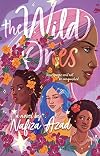
Probably the best read I have read this year so far. It's a book full of anger and much of it is righteous.
Interwoven in the story are those lives of girls that stay in the group. They begin with Paheli, a girl sold by her mother to a man for his use. Violated and despairing she runs and then she finds Taraana, a boy with stars in his eyes. He tosses her a box of stars, which allow her to go into the Between which is a place of magic and where you can travel between cities. She finds other show more lost souls and saves some, there are always some whose despair is too great. When they are done they can return to the ordinary world and age, but Paheli keeps on, the pivotal person in this group.
With the ability to travel is also the ability to see the magic beings that also inhabit the world and a scream of rage that will defeat many of them. Taraana is in danger and they feel that they must rescue him, partially because without him they can't access the Between, and that puts them in danger.
There was one passage that I just had to keep reading:
"Ever notice how many derogatory terms are actually words that describe female bodies? Yes, we are talking about words that you may have used yourself despite being a girl or a woman, perhaps not realizing that all you are doing is being complicit in the way the world recognizes women not as people but as bodies: bodies to objectify and to police.
Feminism isn't a four-letter word.
You know what is?
Rape."
It's a book full of range and of discovery and while it's told in a somewhat disjointed way with an unnamed narrator who can be judgemental. It also ecapsulates what can happen when people band together and at least try to do some good in the world. Where they could transform their pain and rage into something productive and have some agency. When I finished I was in awe of the writer and was torn between just starting again and letting it linger on my palette like a fine wine. show less
Interwoven in the story are those lives of girls that stay in the group. They begin with Paheli, a girl sold by her mother to a man for his use. Violated and despairing she runs and then she finds Taraana, a boy with stars in his eyes. He tosses her a box of stars, which allow her to go into the Between which is a place of magic and where you can travel between cities. She finds other show more lost souls and saves some, there are always some whose despair is too great. When they are done they can return to the ordinary world and age, but Paheli keeps on, the pivotal person in this group.
With the ability to travel is also the ability to see the magic beings that also inhabit the world and a scream of rage that will defeat many of them. Taraana is in danger and they feel that they must rescue him, partially because without him they can't access the Between, and that puts them in danger.
There was one passage that I just had to keep reading:
"Ever notice how many derogatory terms are actually words that describe female bodies? Yes, we are talking about words that you may have used yourself despite being a girl or a woman, perhaps not realizing that all you are doing is being complicit in the way the world recognizes women not as people but as bodies: bodies to objectify and to police.
Feminism isn't a four-letter word.
You know what is?
Rape."
It's a book full of range and of discovery and while it's told in a somewhat disjointed way with an unnamed narrator who can be judgemental. It also ecapsulates what can happen when people band together and at least try to do some good in the world. Where they could transform their pain and rage into something productive and have some agency. When I finished I was in awe of the writer and was torn between just starting again and letting it linger on my palette like a fine wine. show less

This book definitely suffers for having been read immediately after Sujata Massey's The Satapur Moonstone. They're very different stories, but the similarities they possess—a multicultural but Central and South Asian-influenced setting, royalty, political intrigue, flawed but engaging characters, a touch of romance, subtle social commentary—left me all too aware of what The Candle and the Flame could've been and wasn't.
This isn't a bad book by any means—in fact, I liked it quite a show more bit—but it falls prey to some of the narrative and characterization pitfalls that tend to plague debut novels. For instance, much of the worldbuilding and atmosphere of the novel is built on info-dumping paragraphs and a clutter of unfamiliar vocabulary. I'm all for learning new words and being immersed in an unknown culture, especially in a fantasy novel, but I shouldn't have to consult the glossary (where I frequently failed to find the words I was looking for) five times in a single paragraph. Not when Azad could be building a vivid context for those words into the paragraph, itself. And in her eagerness to showcase the strength of her female characters, Azad ends up portraying the men as flawed and always in the wrong, while her lady protagonists are flawed but always right.
And then there's the third person present tense of the narrative. This isn't something I see often outside of fanfiction, and even those pieces tend to be poignant, eloquent shorts that make the most of third person present's lyrical potency. Azad manages to sustain a poetic immediacy through most of the novel, but when she fails—I'm loath to quote a specific example since I read an ARC, but these moments revolve around pedestrian verbs like "sees" and "walks" and "thinks"—the book snaps into screenplay mode, losing all its emotional momentum.
I had to do so much work whilst reading this that I found it difficult to stay engaged with the elements I enjoyed (the world, the character dynamics, the evocative prose), a feeling all the more intense for being juxtaposed against the complete opposite experience in the book I'd read immediately before this one. I do look forward to seeing what Azad writes in the future, though. show less
This isn't a bad book by any means—in fact, I liked it quite a show more bit—but it falls prey to some of the narrative and characterization pitfalls that tend to plague debut novels. For instance, much of the worldbuilding and atmosphere of the novel is built on info-dumping paragraphs and a clutter of unfamiliar vocabulary. I'm all for learning new words and being immersed in an unknown culture, especially in a fantasy novel, but I shouldn't have to consult the glossary (where I frequently failed to find the words I was looking for) five times in a single paragraph. Not when Azad could be building a vivid context for those words into the paragraph, itself. And in her eagerness to showcase the strength of her female characters, Azad ends up portraying the men as flawed and always in the wrong, while her lady protagonists are flawed but always right.
And then there's the third person present tense of the narrative. This isn't something I see often outside of fanfiction, and even those pieces tend to be poignant, eloquent shorts that make the most of third person present's lyrical potency. Azad manages to sustain a poetic immediacy through most of the novel, but when she fails—I'm loath to quote a specific example since I read an ARC, but these moments revolve around pedestrian verbs like "sees" and "walks" and "thinks"—the book snaps into screenplay mode, losing all its emotional momentum.
I had to do so much work whilst reading this that I found it difficult to stay engaged with the elements I enjoyed (the world, the character dynamics, the evocative prose), a feeling all the more intense for being juxtaposed against the complete opposite experience in the book I'd read immediately before this one. I do look forward to seeing what Azad writes in the future, though. show less
It’s probably more of a 3.75 but I’m rounding up.
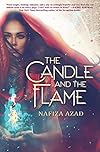
I really didn’t know much about this book and I only became interested because of that gorgeous cover and the vague idea that it’s based on Muslim culture. But what happened between the pages of this really surprised me and I can say confidently that it’s been a while since that has happened in a YA fantasy.
I’m not usually someone who looks for atmospheric world building but am more satisfied by extensive magic systems, but this show more world of Noor really blew my mind. The author brings this beautiful city to life through her words and I was completely mesmerized and felt myself a part of it every step of the way. Every little thing like the food, the culture, the faith, the customs, the clothes are explained in their glorious detail and I lapped it all up. The supernatural element of the Djinn, their way of life and especially the significance of their naming was explained wonderfully and I really enjoyed their story. Even the differences between the various clans of the Djinn, their inherent natures of order and chaos are told through different perspectives, so we as a reader can decide what we feel about them. The author also does a spectacular job showing us how a true multicultural city feels like, with its amalgamation of cultures and people, everyone living in harmony, preserving their own cultures while also sharing it with others. I don’t think I’ve really read about a more amazing place before and Noor is going to be one of my favorite fantasy worlds for the foreseeable future. But above it all, my favorite part of this book was the inherent desiness of it. The author doesn’t shy away from extensively using Hindi and Urdu words to describe every facet which totally delighted me - I could smell the food and picture the gorgeous saris and ghagras and experience the joy of celebrating Deepavali.
This book is full of amazing characters, especially the women and I can’t talk enough about them. Fatima Ghazala has seen a lot of loss in her life, but she is ready to brave more to ensure the protection of her family and the people of her city. She may just be an ordinary citizen who has discovered her latent powers, but that doesn’t mean she will ever let anyone else make decisions for her or let go of her self esteem. I was in awe of her strength even in the most desperate of times. Her sister Sunaina is conflicted about Fatima’s newfound abilities which leads to some strain in their relationship but I liked the way they worked for it, and never let each other go. The Alif sisters and their parents are like found family and I absolutely adored their bond. The sisters bring much needed levity to this story with their hilarious bickering and banter, and their parents become defacto parents for Fatima and Sunaina, always making sure they are taken care of.
On the other hand Princess Bhavya is living in a gilded cage and all she wants is the freedom to live her life. While she came across as unlikable initially, we slowly get to know her better and realize all her petulance is only a defense mechanism. Her brother Aarush, the maharajah of Noor is a good person but not a natural leader. I could sympathize with him a bit, but couldn’t absolve him of his indecisiveness. Zulfikar is the Emir of Noor and representative of the Ifrit, and he is definitely a responsible leader but pretty stoic, and I didn’t feel like I got to know him much.
The romance between Fatima Ghazala and Zulfikar felt both like instalove and not, the bond between them borne out of magic and holding a lot of uncertain feelings on both sides - it took a long time for them to trust each other with their feelings and I loved this dynamic between them. There is a lot of push and pull, a developing friendship, forced proximity due to their responsibilities - I loved how all these tropes were executed so beautifully together.
This is a very slow paced politics driven fantasy, with hardly any action but I slowly fell in love with it. Despite there being rebellion and traitors in the royal court, I loved how the author subverted these usual fantasy tropes. The purpose of this story is not to find who the villains are (they are pretty obvious), but to let us think about what it means to be a leader, a King. We see how competent and decisive women can’t rule the kingdom because of misogynistic rules but an unwilling man remains King, whose inability to make personal sacrifices and be decisive may spell doom for his people. We also see how faith is described as just a part of the daily life of the characters, and not something that separates them from the others. The ownvoices Muslim representation is spot on and I appreciated how much Fatima’s daily prayers are as much a part of her as are her powers. This book is all about women - their love and friendships, their need for freedom and to be able to make choices, to not feel objectified or treated as a possession. We also see the manifestation of all kinds of female strength, both alone and in numbers, physically and in their silences - and this is what elevates this book to more than just a typical YA fantasy. I also particularly enjoyed the discussions around the value of a found family, the importance of forgiveness, and the choice to make sacrifices for the sake of others.
This is a very quiet kind of fantasy novel. We have court politics, rebels and supernatural creatures, but it is more about the humans, their lives and the choices they make everyday. If you are looking for a slow paced, very atmospheric fantasy novel with ownvoices Muslim representation and lots of desi elements, then this book is perfect for you. This may not be action packed, but it will definitely make you feel and think and hope. show less
I really didn’t know much about this book and I only became interested because of that gorgeous cover and the vague idea that it’s based on Muslim culture. But what happened between the pages of this really surprised me and I can say confidently that it’s been a while since that has happened in a YA fantasy.
I’m not usually someone who looks for atmospheric world building but am more satisfied by extensive magic systems, but this show more world of Noor really blew my mind. The author brings this beautiful city to life through her words and I was completely mesmerized and felt myself a part of it every step of the way. Every little thing like the food, the culture, the faith, the customs, the clothes are explained in their glorious detail and I lapped it all up. The supernatural element of the Djinn, their way of life and especially the significance of their naming was explained wonderfully and I really enjoyed their story. Even the differences between the various clans of the Djinn, their inherent natures of order and chaos are told through different perspectives, so we as a reader can decide what we feel about them. The author also does a spectacular job showing us how a true multicultural city feels like, with its amalgamation of cultures and people, everyone living in harmony, preserving their own cultures while also sharing it with others. I don’t think I’ve really read about a more amazing place before and Noor is going to be one of my favorite fantasy worlds for the foreseeable future. But above it all, my favorite part of this book was the inherent desiness of it. The author doesn’t shy away from extensively using Hindi and Urdu words to describe every facet which totally delighted me - I could smell the food and picture the gorgeous saris and ghagras and experience the joy of celebrating Deepavali.
This book is full of amazing characters, especially the women and I can’t talk enough about them. Fatima Ghazala has seen a lot of loss in her life, but she is ready to brave more to ensure the protection of her family and the people of her city. She may just be an ordinary citizen who has discovered her latent powers, but that doesn’t mean she will ever let anyone else make decisions for her or let go of her self esteem. I was in awe of her strength even in the most desperate of times. Her sister Sunaina is conflicted about Fatima’s newfound abilities which leads to some strain in their relationship but I liked the way they worked for it, and never let each other go. The Alif sisters and their parents are like found family and I absolutely adored their bond. The sisters bring much needed levity to this story with their hilarious bickering and banter, and their parents become defacto parents for Fatima and Sunaina, always making sure they are taken care of.
On the other hand Princess Bhavya is living in a gilded cage and all she wants is the freedom to live her life. While she came across as unlikable initially, we slowly get to know her better and realize all her petulance is only a defense mechanism. Her brother Aarush, the maharajah of Noor is a good person but not a natural leader. I could sympathize with him a bit, but couldn’t absolve him of his indecisiveness. Zulfikar is the Emir of Noor and representative of the Ifrit, and he is definitely a responsible leader but pretty stoic, and I didn’t feel like I got to know him much.
The romance between Fatima Ghazala and Zulfikar felt both like instalove and not, the bond between them borne out of magic and holding a lot of uncertain feelings on both sides - it took a long time for them to trust each other with their feelings and I loved this dynamic between them. There is a lot of push and pull, a developing friendship, forced proximity due to their responsibilities - I loved how all these tropes were executed so beautifully together.
This is a very slow paced politics driven fantasy, with hardly any action but I slowly fell in love with it. Despite there being rebellion and traitors in the royal court, I loved how the author subverted these usual fantasy tropes. The purpose of this story is not to find who the villains are (they are pretty obvious), but to let us think about what it means to be a leader, a King. We see how competent and decisive women can’t rule the kingdom because of misogynistic rules but an unwilling man remains King, whose inability to make personal sacrifices and be decisive may spell doom for his people. We also see how faith is described as just a part of the daily life of the characters, and not something that separates them from the others. The ownvoices Muslim representation is spot on and I appreciated how much Fatima’s daily prayers are as much a part of her as are her powers. This book is all about women - their love and friendships, their need for freedom and to be able to make choices, to not feel objectified or treated as a possession. We also see the manifestation of all kinds of female strength, both alone and in numbers, physically and in their silences - and this is what elevates this book to more than just a typical YA fantasy. I also particularly enjoyed the discussions around the value of a found family, the importance of forgiveness, and the choice to make sacrifices for the sake of others.
This is a very quiet kind of fantasy novel. We have court politics, rebels and supernatural creatures, but it is more about the humans, their lives and the choices they make everyday. If you are looking for a slow paced, very atmospheric fantasy novel with ownvoices Muslim representation and lots of desi elements, then this book is perfect for you. This may not be action packed, but it will definitely make you feel and think and hope. show less
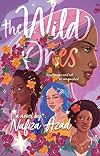
A mystical anthem to/for girls and women whose souls and spirit have been damaged by abuse. The Wild Ones are ageless, but not, rescued by others who found them at their peak moment of desperation. Able to move from place to place through mysterious doors that open into the Between, they find themselves harboring and then trying to protect Taraana, a boy with stars in his eyes who is the next Keeper of the Between. He has already escaped from imprisonment and torture by a magical monster in show more human form who wants to force him to create more magical tears to fuel the monster's greed for power. Following the Wild Ones as they try to keep Taraana safe and find a way to defeat the bad guy will take readers to many exotic locations around the globe.In the process, readers will become gradually more aware of how much pain has been inflicted upon the Wild Ones and those girls they have rescued (although, sadly some are lost at the moment of their potential rescue.) This book isn't light reading, but it is a terrific one. show less
Lists
Awards


You May Also Like


Associated Authors
Statistics
- Works
- 6
- Also by
- 4
- Members
- 626
- Popularity
- #40,248
- Rating
- 3.5
- Reviews
- 13
- ISBNs
- 19
- Languages
- 1