
Evette Dionne
Author of Lifting as We Climb: Black Women's Battle for the Ballot Box
Works by Evette Dionne
Associated Works
Tagged
Common Knowledge
- Other names
- free Black girl (internet handle)
- Birthdate
- 1989
- Gender
- female
- Education
- Bennett College (Bx | Journalism)
Southern Illinois University, Carbondale (Mx) - Occupations
- writer
editor
scholar
feminist - Organizations
- Bitch Media Group (editor-in-chief)
- Agent
- Sarah Phair (Sanford J. Greenburger Associates)
- Places of residence
- Denver, Colorado, USA
- Associated Place (for map)
- Colorado, USA
Members
Reviews
I received an ARC of this title in exchange for a fair and honest review.
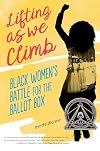
Evette Dionne has clearly presented the difficult battle for women’s suffrage that African American women endured before the passage of the Nineteenth Amendment on August 26, 1920, guaranteeing all women the right to vote. The trek to the ballot box for African American women was a difficult one, with many grim realities to overcome before and after the ratification of the Nineteenth Amendment. Beginning with the show more start of the abolitionist movement in 1830s America and continuing to the present day, Dionne demonstrates why female anti-slavery figures, African American and white, felt the need to come together to combat the overt sexism of the national abolitionist establishment. For instance, at the organizational meeting of the American Anti-Slavery Society, not one African American woman was invited to attend and those white American women who did attend were expected to observe the proceedings in silence.
African American women fought their marginalization in the anti-slavery, and later female suffrage, movements and made their voices heard. The identification of African American female activists and the parts they played in American history is the strength of Dionne’s book. So many of these women played pivotal roles in the passage of fundamental civil rights legislation and yet remain unidentified in mainstream accounts.
Lifting as we climb is a must read book for all. Readers who liked Fighting chance: The struggle over woman suffrage and black suffrage in Reconstruction America by Faye Dudden and Sisters in the struggle: African American women in the civil rights-black power movement edited by Bettye Collier-Thomas will particularly like Dionne’s work. show less
Evette Dionne has clearly presented the difficult battle for women’s suffrage that African American women endured before the passage of the Nineteenth Amendment on August 26, 1920, guaranteeing all women the right to vote. The trek to the ballot box for African American women was a difficult one, with many grim realities to overcome before and after the ratification of the Nineteenth Amendment. Beginning with the show more start of the abolitionist movement in 1830s America and continuing to the present day, Dionne demonstrates why female anti-slavery figures, African American and white, felt the need to come together to combat the overt sexism of the national abolitionist establishment. For instance, at the organizational meeting of the American Anti-Slavery Society, not one African American woman was invited to attend and those white American women who did attend were expected to observe the proceedings in silence.
African American women fought their marginalization in the anti-slavery, and later female suffrage, movements and made their voices heard. The identification of African American female activists and the parts they played in American history is the strength of Dionne’s book. So many of these women played pivotal roles in the passage of fundamental civil rights legislation and yet remain unidentified in mainstream accounts.
Lifting as we climb is a must read book for all. Readers who liked Fighting chance: The struggle over woman suffrage and black suffrage in Reconstruction America by Faye Dudden and Sisters in the struggle: African American women in the civil rights-black power movement edited by Bettye Collier-Thomas will particularly like Dionne’s work. show less
frican American women had to battle both sexism and racism in their quest for the right to vote.
The roots of the historical women’s suffrage movement can be found in efforts to end slavery in the United States. However, small numbers of Black female abolitionists participated, and as the activism expanded to women’s rights, African Americans were mostly excluded. Dionne provides a detailed and comprehensive look at the overlooked roles African American women played in the efforts to end show more slavery and then to secure the right to vote for women, arguing that Black women worked consistently for their communities in all areas. The ways in which the Black women’s club movement, the anti-lynching movement, and other activism combined to press for full citizenship are on display. “Getting the right to vote wasn’t the end goal; improving the lives of African Americans was.” There are familiar names such as Ida B. Wells and Mary McLeod Bethune, but there are also many not as well known. Dionne is clear about the fact that even as women prepared to march for the 19th Amendment, White leaders kept Black suffragists separate. Amply illustrated with archival drawings and photographs and supported with contextualizing sidebars, the narrative concludes with a discussion of the Voting Rights Act and contemporary efforts by African Americans to fight against voter suppression.
A lively and critical addition as the United States commemorates the centennial of women’s suffrage. (sources, further reading, index) (Nonfiction. 10-16)
-Kirkus Review show less
The roots of the historical women’s suffrage movement can be found in efforts to end slavery in the United States. However, small numbers of Black female abolitionists participated, and as the activism expanded to women’s rights, African Americans were mostly excluded. Dionne provides a detailed and comprehensive look at the overlooked roles African American women played in the efforts to end show more slavery and then to secure the right to vote for women, arguing that Black women worked consistently for their communities in all areas. The ways in which the Black women’s club movement, the anti-lynching movement, and other activism combined to press for full citizenship are on display. “Getting the right to vote wasn’t the end goal; improving the lives of African Americans was.” There are familiar names such as Ida B. Wells and Mary McLeod Bethune, but there are also many not as well known. Dionne is clear about the fact that even as women prepared to march for the 19th Amendment, White leaders kept Black suffragists separate. Amply illustrated with archival drawings and photographs and supported with contextualizing sidebars, the narrative concludes with a discussion of the Voting Rights Act and contemporary efforts by African Americans to fight against voter suppression.
A lively and critical addition as the United States commemorates the centennial of women’s suffrage. (sources, further reading, index) (Nonfiction. 10-16)
-Kirkus Review show less
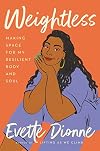
I hate it when I’m so disappointed in a book I had such high hopes for, but this unfortunately didn’t work for me. The essay flow bugged me because of so much reiteration, and I feel as though they were thrown in together at random. The author shares a lot and has some good things to say about anti-fat bias in our culture, but I was kind of shocked at her own fatphobia (that one chapter alone about her ex boyfriend was quite upsetting, and I’m still wondering if he knew any of it show more before it went to print). This had me going back and relistening to Aubrey Gordon’s book. show less
Gr 5–7—The literature written about the suffrage movement tends to focus on the efforts of white women. This eyeopening book spotlights the experiences of Black women who contributed to the movement. Though they faced sexism and racism, they refused to back down, working hard to make their voices heard.
Awards


You May Also Like
Associated Authors
Statistics
- Works
- 4
- Also by
- 3
- Members
- 181
- Popularity
- #119,335
- Rating
- 4.0
- Reviews
- 4
- ISBNs
- 19