Understand your story and listen to others’.
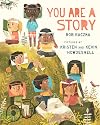
An unseen narrator muses on how special everyone is through a series of connected passages that will leave readers contemplating their places in the world. Readers are reminded that they are many things: someone’s child, an animal, a body of water (mostly), and much more. The text is informative and inspirational: “You are a sponge. You are constantly soaking up new information. You are a student of the world. You learn by trying new things. You absorb everything you see, hear, taste, smell, and touch.” As the declarations continue, a diverse group of children with different skin tones, hair textures, and physical abilities explore and interact with their world and with each other. Accompanied by appealing digital illustrations that have an intimate, collagelike feel, the story is a little nonfiction (with a few facts about the solar system, water, and more sprinkled in) and a lot pep talk and will hopefully inspire young readers and caregivers alike to remember that we are all unique and that we each contain multitudes. The final message is perhaps the most profound: “You are a story. You are the author of your life. Every day is a blank page waiting for you to fill it. Make your story funny. Make it an adventure. Tell your story to others. Then listen to theirs.” That final sentence is an important reminder for readers of all ages. (This book was reviewed digitally.)
Bold and stirring. (Picture book. 4-8)
-Kirkus Review
An unseen narrator muses on how special everyone is through a series of connected passages that will leave readers contemplating their places in the world. Readers are reminded that they are many things: someone’s child, an animal, a body of water (mostly), and much more. The text is informative and inspirational: “You are a sponge. You are constantly soaking up new information. You are a student of the world. You learn by trying new things. You absorb everything you see, hear, taste, smell, and touch.” As the declarations continue, a diverse group of children with different skin tones, hair textures, and physical abilities explore and interact with their world and with each other. Accompanied by appealing digital illustrations that have an intimate, collagelike feel, the story is a little nonfiction (with a few facts about the solar system, water, and more sprinkled in) and a lot pep talk and will hopefully inspire young readers and caregivers alike to remember that we are all unique and that we each contain multitudes. The final message is perhaps the most profound: “You are a story. You are the author of your life. Every day is a blank page waiting for you to fill it. Make your story funny. Make it an adventure. Tell your story to others. Then listen to theirs.” That final sentence is an important reminder for readers of all ages. (This book was reviewed digitally.)
Bold and stirring. (Picture book. 4-8)
-Kirkus Review
So Many Years: A Juneteenth Story – A Radiant Picture Book about Black Resilience and Joy for kids (Ages 4-8) by Anne Wynter
Wynter and Pumphrey tell the story of Juneteenth.
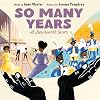
What would you wear, how would you eat, how would you sing, dance, and celebrate, after so many years of being forced to wear rags, to eat scraps, and to hide your messages in song? Directly addressing audiences, Wynter’s spare yet powerfully immersive words invite readers to imagine both the horrors of enslavement and the joy of emancipation, while the backmatter lays out the facts about the holiday commemorating June 19, 1865, when Maj. Gen. Gordon Granger arrived in Galveston, Texas, to announce the end of slavery. Pumphrey’s acrylic illustrations weave back and forth in time, juxtaposing stark images of silhouetted people in chains and picking cotton with uplifting scenes of the newly liberated dancing and even taking flight, along with depictions of modern-day Juneteenth parades and concerts. Author and illustrator walk a fine line, acknowledging the harsh realities of slavery while never overwhelming readers with gruesome details. Pumphrey nimbly incorporates lyrics from spirituals into his artwork. Beginning and ending on notes of hope—with scenes of a formerly enslaved family enjoying their freedom at sunrise and sunset—his visuals pulse with energy and life. Children will be filled with wonder; adults will be impressed by the sheer talent on display. All will come away enlightened and moved by this loving tribute.
A deeply felt celebration of the resilience of the human spirit. (lyrics to “Lift Every Voice show more and Sing”) (Informational picture book. 4-8)
-Kirkus Review show less
What would you wear, how would you eat, how would you sing, dance, and celebrate, after so many years of being forced to wear rags, to eat scraps, and to hide your messages in song? Directly addressing audiences, Wynter’s spare yet powerfully immersive words invite readers to imagine both the horrors of enslavement and the joy of emancipation, while the backmatter lays out the facts about the holiday commemorating June 19, 1865, when Maj. Gen. Gordon Granger arrived in Galveston, Texas, to announce the end of slavery. Pumphrey’s acrylic illustrations weave back and forth in time, juxtaposing stark images of silhouetted people in chains and picking cotton with uplifting scenes of the newly liberated dancing and even taking flight, along with depictions of modern-day Juneteenth parades and concerts. Author and illustrator walk a fine line, acknowledging the harsh realities of slavery while never overwhelming readers with gruesome details. Pumphrey nimbly incorporates lyrics from spirituals into his artwork. Beginning and ending on notes of hope—with scenes of a formerly enslaved family enjoying their freedom at sunrise and sunset—his visuals pulse with energy and life. Children will be filled with wonder; adults will be impressed by the sheer talent on display. All will come away enlightened and moved by this loving tribute.
A deeply felt celebration of the resilience of the human spirit. (lyrics to “Lift Every Voice show more and Sing”) (Informational picture book. 4-8)
-Kirkus Review show less
Nell Plants a Tree: A Lyrical Picture Book About Family, Love, and Generations for Kids (Ages 4-8) by Anne Wynter
Linked stories about the planting and multigenerational use of one tree unfold in rhythmic verse.
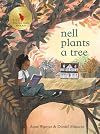
Before children reach for the branches and climb a tree, Nell, a young Black child, holds a seed. Before awestruck children find a nest filled with eggs and watch them hatch, Nell plants the seed. Before children race from the house to the tree, before a child finds a perfect spot for reading under the tree, before sacks of pecans are collected and sweet pies are baked, Nell nurtures the seedling with sunlight and water, then plants the tree. Playful, lovely text alternates between quickly flowing verses on spreads with the children at their grandmother’s home and slower, methodical verses accompanying images of a young Nell planting the tree. As Nell grows from a young mother to a grandmother, with the same white house in the background, the tree also grows and grows until it shelters several generations of Nell’s family. Readers will delight in watching as time goes back and forth, showing connections between past and present in nature and in the family. Pen-and-ink, gouache, and collage illustrations in a muted, nature-inspired palette give a slightly old-fashioned, atmospheric feel to this rich portrayal of an African American family rooted to the land. (This book was reviewed digitally.)
Gorgeous images and text chronicle joyful childhood experiences—a future classic. (author’s and illustrator’s notes) (Picture book. 4-8)
-Kirkus Review
Before children reach for the branches and climb a tree, Nell, a young Black child, holds a seed. Before awestruck children find a nest filled with eggs and watch them hatch, Nell plants the seed. Before children race from the house to the tree, before a child finds a perfect spot for reading under the tree, before sacks of pecans are collected and sweet pies are baked, Nell nurtures the seedling with sunlight and water, then plants the tree. Playful, lovely text alternates between quickly flowing verses on spreads with the children at their grandmother’s home and slower, methodical verses accompanying images of a young Nell planting the tree. As Nell grows from a young mother to a grandmother, with the same white house in the background, the tree also grows and grows until it shelters several generations of Nell’s family. Readers will delight in watching as time goes back and forth, showing connections between past and present in nature and in the family. Pen-and-ink, gouache, and collage illustrations in a muted, nature-inspired palette give a slightly old-fashioned, atmospheric feel to this rich portrayal of an African American family rooted to the land. (This book was reviewed digitally.)
Gorgeous images and text chronicle joyful childhood experiences—a future classic. (author’s and illustrator’s notes) (Picture book. 4-8)
-Kirkus Review
An African humanist philosophy encourages empathy and compassion for others.
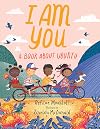
In South Africa, the word ubuntu—from the Nguni languages of isiXhosa and isiZulu—refers to a long-held belief system built on the core principle that one is a person only in relation to another person: “I am, because you are.” The text of this picture book, written in free verse, employs anaphora to elucidate the concept: “When I look into your eyes, / I see your heart. / I embrace you,” and “when I look into your eyes, / I see your beauty. / I love you,” and so on. McDonald’s bright, colorful, digital illustrations are inviting and show positive connections between children from different backgrounds who have varied life experiences: a Black, able-bodied girl dances with a Caucasian boy who uses a wheelchair; an Indian boy, a Black boy, and a White girl living on different floors of the same apartment building warmly greet each other; four children with different skin tones, one of whom wears a hearing aid, walk on a city sidewalk, all sporting matching blue shirts and sharing an exceedingly long scarf. The book does have less sunny moments: On a spread showing three girls jumping rope together while ignoring another girl, the text explains that when one hurts others, self-harm results. While the concept of ubuntu comes from South Africa, McDonald’s visuals could easily translate to any culture or locale.
An edifying, unifying picture book that’s much needed in these show more divisive times. (Picture book. 4-8)
-Kirkus Review show less
In South Africa, the word ubuntu—from the Nguni languages of isiXhosa and isiZulu—refers to a long-held belief system built on the core principle that one is a person only in relation to another person: “I am, because you are.” The text of this picture book, written in free verse, employs anaphora to elucidate the concept: “When I look into your eyes, / I see your heart. / I embrace you,” and “when I look into your eyes, / I see your beauty. / I love you,” and so on. McDonald’s bright, colorful, digital illustrations are inviting and show positive connections between children from different backgrounds who have varied life experiences: a Black, able-bodied girl dances with a Caucasian boy who uses a wheelchair; an Indian boy, a Black boy, and a White girl living on different floors of the same apartment building warmly greet each other; four children with different skin tones, one of whom wears a hearing aid, walk on a city sidewalk, all sporting matching blue shirts and sharing an exceedingly long scarf. The book does have less sunny moments: On a spread showing three girls jumping rope together while ignoring another girl, the text explains that when one hurts others, self-harm results. While the concept of ubuntu comes from South Africa, McDonald’s visuals could easily translate to any culture or locale.
An edifying, unifying picture book that’s much needed in these show more divisive times. (Picture book. 4-8)
-Kirkus Review show less
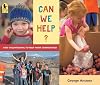
Kids don’t often get a chance to help others outside their families in meaningful ways. This book may change that.
Ancona’s focus is not on connecting readers with specific organizations but on showing kids the myriad ways they can make a difference, whether working with their parents, their friends, their schools, or people in their communities. A classroom’s students knit hats and scarves for the homeless; families harvest produce for soup kitchens; kids bag plums and snacks for needy families; a girl accompanies her dad when he delivers a hot meal to an elderly man; children help train dogs for service jobs; one boy helps another who is disabled to ski; children water young trees during a drought; mentors help younger students with schoolwork; a club cleans up their section of adopted roadway. Ancona gives a general idea of what each volunteer opportunity entails and how long it takes. Lots of pictures fill the spreads. The kids are named in the text, which gives the whole package a nicely personal feel—individuals are doing this work, not generic people. The children are focused and obviously trying their best, but they are also finding time for fun.
While this may be too didactic for many readers to choose on their own, it’s a sure bet for groups and families focused on doing some community service. (Nonfiction. 5-12)
-Kirkus Review
Ancona’s focus is not on connecting readers with specific organizations but on showing kids the myriad ways they can make a difference, whether working with their parents, their friends, their schools, or people in their communities. A classroom’s students knit hats and scarves for the homeless; families harvest produce for soup kitchens; kids bag plums and snacks for needy families; a girl accompanies her dad when he delivers a hot meal to an elderly man; children help train dogs for service jobs; one boy helps another who is disabled to ski; children water young trees during a drought; mentors help younger students with schoolwork; a club cleans up their section of adopted roadway. Ancona gives a general idea of what each volunteer opportunity entails and how long it takes. Lots of pictures fill the spreads. The kids are named in the text, which gives the whole package a nicely personal feel—individuals are doing this work, not generic people. The children are focused and obviously trying their best, but they are also finding time for fun.
While this may be too didactic for many readers to choose on their own, it’s a sure bet for groups and families focused on doing some community service. (Nonfiction. 5-12)
-Kirkus Review
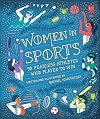
ollowing the format she introduced in Women in Science (2016), author/illustrator Ignotofsky now celebrates women who broke barriers to change the sports world.
The collection represents a variety of figures from all over the globe born between 1881 and 1997, ranging from pioneering white figure skater Madge Syers and Tiny Broadwick, a white sky diver who advised the U.S. military on parachute safety during World War I, to beloved contemporaries such as white swimmer Katie Ledecky and black gymnast Simone Biles. Ignotofsky devotes one spread to each, with a brief profile on the recto and a stylized portrait containing inspirational quotes and facts on the verso. Readers will find stories that surprise and profoundly move them, for a number of these athletes not only battled societal challenges, but also personal hardship. African-American track star Wilma Rudolph overcame polio, segregation, and sexism. French-Canadian Chantal Petitclerc, paralyzed in youth, worked to set five Paralympic world records in wheelchair racing. Cricket player Mithali Raj risked familial displeasure to break records and traditional gender roles in India. Influential sports teams are also included, perhaps most notably the multicultural women of the 2016 Olympics’ Refugee Team, whose stamina proved stunning—first in life-threatening conditions, then in the sports arena. The collection is rounded out by brief introductions to other women athletes and pieces on muscle anatomy and pay and media show more statistics.
Exhaustive and enlightening—don’t miss it. (timeline, conclusion, sources, index.) (Nonfiction. 10-14)
-Kirkus Review show less
The collection represents a variety of figures from all over the globe born between 1881 and 1997, ranging from pioneering white figure skater Madge Syers and Tiny Broadwick, a white sky diver who advised the U.S. military on parachute safety during World War I, to beloved contemporaries such as white swimmer Katie Ledecky and black gymnast Simone Biles. Ignotofsky devotes one spread to each, with a brief profile on the recto and a stylized portrait containing inspirational quotes and facts on the verso. Readers will find stories that surprise and profoundly move them, for a number of these athletes not only battled societal challenges, but also personal hardship. African-American track star Wilma Rudolph overcame polio, segregation, and sexism. French-Canadian Chantal Petitclerc, paralyzed in youth, worked to set five Paralympic world records in wheelchair racing. Cricket player Mithali Raj risked familial displeasure to break records and traditional gender roles in India. Influential sports teams are also included, perhaps most notably the multicultural women of the 2016 Olympics’ Refugee Team, whose stamina proved stunning—first in life-threatening conditions, then in the sports arena. The collection is rounded out by brief introductions to other women athletes and pieces on muscle anatomy and pay and media show more statistics.
Exhaustive and enlightening—don’t miss it. (timeline, conclusion, sources, index.) (Nonfiction. 10-14)
-Kirkus Review show less

Recipient of the 2026 Publication Excellence Award from the East Tennessee Historical Society for promoting youth literacy, and making a meaningful contribution to the preservation and promotion of East Tennessee's Black History.
Overview
Welcome to Knoxville, Tennessee, where an adventure awaits, an adventure of stories that impacted our state. From schools where every child could learn, to a one-armed baseball player with strength in every turn.
From the first Black federal judge who paved the way, to neighborhoods and churches holding the stories of today.
Leaders, scholars, and pioneers alike,
left examples and dreams for all in sight. Travel through the pages, explore, and discover, the milestones and stories awaiting you to uncover.
-Amazon description
Overview
Welcome to Knoxville, Tennessee, where an adventure awaits, an adventure of stories that impacted our state. From schools where every child could learn, to a one-armed baseball player with strength in every turn.
From the first Black federal judge who paved the way, to neighborhoods and churches holding the stories of today.
Leaders, scholars, and pioneers alike,
left examples and dreams for all in sight. Travel through the pages, explore, and discover, the milestones and stories awaiting you to uncover.
-Amazon description
Bold Words from Black Men: Insights and Reflections from 50 Notable Trailblazers Who Influenced the World (The Bold Words Series) by Dr Tamara Pizzoli
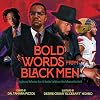
earls of wisdom from Black men from various walks of life.
In this companion to Bold Words From Black Women (2022), illustrated by Monica Ahanonu, Pizzoli curates quotes from people from various walks of life, among them actors, musicians, filmmakers, scientists, athletes, civil rights leaders, and more. In her introduction, she explains that she selected the quotes with her teenage son in mind; these are “words of affirmation, power, resilience, truth, beauty, love, whimsy, wonder, success, faith, spirit, and purpose.” Emphasizing transitions, “especially those that young Black boys and men experience,” she seeks to uplift readers. Appropriately, many quotes will encourage young people to mull the direction of their lives. “What is in your life’s blueprint?” asks Martin Luther King Jr. “What you do now and what you decide at this age may well determine which way your life shall go.” Kendrick Lamar instructs readers to “speak on self; reflection of self first. That’s where the initial change will start from.” Several quotes remind young people to consider those around them. “A life is not important except in the impact that it has on others,” as Jackie Robinson said. Each well-chosen quote is nicely paired with a digital portrait rendered in vivid color and bold strokes, along with brief biographical information and some context on the words.
A handsome and useful volume that will resonate with many young people. (Nonfiction. 10-adult)
-Kirkus Review
In this companion to Bold Words From Black Women (2022), illustrated by Monica Ahanonu, Pizzoli curates quotes from people from various walks of life, among them actors, musicians, filmmakers, scientists, athletes, civil rights leaders, and more. In her introduction, she explains that she selected the quotes with her teenage son in mind; these are “words of affirmation, power, resilience, truth, beauty, love, whimsy, wonder, success, faith, spirit, and purpose.” Emphasizing transitions, “especially those that young Black boys and men experience,” she seeks to uplift readers. Appropriately, many quotes will encourage young people to mull the direction of their lives. “What is in your life’s blueprint?” asks Martin Luther King Jr. “What you do now and what you decide at this age may well determine which way your life shall go.” Kendrick Lamar instructs readers to “speak on self; reflection of self first. That’s where the initial change will start from.” Several quotes remind young people to consider those around them. “A life is not important except in the impact that it has on others,” as Jackie Robinson said. Each well-chosen quote is nicely paired with a digital portrait rendered in vivid color and bold strokes, along with brief biographical information and some context on the words.
A handsome and useful volume that will resonate with many young people. (Nonfiction. 10-adult)
-Kirkus Review
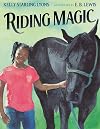
Black child overcomes a fear of horses.
Dom longs to ride like confident big sister Leah and Uncle Blue. But the horses seem so large, so intimidating—their “big bodies, big legs, and big teeth” are unsettling. While Leah rides off with Uncle Blue, Dom stays behind, watching the riders shrink till they’re “tiny as toys.” When Dom confides in Magic, the ebony horse with a coat that “shines like it’s covered with stars,” he seems to understand. That night, Dom dreams of Black riders on horseback calling the child to join them. With encouragement from the rest of the family and time spent brushing Magic’s “stardust” coat, Dom builds the courage to mount. Later, Dom imagines future rides, including riding in a Juneteenth parade. Celebrated artist Lewis renders this tender journey in watercolors that realistically capture the peaceful rural setting and the majestic horses, as well as Dom’s trepidation and growing confidence. The illustrator’s compositions include shadowy, dream-rendered spaces and sun-drenched fields. The paintings’ soft washes and glowing light create an atmosphere of warmth and safety, while Lewis’ skillful handling of Dom’s perspective—showing Dom on the ground against the landscape, then triumphant atop Magic—visually reinforces the youngster’s achievement. Lyons’ interplay of Dom’s heartbeat (“ba-bum”) with the horse’s hoofbeats (“clip-clop”) provides a satisfying rhythmic thread.
A heartening, show more beautifully illustrated testament to patience, trust, and burgeoning courage. (Picture book. 3-7)
-Kirkus Review show less
Dom longs to ride like confident big sister Leah and Uncle Blue. But the horses seem so large, so intimidating—their “big bodies, big legs, and big teeth” are unsettling. While Leah rides off with Uncle Blue, Dom stays behind, watching the riders shrink till they’re “tiny as toys.” When Dom confides in Magic, the ebony horse with a coat that “shines like it’s covered with stars,” he seems to understand. That night, Dom dreams of Black riders on horseback calling the child to join them. With encouragement from the rest of the family and time spent brushing Magic’s “stardust” coat, Dom builds the courage to mount. Later, Dom imagines future rides, including riding in a Juneteenth parade. Celebrated artist Lewis renders this tender journey in watercolors that realistically capture the peaceful rural setting and the majestic horses, as well as Dom’s trepidation and growing confidence. The illustrator’s compositions include shadowy, dream-rendered spaces and sun-drenched fields. The paintings’ soft washes and glowing light create an atmosphere of warmth and safety, while Lewis’ skillful handling of Dom’s perspective—showing Dom on the ground against the landscape, then triumphant atop Magic—visually reinforces the youngster’s achievement. Lyons’ interplay of Dom’s heartbeat (“ba-bum”) with the horse’s hoofbeats (“clip-clop”) provides a satisfying rhythmic thread.
A heartening, show more beautifully illustrated testament to patience, trust, and burgeoning courage. (Picture book. 3-7)
-Kirkus Review show less
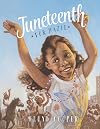
Afather shares an important holiday with his daughter.
Mazie is unhappy because it is bedtime, and she would much rather stay up. She snuggles up to her father, who tells about a big celebration that will occur tomorrow—“on a day we call Juneteenth.” It begins with “Great, Great, Great Grandpa Mose,” who is a slave in the cotton fields until June 19, 1865, when freedom is finally proclaimed in Galveston, Texas. Dancing and celebrating in the streets greet the news. Equality does not necessarily follow, but the day is always remembered. Protests, education and forgiveness, continues the father in his narration, are part of the story, which culminates with the inauguration of Barack Obama. He promises Mazie a day of good food, fun and remembrance. Cooper’s story is straightforward and aimed at an early-elementary audience, but it provides sufficient information to use with older children as an introduction to Juneteenth, which is marking its 150th anniversary in 2015. His full-page artwork—oil paintings in softly textured yellows and browns—captures the tender relationship between a father and daughter and the sadness and pride of their family story. Broad sweeps of history are encapsulated in double-page spreads focusing on determined, prayerful and happy faces.
A quiet and informative picture of belated emancipation. (afterword) (Picture book. 4-9)
-Kirkus Review
Mazie is unhappy because it is bedtime, and she would much rather stay up. She snuggles up to her father, who tells about a big celebration that will occur tomorrow—“on a day we call Juneteenth.” It begins with “Great, Great, Great Grandpa Mose,” who is a slave in the cotton fields until June 19, 1865, when freedom is finally proclaimed in Galveston, Texas. Dancing and celebrating in the streets greet the news. Equality does not necessarily follow, but the day is always remembered. Protests, education and forgiveness, continues the father in his narration, are part of the story, which culminates with the inauguration of Barack Obama. He promises Mazie a day of good food, fun and remembrance. Cooper’s story is straightforward and aimed at an early-elementary audience, but it provides sufficient information to use with older children as an introduction to Juneteenth, which is marking its 150th anniversary in 2015. His full-page artwork—oil paintings in softly textured yellows and browns—captures the tender relationship between a father and daughter and the sadness and pride of their family story. Broad sweeps of history are encapsulated in double-page spreads focusing on determined, prayerful and happy faces.
A quiet and informative picture of belated emancipation. (afterword) (Picture book. 4-9)
-Kirkus Review
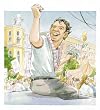
rakow debuts with a first of its kind: a picture-book biography of an important gay-rights figure. Simply, yet naturally, she tells the story of the man who was “the first openly gay elected city official in the United States.” She begins with his childhood—he loved to be the center of attention—and follows his path through high school where he played sports and was a popular student, through the Navy and into a career as a teacher. Somewhere around the age of 14, he realized that he was gay. But as was typical of the time, he kept it a secret for many years, in fear of what would happen to him if people knew. A first relationship that lasted for six years finally broke apart because of the strain of the secret. His move to San Francisco finally freed him from the closet, and he became an active member of his community in the Castro, eventually running for office. Gardner’s sunny pictures occupy two-thirds of each page, depicting a usually smiling fellow happily engaged in being a part of the bigger world, eventually making “laws to ensure the quality of life for all people.” Approaching the end of the story, the illustrations as well as the text take on a darker, grayer mood until candles light the darkness as “the people of San Francisco wept.” Capturing just the right tone for its audience, this is a significant contribution to the genre and a fitting tribute to an ordinary guy turned extraordinary. (epilogue, author's notes, bibliography, Web sites) show more (Biography. 6-9)
-Kirkus Review show less
-Kirkus Review show less
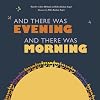
In the beginning, the world was created one day at a time, according to the Creation story of the Jewish tradition.
Day by day, employing simple, descriptive, accessible language, Helfand and Zager describe the first seven days of our world. The first five days are each recounted in a double-page spread, a four-line stanza in aabb verse followed by the mantra “and there was evening and there was morning” with an appropriate description of the particular day, whether it be peaceful or noisy or lively. Day Six is described in three sets of verses, being the day on which a plethora of living things is added to those created on Day Five. Preceding the seventh day there is a quotation from the siddur, the Jewish liturgy, which describes the completion of God’s work. Therefore the seventh day is not numbered but named Shabbat, the holy day of rest. Zager’s imaginative, distinctive illustrations are composed from images created from Hebrew letters that reflect the words of each verse and are so intricately designed as to demand close, careful, and repeated perusal. The book is aimed at young Jewish readers, especially those who are studying or already know their “aleph-bet,” able to read Hebrew. But there is definite appeal across religions and culture in the format, concept, and construction of the work. A picture glossary provides a key to the illustrations and the Hebrew words they are derived from.
Soaring, uplifting, and utterly beautiful. (Picture book/religion. show more 5-10)
-Kirkus Review show less
Day by day, employing simple, descriptive, accessible language, Helfand and Zager describe the first seven days of our world. The first five days are each recounted in a double-page spread, a four-line stanza in aabb verse followed by the mantra “and there was evening and there was morning” with an appropriate description of the particular day, whether it be peaceful or noisy or lively. Day Six is described in three sets of verses, being the day on which a plethora of living things is added to those created on Day Five. Preceding the seventh day there is a quotation from the siddur, the Jewish liturgy, which describes the completion of God’s work. Therefore the seventh day is not numbered but named Shabbat, the holy day of rest. Zager’s imaginative, distinctive illustrations are composed from images created from Hebrew letters that reflect the words of each verse and are so intricately designed as to demand close, careful, and repeated perusal. The book is aimed at young Jewish readers, especially those who are studying or already know their “aleph-bet,” able to read Hebrew. But there is definite appeal across religions and culture in the format, concept, and construction of the work. A picture glossary provides a key to the illustrations and the Hebrew words they are derived from.
Soaring, uplifting, and utterly beautiful. (Picture book/religion. show more 5-10)
-Kirkus Review show less
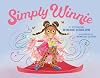
Actor and model Harlow draws from childhood experiences for a picture book about an aspiring fashionista struggling to be herself.
On the first day of school, Winnie, a Black child who, like the author, has vitiligo, is “ready to shine.” Winnie’s been concocting back-to-school outfits all summer long. Whether she’s sporting a “swirl of spunk” or “glimmer of glam,” her look is “simply… Winnie!” Her style intrigues classmate Ella, whose clothes are picked out by her mom. Winnie presents her new friend with a custom-designed hair ornament, but after recess, Ella isn’t wearing it. And when Winnie reinterprets the class picture dress code (because she looks “simply…nothing like Winnie” when she dons the same tiger shirt and khakis as her classmates), the others exclude her from their “tiger club.” When Winnie laments that she “just [doesn’t] fit in,” Grandma, a talented gardener, points out a purple iris among her roses: “It was born to stand out, just the way it is.” Inspired, Winnie creates eclectic accessories for her classmates. Ella dons the bow she’d hidden because it didn’t match her dress, finally realizing that “there’s no wrong way to express your style—or yourself.” An ending spread depicts Winnie and her diverse classmates in a fashion show, all unique and beautiful—“simply as they are.” Though some dialogue feels stilted, Cloud’s energetic cartoon illustrations readily convey Winnie’s emotions, and show more Winnie’s self-confidence will encourage readers to rock their own unique traits.
A sunny celebration of self-expression. (author’s note) (Picture book. 5-8)
-Kirkus Review show less
On the first day of school, Winnie, a Black child who, like the author, has vitiligo, is “ready to shine.” Winnie’s been concocting back-to-school outfits all summer long. Whether she’s sporting a “swirl of spunk” or “glimmer of glam,” her look is “simply… Winnie!” Her style intrigues classmate Ella, whose clothes are picked out by her mom. Winnie presents her new friend with a custom-designed hair ornament, but after recess, Ella isn’t wearing it. And when Winnie reinterprets the class picture dress code (because she looks “simply…nothing like Winnie” when she dons the same tiger shirt and khakis as her classmates), the others exclude her from their “tiger club.” When Winnie laments that she “just [doesn’t] fit in,” Grandma, a talented gardener, points out a purple iris among her roses: “It was born to stand out, just the way it is.” Inspired, Winnie creates eclectic accessories for her classmates. Ella dons the bow she’d hidden because it didn’t match her dress, finally realizing that “there’s no wrong way to express your style—or yourself.” An ending spread depicts Winnie and her diverse classmates in a fashion show, all unique and beautiful—“simply as they are.” Though some dialogue feels stilted, Cloud’s energetic cartoon illustrations readily convey Winnie’s emotions, and show more Winnie’s self-confidence will encourage readers to rock their own unique traits.
A sunny celebration of self-expression. (author’s note) (Picture book. 5-8)
-Kirkus Review show less
Charley's Honky-Tonk Mission: The Story of America's First Black Country Music Superstar by Beatrice Winifred Iker
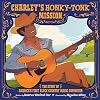
biography of Black country artist Charley Pride (1934-2020), who crossed the color line.
Fittingly, Iker’s first book for kids employs text that could pass for lyrics to a country song (albeit one that doesn’t pay much attention to meter). As a child in Mississippi, Charley loved to sing, and he taught himself to play the guitar. It upset him that people were polarized by race and religion; he wanted to “ride the clouds outta Sledge, Mississippi, / with his rich, ringin’ rhymes / and change the world one ditty, one ditty, / one ditty at a time.” As an adult, Charley performed in clubs at night and played baseball by day until an injury forced him to focus on his music. He eventually became country music’s first major Black star, though he met with resistance from those averse to change (“Not everyone was happy to see / different kinds of people in Charley’s crowds”). Although the text skimps on biographical details that might have interested young readers (e.g., that Pride played baseball in the Negro Leagues goes unmentioned), Iker’s style is well suited to capturing their subject’s emotional life, which included periods of despair. (An author’s note touches on Pride’s struggles with bipolar disorder, which he was open about before doing so was commonplace.) Milien’s cartoonish digital art brims with enthusiasm.
A poetic, worthy ode to a trailblazer. (sources, photo references) (Picture-book biography. 4-8)
-Kirkus Review
Fittingly, Iker’s first book for kids employs text that could pass for lyrics to a country song (albeit one that doesn’t pay much attention to meter). As a child in Mississippi, Charley loved to sing, and he taught himself to play the guitar. It upset him that people were polarized by race and religion; he wanted to “ride the clouds outta Sledge, Mississippi, / with his rich, ringin’ rhymes / and change the world one ditty, one ditty, / one ditty at a time.” As an adult, Charley performed in clubs at night and played baseball by day until an injury forced him to focus on his music. He eventually became country music’s first major Black star, though he met with resistance from those averse to change (“Not everyone was happy to see / different kinds of people in Charley’s crowds”). Although the text skimps on biographical details that might have interested young readers (e.g., that Pride played baseball in the Negro Leagues goes unmentioned), Iker’s style is well suited to capturing their subject’s emotional life, which included periods of despair. (An author’s note touches on Pride’s struggles with bipolar disorder, which he was open about before doing so was commonplace.) Milien’s cartoonish digital art brims with enthusiasm.
A poetic, worthy ode to a trailblazer. (sources, photo references) (Picture-book biography. 4-8)
-Kirkus Review
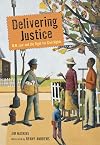
The story of a boy who grew up to be one of Savannah’s Civil Rights leaders is simply told and illustrated with striking oil-and-collage paintings. Jim Crow informed Westley Law’s childhood, as he and his family endured the routine humiliation of segregation. From this beginning, he grew up to become a voters’ rights activist with the NAACP, an activity that barred him from becoming a teacher; instead, he became a letter carrier, a perfect occupation, it turns out, for a grass-roots organizer. Haskins’s understated text is divided into one-spread “chapters,” a technique that helps to lead readers through the rather esoteric process of non-violence training and protest-organizing. These “chapters” are paired with Andrews’s striking paintings, his elongated forms and elegant verticals underscoring the resoluteness of Law’s protesters and the relative peacefulness of the change he was able to effect in Savannah, in dramatic contrast to much of the rest of the South. This pleasing treatment of one man’s efforts to bring about seismic change is marred by a lack of documentation of quoted material, but is followed up with a biographical note. (Picture book/biography. 6-10)
-Kirkus Review
-Kirkus Review

This book, written by historian Dawn Bohulano Mabalon with writer Gayle Romasanta, richly illustrated by Andre Sibayan, tells the story of Larry Itliong's lifelong fight for a farmworkers union, and the birth of one of the most significant American social movements of all time, the farmworker's struggle, and its most enduring union, the United Farm Workers.
-Amazon description
-Amazon description
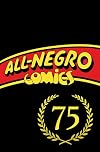
BLACK CAUCUS OF ALA & SCHOOL LIBRARY JOURNAL 2026 CHILDREN & YOUTH LITERARY AWARD WINNER
WINNER OF THE EISNER AWARD FOR BEST ARCHIVAL COLLECTION 2024
The first comic ever created by African Americans, for African Americans.
Three quarters of a century ago, Orrin C. Evans lead a team of cartoonists to create the first comic book anthology of original Black characters created by Black talent, with the expressed purpose of entertaining while rejecting harmful stereotypes and pushing boundaries in the industry. This was only 8 years after Action Comics #1, 6 years after Captain America #1 and a whole 19 years before Black Panther hit the pages of Fantastic Four.
All-Negro Comics #1 should be among those revered moments in comic book history, but the original print run was quickly removed from newsstands and faded into obscurity, remaining largely unknown for 75 years. . . until now.
-Amazon description
WINNER OF THE EISNER AWARD FOR BEST ARCHIVAL COLLECTION 2024
The first comic ever created by African Americans, for African Americans.
Three quarters of a century ago, Orrin C. Evans lead a team of cartoonists to create the first comic book anthology of original Black characters created by Black talent, with the expressed purpose of entertaining while rejecting harmful stereotypes and pushing boundaries in the industry. This was only 8 years after Action Comics #1, 6 years after Captain America #1 and a whole 19 years before Black Panther hit the pages of Fantastic Four.
All-Negro Comics #1 should be among those revered moments in comic book history, but the original print run was quickly removed from newsstands and faded into obscurity, remaining largely unknown for 75 years. . . until now.
-Amazon description
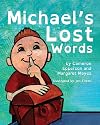
Michael is a skateboard whiz, and he also has a secret not-so-super-power that makes words disappear, and he hates it! It's frustrating and embarrassing. But what is he going to do about it?
Very little information is available in the U.S. about verbal dyspraxia and apraxia. Cameron and Margaret know firsthand about the struggle, and they hope this story will help to promote understanding of, and appreciation for those who live with verbal dyspraxia and apraxia. A compassionate read-aloud story for parents, teachers, and caregivers to share with children ages 5-8.
-Amazon description
Very little information is available in the U.S. about verbal dyspraxia and apraxia. Cameron and Margaret know firsthand about the struggle, and they hope this story will help to promote understanding of, and appreciation for those who live with verbal dyspraxia and apraxia. A compassionate read-aloud story for parents, teachers, and caregivers to share with children ages 5-8.
-Amazon description
Jordan was a boy in elementary school who couldn’t speak yet, so he was trapped inside his brain in Jordan’s World. Jordan has Verbal Apraxia, also known as Childhood Apraxia of Speech, a neurological speech disorder. He knows what he wants to say, but his words don’t always come out. Jordan goes through elementary school not knowing why kids ask him all sorts of questions. He goes to his mom, and his mom is his comforter. The way Jordan is being treated can’t be ignored. So, his mom takes action with the school. Jordan’s mom teaches him and others that being different is okay. Jordan later comes to a point in his life of self-love and radical self-acceptance. He acknowledges being different isn’t a bad thing. After all, we are all made in our own original way. Jordan’s journey has just begun.
-Amazon description
-Amazon description
Not every child communicates in spoken words; however, that hardly means they have nothing to say.Join us on a journey that showcases the power of friendship, connection, and imagination. Beyond Words is a valuable social-emotional teaching tool. This must-have resource will compliment any home library, school, speech language program, or classroom. Through beautiful illustrations and thoughtful text, we come to understand the inner world of children that have differences that others can’t see.Children with speech/language challenges such as Apraxia of Speech (CAS) can often feel isolated and alone. Beyond Words creates an understanding of what life with a communication disorder feels like not only for the child diagnosed but for the child’s peers. Along with highlighting the desire children with special needs have to be included it reminds us that everyone contributes in their own unique ways.When we practice inclusion the fun we can have is Beyond Words. About the Author: Dana Hall is a licensed clinical professional counselor. Her job is to help people to find their voice. When she found out her son was diagnosed with Childhood Apraxia of Speech (CAS) and faced the very real probability that he would never be able to verbally communicate, she felt lost. How could she help him connect to the world? What she did not count on was that he would be teaching her the greatest lesson of all, our connection to each other and to the world is not dependent on any one thing. show more Not being able to speak out loud did not mean he did not have a voice. After years of speech therapy, it was time for Kindergarten and the Hall family was nervous! This book chronicles her son’s experience with his new friends as they go on new adventures proving that love and kindness go Beyond Words!
-Amazon description show less
-Amazon description show less
“In our family, our care for one another flows like a river.”
An unnamed child of Taiwanese descent explores the reciprocal nature of caregiving. A-ma (the young narrator’s grandmother) explains that “the way we care for one another never stops. It connects each generation to the next and back again.” Taking that message to heart, the protagonist tenderly examines a variety of personal relationships. Mama helps A-ma wash and get ready while remembering how A-ma dressed her as a child. The protagonist reflects on how A-gong (Grandfather) “picks me up from school with a smile and a snack”; the child translates for him at his doctors’ appointment. Chung explores how care can be expressed within a family—through “boxes of goodies” sent to those who are far away and by inviting aunts, uncles, cousins, and other relatives into our homes to “eat and laugh” or to cry. “And even when those we love are no longer with us, we stay connected”—handmade clothing and fruit trees planted by deceased members keep the love flowing. Chung’s deceptively simple narrative brims with a joyful warmth heightened by Gonzales' cozy artwork, textured with waves of blended colors and shapes. Chinese and Taiwanese terms are naturally integrated within the text. The recurring allusion to rivers is an inspired—and beautiful—choice, honoring the love that familial structures provide.
A rare and wonderfully rendered tribute to caregiving throughout the generations. show more (author’s note) (Picture book. 4-8)
-Kirkus Review show less
An unnamed child of Taiwanese descent explores the reciprocal nature of caregiving. A-ma (the young narrator’s grandmother) explains that “the way we care for one another never stops. It connects each generation to the next and back again.” Taking that message to heart, the protagonist tenderly examines a variety of personal relationships. Mama helps A-ma wash and get ready while remembering how A-ma dressed her as a child. The protagonist reflects on how A-gong (Grandfather) “picks me up from school with a smile and a snack”; the child translates for him at his doctors’ appointment. Chung explores how care can be expressed within a family—through “boxes of goodies” sent to those who are far away and by inviting aunts, uncles, cousins, and other relatives into our homes to “eat and laugh” or to cry. “And even when those we love are no longer with us, we stay connected”—handmade clothing and fruit trees planted by deceased members keep the love flowing. Chung’s deceptively simple narrative brims with a joyful warmth heightened by Gonzales' cozy artwork, textured with waves of blended colors and shapes. Chinese and Taiwanese terms are naturally integrated within the text. The recurring allusion to rivers is an inspired—and beautiful—choice, honoring the love that familial structures provide.
A rare and wonderfully rendered tribute to caregiving throughout the generations. show more (author’s note) (Picture book. 4-8)
-Kirkus Review show less
The gift of a journal prompts a youngster to ponder the origins of stories.
Accompanied by a younger sibling, Avni packs the notebook and walks a wooded path to visit their Masi (Hindi for aunt). Avni wonders where stories live. What tales lie in a river’s bend, a butterfly’s wings, or the rings of an ancient tree? At Masi’s home, the children draw, create family trees, reminisce over old photos, and cook a family recipe. Avni reflects that stories spring from a need “to create and a wish to share, / the observed, / the imagined, / the remembered, / the unseen, the unknown.” Masi answers Avni’s questions on the walk back home. “What stories live in a journal?” “What stories live in a dance?” “What stories live in us together?” That night, Avni falls asleep content in the knowledge that stories also live in books and our dreams. The introspective tone of Avni’s questions is reflected in the treasures the child encounters in nature. Leaves, butterflies, roots—all are a repository of stories. Patel’s use of soft colors reverberates with a sense of peace and a deep-rooted connection to nature, to family, and to moments of togetherness. The family is brown-skinned and cued as Indian.
Sure to spur wonder and contemplation—and to inspire young writers. (Picture book. 4-8)
-Kirkus Review
Accompanied by a younger sibling, Avni packs the notebook and walks a wooded path to visit their Masi (Hindi for aunt). Avni wonders where stories live. What tales lie in a river’s bend, a butterfly’s wings, or the rings of an ancient tree? At Masi’s home, the children draw, create family trees, reminisce over old photos, and cook a family recipe. Avni reflects that stories spring from a need “to create and a wish to share, / the observed, / the imagined, / the remembered, / the unseen, the unknown.” Masi answers Avni’s questions on the walk back home. “What stories live in a journal?” “What stories live in a dance?” “What stories live in us together?” That night, Avni falls asleep content in the knowledge that stories also live in books and our dreams. The introspective tone of Avni’s questions is reflected in the treasures the child encounters in nature. Leaves, butterflies, roots—all are a repository of stories. Patel’s use of soft colors reverberates with a sense of peace and a deep-rooted connection to nature, to family, and to moments of togetherness. The family is brown-skinned and cued as Indian.
Sure to spur wonder and contemplation—and to inspire young writers. (Picture book. 4-8)
-Kirkus Review
There’s something special about the way Mami uses language.
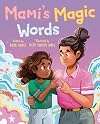
At school, Ms. Hernandez asks the class to complete a worksheet with their favorite Spanish words—the ones that remind them of things they love. The young narrator quickly thinks of vocabulary that family members use at home, like poloché. Borrowed from English and reshaped through Dominican Spanish, these playful words have become part of the family’s everyday language. But when the child writes it down, Ms. Hernandez says it isn’t a real Spanish word. The youngster feels confused. At home, Mami explains that words are gifts passed down by loved ones and that they carry family history and care. Encouraged, the child holds onto that sense of magic. The next day, the protagonist bravely writes “poloché” on the board. That choice inspires classmates to share their own special family words and even encourages Ms. Hernandez to remember a magic word from her own mamá. Valdez has crafted an earnest story about the ways language connects us to family, culture, and memory. The protagonist’s resolve is inspiring, and Sánchez Ayala’s color-soaked illustrations emphasize the joys of heritage. Mami and the protagonist are Latine and brown-skinned.
A heartfelt celebration of the words families create and the sense of belonging they engender. (author’s note) (Picture book. 4-8)
-Kirkus Review
At school, Ms. Hernandez asks the class to complete a worksheet with their favorite Spanish words—the ones that remind them of things they love. The young narrator quickly thinks of vocabulary that family members use at home, like poloché. Borrowed from English and reshaped through Dominican Spanish, these playful words have become part of the family’s everyday language. But when the child writes it down, Ms. Hernandez says it isn’t a real Spanish word. The youngster feels confused. At home, Mami explains that words are gifts passed down by loved ones and that they carry family history and care. Encouraged, the child holds onto that sense of magic. The next day, the protagonist bravely writes “poloché” on the board. That choice inspires classmates to share their own special family words and even encourages Ms. Hernandez to remember a magic word from her own mamá. Valdez has crafted an earnest story about the ways language connects us to family, culture, and memory. The protagonist’s resolve is inspiring, and Sánchez Ayala’s color-soaked illustrations emphasize the joys of heritage. Mami and the protagonist are Latine and brown-skinned.
A heartfelt celebration of the words families create and the sense of belonging they engender. (author’s note) (Picture book. 4-8)
-Kirkus Review
As the sun sets and the moon rises, an unnamed young child says good night to everything in the natural landscape.
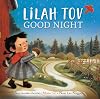
In the simple, brief, descriptive text the child calls out, “Lilah Tov,” to hens and roosters, bears and bats, beaches and waves, clouds and stars, fish and birds, mountains and streams. There is no other narrative, at least not in words. Naggan’s lush, detailed, soft-edged landscapes provide another, deeper, and more nuanced level to the proceedings. “Lilah tov” means “good night” in Hebrew, and there is a menorah on the windowsill, indicating that this family is Jewish. By dress and household appearance, they seem to be living in the late 19th or early 20th century. After a simple meal, they pack their belongings and leave their small rural home. The protagonist is saying good night to the creatures and places spotted on what readers will see as a lengthy journey. Beneath a full moon a man rows them across a body of water, and the journey continues on the other side. At the end of their travels there is a new home awaiting them. They travel quietly and surreptitiously, but there is no explanation within the text of where they are and why they leave. Are they refugees escaping something dreadful? Each young reader will interpret the work differently depending on individual understanding and knowledge of history, or perhaps with a wise adult to help.
Haunting and beautiful. (Picture book. 6-10)
-Kirkus Review
In the simple, brief, descriptive text the child calls out, “Lilah Tov,” to hens and roosters, bears and bats, beaches and waves, clouds and stars, fish and birds, mountains and streams. There is no other narrative, at least not in words. Naggan’s lush, detailed, soft-edged landscapes provide another, deeper, and more nuanced level to the proceedings. “Lilah tov” means “good night” in Hebrew, and there is a menorah on the windowsill, indicating that this family is Jewish. By dress and household appearance, they seem to be living in the late 19th or early 20th century. After a simple meal, they pack their belongings and leave their small rural home. The protagonist is saying good night to the creatures and places spotted on what readers will see as a lengthy journey. Beneath a full moon a man rows them across a body of water, and the journey continues on the other side. At the end of their travels there is a new home awaiting them. They travel quietly and surreptitiously, but there is no explanation within the text of where they are and why they leave. Are they refugees escaping something dreadful? Each young reader will interpret the work differently depending on individual understanding and knowledge of history, or perhaps with a wise adult to help.
Haunting and beautiful. (Picture book. 6-10)
-Kirkus Review
big sister learns a lesson about loving her transgender brother for who he is.
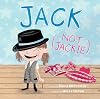
Susan dreams of playing forest fairies and explorers with a little sister. She loves to hear her baby sibling giggle. However, as the baby grows up, Susan struggles to accept their differences in self-expression. Despite their mother’s gentle admonition to let her sibling be, Susan thinks it’s wrong that the person she sees as a sister wants to wear clothes from the boys’ section. After her sibling asks for a short haircut, she feels betrayed when Jack (not Jackie) tells the family he’s Susan’s brother. Remembering how much she loved Jack as a baby helps Susan accept the new transition. Narrated in first person, the story focuses on the feelings of the cisgender sister of a transgender boy. For most of the text, Susan calls her brother “Jackie” and uses she/her pronouns to refer to him. While Susan struggles, their mother offers refreshing acceptance throughout the story with reassurances such as “We wear what feels right.” The characters adhere to gender stereotypes, but the author’s note offers a less binary discussion of gender identity. Illustrations that combine digital line drawing and realistic textures accompany the text and depict Susan, Jack, and their parents as white.
Although this picture book provides a necessary message of acceptance and representation for transgender boys, the narrative remains rooted in a cisgender perspective. (further reading) (Picture book. show more 3-7)
-Kirkus Review show less
Susan dreams of playing forest fairies and explorers with a little sister. She loves to hear her baby sibling giggle. However, as the baby grows up, Susan struggles to accept their differences in self-expression. Despite their mother’s gentle admonition to let her sibling be, Susan thinks it’s wrong that the person she sees as a sister wants to wear clothes from the boys’ section. After her sibling asks for a short haircut, she feels betrayed when Jack (not Jackie) tells the family he’s Susan’s brother. Remembering how much she loved Jack as a baby helps Susan accept the new transition. Narrated in first person, the story focuses on the feelings of the cisgender sister of a transgender boy. For most of the text, Susan calls her brother “Jackie” and uses she/her pronouns to refer to him. While Susan struggles, their mother offers refreshing acceptance throughout the story with reassurances such as “We wear what feels right.” The characters adhere to gender stereotypes, but the author’s note offers a less binary discussion of gender identity. Illustrations that combine digital line drawing and realistic textures accompany the text and depict Susan, Jack, and their parents as white.
Although this picture book provides a necessary message of acceptance and representation for transgender boys, the narrative remains rooted in a cisgender perspective. (further reading) (Picture book. show more 3-7)
-Kirkus Review show less
fantasy-inspired story of gender and identity told by trans writer Thom.
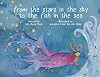
Miu Lan can’t decide if they are a “bird or fish,” “cat or rabbit,” “tree or star.” They were born “when both the moon and the sun were in the sky,” so their identity shifts with the games they play and the time of day. In charming, fancifully childlike illustrations pitched to a young audience, readers see the Chinese child swim, fly, prance, and run in different animal guises. Their mother constantly assures them of her love in a song repeated throughout. Of course, when Miu Lan goes to school in “a tail of peacock feathers and a coat of tiger stripes,” their classmates are not so accepting. Exclusion and mild bullying commence as Miu Lan tries to figure out how to fit in, but their mother continues to reassure them, and of course the story ends with full acceptance: “i was a little jealous,” one boy even admits. (The unconventional use of lowercase letters reinforces the sense of Miu Lan’s fluid identity.) The story is somewhat long-winded and predictable, but the traditional arc and themes can resonate with any child who feels excluded (or excludes others) and can also open up conversations about nonbinary gender identities.
A relevant tale of love and acceptance that can find a home in any children’s collection. (Picture book. 3-7)
-Kirkus Review
Miu Lan can’t decide if they are a “bird or fish,” “cat or rabbit,” “tree or star.” They were born “when both the moon and the sun were in the sky,” so their identity shifts with the games they play and the time of day. In charming, fancifully childlike illustrations pitched to a young audience, readers see the Chinese child swim, fly, prance, and run in different animal guises. Their mother constantly assures them of her love in a song repeated throughout. Of course, when Miu Lan goes to school in “a tail of peacock feathers and a coat of tiger stripes,” their classmates are not so accepting. Exclusion and mild bullying commence as Miu Lan tries to figure out how to fit in, but their mother continues to reassure them, and of course the story ends with full acceptance: “i was a little jealous,” one boy even admits. (The unconventional use of lowercase letters reinforces the sense of Miu Lan’s fluid identity.) The story is somewhat long-winded and predictable, but the traditional arc and themes can resonate with any child who feels excluded (or excludes others) and can also open up conversations about nonbinary gender identities.
A relevant tale of love and acceptance that can find a home in any children’s collection. (Picture book. 3-7)
-Kirkus Review
fantasy-inspired story of gender and identity told by trans writer Thom.
Miu Lan can’t decide if they are a “bird or fish,” “cat or rabbit,” “tree or star.” They were born “when both the moon and the sun were in the sky,” so their identity shifts with the games they play and the time of day. In charming, fancifully childlike illustrations pitched to a young audience, readers see the Chinese child swim, fly, prance, and run in different animal guises. Their mother constantly assures them of her love in a song repeated throughout. Of course, when Miu Lan goes to school in “a tail of peacock feathers and a coat of tiger stripes,” their classmates are not so accepting. Exclusion and mild bullying commence as Miu Lan tries to figure out how to fit in, but their mother continues to reassure them, and of course the story ends with full acceptance: “i was a little jealous,” one boy even admits. (The unconventional use of lowercase letters reinforces the sense of Miu Lan’s fluid identity.) The story is somewhat long-winded and predictable, but the traditional arc and themes can resonate with any child who feels excluded (or excludes others) and can also open up conversations about nonbinary gender identities.
A relevant tale of love and acceptance that can find a home in any children’s collection. (Picture book. 3-7)
-Kirkus Review
Miu Lan can’t decide if they are a “bird or fish,” “cat or rabbit,” “tree or star.” They were born “when both the moon and the sun were in the sky,” so their identity shifts with the games they play and the time of day. In charming, fancifully childlike illustrations pitched to a young audience, readers see the Chinese child swim, fly, prance, and run in different animal guises. Their mother constantly assures them of her love in a song repeated throughout. Of course, when Miu Lan goes to school in “a tail of peacock feathers and a coat of tiger stripes,” their classmates are not so accepting. Exclusion and mild bullying commence as Miu Lan tries to figure out how to fit in, but their mother continues to reassure them, and of course the story ends with full acceptance: “i was a little jealous,” one boy even admits. (The unconventional use of lowercase letters reinforces the sense of Miu Lan’s fluid identity.) The story is somewhat long-winded and predictable, but the traditional arc and themes can resonate with any child who feels excluded (or excludes others) and can also open up conversations about nonbinary gender identities.
A relevant tale of love and acceptance that can find a home in any children’s collection. (Picture book. 3-7)
-Kirkus Review
"An alphabet book to bring change, with the younger generation leading the way.
Nonviolent protests play a major part in history. Sanders wants to ensure that readers learn the importance of taking a stand at an early age. Comparisons to Innosanto Nagara’s A Is for Activist (2013) are inescapable, but this primer carries a bit more depth. It is a direct call to action. The spread for I and J, for instance, pleads: “Inquire. / Invite. / Inform. / Imagine. // Join others on the journey. Join others in the fight.” (The words beginning with I appear on protest signs, while the words beginning with J appear in the narrative text.) The page for S implores readers to “Stand up. / Speak out. / Sit down. / Sing loud. / Be silent.” While the spread for P? A pure white background that whispers a single word: “Pray.” Historical events such as the Delano grape strike (“Boycott! Boycott! Boycott!”) share the book with current ones, such as a protesting football player (“Take a knee”). Schorr’s matte, cut-paper illustrations are full of intricate parts, echoing the ways individuals weave together to form a community. Various races, ages, ethnicities, and abilities are all present. Adult-child interaction is still needed to lift this work to its full potential, but an author’s note and glossary help provide context for an engaging conversation.
Hopeful. (Picture book. 4-10)" From Kirkus, www.kirkusreviews.com
Nonviolent protests play a major part in history. Sanders wants to ensure that readers learn the importance of taking a stand at an early age. Comparisons to Innosanto Nagara’s A Is for Activist (2013) are inescapable, but this primer carries a bit more depth. It is a direct call to action. The spread for I and J, for instance, pleads: “Inquire. / Invite. / Inform. / Imagine. // Join others on the journey. Join others in the fight.” (The words beginning with I appear on protest signs, while the words beginning with J appear in the narrative text.) The page for S implores readers to “Stand up. / Speak out. / Sit down. / Sing loud. / Be silent.” While the spread for P? A pure white background that whispers a single word: “Pray.” Historical events such as the Delano grape strike (“Boycott! Boycott! Boycott!”) share the book with current ones, such as a protesting football player (“Take a knee”). Schorr’s matte, cut-paper illustrations are full of intricate parts, echoing the ways individuals weave together to form a community. Various races, ages, ethnicities, and abilities are all present. Adult-child interaction is still needed to lift this work to its full potential, but an author’s note and glossary help provide context for an engaging conversation.
Hopeful. (Picture book. 4-10)" From Kirkus, www.kirkusreviews.com
No matter your size, shape, or pedigree--if you love each other, you are a family!
Moms, dads, sisters, brothers — and even Great Aunt Sue — appear in dozens of combinations, demonstrating all kinds of nontraditional families! Silly animals are cleverly depicted in framed portraits, and offer a warm celebration of family love.
From School Library Journal
PreS-Gr 1—Imagine a house with many rooms, whose walls each have a different color or wallpaper, accenting a family portrait hanging there. On a rustic wooden wall hangs the first portrait—a large family of ducks posing beside a still pond. The next spread shows three pandas in pink vests, much like the pink oriental wallpaper behind them. Each portrait features a gently rhyming line: "Some children live with their grandparents…/and some live with an aunt./Some children have many pets…/and some just have a plant." All of these appealing images demonstrate different ways of being a family. "Some children live with their father./ Some children have two mothers./Some children are adopted./Some have stepsisters and—brothers." The cartoon-style critters contrast pleasantly with more realistic elements—a bamboo plant, a slender ceramic dog, a fat ceramic cat. Families of hippos, tigers, lions, ostriches, and whales join the other family groups in the final spread. The loud-and-clear message is that "if you love each other, then you are a family." And imagine the many children who will be reassured because they have show more found a portrait of a family they will recognize as their own. A solid choice for most libraries.—Mary Jean Smith, formerly at Southside Elementary School, Lebanon, TN
-Amazon description show less
Moms, dads, sisters, brothers — and even Great Aunt Sue — appear in dozens of combinations, demonstrating all kinds of nontraditional families! Silly animals are cleverly depicted in framed portraits, and offer a warm celebration of family love.
From School Library Journal
PreS-Gr 1—Imagine a house with many rooms, whose walls each have a different color or wallpaper, accenting a family portrait hanging there. On a rustic wooden wall hangs the first portrait—a large family of ducks posing beside a still pond. The next spread shows three pandas in pink vests, much like the pink oriental wallpaper behind them. Each portrait features a gently rhyming line: "Some children live with their grandparents…/and some live with an aunt./Some children have many pets…/and some just have a plant." All of these appealing images demonstrate different ways of being a family. "Some children live with their father./ Some children have two mothers./Some children are adopted./Some have stepsisters and—brothers." The cartoon-style critters contrast pleasantly with more realistic elements—a bamboo plant, a slender ceramic dog, a fat ceramic cat. Families of hippos, tigers, lions, ostriches, and whales join the other family groups in the final spread. The loud-and-clear message is that "if you love each other, then you are a family." And imagine the many children who will be reassured because they have show more found a portrait of a family they will recognize as their own. A solid choice for most libraries.—Mary Jean Smith, formerly at Southside Elementary School, Lebanon, TN
-Amazon description show less
No matter your size, shape, or pedigree--if you love each other, you are a family!
Moms, dads, sisters, brothers — and even Great Aunt Sue — appear in dozens of combinations, demonstrating all kinds of nontraditional families! Silly animals are cleverly depicted in framed portraits, and offer a warm celebration of family love.
From School Library Journal
PreS-Gr 1—Imagine a house with many rooms, whose walls each have a different color or wallpaper, accenting a family portrait hanging there. On a rustic wooden wall hangs the first portrait—a large family of ducks posing beside a still pond. The next spread shows three pandas in pink vests, much like the pink oriental wallpaper behind them. Each portrait features a gently rhyming line: "Some children live with their grandparents…/and some live with an aunt./Some children have many pets…/and some just have a plant." All of these appealing images demonstrate different ways of being a family. "Some children live with their father./ Some children have two mothers./Some children are adopted./Some have stepsisters and—brothers." The cartoon-style critters contrast pleasantly with more realistic elements—a bamboo plant, a slender ceramic dog, a fat ceramic cat. Families of hippos, tigers, lions, ostriches, and whales join the other family groups in the final spread. The loud-and-clear message is that "if you love each other, then you are a family." And imagine the many children who will be reassured because they have show more found a portrait of a family they will recognize as their own. A solid choice for most libraries.—Mary Jean Smith, formerly at Southside Elementary School, Lebanon, TN
-Amazon description show less
Moms, dads, sisters, brothers — and even Great Aunt Sue — appear in dozens of combinations, demonstrating all kinds of nontraditional families! Silly animals are cleverly depicted in framed portraits, and offer a warm celebration of family love.
From School Library Journal
PreS-Gr 1—Imagine a house with many rooms, whose walls each have a different color or wallpaper, accenting a family portrait hanging there. On a rustic wooden wall hangs the first portrait—a large family of ducks posing beside a still pond. The next spread shows three pandas in pink vests, much like the pink oriental wallpaper behind them. Each portrait features a gently rhyming line: "Some children live with their grandparents…/and some live with an aunt./Some children have many pets…/and some just have a plant." All of these appealing images demonstrate different ways of being a family. "Some children live with their father./ Some children have two mothers./Some children are adopted./Some have stepsisters and—brothers." The cartoon-style critters contrast pleasantly with more realistic elements—a bamboo plant, a slender ceramic dog, a fat ceramic cat. Families of hippos, tigers, lions, ostriches, and whales join the other family groups in the final spread. The loud-and-clear message is that "if you love each other, then you are a family." And imagine the many children who will be reassured because they have show more found a portrait of a family they will recognize as their own. A solid choice for most libraries.—Mary Jean Smith, formerly at Southside Elementary School, Lebanon, TN
-Amazon description show less