
Gideon Haigh
Author of The Uncyclopedia
About the Author
Gideon Haigh is an Australian journalist and writer, born in 1965. He was educated at Trinity College at the University of Melbourne. He has contributed to numerous newspapers and magazines in his thirty years as a journalist. He has written thirty books and edited seven others. His book, On Warne, show more won the British Sports Book Awards Best Cricket Book of the Year Award, the Cricket Society and MCC Book of the Year Award, the Jack Pollard Trophy, and the Waverley Library Nib Award. The Office won the NSW Premier's Literary Awards Douglas Stewart Prize for Non-fiction. Other recent titles include Uncertain Corridors: Writings on Modern Cricket, End of the Road?, and The Deserted Newsroom. He was the winner of the 2016 Ned Kelly Awards best true crime award for Certain Admissions. (Bowker Author Biography) show less
Series
Works by Gideon Haigh
The cricket war: The inside story of Kerry Packer's World Series Cricket (1993) 56 copies, 3 reviews
Ashes to ashes : how Australia came back and England came unstuck, 2013-14 (2014) 18 copies, 1 review
The Night was a Bright Moonlight and I Could See a Man Quite Plain: An Edwardian Cricket Murder (2022) 4 copies
Cricket in Mind 2 copies
The Brilliant Boy 1 copy
Moral Hazard: Text Classics 1 copy
An unfinished masterpiece 1 copy
Associated Works
Tagged
Common Knowledge
- Legal name
- Haigh, Gideon Clifford Jeffrey Davidson
- Birthdate
- 1965-12-29
- Gender
- male
- Occupations
- cricket writer
- Relationships
- Warhaft, Sally (ex partner)
- Nationality
- UK (birth)
Australia - Birthplace
- London, England, UK
- Places of residence
- Geelong, Victoria, Australia
Melbourne, Victoria, Australia - Associated Place (for map)
- Victoria, Australia
Members
Reviews
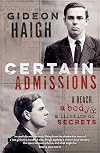
In a leadup event to the 2016 Bendigo Writers Festival, Gideon Haigh came to Dunolly for a discussion with Rosemary Sorensen about CERTAIN ADMISSIONS. A true crime book that I'd been aware of for quite a while, this was the prefect opportunity to sit in the wonderful surrounds of the restored Court House, with a glass of wine and listen to a fascinating session about a case that I'd never heard of before this book.
The research, including the employment of genealogists to investigate family show more trees and backgrounds, and the thought that has gone into this book is clear on every page. As Haigh discussed the genesis of the book, from the conversation that started it, through to the incredible levels of research and detail he looked into, it became clear that not only is this a most fascinating case, it's one that, at the end of the book, readers will most likely still be divided as to John Bryan Kerr's guilt or innocence.
It's also a timely reminder of how badly victim's have, it seems, always been treated, particularly when they are female and, most especially, when they are young and pretty. Newspaper reports of the time are breathtaking in their disrespect, and the "celebrity" built up around the young, handsome and quite debonair chief suspect just flat out odd.
There's also a circus aspect to the trials and a weird sort of celebrity bad-boy image built around Kerr - to be fair not all of his own making at that time - that might be put down to the lack of entertainment options in those day, but really seems like a sad indictment of the worst of voyeuristic human nature. There are also chilling reminders of the difference in policing styles - the idea that the police made up their minds of who was guilty and then a case was "built" to suit that decision - as opposed to current day investigation principles.
Haigh digs through a wealth of materials about John Bryan Kerr - from the trial records to current day newspaper reports, and the recollections of people who knew him. He also does this with the full knowledge and support of the woman he married after having served his time, and their daughter. Haigh's respect and care of their feelings and sensibilities is palpable within the narrative - this is an author whose touch is respectful but thorough, careful and considerate of all sides of what is, after all, the story of the death of a young woman, and a man who lived his life protesting his innocence until the end.
All of which makes CERTAIN ADMISSIONS an excellent true crime novel. It's beautifully constructed and written, engaging, involving, and never resorting to sensationalism. Respect for the subject, and the participants is palpable, as is the struggle that the author had in constructing the story in a fair and accurate manner. It's a considered and careful progression through the facts, always ensuring that the reader is aware when the author is extrapolating or drawing conclusions (done sparingly). It highlights the difficult position the author of this sort of work, without overtly inserting themselves into the narrative. It personalises everyone as much as possible - the victim, the convicted, the police investigator and the family, in particular, of John Bryan Kerr. It's also one of those books that comes to an ending which allows the reader to draw their own conclusions about what happened the night that Beth Williams died.
https://www.austcrimefiction.org/review/review-certain-admissions-gideon-haigh show less
The research, including the employment of genealogists to investigate family show more trees and backgrounds, and the thought that has gone into this book is clear on every page. As Haigh discussed the genesis of the book, from the conversation that started it, through to the incredible levels of research and detail he looked into, it became clear that not only is this a most fascinating case, it's one that, at the end of the book, readers will most likely still be divided as to John Bryan Kerr's guilt or innocence.
It's also a timely reminder of how badly victim's have, it seems, always been treated, particularly when they are female and, most especially, when they are young and pretty. Newspaper reports of the time are breathtaking in their disrespect, and the "celebrity" built up around the young, handsome and quite debonair chief suspect just flat out odd.
There's also a circus aspect to the trials and a weird sort of celebrity bad-boy image built around Kerr - to be fair not all of his own making at that time - that might be put down to the lack of entertainment options in those day, but really seems like a sad indictment of the worst of voyeuristic human nature. There are also chilling reminders of the difference in policing styles - the idea that the police made up their minds of who was guilty and then a case was "built" to suit that decision - as opposed to current day investigation principles.
Haigh digs through a wealth of materials about John Bryan Kerr - from the trial records to current day newspaper reports, and the recollections of people who knew him. He also does this with the full knowledge and support of the woman he married after having served his time, and their daughter. Haigh's respect and care of their feelings and sensibilities is palpable within the narrative - this is an author whose touch is respectful but thorough, careful and considerate of all sides of what is, after all, the story of the death of a young woman, and a man who lived his life protesting his innocence until the end.
All of which makes CERTAIN ADMISSIONS an excellent true crime novel. It's beautifully constructed and written, engaging, involving, and never resorting to sensationalism. Respect for the subject, and the participants is palpable, as is the struggle that the author had in constructing the story in a fair and accurate manner. It's a considered and careful progression through the facts, always ensuring that the reader is aware when the author is extrapolating or drawing conclusions (done sparingly). It highlights the difficult position the author of this sort of work, without overtly inserting themselves into the narrative. It personalises everyone as much as possible - the victim, the convicted, the police investigator and the family, in particular, of John Bryan Kerr. It's also one of those books that comes to an ending which allows the reader to draw their own conclusions about what happened the night that Beth Williams died.
https://www.austcrimefiction.org/review/review-certain-admissions-gideon-haigh show less
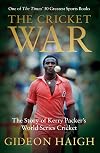
The Cricket War – When the game went to war with itself
The Cricket War by the excellent cricket writer, Gideon Haigh, has been republished and updated since it was first published in 1993. In fact, this book was also made in to a docudrama in Australia, which showed even the none cricket fan what really went on in 1977, when cricket seemed to eat itself.
This is the story of Kerry Packer’s World Series Cricket, something different to the cricket whites and red ball cricket people had show more grown up with. In 1977, Packer was 39 years old, and to some was threatening the whole existence of cricket, to others he was an innovator and a head of his time. Some of what Packer brought into the WSC, we now consider as normal and having been around for so long we cannot remember times, without, for example, pjamama cricket.
To those who today watch one-day cricket and 20/20 cricket and prefer it to county and test cricket, will be shocked to read what went before. This book gives a sense of the history of what happened to create the modern game of cricket as we know it today. From what I remember, to many cricket fans, the creation of the World Series Cricket was more dangerous than a rebel’s tour to apartheid South Africa. Maybe it was, but the sense that Packer could see red ball cricket needed refreshing and that comes across in this book quite clearly to me.
Gideon Haigh has researched and written, in my opinion, one of the best cricket books on the market today. His interviews with the cricketers concerned, not just the reported stories, helps to make this a compulsive read, and gives an insight from a player’s view as to what was actually happening. Not only was this a ground-breaking time for cricket, but for sports media as a whole, and marketing of the game.
What Packer did in 1977, it enabled Sky and Rupert Murdoch to do in the 1990s and it must never be forgotten that it was using his fellow Aussies innovations, that Sky gained a foothold in British sports media, and it was cricket that saved Sky. This was before they helped create the Premier League, again the various TV angles get today again all Packer’s ideas.
This is really a fascinating read, and forty years later it is easy to see the improvements that Packer brought to cricket and sports media. It is also easy to see the failings. This really is an enjoyable book to read, the writing style makes it a pure pleasure to read, and the subject matter interesting. show less
The Cricket War by the excellent cricket writer, Gideon Haigh, has been republished and updated since it was first published in 1993. In fact, this book was also made in to a docudrama in Australia, which showed even the none cricket fan what really went on in 1977, when cricket seemed to eat itself.
This is the story of Kerry Packer’s World Series Cricket, something different to the cricket whites and red ball cricket people had show more grown up with. In 1977, Packer was 39 years old, and to some was threatening the whole existence of cricket, to others he was an innovator and a head of his time. Some of what Packer brought into the WSC, we now consider as normal and having been around for so long we cannot remember times, without, for example, pjamama cricket.
To those who today watch one-day cricket and 20/20 cricket and prefer it to county and test cricket, will be shocked to read what went before. This book gives a sense of the history of what happened to create the modern game of cricket as we know it today. From what I remember, to many cricket fans, the creation of the World Series Cricket was more dangerous than a rebel’s tour to apartheid South Africa. Maybe it was, but the sense that Packer could see red ball cricket needed refreshing and that comes across in this book quite clearly to me.
Gideon Haigh has researched and written, in my opinion, one of the best cricket books on the market today. His interviews with the cricketers concerned, not just the reported stories, helps to make this a compulsive read, and gives an insight from a player’s view as to what was actually happening. Not only was this a ground-breaking time for cricket, but for sports media as a whole, and marketing of the game.
What Packer did in 1977, it enabled Sky and Rupert Murdoch to do in the 1990s and it must never be forgotten that it was using his fellow Aussies innovations, that Sky gained a foothold in British sports media, and it was cricket that saved Sky. This was before they helped create the Premier League, again the various TV angles get today again all Packer’s ideas.
This is really a fascinating read, and forty years later it is easy to see the improvements that Packer brought to cricket and sports media. It is also easy to see the failings. This really is an enjoyable book to read, the writing style makes it a pure pleasure to read, and the subject matter interesting. show less
Beth Williams was 20 when she was strangled to death on a Melbourne beach in the early morning hours of December 28th, 1949. John Bryan Wallace Kerr, who is the central character of Certain Admissions, was convicted in the Victorian Supreme Court of murdering her and sentenced to death by hanging. This was his third trial. Juries in the preceding trials were unable to agree. He was consistent in his denial that he was the murderer. Kerr did not hang. Though he could gain no credit for show more remorse, his sentence was commuted to life. He was released in 1962 and eventually established a new life for himself as ‘John Wallace’, revealing his true identity only to trusted friends. He married, had children, divorced amicably and worked for decades as a sales representative for a pharmaceutical company before retiring and eventually succumbing to age and illness in 2001. During the years when he served his time in Pentridge prison Kerr’s parents campaigned for his release, claiming that justice had miscarried. His wife and daughter, equally convinced of his innocence, sought a posthumous pardon in 2012 based on a hearsay confession, almost certainly false, by a mentally unstable man who said he had killed Beth Williams and two other women.
Gideon Haigh provides a richly detailed and intimate account of Kerr’s three trials and the prosecutors, police, witnesses and judges who participated in the proceedings. He has interviewed survivors and sought out their children and friends in search of some revealing slip or revelation about a man who had good reason to conceal his past. Trove has been ransacked for greyscale newspaper photographs that evoke Melbourne in the post war decade in all its tawdry glitter. Certain Admissions is written in a style of chatty and occasionally jarring journalese. No newsworthy ‘angle’ or promising digression is left unexplored. There is a recurring note of grimy authenticity in Haigh’s descriptions of the police investigations and the murder trials that followed.
Haigh’s quest for the truth about the murder of Beth Williams, which began with his examination of the records of botched police investigations and failed prosecutions, turned into a biography of John Bryan Kerr as he encountered the people who had known him. Haigh argues that the case against Kerr depended essentially on the jury assessment of ‘the kind of man’ he was. In the long retrospect since his conviction in 1950, Kerr’s entire life became Haigh’s subject matter. His quest ends inconclusively with the admission that he remained ‘suspended between balanced disbeliefs’ in search of an unattainable truth.
The murder of Beth Williams was the tragic result of a conjunction of chance events. She had a date with a sailor who failed to meet her at their rendezvous under the clocks at Flinders Street Station. Her sailor had been delayed by a chance meeting with two fellow crewmen. As Beth waited for her date she encountered Kerr, a fleeting acquaintance, who was on his way home after a lucky win on the Moonee Valley races. They began a casual conversation and, when the sailor failed to appear, dined together expensively and afterwards went to a party together. When the party broke up in the early hours of the morning they were driven to Middle Park, a beachside suburb where Beth lived. According to Kerr, they parted before reaching her lodgings and he made his own way home to Toorak. He was the last person known to have seen her alive. Kerr’s defence counsel would ask the jury to infer that she had been the victim of an inexplicable attack by another person.
The prosecution case against Kerr was circumstantial, apart from an unsigned confession of guilt which he said was a police fabrication. The contained the ‘certain admissions’ of the title. Fabrication is quite possible. In the absence of any direct evidence of the identity of a killer, the Homicide Squad had few investigative resources in those years beyond forced or fabricated confessions. In court, Kerr maintained his innocence and testified in a clear, precise and sonorous voice. He was an impressive witness. He had been educated at one of Melbourne’s most exclusive private schools. He was young man of 24, darkly handsome and dressed with impeccable taste. Kerr was meticulous - a man of polished surfaces. The sonorous voice had been cultivated in amateur theatrical productions and by his subsequent training and intermittent career as a radio announcer. In Pentridge he used the same skills to establish and captain the prison debating team. The three murder trials were a Melbourne sensation, stimulated by the breathless newspaper coverage by local journalists. Spectators, predominantly women drawn by the perverse glamour of a prosecution for murder, crowded the galleries of the Court and queued on the footpaths to wait their turn for admission to the court.
The guilty verdict that concluded the third trial before Justice Charles Lowe probably resulted from the more extensive evidence of Kerr’s character and previous conduct that he permitted the jury to hear. There had been earlier incidents that could support the inference that Kerr had strangled Beth Williams in a moment of impulsive rage. Kerr, it now became apparent, was an arrogant, quarrelsome narcissist. When drunk he was prone to episodes of irrational anger and threatened violence followed by amnesia. On these occasions his friends and associates had restrained him, with some difficulty.
A circumstantial case of murder supported by a dubious confession and evidence of prior occasions of irrational violence is suggestive but far from a conclusive proof of guilt. Kerr had not inflicted serious harm on anyone on those earlier occasions. Police were not called. It is possible that Beth Williams was killed after they parted, in another chance encounter with a stranger. In Pentridge Prison Kerr was a model prisoner, though disliked by many of the prison staff and inmates for his arrogance and privileges as the captain of the debating team. In 1956 he was chosen as a member of the Victorian team to debate Queensland in the opening round of the annual Interstate contest, held at Pentridge. The topic was poignant in its whimsical appeal to the prison audience: ‘Luck Plays the Major Role in Shaping Man’s Destiny’. The Victorian team were required to argue the negative case. The Victorians won, Kerr arguing in an emotional address that ‘Man is the handiwork of God. He has the singular gift of free will’. Luck, he declared, is ‘like a ship that passes in the night’, without lasting effect.
Luck and bad luck are inseparable, however, from the circumstances surrounding the murder of Beth Williams and the criminal trials that followed. It is possible, though unlikely, that Kerr was wrongly convicted. If he was innocent he, as well as Beth Williams, was the victim of cruel mischance. Her loss was the greater of course, for his life was spared. If Kerr was rightly convicted of her murder the element of mischance remains, though the implications are more troubling. It was, perhaps, the fatal conjunction of alcohol and some triggering event or argument on a man of his volatile and irrational temper that ended with strangling of Beth Williams on that deserted Middle Park beach. But for their chance meeting under the Flinders Street clocks the course of Kerr’s life suggests that he might have ended his days as one of that uncounted company of men whose propensity for murder remains unconsummated because it is never put to the test. show less
Gideon Haigh provides a richly detailed and intimate account of Kerr’s three trials and the prosecutors, police, witnesses and judges who participated in the proceedings. He has interviewed survivors and sought out their children and friends in search of some revealing slip or revelation about a man who had good reason to conceal his past. Trove has been ransacked for greyscale newspaper photographs that evoke Melbourne in the post war decade in all its tawdry glitter. Certain Admissions is written in a style of chatty and occasionally jarring journalese. No newsworthy ‘angle’ or promising digression is left unexplored. There is a recurring note of grimy authenticity in Haigh’s descriptions of the police investigations and the murder trials that followed.
Haigh’s quest for the truth about the murder of Beth Williams, which began with his examination of the records of botched police investigations and failed prosecutions, turned into a biography of John Bryan Kerr as he encountered the people who had known him. Haigh argues that the case against Kerr depended essentially on the jury assessment of ‘the kind of man’ he was. In the long retrospect since his conviction in 1950, Kerr’s entire life became Haigh’s subject matter. His quest ends inconclusively with the admission that he remained ‘suspended between balanced disbeliefs’ in search of an unattainable truth.
The murder of Beth Williams was the tragic result of a conjunction of chance events. She had a date with a sailor who failed to meet her at their rendezvous under the clocks at Flinders Street Station. Her sailor had been delayed by a chance meeting with two fellow crewmen. As Beth waited for her date she encountered Kerr, a fleeting acquaintance, who was on his way home after a lucky win on the Moonee Valley races. They began a casual conversation and, when the sailor failed to appear, dined together expensively and afterwards went to a party together. When the party broke up in the early hours of the morning they were driven to Middle Park, a beachside suburb where Beth lived. According to Kerr, they parted before reaching her lodgings and he made his own way home to Toorak. He was the last person known to have seen her alive. Kerr’s defence counsel would ask the jury to infer that she had been the victim of an inexplicable attack by another person.
The prosecution case against Kerr was circumstantial, apart from an unsigned confession of guilt which he said was a police fabrication. The contained the ‘certain admissions’ of the title. Fabrication is quite possible. In the absence of any direct evidence of the identity of a killer, the Homicide Squad had few investigative resources in those years beyond forced or fabricated confessions. In court, Kerr maintained his innocence and testified in a clear, precise and sonorous voice. He was an impressive witness. He had been educated at one of Melbourne’s most exclusive private schools. He was young man of 24, darkly handsome and dressed with impeccable taste. Kerr was meticulous - a man of polished surfaces. The sonorous voice had been cultivated in amateur theatrical productions and by his subsequent training and intermittent career as a radio announcer. In Pentridge he used the same skills to establish and captain the prison debating team. The three murder trials were a Melbourne sensation, stimulated by the breathless newspaper coverage by local journalists. Spectators, predominantly women drawn by the perverse glamour of a prosecution for murder, crowded the galleries of the Court and queued on the footpaths to wait their turn for admission to the court.
The guilty verdict that concluded the third trial before Justice Charles Lowe probably resulted from the more extensive evidence of Kerr’s character and previous conduct that he permitted the jury to hear. There had been earlier incidents that could support the inference that Kerr had strangled Beth Williams in a moment of impulsive rage. Kerr, it now became apparent, was an arrogant, quarrelsome narcissist. When drunk he was prone to episodes of irrational anger and threatened violence followed by amnesia. On these occasions his friends and associates had restrained him, with some difficulty.
A circumstantial case of murder supported by a dubious confession and evidence of prior occasions of irrational violence is suggestive but far from a conclusive proof of guilt. Kerr had not inflicted serious harm on anyone on those earlier occasions. Police were not called. It is possible that Beth Williams was killed after they parted, in another chance encounter with a stranger. In Pentridge Prison Kerr was a model prisoner, though disliked by many of the prison staff and inmates for his arrogance and privileges as the captain of the debating team. In 1956 he was chosen as a member of the Victorian team to debate Queensland in the opening round of the annual Interstate contest, held at Pentridge. The topic was poignant in its whimsical appeal to the prison audience: ‘Luck Plays the Major Role in Shaping Man’s Destiny’. The Victorian team were required to argue the negative case. The Victorians won, Kerr arguing in an emotional address that ‘Man is the handiwork of God. He has the singular gift of free will’. Luck, he declared, is ‘like a ship that passes in the night’, without lasting effect.
Luck and bad luck are inseparable, however, from the circumstances surrounding the murder of Beth Williams and the criminal trials that followed. It is possible, though unlikely, that Kerr was wrongly convicted. If he was innocent he, as well as Beth Williams, was the victim of cruel mischance. Her loss was the greater of course, for his life was spared. If Kerr was rightly convicted of her murder the element of mischance remains, though the implications are more troubling. It was, perhaps, the fatal conjunction of alcohol and some triggering event or argument on a man of his volatile and irrational temper that ended with strangling of Beth Williams on that deserted Middle Park beach. But for their chance meeting under the Flinders Street clocks the course of Kerr’s life suggests that he might have ended his days as one of that uncounted company of men whose propensity for murder remains unconsummated because it is never put to the test. show less
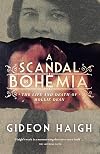
A sad but inspiring story of a talented and vivacious young woman who inhabited the fringes of Melbourne's Bohemian set in the 20s. Mary "Mollie" Dean was forthright and sexually liberated, and became an object of fascination for those in the artistic and literary scene, gravitating to the maelstrom of feuds, friendships and bed-hopping surrounding the controversial tonalist school. She showed great promise herself as a writer with her poems and short stories being published by several show more journals, but her life was tragically cut short when she was brutally murdered in November 1930 while walking home late at night. The murder remains unsolved, the chief suspect was a man who her overbearing mother was pushing her to marry, but policed focussed on the suspect in the murder of another young girl, in any case no-one was brought to trial. The author discovered that little trace of Mollie Dean's life remains, just a single photograph, some records from her teaching career, her poems and stories in obscure journals and two haunting nude paintings of her created by her lover Colin Colahan, one of which was painted just hours before her death. However Haigh found that Dean left a lasting impression on those who knew her, and that her death was one of the contributing factors to the breakdown of the artistic set she inhabited. She was also immortalised as a character in George Johnston's popular novel My Brother Jack. I found this a great read, both sad and intriguing, painstakingly researched and well-written. Haigh has managed to bring to life both a talented young woman who was nearly forgotten and the fascinating bohemian scene of Jazz Age Melbourne. Excellent book all round. show less
Lists
Awards


You May Also Like


Associated Authors
Statistics
- Works
- 67
- Also by
- 9
- Members
- 1,184
- Popularity
- #21,706
- Rating
- 3.9
- Reviews
- 36
- ISBNs
- 161
- Languages
- 3
- Favorited
- 6