
Harriet Brown (1) (1958–)
Author of The Babysitter's Handbook: The Care and Keeping of Kids (American Girl Library)
For other authors named Harriet Brown, see the disambiguation page.
Works by Harriet Brown
Body of Truth: How Science, History, and Culture Drive Our Obsession with Weight--and What We Can Do about It (2015) 103 copies, 2 reviews
The Promised Land 1 copy
Associated Works
Cries of the Spirit: A Celebration of Women's Spirituality (2000) — Contributor — 403 copies, 2 reviews
Tagged
Common Knowledge
- Birthdate
- 1958
- Gender
- female
- Education
- Brooklyn College (MFA|Poetry)
Lafayette College (A.B. English) - Occupations
- professor
- Organizations
- Syracuse University (Assitant Professor | Magazine Journalism)
- Agent
- Miriam Altshuler
- Nationality
- USA
- Places of residence
- Syracuse, New York, USA
- Associated Place (for map)
- New York, USA
Members
Reviews
Body of Truth: How Science, History, and Culture Drive Our Obsession with Weight--and What We Can Do about It by Harriet Brown
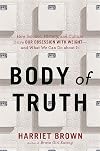
While Brown includes much of the science I'm already familiar with from other book and adds more recent studies, this book thankfully does not implicitly or complicity endorse dieting or other disordered views of food and the body. Yes, I've read books where the author is "being fat is okay" and then comes out with food rules and moralizes food so they still covertly hate fat people. She's rather frank about her own struggles along with having a daughter that struggled with anorexia. Brown show more is also willing to call out those that focus on dieting and shaming and how they are really part of the problem rather than any solution. She also points how it's a person's appearance and their morality that we judge when we say "fat is bad" when we really mean the person is inherently bad. People say they hate fat because it makes them feel morally superior to fat people.
Guess what? They're wrong. They aren't morally superior, just jerks. And it's wonderful that people come in all shapes, sizes, and colors. It allows us to be unique rather than cookie cutter copies. show less
Guess what? They're wrong. They aren't morally superior, just jerks. And it's wonderful that people come in all shapes, sizes, and colors. It allows us to be unique rather than cookie cutter copies. show less
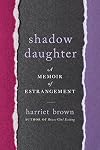
Harriet Brown admits she led a pretty good childhood; she was not physically abused (much), she had food and clothing, hers was not a broken home. But her mother was emotionally abusive, tearing Harriet down constantly. No one could praise Harriet without her mother cutting in, and telling them they didn’t know Harriet like she did, that Harriet was in fact a horrible child, self-centered and selfish. Harriet got out of the house as soon as she could, at 16, but it was hard to overcome the show more drive to stay close to her family. Our society says the family is important, and that you are screwed up if you aren’t close to them. Finally, she had enough, and severed ties with her mother, not just for her benefit but for that of her own daughters.
The author mixes her own story in with those of others, and with psychological research. This isn’t just her complaining; emotional abuse IS abuse, and it can scar a person for the rest of their life, causing them to not trust themselves. I have a couple of dear friends who have/had abusive mothers, and they have both had to cut off communications for the sake of their sanity.
She may have been five thousand miles away when her mother’s funeral took place, but it was for the best. The rest of the family wouldn’t have wanted her there, and it would have been hypocrisy for her to weep and wail. She had already wasted hours, days, weeks of her life trying to appease her mother, trying to get her approval. Now, approval and love would never come.
I think what I found even more chilling than her mother’s treatment of her was her father’s ignoring it. He said to the author that if he didn’t take her mother’s side, she would leave him. He picked his wife over his daughter. After her death, he said he did not want to hear from her for a long time. They are slowly rebuilding a relationship, with him learning to like her, to see her as she really is rather than through the lens of her mother’s hatred.
While there is some repetition in the book, it’s well written. I felt pain for what the author went through. I think this book is an important one for adult children of emotionally abusive parent’s to read. show less
The author mixes her own story in with those of others, and with psychological research. This isn’t just her complaining; emotional abuse IS abuse, and it can scar a person for the rest of their life, causing them to not trust themselves. I have a couple of dear friends who have/had abusive mothers, and they have both had to cut off communications for the sake of their sanity.
She may have been five thousand miles away when her mother’s funeral took place, but it was for the best. The rest of the family wouldn’t have wanted her there, and it would have been hypocrisy for her to weep and wail. She had already wasted hours, days, weeks of her life trying to appease her mother, trying to get her approval. Now, approval and love would never come.
I think what I found even more chilling than her mother’s treatment of her was her father’s ignoring it. He said to the author that if he didn’t take her mother’s side, she would leave him. He picked his wife over his daughter. After her death, he said he did not want to hear from her for a long time. They are slowly rebuilding a relationship, with him learning to like her, to see her as she really is rather than through the lens of her mother’s hatred.
While there is some repetition in the book, it’s well written. I felt pain for what the author went through. I think this book is an important one for adult children of emotionally abusive parent’s to read. show less
Review One
This is a book written by a mother for mothers. It is the story of a loving, well-educated and unusually sensible mother.
Review Two
This is the story of a mother who finds herself in a situation no mother wants. Brown is the mother of a daughter who won't eat, the mother of a daughter who is at risk of dying from anorexia nervosa. She is also a mother who discovers the medical profession and in particular the psychiatric profession is ill-equipped to step in and provide her and her show more family with what they so desperately need - effective and compassionate treatment.
Review Three
This is the story of a mother who on making this 'discovery' is forced to read all the literature available and take 'therapy' into her own hands. In Brown's case this means refusing to hand over her daughter to 'experts', refusing to send her daughter away to a distant inpatient program. And instead wisely electing to embark on a "home-based" re-feeding program.
Her decision - informed by the works of Salvador Minuchin, Chris Dare and Ivan Eisler and advocated by groups such as the Maudsley Parents - requires her, requires parent/parents set limits. Set firm and consistent psychological and physical boundaries.
It is an approach which understands that no matter how stressful (and as Brown describes so well - it is deeply distressing and stressful for all concerned) it is vital the person with the condition feels safe, loved and knows that no matter how hard the journey is going to be their parents are not going to give up, not going to disappear, but rather insist that they eat.
Review Four
This book powerfully illuminates how the current push towards a primarily biological and genetic based understanding of mentall ilness has significantly de-skilled the practice of medicine, the art of medicine. An art well-understood by psychiatric professionals such as Salvador Munichin who pioneered the family-based treatment approach to eating disorders.
This art has been lost in part because of a heavy reliance these days on 'recipe-based', on 'cookbook', on 'insurance-like manuals' such as the DSM IV TR. These books with their on focus diagnostic tools which resemble a tick-a-box mentality have created a climate in which professionals are discouraged from understanding the context in which a mental illness occurs. The psychological context in which treatment must occur.
In other words the current focus on the 'biological' signs and understandings of anorexia nervosa have led to a therapeutic nihilism - a therapeutic desert. With many professionals unaware the illness needs to be treated in a holistic manner - that it is imperative any 'biological' understandings are incorporated within a psychological understanding of how best to treat.
Review Four
The majority of interactions between Brown, her daughter Kitty and the medical profession as described by Brown are disappointing. And further illustrate how the push towards biological certainty, to brain scans and blood tests to determine the 'cause' of anorexia nervosa has whittled away the profession's competence and understanding of the psychological aspects of treatment. In Brown's case it is only a psychotherapeutically-trained nurse and a gentle family pediatrician who are capable of providing Brown and her daughter with what they need - support and an understanding of what they are trying to achieve.
Review Six
This book takes aim at the "psychodynamic" understandings of anorexia nervosa, particularly the work of Hilde Bruch. Brown understandably and wisely wants to focus on recovery rather than play the blame game. However at times her determination to see and understand anorexia nervosa as primarily a 'biological disorder' as something that can appear out of the blue blinds her to the important contributions authors such as Bruch have made. Bruch was not interested in assigning blame but rather in understanding the psychological context of the illness and how recovery is all about putting in place a psychological framework that will enable the person with the illness to fully recover. A framework Brown herself, so wisely put in place. show less
This is a book written by a mother for mothers. It is the story of a loving, well-educated and unusually sensible mother.
Review Two
This is the story of a mother who finds herself in a situation no mother wants. Brown is the mother of a daughter who won't eat, the mother of a daughter who is at risk of dying from anorexia nervosa. She is also a mother who discovers the medical profession and in particular the psychiatric profession is ill-equipped to step in and provide her and her show more family with what they so desperately need - effective and compassionate treatment.
Review Three
This is the story of a mother who on making this 'discovery' is forced to read all the literature available and take 'therapy' into her own hands. In Brown's case this means refusing to hand over her daughter to 'experts', refusing to send her daughter away to a distant inpatient program. And instead wisely electing to embark on a "home-based" re-feeding program.
Her decision - informed by the works of Salvador Minuchin, Chris Dare and Ivan Eisler and advocated by groups such as the Maudsley Parents - requires her, requires parent/parents set limits. Set firm and consistent psychological and physical boundaries.
It is an approach which understands that no matter how stressful (and as Brown describes so well - it is deeply distressing and stressful for all concerned) it is vital the person with the condition feels safe, loved and knows that no matter how hard the journey is going to be their parents are not going to give up, not going to disappear, but rather insist that they eat.
Review Four
This book powerfully illuminates how the current push towards a primarily biological and genetic based understanding of mentall ilness has significantly de-skilled the practice of medicine, the art of medicine. An art well-understood by psychiatric professionals such as Salvador Munichin who pioneered the family-based treatment approach to eating disorders.
This art has been lost in part because of a heavy reliance these days on 'recipe-based', on 'cookbook', on 'insurance-like manuals' such as the DSM IV TR. These books with their on focus diagnostic tools which resemble a tick-a-box mentality have created a climate in which professionals are discouraged from understanding the context in which a mental illness occurs. The psychological context in which treatment must occur.
In other words the current focus on the 'biological' signs and understandings of anorexia nervosa have led to a therapeutic nihilism - a therapeutic desert. With many professionals unaware the illness needs to be treated in a holistic manner - that it is imperative any 'biological' understandings are incorporated within a psychological understanding of how best to treat.
Review Four
The majority of interactions between Brown, her daughter Kitty and the medical profession as described by Brown are disappointing. And further illustrate how the push towards biological certainty, to brain scans and blood tests to determine the 'cause' of anorexia nervosa has whittled away the profession's competence and understanding of the psychological aspects of treatment. In Brown's case it is only a psychotherapeutically-trained nurse and a gentle family pediatrician who are capable of providing Brown and her daughter with what they need - support and an understanding of what they are trying to achieve.
Review Six
This book takes aim at the "psychodynamic" understandings of anorexia nervosa, particularly the work of Hilde Bruch. Brown understandably and wisely wants to focus on recovery rather than play the blame game. However at times her determination to see and understand anorexia nervosa as primarily a 'biological disorder' as something that can appear out of the blue blinds her to the important contributions authors such as Bruch have made. Bruch was not interested in assigning blame but rather in understanding the psychological context of the illness and how recovery is all about putting in place a psychological framework that will enable the person with the illness to fully recover. A framework Brown herself, so wisely put in place. show less
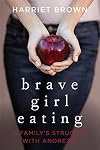
"Brave Girl Eating" is the story of Harriet Brown's struggle to help her daughter beat anorexia. It was a moving portrayal of what this disease does to a family and how it affects each member differently. I thought this book was well written and provided a good bit of factual information about the disease. As I read it I thought of my own daughter who at the age of 7 has a healthy relationship with food but this book illustrated to me how quickly and unexpectedly that can change. I ...more show more "Brave Girl Eating" is the story of Harriet Brown's struggle to help her daughter beat anorexia. It was a moving portrayal of what this disease does to a family and how it affects each member differently. I thought this book was well written and provided a good bit of factual information about the disease. As I read it I thought of my own daughter who at the age of 7 has a healthy relationship with food but this book illustrated to me how quickly and unexpectedly that can change. I hope that I will never have to use the tips I learned in this book to help my own child, but I am grateful to Harriet Brown for sharing them with me. show less
Lists
Awards


You May Also Like
Associated Authors
Statistics
- Works
- 17
- Also by
- 1
- Members
- 1,187
- Popularity
- #21,659
- Rating
- 4.0
- Reviews
- 16
- ISBNs
- 54
- Languages
- 3
