
Katherine May (1)
Author of Wintering: The Power of Rest and Retreat in Difficult Times
For other authors named Katherine May, see the disambiguation page.
About the Author
Image credit: via Penguin Random House
Works by Katherine May
The Best Most Awful Job: Twenty Writers Talk Honestly About Motherhood (2020) — Editor — 23 copies, 2 reviews
A Diary of Slow Progress 1 copy
Associated Works
Tagged
Common Knowledge
- Birthdate
- 1990s
- Gender
- female
- Nationality
- England
UK - Places of residence
- Whitstable, Kent, England, UK
- Map Location
- England, UK
Members
Reviews
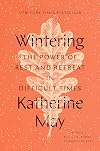
I acquired this book because it had good reviews, and because I enjoy personal essays and reflections, especially when they include natural facts and descriptions. Katherine May lives by the seaside in England. She has published essays and journalism. Her wintering began when she quit her job as a writing teacher, and her husband came close to dying from appendicitis. Her second or third grade son could no longer stand being in school, and started home schooling instead. These lead her to show more depression (she is irritable, has early morning awakening, change in appetite, and fatigue) and to writing about winter, starting in September and arranged in monthly chapters until May. She writes lyrically about the weather, the snow, hibernating, organizing her home, baking and teaching her child. She discovers swimming in the sea in winter, with another woman. She worries about money, gives up on a place outside the home for writing, and sleeps a lot. She recalls trips to Trömso, Norway to see the northern lights.
“Seeing them is an uncertain experience, almost an act of faith. You have to get your eye in, and I don’t think I would ever have spotted them at all had I not been told they were there.
There is nothing showy about the northern lights, nothing obvious or demanding. They hide from you at first, and then they whisper to you”
She experiences an ice storm, a common occurrence in Maryland but apparently rare in England. She writes that Eden Phillpotts, an author of A Shadow Passes in 1918, calls in an “ammil”, a corruption of “enamel”. She goes to a voice teacher because she loses her voice, and visits a bee keeper.
She is thinking to attract sympathy for her need for rest and retreat, and the book is certainly beautifully written. However, I note that she is writing the book and collecting quotes for it as she “winters”, and ultimately, the book will pay the bills. As someone who has worked steadily for forty five years as a busy physician, with the longest vacation being 6 weeks, her wintering seems like a tremendous self indulgence. show less
“Seeing them is an uncertain experience, almost an act of faith. You have to get your eye in, and I don’t think I would ever have spotted them at all had I not been told they were there.
There is nothing showy about the northern lights, nothing obvious or demanding. They hide from you at first, and then they whisper to you”
She experiences an ice storm, a common occurrence in Maryland but apparently rare in England. She writes that Eden Phillpotts, an author of A Shadow Passes in 1918, calls in an “ammil”, a corruption of “enamel”. She goes to a voice teacher because she loses her voice, and visits a bee keeper.
She is thinking to attract sympathy for her need for rest and retreat, and the book is certainly beautifully written. However, I note that she is writing the book and collecting quotes for it as she “winters”, and ultimately, the book will pay the bills. As someone who has worked steadily for forty five years as a busy physician, with the longest vacation being 6 weeks, her wintering seems like a tremendous self indulgence. show less
Summary: A memoir exploring the importance of winters in our lives and the importance of the inward turn and care for ourselves in such seasons.
In the autumn of a recent year, in rapid succession, Katherine May’s husband faced a long recovery from a burst appendix. As he recovered, Katherine got sicker with worrisome intestinal symptoms of her own. Meanwhile, her son’s struggles with school became so severe that he refused to attend. With all this, Katherine gave her notice at her show more teaching job. She realized this was a time of wintering, not only as autumn turned to winter, but a winter of difficulties settled into their lives. Out of this experience, as well as a formative earlier “wintering” experience of depression at seventeen, she wrote this book, arguing it is not only our physical world that needs winter but that wintering can be formative in our lives:
“Once we stop wishing it were summer, winter can be a glorious season in which the world takes on a sparse beauty and even the pavements sparkle. It’s a time for reflection and recuperation, for slow replenishments, for putting your house in order” (p. 14).
May’s book was published February of 2020, when many of us were facing the long winter of the COVID pandemic. Her book gave words to the inchoate experience of many trying to understand what had been happening and could happen in their lives during these experiences. The book traverses seven months from September through late March. The struggles leading to this onset of “winter”, the forced rest of her condition, the re-centering of life around home, including cooking to occupy the hands as well as to eat. She realizes the tension she has lived under that may be coming out in her body. She has time for books waiting to have been read. She rediscovers sleep and even the first and second sleeps with an hour or so of wakefulness between, the longer hours of sleep in winter, mimicking the hibernation of other creatures
She also discovers the life of winter. She takes saunas as part of a cruise to Iceland. She delves into the pagan festival of Samhain, at Halloween, this liminal moment between light and darkness, living and dying. With the turn to November, Samhain gives way to Cailleach, the hag deity who freezes the ground until Brighde takes over in spring. In all this she becomes newly aware of life’s cyclical character–the dropping of leaves and the buds already present for the new year. She celebrates Saint Lucy and the lighting of candles in a Swedish church. She rises early to watch the winter solstice sun rise at Stonehenge and considers the earthward religion Christianity replaced and develops both practices religious and secular to mark a pagan counterpart to Christmastide. January takes them to Norway and the northern lights. She considers the significance of wolves in nature and literature, including Lewis’s Narnia Chronicles. She describes the powerful effect of swimming in cold water with friends, even for three minutes. And as spring emerges she draws lessons from observing the merger of two colonies of bees in a hive when the queen of one is dying. She describes the re-emergence of her lost voice and her ability to sing once more under the care of a voice teacher. She speaks of how wrong it is to tie singing to talent:
“The right to sing is an absolute, regardless o how it sounds to the outside world. We sing because we must. We sing because it fills our lungs with nourishing air, and lets our hearts sour with the notes we let out” (p. 228).
May faced the onslaught of winter. Her encouragement is not to evade winter but learn from it. Take time to query our unhappiness. Slow down to take care of oneself with sleep and food and fresh air. Learn from winter in the world about us. Discover the richness in winter.
There is much of beauty in this book. I also found it a striking reflection of a turn from Christian faith while retaining its language of retreat and rest. The author recognizes what Christian spiritual directors have long known of how the liminal space of spiritual winters refine and renew, a knowledge I find many Christians trying to evade. I cannot commend the turn to pagan gods and rituals but the recognition of seasons and the importance of the practices that remind us of the story in which we live is worth reflection. For those who come across this book post-pandemic, it may offer language to reflect upon that winter in our lives. Winter comes to all of us, for many of us multiple times. Will we be spiritual “snowbirds” who flee it or will we lean into its lessons, bundle up, and grow resilient? show less
In the autumn of a recent year, in rapid succession, Katherine May’s husband faced a long recovery from a burst appendix. As he recovered, Katherine got sicker with worrisome intestinal symptoms of her own. Meanwhile, her son’s struggles with school became so severe that he refused to attend. With all this, Katherine gave her notice at her show more teaching job. She realized this was a time of wintering, not only as autumn turned to winter, but a winter of difficulties settled into their lives. Out of this experience, as well as a formative earlier “wintering” experience of depression at seventeen, she wrote this book, arguing it is not only our physical world that needs winter but that wintering can be formative in our lives:
“Once we stop wishing it were summer, winter can be a glorious season in which the world takes on a sparse beauty and even the pavements sparkle. It’s a time for reflection and recuperation, for slow replenishments, for putting your house in order” (p. 14).
May’s book was published February of 2020, when many of us were facing the long winter of the COVID pandemic. Her book gave words to the inchoate experience of many trying to understand what had been happening and could happen in their lives during these experiences. The book traverses seven months from September through late March. The struggles leading to this onset of “winter”, the forced rest of her condition, the re-centering of life around home, including cooking to occupy the hands as well as to eat. She realizes the tension she has lived under that may be coming out in her body. She has time for books waiting to have been read. She rediscovers sleep and even the first and second sleeps with an hour or so of wakefulness between, the longer hours of sleep in winter, mimicking the hibernation of other creatures
She also discovers the life of winter. She takes saunas as part of a cruise to Iceland. She delves into the pagan festival of Samhain, at Halloween, this liminal moment between light and darkness, living and dying. With the turn to November, Samhain gives way to Cailleach, the hag deity who freezes the ground until Brighde takes over in spring. In all this she becomes newly aware of life’s cyclical character–the dropping of leaves and the buds already present for the new year. She celebrates Saint Lucy and the lighting of candles in a Swedish church. She rises early to watch the winter solstice sun rise at Stonehenge and considers the earthward religion Christianity replaced and develops both practices religious and secular to mark a pagan counterpart to Christmastide. January takes them to Norway and the northern lights. She considers the significance of wolves in nature and literature, including Lewis’s Narnia Chronicles. She describes the powerful effect of swimming in cold water with friends, even for three minutes. And as spring emerges she draws lessons from observing the merger of two colonies of bees in a hive when the queen of one is dying. She describes the re-emergence of her lost voice and her ability to sing once more under the care of a voice teacher. She speaks of how wrong it is to tie singing to talent:
“The right to sing is an absolute, regardless o how it sounds to the outside world. We sing because we must. We sing because it fills our lungs with nourishing air, and lets our hearts sour with the notes we let out” (p. 228).
May faced the onslaught of winter. Her encouragement is not to evade winter but learn from it. Take time to query our unhappiness. Slow down to take care of oneself with sleep and food and fresh air. Learn from winter in the world about us. Discover the richness in winter.
There is much of beauty in this book. I also found it a striking reflection of a turn from Christian faith while retaining its language of retreat and rest. The author recognizes what Christian spiritual directors have long known of how the liminal space of spiritual winters refine and renew, a knowledge I find many Christians trying to evade. I cannot commend the turn to pagan gods and rituals but the recognition of seasons and the importance of the practices that remind us of the story in which we live is worth reflection. For those who come across this book post-pandemic, it may offer language to reflect upon that winter in our lives. Winter comes to all of us, for many of us multiple times. Will we be spiritual “snowbirds” who flee it or will we lean into its lessons, bundle up, and grow resilient? show less
A lyrical, kind, insightful book on taking a step back to re-group. But it's more than that - it shows the path that Katherine May took when she had to stop her own life in the face of illness. The biggest strength is her way of giving validation to those times in our lives when we, too, are faced with the challenges life throws at us, and the rightness of retreating from the world to emerge whole on the other side. Her observations of her native English seaside and towns add a grounding to show more this slim volume.
She speaks with a friend from Finland, who talks about the steps the Finns have to take each year to prepare for the winter. Because it always comes. She speaks with a Druid and joins a group celebrating the Midwinter sunrise at Stonehenge. She discusses dormice, those quintessential English sleepers who spend so much time fattening up before slipping into their annual hibernation.
I found myself taking heart from her examples and the underlying message: winter will always come around again. The challenge is how we prepare for and nurture ourselves during those times. show less
She speaks with a friend from Finland, who talks about the steps the Finns have to take each year to prepare for the winter. Because it always comes. She speaks with a Druid and joins a group celebrating the Midwinter sunrise at Stonehenge. She discusses dormice, those quintessential English sleepers who spend so much time fattening up before slipping into their annual hibernation.
I found myself taking heart from her examples and the underlying message: winter will always come around again. The challenge is how we prepare for and nurture ourselves during those times. show less
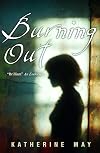
Katherine May has a track record of ghost stories, but this tale of a woman whose life unravels after a chance encounter is more haunting than haunted, and for me that’s a good thing.
The premise is intriguing. On a visit to her home town, Violet catches sight of a girl whom she sees to be herself, ten years younger. She is sufficiently traumatised by this to question her subsequent lifestyle choices, and just as we see how bizarre these choices have been, she casts herself off from all of show more them and goes in search of the girl. This is a neat way of framing what is in essence a voyage of self-discovery, in which the only ghosts are those who spring from our own lives, past, present or future. The younger girl of the pair also has a voice, adding a layer to the mystery and providing a melancholy but satisfying conclusion.
Yes, I liked it! But it wasn’t the plot that drew me in, so much as the writing, which is achingly precise, especially in the opening chapters. There are bigger issues in here too, with sharp digs at 21st century values and the emptiness of corporate life. Great if sombre read. show less
The premise is intriguing. On a visit to her home town, Violet catches sight of a girl whom she sees to be herself, ten years younger. She is sufficiently traumatised by this to question her subsequent lifestyle choices, and just as we see how bizarre these choices have been, she casts herself off from all of show more them and goes in search of the girl. This is a neat way of framing what is in essence a voyage of self-discovery, in which the only ghosts are those who spring from our own lives, past, present or future. The younger girl of the pair also has a voice, adding a layer to the mystery and providing a melancholy but satisfying conclusion.
Yes, I liked it! But it wasn’t the plot that drew me in, so much as the writing, which is achingly precise, especially in the opening chapters. There are bigger issues in here too, with sharp digs at 21st century values and the emptiness of corporate life. Great if sombre read. show less
Lists
Awards


You May Also Like


Associated Authors
Statistics
- Works
- 6
- Also by
- 1
- Members
- 2,376
- Popularity
- #10,804
- Rating
- 3.7
- Reviews
- 76
- ISBNs
- 59
- Languages
- 8
- Favorited
- 1