
Gloria Amescua
Author of Child of the Flower-Song People: Luz Jiménez, Daughter of the Nahua
Works by Gloria Amescua
Associated Works
Tagged
Common Knowledge
- Gender
- female
Members
Reviews

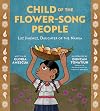
One thing I love about picture book biographies is that they often cover less-known subjects in history whose stories are absolutely fascinating because it's the first I'm hearing them (and also just because they are interesting stories!). This biography is about Julia Jiménez (known as Luz Jiménez), an indigenous Mexican woman who went on to be an art model, storyteller, essayist, and linguistic teacher, helping to preserve her culture and language for generations to come. Like the best show more kind of nonfiction, it inspired me to want to learn more about Luz Jiménez and her contributions to art and literature. Conveniently the book ends with an author's note containing more information, a timeline of Jiménez's life, and a bibliography. The illustrations are done in the signature style of award-winning artist Duncan Tonatiuh, so fans of his work will immediately recognize it, although I personally don't care for the flat stylization. show less
uz Jiménez lives with her family in a Mexican village.
They do not speak the language of their Spanish conquerors among themselves. Nahuatl is what they, the descendants of the powerful Aztecs, speak instead. Luz learns how to weave, to make tortillas, and to find medicinal herbs, but she also wants to learn how to read. When the Mexican government decides to “modernize” the Indigenous peoples, Native children are forced to adapt to the European style of dress and to forget their culture show more and languages. However, Luz does not forget. After her father is killed in a massacre by revolutionary soldiers, her mother flees with her and her sisters to Mexico City, where she comes to the attention of artists, photographers, and anthropologists. Finally, Luz’s culture and language are being recognized and appreciated. College students and anthropologists learn and record them before they disappear forever, and Luz is proud to have helped save the flower-song of her people. Amescua succeeds in introducing Luz, who became the embodiment of the “soul of Mexico.” The author’s note serves to fill in any informational gaps. Tonatiuh’s signature artwork once again nearly tells the story by itself. Closely following the text, the illustrations bring Luz to life. (This book was reviewed digitally.)
An important window into the ravages of colonialism and the plight of the Indigenous peoples of Mexico. (timeline, glossary, notes, bibliography) (Picture book/biography. 6-11)
-Kirkus Review show less
They do not speak the language of their Spanish conquerors among themselves. Nahuatl is what they, the descendants of the powerful Aztecs, speak instead. Luz learns how to weave, to make tortillas, and to find medicinal herbs, but she also wants to learn how to read. When the Mexican government decides to “modernize” the Indigenous peoples, Native children are forced to adapt to the European style of dress and to forget their culture show more and languages. However, Luz does not forget. After her father is killed in a massacre by revolutionary soldiers, her mother flees with her and her sisters to Mexico City, where she comes to the attention of artists, photographers, and anthropologists. Finally, Luz’s culture and language are being recognized and appreciated. College students and anthropologists learn and record them before they disappear forever, and Luz is proud to have helped save the flower-song of her people. Amescua succeeds in introducing Luz, who became the embodiment of the “soul of Mexico.” The author’s note serves to fill in any informational gaps. Tonatiuh’s signature artwork once again nearly tells the story by itself. Closely following the text, the illustrations bring Luz to life. (This book was reviewed digitally.)
An important window into the ravages of colonialism and the plight of the Indigenous peoples of Mexico. (timeline, glossary, notes, bibliography) (Picture book/biography. 6-11)
-Kirkus Review show less
ongs from the heart shared with family create lasting memories.
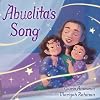
On a moonlit night, a new mother cradles her infant son. The baby snoozes peacefully in her arms, and when he stirs, she soothes him back to sleep with a lullaby of her own creation. This sweet song becomes a cherished bedtime tradition throughout his childhood. Years later, the boy has grown into a man, and he sings the song to his two daughters one sleepless night. The tune brings back warm memories of his mother’s love and show more lulls his children to sleep. When his mother—the girls’ Abuelita—visits after having been away for years, the children surprise her by singing the lullaby. Moved, Abuelita joins them, and together they sing the song each night. She calls it “la canción de mi corazón”—the song of my heart—expressing how it connects the family across generations. The story’s softly rendered illustrations, featuring stars and swirling patterns in the bedtime scenes, capture the magic and emotional resonance of the song. In an author’s note, readers learn that Amescua originally wrote the lullaby for her own son and later sang it to her grandchildren, adding a personal dimension to the story. This simple yet deeply sincere tale would make a wonderful addition to any bedtime story collection. Characters are brown-skinned and Latine.
A heartfelt lullaby bridges generations, weaving love and memories into a gentle bedtime story. (glossary, lyrics, music notation) (Picture book. 3-7)
-Kirkus Review show less
On a moonlit night, a new mother cradles her infant son. The baby snoozes peacefully in her arms, and when he stirs, she soothes him back to sleep with a lullaby of her own creation. This sweet song becomes a cherished bedtime tradition throughout his childhood. Years later, the boy has grown into a man, and he sings the song to his two daughters one sleepless night. The tune brings back warm memories of his mother’s love and show more lulls his children to sleep. When his mother—the girls’ Abuelita—visits after having been away for years, the children surprise her by singing the lullaby. Moved, Abuelita joins them, and together they sing the song each night. She calls it “la canción de mi corazón”—the song of my heart—expressing how it connects the family across generations. The story’s softly rendered illustrations, featuring stars and swirling patterns in the bedtime scenes, capture the magic and emotional resonance of the song. In an author’s note, readers learn that Amescua originally wrote the lullaby for her own son and later sang it to her grandchildren, adding a personal dimension to the story. This simple yet deeply sincere tale would make a wonderful addition to any bedtime story collection. Characters are brown-skinned and Latine.
A heartfelt lullaby bridges generations, weaving love and memories into a gentle bedtime story. (glossary, lyrics, music notation) (Picture book. 3-7)
-Kirkus Review show less

Julia Jiménez, known as Luz Jiménez, was born into a Nahua family in Milpa Alta, Mexico in 1897. (Nahuas comprise the largest indigenous group in Mexico. The ancient Aztecs were of Nahua ethnicity.) She became an indigenous Mexican model for such famous artists as Diego Rivera and Frida Kahlo, as well as a Nahuatl-language storyteller.
As a child, Luz loved listening to stories about her Aztec Nahuan ancestors, who were also known as the flower-song people. According to a history by Carlos show more Herrera Montero printed in The Sopris Sun, Carbondale, Colorado’s nonprofit weekly newspaper:
“The Nahuatl language did not have a specific word for poetry but it did have the concept, a metaphor, ‘flowers and songs’ to indicate poetry. This concept was key in their perception of the world and Aztec mythology. It was the search for truth, for God, for the answers to the compelling and ancestral questions of humankind. It was their philosophy and theology. Poetry came from the god Ometeotl, a dual god: the father and the mother, the convergence of masculine and feminine principles.”
Montero explains further that poetry played an important role in daily life:
“Among the Aztec, there was a special kind of priest responsible for calling the locals to gather in a place known as the House of Penance and Prayer, to learn the ‘flowers and songs’ well.”
[Many of these poetic works were destroyed by Hernán Cortés and his men when the Spanish invaded, however. ]
The author tells us that Luz listened to all the old stories and songs and wove them into her heart:
“Through them she tasted bitter sorrow - how the Nahua suffered - and sweet joy - how her people survived. Luz was a child of the flower-song people.”
The government decreed that Spanish should be the language of Mexico, and if students in school were caught wearing Nahua clothes or speaking Nahuatl, they were punished. Amescua writes: “The budding flower in Luz’s heart might have withered. But it did not.”
Instead, Luz got strength from the old Nahua stories, and wanted to protect their ways.
In 1916, the Mexican Revolution came to Milpa Alta. Most of the men, including Luz’s father, were massacred. Luz, her mother, and sisters fled to Mexico City in the night. They struggled to make ends meet until Luz won an indigenous beauty contest and began posing for artists at painting schools. She became the most well-known model in all of Mexico for the most prominent artists:
“The world recognized the beauty and strength of the native people after five hundred years of being in shadows. Through Luz, the world came to know ‘the spirit of Mexico.’”
After the Revolution, Luz returned to Milpa Alta and began teaching Nahua culture, leading anthropologists and artists on tours of her town. One of those anthropologist, also a professor, wrote down all Luz told him in her own language, Nahuatl. Luz became “a living link” to the Aztecs. The professor asked Luz to help him teach Nahuatl at the College of Mexico City.
At long last, the author concludes, Luz realized her dream of becoming a teacher and breathing life into the flower songs of the Nahua.
Back matter includes a timeline, glossary, notes, and bibliography.
Duncan Tonatiuh, who is an award-winning illustrator, creates gorgeous folkloric art work, inspired by Mixtec (native Mexican) codices from the 14th century. He juxtaposes the indigenous style with modern characters and settings. He also uses the pictures to enlarge upon the text. Because the illustrations also tell the story without words, they serves to extend the recommended age range of this book (age 6 and up).
Evaluation: Meticulous research enhanced by outstanding art will help children learn more about the important history of our nearest neighbor to the south. show less
As a child, Luz loved listening to stories about her Aztec Nahuan ancestors, who were also known as the flower-song people. According to a history by Carlos show more Herrera Montero printed in The Sopris Sun, Carbondale, Colorado’s nonprofit weekly newspaper:
“The Nahuatl language did not have a specific word for poetry but it did have the concept, a metaphor, ‘flowers and songs’ to indicate poetry. This concept was key in their perception of the world and Aztec mythology. It was the search for truth, for God, for the answers to the compelling and ancestral questions of humankind. It was their philosophy and theology. Poetry came from the god Ometeotl, a dual god: the father and the mother, the convergence of masculine and feminine principles.”
Montero explains further that poetry played an important role in daily life:
“Among the Aztec, there was a special kind of priest responsible for calling the locals to gather in a place known as the House of Penance and Prayer, to learn the ‘flowers and songs’ well.”
[Many of these poetic works were destroyed by Hernán Cortés and his men when the Spanish invaded, however. ]
The author tells us that Luz listened to all the old stories and songs and wove them into her heart:
“Through them she tasted bitter sorrow - how the Nahua suffered - and sweet joy - how her people survived. Luz was a child of the flower-song people.”
The government decreed that Spanish should be the language of Mexico, and if students in school were caught wearing Nahua clothes or speaking Nahuatl, they were punished. Amescua writes: “The budding flower in Luz’s heart might have withered. But it did not.”
Instead, Luz got strength from the old Nahua stories, and wanted to protect their ways.
In 1916, the Mexican Revolution came to Milpa Alta. Most of the men, including Luz’s father, were massacred. Luz, her mother, and sisters fled to Mexico City in the night. They struggled to make ends meet until Luz won an indigenous beauty contest and began posing for artists at painting schools. She became the most well-known model in all of Mexico for the most prominent artists:
“The world recognized the beauty and strength of the native people after five hundred years of being in shadows. Through Luz, the world came to know ‘the spirit of Mexico.’”
After the Revolution, Luz returned to Milpa Alta and began teaching Nahua culture, leading anthropologists and artists on tours of her town. One of those anthropologist, also a professor, wrote down all Luz told him in her own language, Nahuatl. Luz became “a living link” to the Aztecs. The professor asked Luz to help him teach Nahuatl at the College of Mexico City.
At long last, the author concludes, Luz realized her dream of becoming a teacher and breathing life into the flower songs of the Nahua.
Back matter includes a timeline, glossary, notes, and bibliography.
Duncan Tonatiuh, who is an award-winning illustrator, creates gorgeous folkloric art work, inspired by Mixtec (native Mexican) codices from the 14th century. He juxtaposes the indigenous style with modern characters and settings. He also uses the pictures to enlarge upon the text. Because the illustrations also tell the story without words, they serves to extend the recommended age range of this book (age 6 and up).
Evaluation: Meticulous research enhanced by outstanding art will help children learn more about the important history of our nearest neighbor to the south. show less
Lists
Youth: DEI (1)
Awards


You May Also Like
Associated Authors
Statistics
- Works
- 2
- Also by
- 1
- Members
- 133
- Popularity
- #152,659
- Rating
- 4.3
- Reviews
- 6
- ISBNs
- 6