
Peter Goodchild (1) (1939–2025)
Author of J. Robert Oppenheimer: Shatterer of Worlds
For other authors named Peter Goodchild, see the disambiguation page.
About the Author
Peter Goodchild is an award-winning television producer and the former head of both Science and Features and Drama at the BBC. His production of Oppenheimer won a British Academy Award and spawned an acclaimed biography
Image credit: Horizon at 50
Works by Peter Goodchild
Tagged
Common Knowledge
- Legal name
- Goodchild, Peter Robert Edward
- Birthdate
- 1939-08-18
- Date of death
- 2025-05-06
- Gender
- male
- Education
- St John's College, Oxford (BA, MA)
- Occupations
- television editor
television producer - Organizations
- BBC
- Nationality
- UK
- Birthplace
- Windsor, Berkshire, England, UK
- Associated Place (for map)
- England, UK
Members
Reviews
In the Name of Security (Library Edition Audio CDs) (L.A. Theatre Works Audio Theatre Collections) by Peter Goodchild
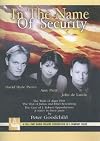
Dramatization of real trial and interrogation records in three different cases that were all part of the Red Scare era investigations of communist infiltration in the US government; the twist here is that instead of portraying it all as a fit of madness and miscarriage of justice (as in other productions from LATW) we actually get to hear some very probably true cases of communist infiltration and treason.
As the introduction states you get to hear about the Rosenbergs, who were sentenced to show more death for treason; Hiss, who was sentenced for perjury (but not on the substance of the accusations), and Oppenheimer who gets his security clearance revoked. Evidence is presented for and against each case, including much later revelations by the Verona papers ('95), which substantiates the cases against the Rosenbergs and Hiss.
It's a good set of cases to argue about ethics and legal proceedings, all with very different outcomes and consequences.
Merged review:
Dramatization of real trial and interrogation records in three different cases that were all part of the Red Scare era investigations of communist infiltration in the US government; the twist here is that instead of portraying it all as a fit of madness and miscarriage of justice (as in other productions from LATW) we actually get to hear some very probably true cases of communist infiltration and treason.
As the introduction states you get to hear about the Rosenbergs, who were sentenced to death for treason; Hiss, who was sentenced for perjury (but not on the substance of the accusations), and Oppenheimer who gets his security clearance revoked. Evidence is presented for and against each case, including much later revelations by the Verona papers ('95), which substantiates the cases against the Rosenbergs and Hiss.
It's a good set of cases to argue about ethics and legal proceedings, all with very different outcomes and consequences. show less
As the introduction states you get to hear about the Rosenbergs, who were sentenced to show more death for treason; Hiss, who was sentenced for perjury (but not on the substance of the accusations), and Oppenheimer who gets his security clearance revoked. Evidence is presented for and against each case, including much later revelations by the Verona papers ('95), which substantiates the cases against the Rosenbergs and Hiss.
It's a good set of cases to argue about ethics and legal proceedings, all with very different outcomes and consequences.
Merged review:
Dramatization of real trial and interrogation records in three different cases that were all part of the Red Scare era investigations of communist infiltration in the US government; the twist here is that instead of portraying it all as a fit of madness and miscarriage of justice (as in other productions from LATW) we actually get to hear some very probably true cases of communist infiltration and treason.
As the introduction states you get to hear about the Rosenbergs, who were sentenced to death for treason; Hiss, who was sentenced for perjury (but not on the substance of the accusations), and Oppenheimer who gets his security clearance revoked. Evidence is presented for and against each case, including much later revelations by the Verona papers ('95), which substantiates the cases against the Rosenbergs and Hiss.
It's a good set of cases to argue about ethics and legal proceedings, all with very different outcomes and consequences. show less
Dramatization of real trial and interrogation records in three different cases that were all part of the Red Scare era investigations of communist infiltration in the US government; the twist here is that instead of portraying it all as a fit of madness and miscarriage of justice (as in other productions from LATW) we actually get to hear some very probably true cases of communist infiltration and treason.
As the introduction states you get to hear about the Rosenbergs, who were sentenced to show more death for treason; Hiss, who was sentenced for perjury (but not on the substance of the accusations), and Oppenheimer who gets his security clearance revoked. Evidence is presented for and against each case, including much later revelations by the Verona papers ('95), which substantiates the cases against the Rosenbergs and Hiss.
It's a good set of cases to argue about ethics and legal proceedings, all with very different outcomes and consequences. show less
As the introduction states you get to hear about the Rosenbergs, who were sentenced to show more death for treason; Hiss, who was sentenced for perjury (but not on the substance of the accusations), and Oppenheimer who gets his security clearance revoked. Evidence is presented for and against each case, including much later revelations by the Verona papers ('95), which substantiates the cases against the Rosenbergs and Hiss.
It's a good set of cases to argue about ethics and legal proceedings, all with very different outcomes and consequences. show less
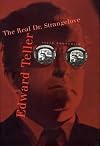
In many ways the history of Edward Teller as the main instigator of the development of the Hydrogen Bomb and an assailant of the public reputation of Robert Oppenheimer is well known. What Goodchild does is to delve into roots of the moral surety and personal insecurities that drove Teller on the road from being a valued member of the American community of physicists to being a social pariah from that community and earning the image of being a tool of the American Military Industrial show more Complex. The image I get is of a person who, for all his insistence on being a man of principle, essentially knew only one way to get acceptance and who obsessively returned to that path again and again in a futile effort to achieve a sense of personal achievement. show less
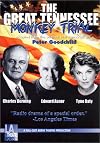
Inherit the Wind is a classic movie that seems perfect for a play; classic courtroom drama setting, clash of characters, long monologues fighting over truth, science and God. This is based on the same historical events, but it's more like a dramatization of parts of the trial with a narration giving an overview of events as it jumps from setpiece to setpiece. It's well acted, but never comes alive as a play, and isn't anywhere near as good as the movie.
It was fun imagining de Lancie as Q show more making this part of his trial of humanity, so it earns a bonus star. show less
It was fun imagining de Lancie as Q show more making this part of his trial of humanity, so it earns a bonus star. show less
Lists
Awards

You May Also Like


Associated Authors
Statistics
- Works
- 4
- Members
- 277
- Popularity
- #83,812
- Rating
- 3.8
- Reviews
- 12
- ISBNs
- 36
- Languages
- 3