

Stephen Addiss
Author of Japanese Ghosts and Demons: Art of the Supernatural
About the Author
Image credit: Stephen Addiss (photograph found here)
Works by Stephen Addiss
The Art of Haiku: Its History through Poems and Paintings by Japanese Masters (2012) 71 copies, 2 reviews
Zenga and Nanga: Paintings By Japanese Monks and Scholars, Selections from the Kurt and Millie Gitter Collection (1976) 16 copies, 1 review
A Myriad of autumn leaves : Japanese art from the Kurt and Millie Gitter collection : catalog (1983) 16 copies
Japanese Quest for a New Vision the Impact of Visiting Chinese Painters 1600 to 1900 (1986) 12 copies
Zenga and Nanga: Paintings By Japanese Monks and Scholars, Selections from the Kurt and Millie Gitter Collection (1976) 4 copies
The World of Kameda Bosai: The Calligraphy, Poetry, Painting and Artistic Circle of a Japanese Literatus (1984) 4 copies
OBAKU: Zen Painting and Calligraphy 3 copies
Obaku, Zen painting and calligraphy 3 copies
Associated Works
Tagged
Common Knowledge
- Other names
- ADDISS, Stephen
- Birthdate
- 1935
- Gender
- male
- Education
- Harvard University
University of Michigan - Occupations
- professor (art)
- Nationality
- USA
- Birthplace
- New York, New York, USA
- Associated Place (for map)
- New York, USA
Members
Reviews
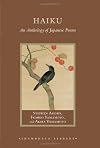
I have never cared much for poetry, but wow. It turns out that I looooove Japanese haiku. (I think if I'd known that haiku are usually about the seasons and nature, I might have gotten interested sooner.) These poems are so simple and beautiful. Since they're only three short lines, they're very much like snapshots, and the scene that pops into your head is as much a part of the poem as the actual words. Just gorgeous.
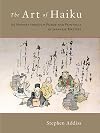
To most people haiku is a three line poem, following a 5-7-5 syllable formula, but Stephen Addiss argues that this does no more than prick the surface of this fascinating poetic form. He goes on to state that, rather than constrain with rigid definitions, it may be more useful to discuss guidelines that the majority of haiku follow. Haiku in Japan are generally written or printed in a single column. Nevertheless, until the twentieth century, most traditional Japanese haiku fell into the show more 5-7-5 formula, although this wasn’t always adhered to by some of the great masters, when it suited their purpose to ignore it. Another reason that this syllable count often got ignored, was when haiku transcended the Japanese language, for example haiku written in English often have fewer than seventeen syllables because English is a more compact language than Japanese, this often is the case of haiku in other Languages.
So if we take away the constraints of the 5-7-5 syllable count, what are the characteristics that we can use to define haiku? The obvious one is a closeness to the natural world, from which the poet tends to draw the majority of the images that the poem relies on to convey it’s meaning. This usually involves concrete observations, expressed briefly through the use of everyday language and syntax that is natural rather than poetic .
garden in winter -
the moon also becomes a thread
in the insect’s song
(Matsuo Basho 1644-94)
Traditional haiku often include pause marks called kireji (cutting words), that serve to mark rhythmic divisions, as a kind of verbal punctuation mark, for example at the end of the first or second segment there may be an extra syllable such as ya, indicating a pause or signalling a moment of separation (change of theme or meaning). In fact you could state that kireji serve primarily as sonic punctuation or as intensifiers of mood and meaning and as they have, or seldom have, meaning are there purely to contribute rhythm and sounds. Many Japanese haiku can have fewer than seventeen (active) syllables.
kanashisa ya tsuri no ito fuku
aki no kaze
sadness -
a fishing line blown
in the autumn wind
Yosa Buson (1716–1783)
The third major characteristic of haiku are the seasonal references, the Kigo, the great majority of traditional haiku indicate a particular season, sometimes directly (as in the Basho poem above) or through a specific image that has come to signify a season for example:
Spring (haru) Early spring: 4 February–5 March, Mid-spring: 6 March–4 April, Late spring: 5 April–5 May.
Ume blossoms, Japanese bush warbler, Cherry blossoms, Frogs, Skylarks.
Summer (natsu) Early summer: 6 May–5 June, Mid-summer: 6 June–6 July, Late summer: 7 July–7 August.
Wisteria, Wild Orange blossoms, Iris, Lotus, Cicada, Little Cuckoo.
Autumn (aki) Early autumn: 8 August–7 September, Mid-autumn: 8 September–7 October, Late autumn: 8 October–6 November
Typhoon, Thunder, Milky Way, Moon, Insects, Crickets, Nashi pear, peach, Coloured leaves, Scarecrow.
Winter (fuyu) Early winter: 7 November–6 December, Mid-winter: 7 December–4 January, Late winter: 5 January–3 February.
Cold, Fallen leaves, Snow-viewing (first snow), Ice, Owls, Ducks, bare trees.
By the use of one of these specific images the poet suggests to the reader which season the poem is referring to, and as this adds to the mood and meaning of the haiku, these references are significant. This leads me perfectly on to the fourth and possibly most important element of haiku, a haiku suggests rather than defines its meaning, leaving the reader or listener to complete much of the process, to join the writer in the completion of the haiku, and as a haiku can have multiple meaning, this allows for individual interpretation as opposed to one concrete view.
This is also helped by the brevity of the form, the fewer the words the more potential for multiple implications.
This piece is merely a brief overview of the form that is haiku, which has become a worldwide phenomenon and yet is only one half of the story, haiga, the other half is almost unknown and yet as an art form was practised by all the great masters, Yosa Buson (1716–1783) was a talented painter, but even those with more modest skills such as Kobayashi Issa (1763–1827) created haiga esteemed by those that viewed them. In fact having too much technique can be seen as much a liability as having too little, since sincerity and suggestion matter more than obvious mastery and specificity. This aesthetic haiga shares with haiku, along with brevity, naturalness, and the idea of suggestion to create a bond with the viewer as they participate in the haiku/haiga creation.
Japanese haiga, the word-image relationship developed into three main patterns/ forms.
An informal portrait of poet with one of their haiku
Interaction (most common)
Text-image relationship.
The first is the most simple and is normally just an informal picture of the poet with one of their haiku. This follows on from an earlier Japanese tradition of portraits of aristocratic tanka masters, although the brushwork in haiga portraits appear less sharp and precise and can seem close to caricature. The second haiga form, Interaction, supports the haiku and by this I mean that an image is represented in both words and painting, for example if the haiku mentions Ume blossoms an image of said blossoms will be in the picture, however in good haiga, the one is not there merely to represent the other, but to add to the overall effect, working in a kind of symbiosis, reinforcing and contributing to a multi-layered view of the work. The third form, the text-image relationship is the most intriguing of the three, in this the painted images and the words do not appear to have a direct relationship with the idea of adding further meanings to the poem and image creating a resonance that expands the overall expression.
In The Art of Haiku, Stephen Addiss, one of the foremost experts on this art form traces the history of Japanese haiku, starting with the earlier poetic traditions from which it was born through to the twentieth century and its position as possibly one of the best known poetic forms in the world. His approach to this subject is to highlight the work of the leading masters such as Bashō, Buson, Issa and Shiki, and by focussing on “the Great Four” he uses these as points in history allowing him to highlight other fine but lesser known poets. In the process tracing the evolution of haiku from its roots in Tanka (Waka) from the earliest anthology, Man'yōshū (Collection of Ten Thousand Leaves, compiled 686 - 784) through to the modern era covering all the major names from both haiku and haiga, with the aim of demonstrating the relationship between the forms which were composed to “create a spontaneous interconnection with the readers who play a vital part in the expressive process.” and their development into the poetic form loved and admired the whole world over, with haiku societies in most nations on this planet.
Stephen Addiss has created a wonderful and fascinating book that is part history, part poetry anthology, and part art book, presenting a cornucopia of examples in both poetry (original & translations) and painting. It was a pleasure reading this book, which although a thorough in-depth study of its subject matter, managed to be informative, instructive & educational without being dry and dull. If you have an interest in haiku, haiga, in Japanese history and culture, even if your interest is in the Japanese aesthetic of Wabi sabi, this book has something to offer and delight you
I would like to add a proviso, I got this book through Netgalley, in an E-book format and although reading it was fine I didn’t feel it showed the art work to their best, so I would suggest that if you were to purchase this choose a physical copy and be in the admirable position of being able to read the haiku whilst viewing the haiga in all its glory, that is my only reservation as this is a book that I will be revisiting with pleasure and with the knowledge that I will learn more about what is a fascinating subject with each new visit.
http://parrishlantern.blogspot.co.uk/2012/08/the-art-of-haiku.html show less
So if we take away the constraints of the 5-7-5 syllable count, what are the characteristics that we can use to define haiku? The obvious one is a closeness to the natural world, from which the poet tends to draw the majority of the images that the poem relies on to convey it’s meaning. This usually involves concrete observations, expressed briefly through the use of everyday language and syntax that is natural rather than poetic .
garden in winter -
the moon also becomes a thread
in the insect’s song
(Matsuo Basho 1644-94)
Traditional haiku often include pause marks called kireji (cutting words), that serve to mark rhythmic divisions, as a kind of verbal punctuation mark, for example at the end of the first or second segment there may be an extra syllable such as ya, indicating a pause or signalling a moment of separation (change of theme or meaning). In fact you could state that kireji serve primarily as sonic punctuation or as intensifiers of mood and meaning and as they have, or seldom have, meaning are there purely to contribute rhythm and sounds. Many Japanese haiku can have fewer than seventeen (active) syllables.
kanashisa ya tsuri no ito fuku
aki no kaze
sadness -
a fishing line blown
in the autumn wind
Yosa Buson (1716–1783)
The third major characteristic of haiku are the seasonal references, the Kigo, the great majority of traditional haiku indicate a particular season, sometimes directly (as in the Basho poem above) or through a specific image that has come to signify a season for example:
Spring (haru) Early spring: 4 February–5 March, Mid-spring: 6 March–4 April, Late spring: 5 April–5 May.
Ume blossoms, Japanese bush warbler, Cherry blossoms, Frogs, Skylarks.
Summer (natsu) Early summer: 6 May–5 June, Mid-summer: 6 June–6 July, Late summer: 7 July–7 August.
Wisteria, Wild Orange blossoms, Iris, Lotus, Cicada, Little Cuckoo.
Autumn (aki) Early autumn: 8 August–7 September, Mid-autumn: 8 September–7 October, Late autumn: 8 October–6 November
Typhoon, Thunder, Milky Way, Moon, Insects, Crickets, Nashi pear, peach, Coloured leaves, Scarecrow.
Winter (fuyu) Early winter: 7 November–6 December, Mid-winter: 7 December–4 January, Late winter: 5 January–3 February.
Cold, Fallen leaves, Snow-viewing (first snow), Ice, Owls, Ducks, bare trees.
By the use of one of these specific images the poet suggests to the reader which season the poem is referring to, and as this adds to the mood and meaning of the haiku, these references are significant. This leads me perfectly on to the fourth and possibly most important element of haiku, a haiku suggests rather than defines its meaning, leaving the reader or listener to complete much of the process, to join the writer in the completion of the haiku, and as a haiku can have multiple meaning, this allows for individual interpretation as opposed to one concrete view.
This is also helped by the brevity of the form, the fewer the words the more potential for multiple implications.
This piece is merely a brief overview of the form that is haiku, which has become a worldwide phenomenon and yet is only one half of the story, haiga, the other half is almost unknown and yet as an art form was practised by all the great masters, Yosa Buson (1716–1783) was a talented painter, but even those with more modest skills such as Kobayashi Issa (1763–1827) created haiga esteemed by those that viewed them. In fact having too much technique can be seen as much a liability as having too little, since sincerity and suggestion matter more than obvious mastery and specificity. This aesthetic haiga shares with haiku, along with brevity, naturalness, and the idea of suggestion to create a bond with the viewer as they participate in the haiku/haiga creation.
Japanese haiga, the word-image relationship developed into three main patterns/ forms.
An informal portrait of poet with one of their haiku
Interaction (most common)
Text-image relationship.
The first is the most simple and is normally just an informal picture of the poet with one of their haiku. This follows on from an earlier Japanese tradition of portraits of aristocratic tanka masters, although the brushwork in haiga portraits appear less sharp and precise and can seem close to caricature. The second haiga form, Interaction, supports the haiku and by this I mean that an image is represented in both words and painting, for example if the haiku mentions Ume blossoms an image of said blossoms will be in the picture, however in good haiga, the one is not there merely to represent the other, but to add to the overall effect, working in a kind of symbiosis, reinforcing and contributing to a multi-layered view of the work. The third form, the text-image relationship is the most intriguing of the three, in this the painted images and the words do not appear to have a direct relationship with the idea of adding further meanings to the poem and image creating a resonance that expands the overall expression.
In The Art of Haiku, Stephen Addiss, one of the foremost experts on this art form traces the history of Japanese haiku, starting with the earlier poetic traditions from which it was born through to the twentieth century and its position as possibly one of the best known poetic forms in the world. His approach to this subject is to highlight the work of the leading masters such as Bashō, Buson, Issa and Shiki, and by focussing on “the Great Four” he uses these as points in history allowing him to highlight other fine but lesser known poets. In the process tracing the evolution of haiku from its roots in Tanka (Waka) from the earliest anthology, Man'yōshū (Collection of Ten Thousand Leaves, compiled 686 - 784) through to the modern era covering all the major names from both haiku and haiga, with the aim of demonstrating the relationship between the forms which were composed to “create a spontaneous interconnection with the readers who play a vital part in the expressive process.” and their development into the poetic form loved and admired the whole world over, with haiku societies in most nations on this planet.
Stephen Addiss has created a wonderful and fascinating book that is part history, part poetry anthology, and part art book, presenting a cornucopia of examples in both poetry (original & translations) and painting. It was a pleasure reading this book, which although a thorough in-depth study of its subject matter, managed to be informative, instructive & educational without being dry and dull. If you have an interest in haiku, haiga, in Japanese history and culture, even if your interest is in the Japanese aesthetic of Wabi sabi, this book has something to offer and delight you
I would like to add a proviso, I got this book through Netgalley, in an E-book format and although reading it was fine I didn’t feel it showed the art work to their best, so I would suggest that if you were to purchase this choose a physical copy and be in the admirable position of being able to read the haiku whilst viewing the haiga in all its glory, that is my only reservation as this is a book that I will be revisiting with pleasure and with the knowledge that I will learn more about what is a fascinating subject with each new visit.
http://parrishlantern.blogspot.co.uk/2012/08/the-art-of-haiku.html show less
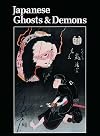
Badass. A treasure chest of emaciated ghouls and conniving toads. I got this for one image that has more profoundly affected me than any other. Behold: impassive humanoid ghost staring soundlessly down at a ship in the tsunami.
A short read with great insight into finding what is important in life within oneself, as opposed to the material world. Mostly a smooth read, beside forgettable details common in historical texts.
Awards

You May Also Like


Associated Authors
Statistics
- Works
- 46
- Also by
- 1
- Members
- 1,127
- Popularity
- #22,789
- Rating
- 4.2
- Reviews
- 13
- ISBNs
- 62
- Languages
- 2
- Favorited
- 1