
Thomas Lawrence Connelly (1938–1991)
Author of Five Tragic Hours: The Battle of Franklin
About the Author
Thomas Lawrence Connelly, professor of history at the University of South Carolina for many years, was the author or coauthor of numerous books on the Civil War
Works by Thomas Lawrence Connelly
Tagged
Common Knowledge
- Canonical name
- Connelly, Thomas Lawrence
- Birthdate
- 1938-02-14
- Date of death
- 1991-01-18
- Gender
- male
- Education
- Rice University (PhD|History|1963)
David Lipscomb University - Occupations
- historian
university professor - Organizations
- University of South Carolina
Mississippi State University
Presbyterian College - Short biography
- "He was a very private person, but he seldom turned down a speaking engagement. He sometimes chided southerners about being too regionally chauvinistic, but he always spoke with pride about being a child of Middle Tennessee. He relished traveling on the road with Tom T. Hall but was basically a homebody. He was proud of his many students and their accomplishments but sometimes found it difficult to share with them the glowing comments he wrote in recommendations to future employees. Tom Connelly's life mirrored the Army of Tennessee about which he wrote so eloquently. Quintessentially southern, tough, and courageous like that army of the lost cause, Tom Connelly struggled valiantly against all odds to defeat a formidable foe. And like that army, he lost."
--Walter B. Edgar, University of South Carolina - Nationality
- USA
- Birthplace
- Nashville, Tennessee, USA
- Burial location
- Santa Fe Cemetery, Santa Fe, Tennessee, USA
- Associated Place (for map)
- Tennessee, USA
Members
Reviews
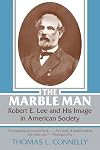
Though people often don't make the distinction, there is an important difference between history and the past. Simply put, the past is everything that happened before now, while history is how we interpret it. The past has happened and cannot be changed; how we interpret it, though, changes constantly. Sometimes this is because of different perspectives or a greater awareness of the effects or changing values. But there are also times when history changes because of the determination of a show more few to cement a particular interpretation that serves a specific set of goals.
At its core Thomas Connelly's book is about one such effort. In it he describes how a small group of dedicated people committed themselves to the goal of iconizing Robert E. Lee. Their very success is reflected in the enduring perception of Lee as one of the great commanders of military history, one whose ability might have enabled the Confederate cause to endure. As Connolly explains, such perceptions were far from universal in the immediate aftermath of the war, as figures such as Albert Sidney Johnston, P. G. T. Beauregard, and (especially) Stonewall Jackson were esteemed just as highly or even more so by Southerners. Upon Lee’s death in 1870, however, a small gathering consisting mainly of former officers of the Army of Northern Virginia and people associated with Washington College united in agreement to preserve Lee's memory, beginning a process that would define how Americans remembered not just Lee, but the entire Civil War.
Though many of the people involved in this effort did so out of admiration for Lee, Connelly highlights the self-interested motivations of many of the key participants. Foremost among them was Jubal Early, a former subordinate of Lee's and one of the leading proponents of the "Lost Cause." Connelly notes that Early's championing of Lee's reputation as a military commander not incidentally had the effect of bolstering his own stature, helping to gloss over his mistakes at the battle of Gettysburg. He and others became zealous defenders of Lee's reputation, campaigning for statues and producing laudatory descriptions of Lee's life and generalship while savaging any accounts which argued otherwise. One effect of this was to turn the Virginia theater into the decisive one of the war — a shift which reflected the Virginia-centric leadership of the Lee memorialization movement and which often came at the expense of the role of the other states of the Confederacy. By the turn of the century, Lee's image was undergoing a further transformation from a Southern hero into a national one, as a new generation romanticized his seemingly flawless personality and military genius, cementing his ironic status as an American hero. Though this image has since come under increasing criticism,their efforts endure today both in the republished books that embody this view and in the statuary prominently displayed throughout the country.
Though originally published four decades ago, Connelly's book remains a valuable study of Lee. His description of the posthumous sanctification of Lee provides a perceptive explanation of how the general became the preeminent symbol of the Lost Cause, eclipsing even the leader of the Confederacy himself. The recent controversy over Confederate monuments demonstrates just how relevant Connolly's analysis remains to understanding our nation today, as anyone seeking to understand it or the development of popular perceptions of the Civil War more generally cannot afford to ignore this important and unique book. show less
At its core Thomas Connelly's book is about one such effort. In it he describes how a small group of dedicated people committed themselves to the goal of iconizing Robert E. Lee. Their very success is reflected in the enduring perception of Lee as one of the great commanders of military history, one whose ability might have enabled the Confederate cause to endure. As Connolly explains, such perceptions were far from universal in the immediate aftermath of the war, as figures such as Albert Sidney Johnston, P. G. T. Beauregard, and (especially) Stonewall Jackson were esteemed just as highly or even more so by Southerners. Upon Lee’s death in 1870, however, a small gathering consisting mainly of former officers of the Army of Northern Virginia and people associated with Washington College united in agreement to preserve Lee's memory, beginning a process that would define how Americans remembered not just Lee, but the entire Civil War.
Though many of the people involved in this effort did so out of admiration for Lee, Connelly highlights the self-interested motivations of many of the key participants. Foremost among them was Jubal Early, a former subordinate of Lee's and one of the leading proponents of the "Lost Cause." Connelly notes that Early's championing of Lee's reputation as a military commander not incidentally had the effect of bolstering his own stature, helping to gloss over his mistakes at the battle of Gettysburg. He and others became zealous defenders of Lee's reputation, campaigning for statues and producing laudatory descriptions of Lee's life and generalship while savaging any accounts which argued otherwise. One effect of this was to turn the Virginia theater into the decisive one of the war — a shift which reflected the Virginia-centric leadership of the Lee memorialization movement and which often came at the expense of the role of the other states of the Confederacy. By the turn of the century, Lee's image was undergoing a further transformation from a Southern hero into a national one, as a new generation romanticized his seemingly flawless personality and military genius, cementing his ironic status as an American hero. Though this image has since come under increasing criticism,their efforts endure today both in the republished books that embody this view and in the statuary prominently displayed throughout the country.
Though originally published four decades ago, Connelly's book remains a valuable study of Lee. His description of the posthumous sanctification of Lee provides a perceptive explanation of how the general became the preeminent symbol of the Lost Cause, eclipsing even the leader of the Confederacy himself. The recent controversy over Confederate monuments demonstrates just how relevant Connolly's analysis remains to understanding our nation today, as anyone seeking to understand it or the development of popular perceptions of the Civil War more generally cannot afford to ignore this important and unique book. show less
He makes his point. Again, and again, and again. And again.
In the Epilogue he attempts a psychological biography of Lee that he claims has never been done. It’s a stretch and also repetitive. The best parts were the description of how Early and other Lost Cause myth makers exaggerated Lee’s achievements to cover up their own failures. I was hoping he would do a more in depth critique of Freeman but it was not very much.
In the Epilogue he attempts a psychological biography of Lee that he claims has never been done. It’s a stretch and also repetitive. The best parts were the description of how Early and other Lost Cause myth makers exaggerated Lee’s achievements to cover up their own failures. I was hoping he would do a more in depth critique of Freeman but it was not very much.
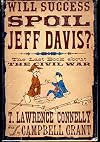
This is not a comic history of the Civil War (as I thought when I ordered it). It is a comic study of the Confederate-commemoration movement, especially as encouraged by the Civil War centennial in the 1960s. The author was a very serious southern historian who wrote a very depressing history of the Confederate Army of Tennessee in two volumes focusing on its command problems. This book is much lighter, though it varies from laugh out loud funny to fairly feeble -- the author's dedication to show more his wife says she even laughed at the parts that weren't funny, which may have been a mistake if it encouraged him to include them. Its illustrator also illustrated Richard Armour's rather silly attempts at comic history, and as in that case the illustrators are often the best part. I especially like the series on Lincoln dealing with his generals. show less
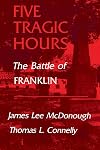
This is a relatively short, compact book filled with 34 pages of photographic images, numerous battle maps, and an appendix with an excellent Order of Battle summary. General Hood’s battle strategies are explained and analyzed pertaining to his reasoning or his rationale in expert detail.
The book served as my textbook and guide as I walked the battlefield, wondering of my great grandfather’s thoughts as he was shot in the head by a minie ball. He survived this carnage but never once show more spoke of that day on 30 November, 1864, or of any other day in his two years in battle as a 17 year old boy.
I would also recommend Wiley Sword’s book on Franklin, The Confedracy’s Last Hurrah, as a companion piece. Both deliver, if one has the courage to know the facts. show less
The book served as my textbook and guide as I walked the battlefield, wondering of my great grandfather’s thoughts as he was shot in the head by a minie ball. He survived this carnage but never once show more spoke of that day on 30 November, 1864, or of any other day in his two years in battle as a 17 year old boy.
I would also recommend Wiley Sword’s book on Franklin, The Confedracy’s Last Hurrah, as a companion piece. Both deliver, if one has the courage to know the facts. show less
Lists
Awards


You May Also Like


Associated Authors
Statistics
- Works
- 13
- Members
- 858
- Popularity
- #29,813
- Rating
- 3.8
- Reviews
- 13
- ISBNs
- 23