

Chandler Brossard (1922–1993)
Author of Who Walk in Darkness
About the Author
Image credit: Chandler Brossard
Works by Chandler Brossard
Associated Works
Tagged
Common Knowledge
- Birthdate
- 1922-07-18
- Date of death
- 1993-08-29
- Gender
- male
- Education
- self-educated
- Occupations
- editor
educator
novelist
short story writer - Short biography
- Chandler Brossard was born in Idaho Falls, Idaho, in 1922 and grew up in Washington, DC. He left school at an early age and was largely self-educated. During the 1940s he worked for a variety of newspapers and magazines, including the Washington Post, Time, and American Mercury. He published numerous books of fiction and nonfiction over a forty-year period, many of which were translated into other languages. For most of his life he lived in New York City. Chandler Brossard died in 1993.
- Nationality
- USA
- Birthplace
- Idaho Falls, Idaho, USA
- Places of residence
- Washington, D.C., USA
Manhattan, New York, USA - Place of death
- Bronx, New York, USA
- Associated Place (for map)
- USA
Members
Reviews

An exquisite, hip novel that captures, through flat, reportorial style, Greenwich Village bohemia prior to codification by the Beats. Through fictionalized names, the late-1940s San Remo is featured, along with Anatole Broyard, who is outed as being conflicted over his mixed-race ethnicity, and WIlliam Gaddis. Initially published in France by Gallimard. That the French understood the book is salient -- in his own way, Brossard anticipated the tone captured by the New Wave directors, if you show more think of Godard's "Breathless" as being removed and almost documentarian. The absence of this novel on lists of best American fiction is a massive, inexplicable void. show less
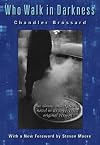
In the introduction by Steven Moore, this work is referred to as "America's first existential novel", due to its stripped down, Camus-esque narrative (which according to Susan Sontag, [via Sartre:] in her essay "On Style", can be described as "impersonal, expository, lucid, flat"). This novel is a film noir of James Dean and Natalie Wood and their small circle of friends, now in their late 20's, minus any Cinemascope sensationalism. Written by a contemporary of the Beatniks, it depicts the show more lives of this Greenwich Village group (vaguely-sketched characters who are writers of one type or another) during 1 month in the spring/summer of 1948. They attend a wild party with jazz musicians whose guests are smoking "charge" (the party ends with a rumble); a boxing event at Madison Square Garden; and are treated to dinner at an uptown restaurant by a gangster friend of one of the dames. Grace undergoes a covert abortion--her boyfriend Henry Porter is an arrogant, ambitious writer who "passes for white" (supposedly his character is based upon that of Anatole Broyard, a critic who years after this era relished trashing William S. Burroughs' books in the New York Times). Harry Lees has a pad on Cape Cod, where the group spend a weekend, but he's having an identity crisis. Harry thinks he might be gay--he was too "sissy" to make it into the Army and is subsequently guilt-ridden. The entire novel is conveyed to us by the groups's "voice of reason", Blake Williams. This paperback version is referred to on the cover as "the classic underground novel in its suppressed original version". Not to diminish its merits--but there would be nothing polemical about it now. The book ends abruptly in a way that contrasts with all the preceding flatness--the author left me wanting more. And of course I was attracted to the romantic notion of living in New York City in a time when the streets were full of hoods and television was still in its infancy. The Big Apple was so much simpler then-or probably not. I will close by saying: this assortment of artists/bohemians--they were so lucky. If only they had known. show less
Lists
You May Also Like


Associated Authors
Statistics
- Works
- 24
- Also by
- 2
- Members
- 257
- Popularity
- #89,244
- Rating
- 3.8
- Reviews
- 2
- ISBNs
- 29
- Languages
- 1
- Favorited
- 2