
Fred Waitzkin
Author of Searching for Bobby Fischer: The Father of a Prodigy Observes the World of Chess
About the Author
Works by Fred Waitzkin
Searching for Bobby Fischer: The Father of a Prodigy Observes the World of Chess (1988) 339 copies, 6 reviews
Associated Works
Tagged
Common Knowledge
- Canonical name
- Waitzkin, Fred
- Other names
- Вайцкин, Фред
- Birthdate
- 1943
- Gender
- male
- Education
- Kenyon College (1965)
New York University (M.A.) - Occupations
- journalist
Nonfiction writer
Taught literature at College of the Virgin Islands - Relationships
- Waitzkin, Josh (son)
- Nationality
- USA
- Associated Place (for map)
- USA
Members
Reviews
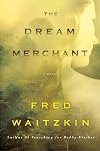
A powerful, exquisitely written tale about a charismatic yet morally ambiguous salesman
Jim can sell anything to anyone. Born into abject poverty, he uses street smarts, irresistible charms, and increasingly sophisticated schemes to pull himself up from door-to-door salesman to international mogul, the father of the pyramid scheme.
Jim becomes fabulously wealthy, owning estates and dining with royalty, but along the way he leaves an army of disillusioned customers broke and ruined in his wake. show more To escape his past, as well as government investigators, he leaves the country to become the leader of a lawless and predatory gold-mining operation in the Brazilian Amazon---an entirely lush, violent, dissolute life.
Worn down by age, and a lifetime of shady enterprise, his world suddenly changes when he meets Mara, a beautiful, young Israeli woman with dark ambitions of her own. In the process of their unlikely life together, Mara finds herself attracted to this ruined old man, as if his profligate history of glory and big money, and finally his weakness and proximity to death, creates an urgency and eroticism for her.
Narrated by an anonymous writer who is equally mesmerized and repulsed by Jim, Fred Waitzkin's The Dream Merchant is an unwavering look at the price of heedless ambition, the indissoluble bonds of male friendship, and the unsettling nature of love and sexuality. show less
Jim can sell anything to anyone. Born into abject poverty, he uses street smarts, irresistible charms, and increasingly sophisticated schemes to pull himself up from door-to-door salesman to international mogul, the father of the pyramid scheme.
Jim becomes fabulously wealthy, owning estates and dining with royalty, but along the way he leaves an army of disillusioned customers broke and ruined in his wake. show more To escape his past, as well as government investigators, he leaves the country to become the leader of a lawless and predatory gold-mining operation in the Brazilian Amazon---an entirely lush, violent, dissolute life.
Worn down by age, and a lifetime of shady enterprise, his world suddenly changes when he meets Mara, a beautiful, young Israeli woman with dark ambitions of her own. In the process of their unlikely life together, Mara finds herself attracted to this ruined old man, as if his profligate history of glory and big money, and finally his weakness and proximity to death, creates an urgency and eroticism for her.
Narrated by an anonymous writer who is equally mesmerized and repulsed by Jim, Fred Waitzkin's The Dream Merchant is an unwavering look at the price of heedless ambition, the indissoluble bonds of male friendship, and the unsettling nature of love and sexuality. show less
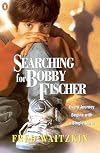
Chess has always been a particular passion of mine, which, much like other passions, rises and falls as the years go by. Most games and their inherent competitiveness are fun, but chess remains the most elegant. It has the physical beauty of the pieces, the simplest of rules, yet the potential for incredible complexity, and no dice. I hate dice. Chess requires pure intellect.
During the 70's, following the famous Fischer-Spassky match, the virtual embodiment of Russo-American war, show more practically every American mother wanted nothing more for her child than to grow up a chess master. Chess even had its cadre of groupies who worked their way up the ranking ladder.
Times have changed. Internationally ranked grand masters now must hustle games in New York's Washington Square Park, having no place to live or eat. Having devoted their lives to chess, they have no marketable skills. Meanwhile, the Russians coddle and nurture anyone showing the slightest hint of talent.
Fred Waitzkin's son Josh was found to be exceptionally talented at age six. By 11, he had fought the current world champion Garry Kasparov to a draw in an exhibition match. Waitzkin writes of his own passion for the game and his relationship with his son, and the impact such intense dedication can have on a child and his family, in a marvelous book entitled Searching for Bobby Fischer: The World of Chess, Observed by the Father of a Child Prodigy . The book is a fascinating account of the chess world, populated with eccentric characters. As one reviewer has said, "chess lives, or windmills its arms, on the outer rims of sanity." The "search" for Fischer becomes an allegory for families and values and the way we determine what is important in our lives. Fischer, even yet a recluse, even though probably "insane" (whatever that means), continues to dominate the American game. The Fischer-Spassky rematch in Yugoslavia may become the non-event of the century.
By the way, the movie was great, too show less
During the 70's, following the famous Fischer-Spassky match, the virtual embodiment of Russo-American war, show more practically every American mother wanted nothing more for her child than to grow up a chess master. Chess even had its cadre of groupies who worked their way up the ranking ladder.
Times have changed. Internationally ranked grand masters now must hustle games in New York's Washington Square Park, having no place to live or eat. Having devoted their lives to chess, they have no marketable skills. Meanwhile, the Russians coddle and nurture anyone showing the slightest hint of talent.
Fred Waitzkin's son Josh was found to be exceptionally talented at age six. By 11, he had fought the current world champion Garry Kasparov to a draw in an exhibition match. Waitzkin writes of his own passion for the game and his relationship with his son, and the impact such intense dedication can have on a child and his family, in a marvelous book entitled Searching for Bobby Fischer: The World of Chess, Observed by the Father of a Child Prodigy . The book is a fascinating account of the chess world, populated with eccentric characters. As one reviewer has said, "chess lives, or windmills its arms, on the outer rims of sanity." The "search" for Fischer becomes an allegory for families and values and the way we determine what is important in our lives. Fischer, even yet a recluse, even though probably "insane" (whatever that means), continues to dominate the American game. The Fischer-Spassky rematch in Yugoslavia may become the non-event of the century.
By the way, the movie was great, too show less
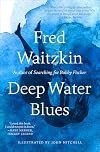
For a story that runs about 140 pages, there’s a lot going on here. And I’m still putting together what I understand ofit.
This is the story of Bobby Little, an eccentric, entrepreneurial, resourceful, and flawed man who has settled himself into Rum Cay, his own personal little kingdom in the Caribbeean.
Bobby has built Rum Cay into a kind of eclectic dreamscape, with a marina, guesthouses, a bar and restaurant, and Bobby’s own carvings from coral. As haphazard as it may seem, it’s show more successful in Bobby’s terms. Well-to-do travelers and sport fishermen frequent the Cay, and Bobby is the local celebrity host.
There are other local characters — Bobby’s right-hand man, Rasta, Rasta’s friend Biggy, Mike the reclusive writer living in a derelict sailboat, Flo who sings in an arrestingly beautiful voice while working in Bobby’s kitchen . . . and there’s Dennis, Bobby’s sometimes-partner.
Rum Cay, like any other Bahamian island is always living at the mercy of nature — storms, seas, and sharks. But ultimately, conflict between Bobby’s self-made dream life and Dennis’s less haphazard and massively ego-driven dream of his own blows the story up.
From Bobby’s perspective, Dennis is stealing Rum Cay from him. It’s not just business — it’s Bobby’s dream that Dennis is stealing.
Dennis’s methods are ruthless. And when Bobby strikes back, he does it like a crazed man defending his life’s dream, which is exactly who he is.
There’s a new ingredient in the middle by this time, though. Hannah is Bobby’s much younger bride, and also part of his dream. She’s a kind of enigmatic character. She’s making banana bread while Bobby’s in a life and death struggle. She doesn’t seem to get it, but maybe she does, and maybe something about what she gets is what could save Bobby.
Meanwhile Dennis has his own problems. There’s a “reap what you sow” anvil floating over his head.
I won’t spoil the ending. Some of it is straightforward, but there are pieces to fit together on your own.
The story is told in a first person narrative that I have to admit I found a little awkwardly inserted at times. The narrator is the author himself, and he visits Rum Cay as a nostalgic traveler, with a crew that includes the book’s illustrator, John. Waitzkin has said that several of the other characters are actual people. Rum Cay is a real place as well.
The non-fictional elements — Waitzkin has also said that the story is inspired by a real story — reflect Waitzkin’s way of writing. His best known work, Searching for Bobby Fischer, is a fictionalized memoir. The framing story here brings the author into the story, makes it a part of a reality for us as readers. We know that this is not just something he imagined — in some sense it’s a story he lived. show less
This is the story of Bobby Little, an eccentric, entrepreneurial, resourceful, and flawed man who has settled himself into Rum Cay, his own personal little kingdom in the Caribbeean.
Bobby has built Rum Cay into a kind of eclectic dreamscape, with a marina, guesthouses, a bar and restaurant, and Bobby’s own carvings from coral. As haphazard as it may seem, it’s show more successful in Bobby’s terms. Well-to-do travelers and sport fishermen frequent the Cay, and Bobby is the local celebrity host.
There are other local characters — Bobby’s right-hand man, Rasta, Rasta’s friend Biggy, Mike the reclusive writer living in a derelict sailboat, Flo who sings in an arrestingly beautiful voice while working in Bobby’s kitchen . . . and there’s Dennis, Bobby’s sometimes-partner.
Rum Cay, like any other Bahamian island is always living at the mercy of nature — storms, seas, and sharks. But ultimately, conflict between Bobby’s self-made dream life and Dennis’s less haphazard and massively ego-driven dream of his own blows the story up.
From Bobby’s perspective, Dennis is stealing Rum Cay from him. It’s not just business — it’s Bobby’s dream that Dennis is stealing.
Dennis’s methods are ruthless. And when Bobby strikes back, he does it like a crazed man defending his life’s dream, which is exactly who he is.
There’s a new ingredient in the middle by this time, though. Hannah is Bobby’s much younger bride, and also part of his dream. She’s a kind of enigmatic character. She’s making banana bread while Bobby’s in a life and death struggle. She doesn’t seem to get it, but maybe she does, and maybe something about what she gets is what could save Bobby.
Meanwhile Dennis has his own problems. There’s a “reap what you sow” anvil floating over his head.
I won’t spoil the ending. Some of it is straightforward, but there are pieces to fit together on your own.
The story is told in a first person narrative that I have to admit I found a little awkwardly inserted at times. The narrator is the author himself, and he visits Rum Cay as a nostalgic traveler, with a crew that includes the book’s illustrator, John. Waitzkin has said that several of the other characters are actual people. Rum Cay is a real place as well.
The non-fictional elements — Waitzkin has also said that the story is inspired by a real story — reflect Waitzkin’s way of writing. His best known work, Searching for Bobby Fischer, is a fictionalized memoir. The framing story here brings the author into the story, makes it a part of a reality for us as readers. We know that this is not just something he imagined — in some sense it’s a story he lived. show less
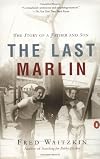
This is another book I read in preparation for a vacation to Bimini, the Bahamas. North Bimini has become somewhat more commercial since The Last Marlin was written, but South Bimini, where we stayed, remains much the same. Bimini has fantastically clear waters and is still known for its sport fishing, snorkeling and all water activities, for that matter. I thought the author made a valiant effort to avoid sounding self-absorbed, but how can that be achieved in an auto-biographical account? show more A well written and interesting story about a father and son relationship that was strained by marital discord between father and mother. show less
You May Also Like


Associated Authors
Statistics
- Works
- 7
- Also by
- 1
- Members
- 493
- Popularity
- #50,126
- Rating
- 3.8
- Reviews
- 13
- ISBNs
- 42
- Languages
- 1
- Favorited
- 1