
Brian Cassie
Author of The Butterfly Alphabet Book (Jerry Pallotta's Alphabet Books)
About the Author
Image credit: via The Sun Chronicle
Works by Brian Cassie
National Audubon Society Field Guide to the Southwestern States (1999) — Author — 226 copies, 5 reviews
Tagged
Common Knowledge
- Gender
- male
Members
Reviews
National Audubon Society Field Guide to the Southwestern States: Arizona, New Mexico, Nevada, Utah (Audubon Field Guide) by Peter Alden
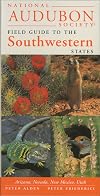
Finding a copy of this treasure at a wonderful thriftstore in Sedona was the cherry on top of an already delightful trip. Until finding it, my only sorrow of the adventure had been my near-total ignorance of the desert flora that was on spectular springtime display.
There is a certain power and satisfaction to naming. Once I had this book, I felt both as I reviewed the many pictures from our trip and named the beauty I'd captured. I squealed with delight to find the book not only features show more flowers (my personal obsession) but also star charts of the night sky, explainations of different geological formations, butterflies, mammals, and more.
Overall very easy to use. However, a number of photographs were not clear enough -- either too far from subject or too shadowy -- for confident identification. show less
There is a certain power and satisfaction to naming. Once I had this book, I felt both as I reviewed the many pictures from our trip and named the beauty I'd captured. I squealed with delight to find the book not only features show more flowers (my personal obsession) but also star charts of the night sky, explainations of different geological formations, butterflies, mammals, and more.
Overall very easy to use. However, a number of photographs were not clear enough -- either too far from subject or too shadowy -- for confident identification. show less
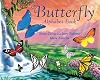
I remember when I first came upon this author and it was since of my elementary school. We had an assembly where the author was invited and ever since he told me there was a Julia butterfly I have been hooked with him.
The book writing is simple, large letters and easy for any child to read, especially with very young beginners. The author uses each entry to describe some fun facts for the children
The other thing that will catch the reader's attention is the beautiful detailed artwork and show more the interactive reading style that asks the reader to answer a question or whether you thought a non-butterfly was an actual butterfly. There are other parts that will have the reader trying to find the butterflies while the author closes with a suggestion that the reader go look for butterflies in their neighborhood with the put in warning to be careful since they are fragile (brownie points).
I was just disappointed a bit that the Julia butterfly wasn't included....
Definitely a literary gem! show less
The book writing is simple, large letters and easy for any child to read, especially with very young beginners. The author uses each entry to describe some fun facts for the children
The other thing that will catch the reader's attention is the beautiful detailed artwork and show more the interactive reading style that asks the reader to answer a question or whether you thought a non-butterfly was an actual butterfly. There are other parts that will have the reader trying to find the butterflies while the author closes with a suggestion that the reader go look for butterflies in their neighborhood with the put in warning to be careful since they are fragile (brownie points).
I was just disappointed a bit that the Julia butterfly wasn't included....
Definitely a literary gem! show less
National Audubon Society Field Guide to the Southwestern States: Arizona, New Mexico, Nevada, Utah (Audubon Field Guide) by Peter Alden

Surprisingly comprehensive, in a format even my four year old can manage, small enough to take with us on hikes and exploring trips, this book has been in use constantly since we purchased it last year. I like this particular series, because each book includes the most common animals, insects, and plants. Hurray for field guides!
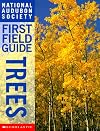
Cassie, B. (1999). The National Audubon Society first field guide: Trees. New York, NY: Chanticleer Press.
First Field Guide: Trees is an identification or naming book produced by the National Audubon Society. The National Audubon Society was founded in 1905. Its goal is to conserve and restore natural ecosystems. This goal includes preserving wildlife and plant life.
The book is divided into four parts: the world of trees, how to look at trees, the field guide, and the reference section. show more Part one: the world of trees defines what is a tree, the two classes of trees, the anatomy of a tree, and how trees impact us. Part two: how to look at trees provides a guide to identifying trees by their leaves, flowers, fruits, and bark. Part three: the field guide features more than 40 different common North American trees. Each page has a brief description, a photograph, and a list of characteristics about that tree. Part four: the reference section contains a glossary of terms.
The National Audubon Society is well qualified to write about trees. For the most part, the book provides only facts about trees. Yet one should recognize the National Audubon Society’s bias. Its position is to save trees. In one section, it discusses the importance of “taking a stand for trees” (p. 18). It explains that people are trying to save North American forests. The books, however, does not necessarily directly attack the logging industry.
The easy-to-read text is appropriate for children. All terms are defined. Each page is filled with photographs and captions, which clarify the text. Readers see the different types of leaves, bark, and trees.
The book fosters a spirit of inquiry because it encourages readers to use the book to examine trees. Readers not only learn about trees, but they also identfy them by their leaves, height, shape, color, bark, and fruits. At the end of the book, there are even additional resources listed to encourage further learning.
The total format of the book is perfect for young botanists, naturalists, or curious children. I found the book interesting and the pictures breathtaking. Appropriate for upper elementary. show less
First Field Guide: Trees is an identification or naming book produced by the National Audubon Society. The National Audubon Society was founded in 1905. Its goal is to conserve and restore natural ecosystems. This goal includes preserving wildlife and plant life.
The book is divided into four parts: the world of trees, how to look at trees, the field guide, and the reference section. show more Part one: the world of trees defines what is a tree, the two classes of trees, the anatomy of a tree, and how trees impact us. Part two: how to look at trees provides a guide to identifying trees by their leaves, flowers, fruits, and bark. Part three: the field guide features more than 40 different common North American trees. Each page has a brief description, a photograph, and a list of characteristics about that tree. Part four: the reference section contains a glossary of terms.
The National Audubon Society is well qualified to write about trees. For the most part, the book provides only facts about trees. Yet one should recognize the National Audubon Society’s bias. Its position is to save trees. In one section, it discusses the importance of “taking a stand for trees” (p. 18). It explains that people are trying to save North American forests. The books, however, does not necessarily directly attack the logging industry.
The easy-to-read text is appropriate for children. All terms are defined. Each page is filled with photographs and captions, which clarify the text. Readers see the different types of leaves, bark, and trees.
The book fosters a spirit of inquiry because it encourages readers to use the book to examine trees. Readers not only learn about trees, but they also identfy them by their leaves, height, shape, color, bark, and fruits. At the end of the book, there are even additional resources listed to encourage further learning.
The total format of the book is perfect for young botanists, naturalists, or curious children. I found the book interesting and the pictures breathtaking. Appropriate for upper elementary. show less
Lists
Awards


You May Also Like


Associated Authors
Statistics
- Works
- 12
- Members
- 2,919
- Popularity
- #8,772
- Rating
- 4.1
- Reviews
- 18
- ISBNs
- 28