
Tessa Kiros
Author of Falling Cloudberries: A World of Family Recipes
About the Author
Works by Tessa Kiros
Associated Works
Tortellini at Midnight: And Other Heirloom Family Recipes from Taranto to Turin to Tuscany (2019) — Foreword — 32 copies
Tagged
Common Knowledge
- Gender
- female
- Nationality
- UK
- Birthplace
- London, England, UK
- Places of residence
- South Africa
Tuscany, Italy
London, England, UK - Associated Place (for map)
- London, England, UK
Members
Reviews

In this culinary love letter to and about Venice, Tessa Kiros has gathered traditional Veneziani recipes for your delectation. Obviously, it's heavy on seafood, with many recipes for sardines, octopus, scampi, etc. The recipes are easy to follow, and before each she gives a little description of the dish or the process, or gives a serving suggestion. Her language is delightful; instead of telling you to cook the radicchio until it is soft, she says "until it surrenders its hardness".
Equal show more time must be given to the photographer and the book designer. The book is chock-ful of gorgeous color and black-and-white photographs of Venice and of the food. And, as an object, the book itself must be described. Heavy, with gilded edges and a wide black velvet book marker, it will definitely not be used in my kitchen. And that's one of the drawbacks. It's one thing to drip some oil or chocolate on my battered copy of The Joy of Cooking or Mastering the Art of French Cooking, but this one is far to elaborate to expose to the vicissitudes of la cucina. In addition, the American cook will likely find it difficult to locate some of the ingredients. Even in Chicago, with a good produce store down the street, I can't recall ever having seen radicchio di Treviso.
But never mind. I shall curl up with this book and a glass of Prosecco from time to time, and dream of returning to Venice, and the best sea bass I've ever had. show less
Equal show more time must be given to the photographer and the book designer. The book is chock-ful of gorgeous color and black-and-white photographs of Venice and of the food. And, as an object, the book itself must be described. Heavy, with gilded edges and a wide black velvet book marker, it will definitely not be used in my kitchen. And that's one of the drawbacks. It's one thing to drip some oil or chocolate on my battered copy of The Joy of Cooking or Mastering the Art of French Cooking, but this one is far to elaborate to expose to the vicissitudes of la cucina. In addition, the American cook will likely find it difficult to locate some of the ingredients. Even in Chicago, with a good produce store down the street, I can't recall ever having seen radicchio di Treviso.
But never mind. I shall curl up with this book and a glass of Prosecco from time to time, and dream of returning to Venice, and the best sea bass I've ever had. show less
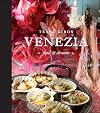
Glowing and bronzed, the book whispers from the shelf: open me. I am caught. It’s alluringly rich with memories and recipes, the food seductively photographed. I come away from the first read of Venezia: Food and Dreams enchanted.
You see, I have been to Venice, and this cannot be the same city I visited. I recognize it from the photos, but the food, the food!, so lush and local and homey and ancient. That’s not what I ate. Yet it’s exactly what I looked for when I traveled there, what show more I expected to find by scouring dead-end alley restaurants and tiny nook cafes for family fare. And the last day of my trip, just before the hours of rushing to the train station on crowded water taxis after carting unwheeled luggage over a thousand bridges, I found exactly the ingredients this sort of food is made of — fat chunks of parmesan, firm-tart olives, wedges of herb-flecked focaccia, handfuls of squid, and baskets of tomatoes, plums, apricots. If only I could’ve followed the food directly to the restaurants that cooked like this, the trip would have been heaven on a plate.
Organized by traditional Italian courses, Kiros empowers readers to create a full menu using whatever ingredients are freshest. As a vegetarian with limited fish intake, I was pleased to find so many things to make, at least one from every category. Mozzarella in carrozza, one of my favorite Italian appetizers, are droolingly photographed in their deep-fried glory, a dripping sandwich of mozzarella smashed between savory, egg-battered bread. An array of risottos, polentas, soups, and fried fish dishes had me salivating. Gnocchi di zucca, winter squash gnocchi, is a toast to fall with nutmeg and sage, though shaping takes a few tries to perfect. Almonds shine as the center of the sbriciolona, or crumbler cake, a divine addition to any casual dinner party as it perfectly finishes any meal without too much fuss.
Though I’m not certain it’s possible to replicate the flavors of some recipes, including Kiros’ intruglio, an appetizer specific to Sergia’s restaurant, without access to the produce and cheeses of Venice, I’m willing to give it a go. I imagine it will taste better if I close my eyes and remember dipping my fingers into the plastic bag of olives from the cheese mongers, following each with a fat bite of focaccia padded with fresh mozzarella. It’s simple yet exquisite, one of my standout meals, and this feels like Kiros wrote Venezia about it. show less
You see, I have been to Venice, and this cannot be the same city I visited. I recognize it from the photos, but the food, the food!, so lush and local and homey and ancient. That’s not what I ate. Yet it’s exactly what I looked for when I traveled there, what show more I expected to find by scouring dead-end alley restaurants and tiny nook cafes for family fare. And the last day of my trip, just before the hours of rushing to the train station on crowded water taxis after carting unwheeled luggage over a thousand bridges, I found exactly the ingredients this sort of food is made of — fat chunks of parmesan, firm-tart olives, wedges of herb-flecked focaccia, handfuls of squid, and baskets of tomatoes, plums, apricots. If only I could’ve followed the food directly to the restaurants that cooked like this, the trip would have been heaven on a plate.
Organized by traditional Italian courses, Kiros empowers readers to create a full menu using whatever ingredients are freshest. As a vegetarian with limited fish intake, I was pleased to find so many things to make, at least one from every category. Mozzarella in carrozza, one of my favorite Italian appetizers, are droolingly photographed in their deep-fried glory, a dripping sandwich of mozzarella smashed between savory, egg-battered bread. An array of risottos, polentas, soups, and fried fish dishes had me salivating. Gnocchi di zucca, winter squash gnocchi, is a toast to fall with nutmeg and sage, though shaping takes a few tries to perfect. Almonds shine as the center of the sbriciolona, or crumbler cake, a divine addition to any casual dinner party as it perfectly finishes any meal without too much fuss.
Though I’m not certain it’s possible to replicate the flavors of some recipes, including Kiros’ intruglio, an appetizer specific to Sergia’s restaurant, without access to the produce and cheeses of Venice, I’m willing to give it a go. I imagine it will taste better if I close my eyes and remember dipping my fingers into the plastic bag of olives from the cheese mongers, following each with a fat bite of focaccia padded with fresh mozzarella. It’s simple yet exquisite, one of my standout meals, and this feels like Kiros wrote Venezia about it. show less
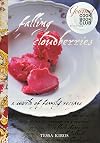
Falling Cloudberries is beautiful, engaging, and filled with the kind of recipes that call to you from the pages, saying, don't be shy, this is home cooking, anyone can make this, and you can, too. More than a cookbook, but less than a memoir, Falling Cloudberries is a commonplace book, a collection of recipes, memories and photographs of food, families, and places the author has lived. It is designed to look like a scrapbook, with lovely chintz endpapers and spine, and a script font for the show more title and section headings.
The wonderful thing about this cookbook is that, like any good scrapbook, the whole is so much more than the sum of its parts. The recipes, while interesting, are generally not complex; they are mostly common foods from the countries Tessa Kiros has lived. For me that is part of their appeal. I attend a yearly Greek festival each year. I love going for many reasons, but the best part is the food. I opened Falling Cloudberries at random, and there they all were, my Greek favorites: Lamb with lemon and oregano, pastitsia, fried haloumi cheese, loukoumades. In the South African section there is a recipe for garlic bread tucked in among more exotic offerings. There are less familiar recipes, too, including a number of enticing desserts, but this is mostly comfort food from Scandinavia, Greece, South Africa, and other places Tessa Kiros has lived.
The vignettes that go along with these recipes are small, evocative passages, sensuous memories that recall a taste, a smell, the family member who shaped the dough or seasoned the chicken, the sight of octopus drying on a clothesline, the sad music from the ice-cream van.
The photographs are really what make me keep coming back to this book . They are not just perfectly presented plates of finished dishes and stunning landscapes, nor are they how-to photos. Not every recipe has a photo, and not all the photos are of the food. They are large, full colored, abundant, and like the writing, evocative-- I could almost taste the black-eyed peas swimming in their glistening puddles of olive oil, or feel the heat radiating off the wall of a Greek church. The sepia-toned photos of Kiros's family look like interesting people I wish I'd known and been able to share a meal with.
Overall, this is a lovely book to look through, to open at random and taste, and to be inspired by when looking for something new to cook . The recipes I've tried have been easy to follow and were eaten with great appreciation by my family. My only complaint is that the type used for the actual recipe directions is so much smaller than anything else in the book that it can be a bit difficult to read. In spite of that, I wholeheartedly recommend Falling Cloudberries as a memorable addition to your cookbook library. show less
The wonderful thing about this cookbook is that, like any good scrapbook, the whole is so much more than the sum of its parts. The recipes, while interesting, are generally not complex; they are mostly common foods from the countries Tessa Kiros has lived. For me that is part of their appeal. I attend a yearly Greek festival each year. I love going for many reasons, but the best part is the food. I opened Falling Cloudberries at random, and there they all were, my Greek favorites: Lamb with lemon and oregano, pastitsia, fried haloumi cheese, loukoumades. In the South African section there is a recipe for garlic bread tucked in among more exotic offerings. There are less familiar recipes, too, including a number of enticing desserts, but this is mostly comfort food from Scandinavia, Greece, South Africa, and other places Tessa Kiros has lived.
The vignettes that go along with these recipes are small, evocative passages, sensuous memories that recall a taste, a smell, the family member who shaped the dough or seasoned the chicken, the sight of octopus drying on a clothesline, the sad music from the ice-cream van.
The photographs are really what make me keep coming back to this book . They are not just perfectly presented plates of finished dishes and stunning landscapes, nor are they how-to photos. Not every recipe has a photo, and not all the photos are of the food. They are large, full colored, abundant, and like the writing, evocative-- I could almost taste the black-eyed peas swimming in their glistening puddles of olive oil, or feel the heat radiating off the wall of a Greek church. The sepia-toned photos of Kiros's family look like interesting people I wish I'd known and been able to share a meal with.
Overall, this is a lovely book to look through, to open at random and taste, and to be inspired by when looking for something new to cook . The recipes I've tried have been easy to follow and were eaten with great appreciation by my family. My only complaint is that the type used for the actual recipe directions is so much smaller than anything else in the book that it can be a bit difficult to read. In spite of that, I wholeheartedly recommend Falling Cloudberries as a memorable addition to your cookbook library. show less
 This review was written for LibraryThing Early Reviewers.
Jealous of Kiros' diverse family recipes and map-skipping travels, I read "Falling Cloudberries" from cover to cover, bookmarking tasty bites with flavors that span the globe. I was inspired to cook something immediately, but choosing a recipe proved difficult. My sweet tooth argued for dessert. But would it be the crumbly crisp Cinnamon and Cardamom Buns from Finland? Bougatsa from Greece, layered filo with sweet, custard-like filling? Cream cheese-filled Bourekia cookies from Cyprus? In show more the end, Kiros' grandfather's Rice Pudding recipe (page 192), a mildly sweet and comforting dish, was the perfect footnote for the dinner I'd already eaten.
Part memoir, part family scrapbook and entirely food-driven, this is the cookbook I wish I had written. Reading it feels familial, infused with childhood and nostalgia. Finished with my initial reading, I flipped through the book a second time to make my grocery list. The book already looked like a member of my (admittedly large) cooking library, torn paper scraps marking favored items and desserts with my notes for accompaniments. It being April, I'm baking up the South African cinnamon-swirled Bobba's Babka (page 246) for Easter brunch. Hopefully my family will love the recipe as much as I do.
Served with a bit of nostalgia, this recipe collection provides a great balance of flavors with an approachable, continental flair. When this book arrived in the mail, I celebrated. There's a beautiful heft to the book — brimming with gorgeous patterns, color photography and thick, glossy pages — that makes it seem a prize, certainly worthy of celebration and, perhaps, a bit more of that lovely rice pudding. show less
Part memoir, part family scrapbook and entirely food-driven, this is the cookbook I wish I had written. Reading it feels familial, infused with childhood and nostalgia. Finished with my initial reading, I flipped through the book a second time to make my grocery list. The book already looked like a member of my (admittedly large) cooking library, torn paper scraps marking favored items and desserts with my notes for accompaniments. It being April, I'm baking up the South African cinnamon-swirled Bobba's Babka (page 246) for Easter brunch. Hopefully my family will love the recipe as much as I do.
Served with a bit of nostalgia, this recipe collection provides a great balance of flavors with an approachable, continental flair. When this book arrived in the mail, I celebrated. There's a beautiful heft to the book — brimming with gorgeous patterns, color photography and thick, glossy pages — that makes it seem a prize, certainly worthy of celebration and, perhaps, a bit more of that lovely rice pudding. show less
This review was written for LibraryThing Early Reviewers.Awards

You May Also Like


Associated Authors
Statistics
- Works
- 15
- Also by
- 2
- Members
- 1,561
- Popularity
- #16,516
- Rating
- 3.9
- Reviews
- 36
- ISBNs
- 76
- Languages
- 8
- Favorited
- 3
