

Seraphim Rose (1934–1982)
Author of Orthodoxy and the religion of the future
About the Author
Series
Works by Seraphim Rose
The Place of Blessed Augustine in the Orthodox Church (Orthodox Theological Texts) (2007) 114 copies, 1 review
Blessed John the Wonderworker: A Preliminary Account of the Life and Miracles of Archbishop John Maximovitch (1987) 88 copies, 1 review
Guidance Toward Spiritual Life: Answers to the Questions of Disciples (1990) — Selector, Translator — 45 copies, 1 review
The Orthodox World-View 1 copy
Little Russian Philokalia: St. Paisius Velichkovsky (Volume IV) by Fr. Seraphim Rose (1994-09-27) 1 copy
Saints Barsanuphius and John: Guidance Toward Spiritual Life, Answers to Questions of Disciples 1 copy
Святое Православие ХХ век 1 copy
Mai Aproape de Dumnezeu 1 copy
Associated Works
The Orthodox Veneration of Mary the Birthgiver of God (1994) — Translator, some editions — 135 copies, 1 review
Tagged
Common Knowledge
- Legal name
- Rose, Eugene Dennis
- Other names
- Seraphim of Platina
- Birthdate
- 1934-08-13
- Date of death
- 1982-09-02
- Gender
- male
- Education
- University of California, Berkeley (MA) (Oriental languages) (1961)
American Academy of Asian Studies
Pomona College (Chinese Philosophy) (1956,) - Occupations
- Hieromonk
Priest, Russian Orthodox - Organizations
- Russian Orthodox Church Outside of Russia
Orthodox Word (journal)
St Herman Press (co-founder) - Nationality
- USA
- Birthplace
- San Diego, California, USA
- Places of residence
- San Diego, California, USA
San Francisco, California, USA
St. Herman of Alaska Monastery, Platina, California, USA - Place of death
- Platina, California, USA
- Burial location
- St. Herman of Alaska Monastery, Platina, California, USA
- Associated Place (for map)
- California, USA
Members
Reviews
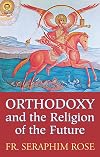
The warnings of Father Seraphim Rose ought to be heeded by every Orthodox Christian more so today than when he first wrote them. The antichrist spirit can be seen not only in spiritualistic and pseudoscientific movements, but also in the antichrist claims prevalent in much of modern "Biblical Studies," "History of Theology" courses, and the like in seminaries, universities, and on various TV shows on such channels as National Geographic and the History Channel. Postmodern approaches have show more popularized ideologies of age-old Gnosticism, that is, paganized, anti-Judaic, anti-Christian teachings exemplified in the Nag Hammadi texts and other heterodox writings of the first three centuries of the Christian era. In such an atmosphere of increasing spiritual dangers, Orthodox Christians ought to pursue more closely the teachings of the Scriptures, the Holy Fathers, and the liturgical prayers of the Church, and seek to follow the practices of the Saints in continual prayer, regular fasting and charitable acts, and frequent, mindful reception of the Holy Mysteries of Confession and Holy Communion.
There is another spiritual danger related to the topics discussed in Father Seraphim's book that he does not mention here: the danger of reactionary rejection or dismissal arising from an Orthodox zeal lacking experiential knowledge and/or sufficient study of the breadth and depth of the teachings of the Holy Fathers on particular issues. For example, the Gospels warn us of the sin of blaspheming the Holy Spirit by attributing His miraculous workings to the power of Satan and they discourage a knee-jerk reaction condemning someone working a miracle in the Name of Jesus simply because such a person is not part of the Apostolic followers of Christ (i.e., the Orthodox Church). One should not speak at length on the nature of the spiritual gift of speaking in tongues and of its frequency or infrequency in history without having read what has been said about this holy gift by the Apostle Paul and several other Holy Fathers, such Saint Mark, Saint Luke, Saint Irenaeus, Saint Hilary of Poitiers, Saint Gregory Nazianzen, Saint Ambrose of Milan, Saint John Chrysostom, Saint Peter of Damascus, Saint Gregory Palamas, and Saint Philaret of Moscow. Spiritual discernment must be operative when evaluating such spiritual manifestations, not simply a knee-jerk rejection and dismissal based on the hypothesis that "the genuine gift of tongues cannot possibly be manifested today in the life of anyone." In other words, when Orthodox Christians see the proliferation of counterfeit manifestations of the gift of tongues among heterodox groups, they ought not therefore to assume that every such manifestation is absolutely not from the Holy Spirit.
Likewise, when Orthodox Christians see a lack of show of the gift of tongues in the historical records of the lives of the saints, they ought not to assume that the gift of tongues ceased and cannot, therefore, be operative in our day. All the gifts of the Holy Spirit are given, not based on statistics of frequency of occurrence in our hagiography, but rather according to the will of God and the prayer of the faithful. If God wills such miraculous manifestations be given in our day in answer to fervent supplication, we ought not to preclude such from happening by the faulty presumptions of our philosophies, no matter how "theological" or "traditional" we may allege them to be. Furthermore, we ought to question why a gift such as the gift of tongues, granted not to speak to men, but rather to God in prayer (I Corinthians 14:2), would be evidenced much at all in the historical record since its occurrence would tend to be in the privacy of the prayer closet rather than in public concourse. The Apostle Paul is the only saint on record to have claimed himself to speak in tongues (I Corinthians 14:18), though Saint Luke and Saint Paul tell us there were many others who did speak in tongues. The Apostle Paul spoke only of his speaking in tongues in order to teach the Corinthians concerning this gift so they would not be ignorant of these matters. Saints do not run around boasting of their ability to prophesy, let alone boasting of the least of spiritual manifestations--the gift of tongues. Saint Philaret of Moscow in his sermon entitled "On Praying with the Spirit and the Understanding" (1829) in his SERMONS ON THE SPIRITUAL LIFE exhibits a personal knowledge of the actual experience of speaking in tongues though the saint does not openly claim he has experienced it.
The gift was certainly operative in the early days of the Church as one possible miraculous sign of being filled with the Holy Spirit. By the manifestation of speaking in tongues, the Apostle Peter knew that the Holy Spirit had fallen for the first time upon Gentiles, those in the house of Cornelius, even before they were received into the Church through Holy Baptism (Acts 10:44-48). As a miraculous, public sign of someone receiving the Holy Spirit to assure the faithful of the transmission of Grace through the Apostolic laying on of hands, the gift of tongues certainly dwindled in frequency as the historical record shows, but that does not mean that people, in absence of the manifestation of tongues, stopped receiving the Holy Spirit in the Holy Mystery of Chrismation, which replaced the laying on of hands for the Gift of the Holy Spirit. Neither does this dwindling of such public manifestations in the historical record necessarily indicate that the gift of tongues ceased completely from among the members of the Church. Rather, the primary purpose of the gift seems not to be a sign of the Holy Spirit's filling, but rather a gift, given to some, of mystical communication between God and one so gifted. Such communication, not for the purpose of speaking to other human beings, would, of course, be a matter of private, spiritual edification and prayer, but not usually something to be put on public display, though such display, Saint Paul tells us, is permissible publicly, only if the gift of interpretation of tongues is concurrently in operation (See I Corinthians 14).
In short, we Orthodox Christians ought to be humble in our approach to these matters and neither presume upon God nor deny the possibility of His working. "Quench not the Spirit," says Paul. "Do not treat prophetic inspirations with contempt." Rather than quenching the Spirit by discouraging catechumens of the possibility of them receiving prophetic manifestations through their Chrismation, Saint Cyril of Jerusalem told them, "May you be worthy of the gift of prophecy, for faith is a large affair!" We know that any genuine inspiration of the Holy Spirit must necessarily align with Holy Tradition, inspired by the same Spirit. An authentic spiritual gift will lead toward greater repentance and a deepening holiness, toward faithful reception of the Body and Blood of Christ, and toward greater spiritual unity with the whole Orthodox Church of the ages. Let us not react, but respond. May we recognize true Orthodox "phronema" to be a responsive, dialogical, and prayerful "sensibility" of the Spirit tempered by ascetical struggle and acts of compassion, certainly in unity with the mystical theology of the Orthodox Church, but not some rigid, anti-relational "mindset," regurgitating doctrinal formulas, void of life, void of power.
Saint Philaret encourages an appropriate Orthodox disposition toward this matter of speaking in tongues in his aforementioned sermon:
"Should we not be seized with fear and horror, considering the shameful difference between our [spiritual] state and [that of the early Christians]? Have many of us been so overwhelmed with the prayer of the spirit that we have had to be pulled out of the sea of the spirit to the shore of the understanding? Have many of us, even a little bit, ever experienced prayer in the spirit [which is praying in a tongue]? Do we understand what it is, when we speak of it? ...It is necessary for this age to know that gifts of grace that once were completely normal have now become strange...Truly brothers, we have fallen far from the pious zeal, the spiritual progress of the first Christians when not only the wondrous prayer in the spirit has all but disappeared, but often the prayer of the understanding is inattentive, the prayer of the heart is cold, and the prayer of the lips is not inspired by the prayer of the mind and the heart... Let us approach God not only with our mouths, but first and foremost with our hearts. Let us pray and sing with our understanding, with zeal, let us pray and sing finally with your spirit, according to the gift of the Holy Spirit, to whom be glory, together with the Father and the Son forever. Amen." show less
There is another spiritual danger related to the topics discussed in Father Seraphim's book that he does not mention here: the danger of reactionary rejection or dismissal arising from an Orthodox zeal lacking experiential knowledge and/or sufficient study of the breadth and depth of the teachings of the Holy Fathers on particular issues. For example, the Gospels warn us of the sin of blaspheming the Holy Spirit by attributing His miraculous workings to the power of Satan and they discourage a knee-jerk reaction condemning someone working a miracle in the Name of Jesus simply because such a person is not part of the Apostolic followers of Christ (i.e., the Orthodox Church). One should not speak at length on the nature of the spiritual gift of speaking in tongues and of its frequency or infrequency in history without having read what has been said about this holy gift by the Apostle Paul and several other Holy Fathers, such Saint Mark, Saint Luke, Saint Irenaeus, Saint Hilary of Poitiers, Saint Gregory Nazianzen, Saint Ambrose of Milan, Saint John Chrysostom, Saint Peter of Damascus, Saint Gregory Palamas, and Saint Philaret of Moscow. Spiritual discernment must be operative when evaluating such spiritual manifestations, not simply a knee-jerk rejection and dismissal based on the hypothesis that "the genuine gift of tongues cannot possibly be manifested today in the life of anyone." In other words, when Orthodox Christians see the proliferation of counterfeit manifestations of the gift of tongues among heterodox groups, they ought not therefore to assume that every such manifestation is absolutely not from the Holy Spirit.
Likewise, when Orthodox Christians see a lack of show of the gift of tongues in the historical records of the lives of the saints, they ought not to assume that the gift of tongues ceased and cannot, therefore, be operative in our day. All the gifts of the Holy Spirit are given, not based on statistics of frequency of occurrence in our hagiography, but rather according to the will of God and the prayer of the faithful. If God wills such miraculous manifestations be given in our day in answer to fervent supplication, we ought not to preclude such from happening by the faulty presumptions of our philosophies, no matter how "theological" or "traditional" we may allege them to be. Furthermore, we ought to question why a gift such as the gift of tongues, granted not to speak to men, but rather to God in prayer (I Corinthians 14:2), would be evidenced much at all in the historical record since its occurrence would tend to be in the privacy of the prayer closet rather than in public concourse. The Apostle Paul is the only saint on record to have claimed himself to speak in tongues (I Corinthians 14:18), though Saint Luke and Saint Paul tell us there were many others who did speak in tongues. The Apostle Paul spoke only of his speaking in tongues in order to teach the Corinthians concerning this gift so they would not be ignorant of these matters. Saints do not run around boasting of their ability to prophesy, let alone boasting of the least of spiritual manifestations--the gift of tongues. Saint Philaret of Moscow in his sermon entitled "On Praying with the Spirit and the Understanding" (1829) in his SERMONS ON THE SPIRITUAL LIFE exhibits a personal knowledge of the actual experience of speaking in tongues though the saint does not openly claim he has experienced it.
The gift was certainly operative in the early days of the Church as one possible miraculous sign of being filled with the Holy Spirit. By the manifestation of speaking in tongues, the Apostle Peter knew that the Holy Spirit had fallen for the first time upon Gentiles, those in the house of Cornelius, even before they were received into the Church through Holy Baptism (Acts 10:44-48). As a miraculous, public sign of someone receiving the Holy Spirit to assure the faithful of the transmission of Grace through the Apostolic laying on of hands, the gift of tongues certainly dwindled in frequency as the historical record shows, but that does not mean that people, in absence of the manifestation of tongues, stopped receiving the Holy Spirit in the Holy Mystery of Chrismation, which replaced the laying on of hands for the Gift of the Holy Spirit. Neither does this dwindling of such public manifestations in the historical record necessarily indicate that the gift of tongues ceased completely from among the members of the Church. Rather, the primary purpose of the gift seems not to be a sign of the Holy Spirit's filling, but rather a gift, given to some, of mystical communication between God and one so gifted. Such communication, not for the purpose of speaking to other human beings, would, of course, be a matter of private, spiritual edification and prayer, but not usually something to be put on public display, though such display, Saint Paul tells us, is permissible publicly, only if the gift of interpretation of tongues is concurrently in operation (See I Corinthians 14).
In short, we Orthodox Christians ought to be humble in our approach to these matters and neither presume upon God nor deny the possibility of His working. "Quench not the Spirit," says Paul. "Do not treat prophetic inspirations with contempt." Rather than quenching the Spirit by discouraging catechumens of the possibility of them receiving prophetic manifestations through their Chrismation, Saint Cyril of Jerusalem told them, "May you be worthy of the gift of prophecy, for faith is a large affair!" We know that any genuine inspiration of the Holy Spirit must necessarily align with Holy Tradition, inspired by the same Spirit. An authentic spiritual gift will lead toward greater repentance and a deepening holiness, toward faithful reception of the Body and Blood of Christ, and toward greater spiritual unity with the whole Orthodox Church of the ages. Let us not react, but respond. May we recognize true Orthodox "phronema" to be a responsive, dialogical, and prayerful "sensibility" of the Spirit tempered by ascetical struggle and acts of compassion, certainly in unity with the mystical theology of the Orthodox Church, but not some rigid, anti-relational "mindset," regurgitating doctrinal formulas, void of life, void of power.
Saint Philaret encourages an appropriate Orthodox disposition toward this matter of speaking in tongues in his aforementioned sermon:
"Should we not be seized with fear and horror, considering the shameful difference between our [spiritual] state and [that of the early Christians]? Have many of us been so overwhelmed with the prayer of the spirit that we have had to be pulled out of the sea of the spirit to the shore of the understanding? Have many of us, even a little bit, ever experienced prayer in the spirit [which is praying in a tongue]? Do we understand what it is, when we speak of it? ...It is necessary for this age to know that gifts of grace that once were completely normal have now become strange...Truly brothers, we have fallen far from the pious zeal, the spiritual progress of the first Christians when not only the wondrous prayer in the spirit has all but disappeared, but often the prayer of the understanding is inattentive, the prayer of the heart is cold, and the prayer of the lips is not inspired by the prayer of the mind and the heart... Let us approach God not only with our mouths, but first and foremost with our hearts. Let us pray and sing with our understanding, with zeal, let us pray and sing finally with your spirit, according to the gift of the Holy Spirit, to whom be glory, together with the Father and the Son forever. Amen." show less
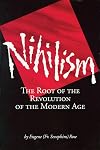
Father Seraphim's booming prophetic voice makes our own discourse seem weak and fallen. These writings date back to the 1960's and indeed sound like from another age; but at the same time resound aptly for our current moment. Terminal regression roughly brings on the collapse as he foretells. Our old rhetorics are fluff and can no longer help. In the end, we get what we wished for.
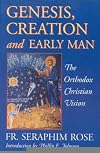
I expected much more from this book than I received. Overall, I was very disappointed. Rather than giving the reader a thoroughly Patristic interpretation of "Genesis, creation, and early man" we are instead subjected to page after page of the crassest biblical literalism, disgusting Protestant-based and -created pseudo-science, and the persistent assurance that anyone who disagrees with Fr. Seraphim's opinions on these matters is a heretic. Fr. Seraphim may quote heavily from the Fathers, show more but his approach is that of a Protestant fundamentalist, not the approach of the Holy Fathers of the Orthodox Christian Church. One is led to wonder what Fr. Seraphim might say about the allegorical or literal nature of the iconography he features throughout the book. The only redeeming feature of the book, and it is only slightly redeeming, is his treatment of Darwinism as a philosophy, which is, when inane references to pseudo-scientific theories are removed, actually a pretty good treatment. show less
The good: this book is an excellent discussion of the dangers of the new movements in Western "spirituality" -- such as the introduction of elements from Eastern religions, such as Buddhist meditation and Hindu yogic practices, Neo-Paganism, with its pseudo-revival of ancient demon-worship, and Pentecostalism, with its unquestioning acceptance of whatever "spirit" it is that takes possession of a man, causing him to behave in ways deeply contrary to the true movement of the Holy Spirit.
The show more bad: Fr. Seraphim departs does not do sufficient justice to the Eastern religions in this book. He seems to go out of his way to portray them all as dominated entirely by hucksters and snake oil peddlers and he focuses solely on the negatives of other faiths. A more fair evaluation, and one more in line with traditional Orthodox approaches, would bring out the seeds of the Word to be found in all religions while exposing the false for what it is in a humble and loving manner.
In the end, the bad seems to significantly outweigh the good. This book seems like little more than an extended bigoted diatribe. show less
The show more bad: Fr. Seraphim departs does not do sufficient justice to the Eastern religions in this book. He seems to go out of his way to portray them all as dominated entirely by hucksters and snake oil peddlers and he focuses solely on the negatives of other faiths. A more fair evaluation, and one more in line with traditional Orthodox approaches, would bring out the seeds of the Word to be found in all religions while exposing the false for what it is in a humble and loving manner.
In the end, the bad seems to significantly outweigh the good. This book seems like little more than an extended bigoted diatribe. show less
Lists
You May Also Like


Associated Authors
Statistics
- Works
- 36
- Also by
- 1
- Members
- 1,849
- Popularity
- #13,915
- Rating
- 4.1
- Reviews
- 16
- ISBNs
- 33
- Languages
- 5