
Eric R. Eaton
Author of Kaufman Field Guide to Insects of North America
Works by Eric R. Eaton
Tagged
Common Knowledge
- Canonical name
- Eaton, Eric R.
- Gender
- male
- Occupations
- writer
entomologist - Nationality
- USA
- Associated Place (for map)
- USA
Members
Reviews
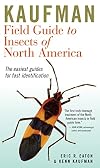
When my son was little, he developed a curiosity about bugs. He'd ask me what a particular one was, but most of the time I didn't know. We'd then try to look them up on the internet (BugGuide.net is a good source). So one Christmas, his mom got us this book.
It's a great introduction to the world of insects (and select arthropods often misidentified as "bugs"). It's broken down by class and order with color photos and relative sizes of select species that are either common or of notable show more interest. After a general introduction about the particular group on a page, there's often another paragraph about a sub-group followed by a sentence or two about featured species or genera, typically the pictured individuals.
And so this has fueled our continuous drive to identify every insect we observe in our yard.
Who's that butterfly that keeps landing on Alex? Red Admiral
Do I need to worry about this beetle? No, it only eats decaying wood.
Is this bee going to sting me? No, it's just a yellowjacket that smelled the sugar in your drink. Don't kill it because it eats the bugs that eat our crops.
These ladybugs have different spots. That's because they're different species.
Dragonflies, damselflies, katydids, fireflies, soldier beetles, paper wasps, weevils, stink bugs, owlet moths, robber flies, ants, butterflies, and bumble bees. On and on.
One of the most useful features of the book is learning who's a pest and who's an ally. The pest identification part is obviously important, but even more so the ally. While I knew that ladybugs were awesome, they didn't have any biting or stinging parts to worry about. And they're cute. Insects that we were taught in our childhood to fear for their nasty stingers are actually our allies (wasps, hornets), too. I even let some paper wasps build a nest under my deck one year because of what I learned here. Spoiler alert: No one got stung.
Even at just shy of 400 pages, there are limits to what this book can cover as there are nearly a hundred thousand species of insects in North America alone (11,000 moths; 16,000 flies; 24,000 beetles, and so on). As such, sometimes we were left wanting more information on either a bug we'd found or clarity on a particular type of beetle. But I guess that's where the internet comes in handy.
Definitely recommended for those wanting to get to know more about whom they share their yard with. show less
It's a great introduction to the world of insects (and select arthropods often misidentified as "bugs"). It's broken down by class and order with color photos and relative sizes of select species that are either common or of notable show more interest. After a general introduction about the particular group on a page, there's often another paragraph about a sub-group followed by a sentence or two about featured species or genera, typically the pictured individuals.
And so this has fueled our continuous drive to identify every insect we observe in our yard.
Who's that butterfly that keeps landing on Alex? Red Admiral
Do I need to worry about this beetle? No, it only eats decaying wood.
Is this bee going to sting me? No, it's just a yellowjacket that smelled the sugar in your drink. Don't kill it because it eats the bugs that eat our crops.
These ladybugs have different spots. That's because they're different species.
Dragonflies, damselflies, katydids, fireflies, soldier beetles, paper wasps, weevils, stink bugs, owlet moths, robber flies, ants, butterflies, and bumble bees. On and on.
One of the most useful features of the book is learning who's a pest and who's an ally. The pest identification part is obviously important, but even more so the ally. While I knew that ladybugs were awesome, they didn't have any biting or stinging parts to worry about. And they're cute. Insects that we were taught in our childhood to fear for their nasty stingers are actually our allies (wasps, hornets), too. I even let some paper wasps build a nest under my deck one year because of what I learned here. Spoiler alert: No one got stung.
Even at just shy of 400 pages, there are limits to what this book can cover as there are nearly a hundred thousand species of insects in North America alone (11,000 moths; 16,000 flies; 24,000 beetles, and so on). As such, sometimes we were left wanting more information on either a bug we'd found or clarity on a particular type of beetle. But I guess that's where the internet comes in handy.
Definitely recommended for those wanting to get to know more about whom they share their yard with. show less
This is one of the easier to use field guides for insects; I utilize it heavily in my Ecology class, because my students are able to figure it out quickly, and there is a large variety of insects included.

Fascinating and enjoyable way to learn about wasps, but unfortunately the print is pale and quite hard for me to read.
I have three insect guides. This one has a lot of the common names and a lot of good pictures. It lacksalmost allreference to where each insect is found. A typical distrubution is listed as "in the east", so you may wish to have another book for a more precise range. It also has an annoying font format that splits the insects name as often as not at the right margin, so that half the name is on the other margin. This makes it difficult to scan rapidly the left text page to find information show more about an insect pictured on the right-hand page.
The abundance of insects covered, the many color photos, and the durable binding are strengths of this publication. show less
The abundance of insects covered, the many color photos, and the durable binding are strengths of this publication. show less
Lists
Awards

You May Also Like


Associated Authors
Statistics
- Works
- 6
- Members
- 370
- Popularity
- #65,127
- Rating
- 4.3
- Reviews
- 4
- ISBNs
- 9
- Languages
- 1