
Joyce Yarrow
Author of Code of Thieves
Series
Works by Joyce Yarrow
Associated Works
Tagged
Common Knowledge
- Gender
- female
Members
Reviews
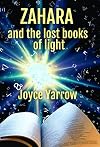
When I first opened ZAHARA AND THE LOST BOOKS OF LIFE by Joyce Yarrow, I noted the author's list of characters, most being of Middle Eastern descent and difficult to pronounce, and I thought, Oh no, this is going to be a tough read. On the contrary, it was most interesting, and the many characters transitioned smoothly through the story. Many of them find a place in your heart.
Alienor Caspo, the protagonist, is an American journalist who travels to Spain to seek Spanish (dual) citizenship, a show more promise the government made to descendants of those who were banned from the country during the Spanish Inquisition. While there, Allie, experiences visions of her female ancestors dating back to the 16th century and sets out to locate her more modern-day relatives. She learns that before the Inquisition, the various religions and nationalities coexisted in Spain. During the rebellion, many books by non-Catholic authors were burned, and those citizens of Middle Eastern descent were killed or exiled from Spain.
Through her visions, Allie also learns that thousands of books were saved during the Inquisition and spirited away to an underground cave for posterity. Librarians/guardians were sworn to secrecy and managed to protect those tomes over the centuries. However, today, a spirited political group learns about the existence of the library and sets out to destroy it.
The story is laced with suspense, fantasy, political intrigue, and romance. As there is truth in fiction, I admit that I learned a lot about Spanish history during my journey through Zahara. There is murder, deception, intrigue, and hope in the story. The plot will keep you up late into the night to see how it all plays out. Well done, Joyce! show less
Alienor Caspo, the protagonist, is an American journalist who travels to Spain to seek Spanish (dual) citizenship, a show more promise the government made to descendants of those who were banned from the country during the Spanish Inquisition. While there, Allie, experiences visions of her female ancestors dating back to the 16th century and sets out to locate her more modern-day relatives. She learns that before the Inquisition, the various religions and nationalities coexisted in Spain. During the rebellion, many books by non-Catholic authors were burned, and those citizens of Middle Eastern descent were killed or exiled from Spain.
Through her visions, Allie also learns that thousands of books were saved during the Inquisition and spirited away to an underground cave for posterity. Librarians/guardians were sworn to secrecy and managed to protect those tomes over the centuries. However, today, a spirited political group learns about the existence of the library and sets out to destroy it.
The story is laced with suspense, fantasy, political intrigue, and romance. As there is truth in fiction, I admit that I learned a lot about Spanish history during my journey through Zahara. There is murder, deception, intrigue, and hope in the story. The plot will keep you up late into the night to see how it all plays out. Well done, Joyce! show less
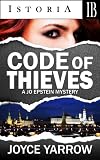
I was prepared to not like “Code of Thieves” by Joyce Yarrow. The prologue revolves around a scene in a Russian prison in 1957. It includes several Russian words, none of which are in my vocabulary, and the meanings of which I could not infer readily. I was looking for escape, not a challenge.
The first chapter didn't help much. We jumped to present day New York City, but the story was still populated by Russians with unfamiliar names, and a female private detective/amateur poet, Jo show more Epstein, having a bad hair day. Not particularly exciting to me. I probably put the book down two or three times during the first chapter, but slowly, as I read, details came trickling out.
Jo's mother, an artist who is succumbing to the vagaries of age, is married to Nikolai, a violinist and conductor whose affection doesn't extend to his stepdaughter. When an agitated Nikolai summons Jo by phone, she knows something extraordinary is occurring, and, in responding, finds herself having to bluff her way through a police cordon. Seems a man has been killed in the apartment building's elevator.
She finds Nikolai in his apartment, severely shaken. He had witnessed the murder in the elevator and inexplicably had been forced by the murderer to shoot the victim a second time, before being released.
As Jo walks her stepfather through his recollection of the grisly event, it begins to dawn that the killer was intending to implicate Nikolai for some reason, and Jo realizes that she must help this man, for her mother's sake, if not for his own. Fortunately, the police don't hear Nikolai's story and therefore don't immediately make the connection
A day or two later, a package arrives for Nikolai. An antique Matryoshka doll contains not it's smaller nested siblings, but a curious, sinister note. Events set in motion in Soviet Russia stretch long shadows into today's New York.
Finally, as a reader, I'm hooked. As the details trickle out, the author weaves a complex but believable net of events, characters and locations that include New York, Moscow and much smaller communities in Russia. As the story unfolded, my bedtime came and passed, unnoticed.
Joyce Yarrow's characters are believably ordinary. The challenges they face are daunting, but not unrealistic. The violence, though necessary to the story, was not overdone. In the end, I found “Code of Thieves” an enjoyable read, and I'll be looking for other books by Joyce Yarrow. show less
The first chapter didn't help much. We jumped to present day New York City, but the story was still populated by Russians with unfamiliar names, and a female private detective/amateur poet, Jo show more Epstein, having a bad hair day. Not particularly exciting to me. I probably put the book down two or three times during the first chapter, but slowly, as I read, details came trickling out.
Jo's mother, an artist who is succumbing to the vagaries of age, is married to Nikolai, a violinist and conductor whose affection doesn't extend to his stepdaughter. When an agitated Nikolai summons Jo by phone, she knows something extraordinary is occurring, and, in responding, finds herself having to bluff her way through a police cordon. Seems a man has been killed in the apartment building's elevator.
She finds Nikolai in his apartment, severely shaken. He had witnessed the murder in the elevator and inexplicably had been forced by the murderer to shoot the victim a second time, before being released.
As Jo walks her stepfather through his recollection of the grisly event, it begins to dawn that the killer was intending to implicate Nikolai for some reason, and Jo realizes that she must help this man, for her mother's sake, if not for his own. Fortunately, the police don't hear Nikolai's story and therefore don't immediately make the connection
A day or two later, a package arrives for Nikolai. An antique Matryoshka doll contains not it's smaller nested siblings, but a curious, sinister note. Events set in motion in Soviet Russia stretch long shadows into today's New York.
Finally, as a reader, I'm hooked. As the details trickle out, the author weaves a complex but believable net of events, characters and locations that include New York, Moscow and much smaller communities in Russia. As the story unfolded, my bedtime came and passed, unnoticed.
Joyce Yarrow's characters are believably ordinary. The challenges they face are daunting, but not unrealistic. The violence, though necessary to the story, was not overdone. In the end, I found “Code of Thieves” an enjoyable read, and I'll be looking for other books by Joyce Yarrow. show less
 This review was written for LibraryThing Early Reviewers.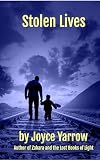
"Stolen Lives" by Joyce Yarrow is a riveting mix of history and intrigue. The novel opens on the Island of Rhodes during World War II and takes readers on a journey through the decades to present-day Spain. Alienor's quest is deeply personal as she uncovers her family’s past, filled with heartbreak and resilience. Her Jewish and Arabic lineage weaves a rich tapestry of history, culture, and tragedy that informs her investigation into Spain's "stolen babies"—a dark chapter where infants show more were taken from mothers deemed unfit by Franco’s regime.
The transitions between different time periods can be a bit bumpy, but the story’s depth and emotional weight make up for it. The use of magical realism effectively ties the past to the present, particularly through Alienor's ancestral visions.
One of the book's strengths is its exploration of Spain’s multifaceted history, especially through the lens of Alienor’s family’s experiences during wartime. The novel sheds light on lesser-known aspects of Spanish history, including the persecution of Jews and the practice of separating infants from their birth mothers under Franco’s rule. It also delves into other heavy themes such as the Roman Catholic Church's role in the baby thefts, the lengths dictators go to secure loyalty, and the enduring impact of cultural erasure.
"Stolen Lives" follows up on themes from Yarrow’s previous novel, "Zahara and the Lost Books of Light." While it can stand alone well, reading the previous book first will enhance your understanding and appreciation of the ongoing story.
This story that will linger with you, shedding light on the hidden corners of history while connecting them to the present in a powerful way. If you're interested in historical thrillers with a touch of magical realism and strong female protagonists, this book is for you. show less
The transitions between different time periods can be a bit bumpy, but the story’s depth and emotional weight make up for it. The use of magical realism effectively ties the past to the present, particularly through Alienor's ancestral visions.
One of the book's strengths is its exploration of Spain’s multifaceted history, especially through the lens of Alienor’s family’s experiences during wartime. The novel sheds light on lesser-known aspects of Spanish history, including the persecution of Jews and the practice of separating infants from their birth mothers under Franco’s rule. It also delves into other heavy themes such as the Roman Catholic Church's role in the baby thefts, the lengths dictators go to secure loyalty, and the enduring impact of cultural erasure.
"Stolen Lives" follows up on themes from Yarrow’s previous novel, "Zahara and the Lost Books of Light." While it can stand alone well, reading the previous book first will enhance your understanding and appreciation of the ongoing story.
This story that will linger with you, shedding light on the hidden corners of history while connecting them to the present in a powerful way. If you're interested in historical thrillers with a touch of magical realism and strong female protagonists, this book is for you. show less
"Zahara and the Lost Books of Light" by Joyce Yarrow is a gripping mix of historical fiction and fantasy that whisks readers between the present day and the 16th century. It dives into the rich cultural and religious history of Medieval Spain, echoing the Islamic Golden Age with its impressive intellectual and cultural achievements.
The story follows Alienor Crespo, a journalist with the gift of second sight, who heads to Spain to uncover her Sephardic roots. She stumbles upon a hidden show more library filled with books saved from the Spanish Inquisition. We flash back in time to witness the bravery of the women in her family, who risked everything to protect these sacred texts.
In the present, Alienor finds out her cousin Celia is the guardian of this secret library, hidden beneath Celia's home. This library becomes the center of a modern-day fight against extremists who want to erase the history of peaceful coexistence between Christians, Muslims, and Jews.
This novel is both captivating and enlightening, with beautiful descriptions and a fast-paced plot. It's a compelling mix of mystery, politics, history, and romance. I appreciated its relevance to current political and cultural issues, especially its commentary on extremism and the importance of intercultural respect and cooperation.
Though the timeline switches, sometimes within the same chapter, could be a bit confusing, I still found it satisfying. Yarrow's descriptive writing vividly brings to life the settings and historical periods she explores. show less
The story follows Alienor Crespo, a journalist with the gift of second sight, who heads to Spain to uncover her Sephardic roots. She stumbles upon a hidden show more library filled with books saved from the Spanish Inquisition. We flash back in time to witness the bravery of the women in her family, who risked everything to protect these sacred texts.
In the present, Alienor finds out her cousin Celia is the guardian of this secret library, hidden beneath Celia's home. This library becomes the center of a modern-day fight against extremists who want to erase the history of peaceful coexistence between Christians, Muslims, and Jews.
This novel is both captivating and enlightening, with beautiful descriptions and a fast-paced plot. It's a compelling mix of mystery, politics, history, and romance. I appreciated its relevance to current political and cultural issues, especially its commentary on extremism and the importance of intercultural respect and cooperation.
Though the timeline switches, sometimes within the same chapter, could be a bit confusing, I still found it satisfying. Yarrow's descriptive writing vividly brings to life the settings and historical periods she explores. show less
Awards


You May Also Like
Associated Authors
Statistics
- Works
- 9
- Also by
- 1
- Members
- 63
- Popularity
- #268,027
- Rating
- 3.6
- Reviews
- 22
- ISBNs
- 13
- Languages
- 1

