

Dorothy K. Haynes (1918–1987)
Author of The Weird Tales of Dorothy K. Haynes: 54 (British Library Tales of the Weird)
About the Author
Image credit: Dorothy K Haynes c1950s
Works by Dorothy K. Haynes
The Weird Tales of Dorothy K. Haynes: 54 (British Library Tales of the Weird) (2024) 36 copies, 3 reviews
Peacocks and Pagodas: The Best of Dorothy Haynes' Short Stories (The Scottish fiction reprint library) (1981) 2 copies
Robin Ritchie 2 copies
Those Lights and Violins 1 copy
Changeling 1 copy
Associated Works
Celtic Weird: Tales of Wicked Folklore and Dark Mythology (British Library Hardback Classics) (2022) — Contributor — 83 copies
Scotland the Strange: Weird Tales from Storied Lands (British Library Hardback Classics) (2023) — Contributor — 43 copies, 1 review
The Other voice : Scottish women's writing since 1808 : an anthology (1988) — Contributor — 10 copies
American Aphrodite: A Quarterly for the Fancy Free (Volume 5, Number 19) (1955) — Contributor — 2 copies
Tagged
Common Knowledge
- Birthdate
- 1918
- Date of death
- 1987-12
- Gender
- female
- Nationality
- UK
- Birthplace
- Lanarkshire, Scotland, UK
- Map Location
- Scotland, UK
Members
Reviews
The Weird Tales of Dorothy K. Haynes: Volume 54 (British Library Tales of the Weird) by Dorothy K. Haynes
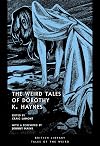
An uneven collection, but at this point I think the collecting of Haynes' stories is getting tougher and tougher to find new ones. She died in 1987 at age 69.
This collection contains some of her best previously published work:
The Head
Dorothy Dean
Up, Like a Good Girl!
Changeling
and Thou Shalt Not Suffer a Witch...
I re-read all of those again and found they all held up at least as well as my first reading of them, if not better.
And there were these new-to-me stories plus some never before show more published:
The Man in the Wall
Black Chain
Day of Wrath
The Curator
and A Horizon of Obelisks
That makes 10 standouts and 16 fair to high middling stories. Those 10 easily make this a very readable collection!
Haynes doesn't just write ghost or weird stories, she writes ghost or weird stories with an empathetic understanding of her hapless protagonists who find themselves up against forces bigger than themselves. Most of the characters aren't all that sympathetic, some verge on downright unlikeable, but she still treats them with insights into their unique pathos.
She herself grew up in a Scottish orphanage run by Episcopalian nuns and the child's view abounds in the stories. Her writing was encouraged at the orphanage by the nuns and even so, there is no doubt that is where her morbid sensibilities began. Her stories highlight Scottish lore and lingo, and she's not afraid to include religious aspects to her stories--religion that is sometimes righteous, but often is a deeper dive into Christianity's unique psychology. Indeed, my two favorite stories, "Black Chain" and "Day of Wrath" have a focus on either a religious person (a monk in "Black Chain") or a child's fear/adoration for the crucified Christ (in "Day of Wrath").
Haynes could have written in any genre, including straight literature. But her inspiration no doubt came from those years in the orphanage, where a child's flights of fancy and ability to tell a good story were given high premium by the other children. I'm glad she stuck with her roots because she has written stories that have a unique focus in the genre she grew up refining for herself.
I don't care for the cover much, it's a take-off of a better Mervyn Peake version; Peake was an enthusiastic fan of Haynes. I carried this book with me to visit my Littles in Colorado as my own bedtime read. That cover, icky as I find it, intrigued especially the 9 year old and she asked me to read one of the stories. So, with some trepidation I picked one, read it aloud to her. She loved it and wanted another. So I did that again. Before I returned home we had read 5 stories together, and both of the Littles were rapt. Following each story we had discussions where they shared deeper insights than I expected.
I was more than a little relieved that--so far--I haven't given the Littles nightmares. I thank Haynes for creating that kind of weird story, one that can be scary about ghosts, witches, men hidden walls, even a little girl murderer, but all fascinating to a 7 or 9 (or 66) year old. That's just like she must have done all those years in the orphanage. show less
This collection contains some of her best previously published work:
The Head
Dorothy Dean
Up, Like a Good Girl!
Changeling
and Thou Shalt Not Suffer a Witch...
I re-read all of those again and found they all held up at least as well as my first reading of them, if not better.
And there were these new-to-me stories plus some never before show more published:
The Man in the Wall
Black Chain
Day of Wrath
The Curator
and A Horizon of Obelisks
That makes 10 standouts and 16 fair to high middling stories. Those 10 easily make this a very readable collection!
Haynes doesn't just write ghost or weird stories, she writes ghost or weird stories with an empathetic understanding of her hapless protagonists who find themselves up against forces bigger than themselves. Most of the characters aren't all that sympathetic, some verge on downright unlikeable, but she still treats them with insights into their unique pathos.
She herself grew up in a Scottish orphanage run by Episcopalian nuns and the child's view abounds in the stories. Her writing was encouraged at the orphanage by the nuns and even so, there is no doubt that is where her morbid sensibilities began. Her stories highlight Scottish lore and lingo, and she's not afraid to include religious aspects to her stories--religion that is sometimes righteous, but often is a deeper dive into Christianity's unique psychology. Indeed, my two favorite stories, "Black Chain" and "Day of Wrath" have a focus on either a religious person (a monk in "Black Chain") or a child's fear/adoration for the crucified Christ (in "Day of Wrath").
Haynes could have written in any genre, including straight literature. But her inspiration no doubt came from those years in the orphanage, where a child's flights of fancy and ability to tell a good story were given high premium by the other children. I'm glad she stuck with her roots because she has written stories that have a unique focus in the genre she grew up refining for herself.
I don't care for the cover much, it's a take-off of a better Mervyn Peake version; Peake was an enthusiastic fan of Haynes. I carried this book with me to visit my Littles in Colorado as my own bedtime read. That cover, icky as I find it, intrigued especially the 9 year old and she asked me to read one of the stories. So, with some trepidation I picked one, read it aloud to her. She loved it and wanted another. So I did that again. Before I returned home we had read 5 stories together, and both of the Littles were rapt. Following each story we had discussions where they shared deeper insights than I expected.
I was more than a little relieved that--so far--I haven't given the Littles nightmares. I thank Haynes for creating that kind of weird story, one that can be scary about ghosts, witches, men hidden walls, even a little girl murderer, but all fascinating to a 7 or 9 (or 66) year old. That's just like she must have done all those years in the orphanage. show less
Ooo, is it Witchy?
Yes, but...
No, not like that cover...
Yes, there are witches...but so much more
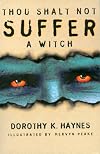
Forget that insanely ridiculous 1996 book cover. Mervyn Peake's 1949 cover is better but still doesn't fully capture the breadth and depth of these stories. What is truly witchy is Haynes' talent as a story-teller.
From each story's first lines, Haynes whisks us into Scottish micro communities and into lives of its hapless residents, of their superstitions and the supernatural, of drunks and show more lonely old women, of little orphan girls and little wild boys, of the trauma of war and the misfires of love. And yes, a few witches.
She writes about humanity.
Haynes' depicts lives of all manner of individuals navigating ignorance and powerlessness against forces bigger than they are. Even at their most vulnerable, stupid, self-sabotaging, and sometimes criminal or cruel, Haynes treats each protagonist with such empathy and insight it will put you into a sympathetic connection with that struggling soul.
I wouldn't omit one single story in this collection. (OK, there is one, just one.). The collection contains a large number of the masterful and the remainder are sturdily wonderful. My personal 5 star rating test is, would I happily read this again? Yes! Would I recommend it to others? Yes!
Haynes is one of those writers who wrote their hearts out, made a living at it, and then have been mostly forgotten. There is a special thrill, a big dopamine hit, when re-discovering a rare gem like this among the mountains and mountains of books.
I've bolded the stories I found to be remarkable.
"The Head" 06/02/2025
Haynes knows how to write in vivid detail about the misery of the dejected: a man put in neck shackles at the church for being a thief where he must stay until nightfall. Luckily (?) he has a distraction from his own misery. Gruesome story, but so fine.
"The Gay Goshawk"06/02/2025
I think this is sequel the old ballad by the same name. Another sad story and like "The Head" not fantastical. Such detailed descriptions and with pacing that made it instantly immersive. I only wish the story was 10 times as long. Seems Haynes has a special affinity and talent for describing disoriented characters.
"Thou Shalt Not Suffer a Witch..."06/15/2025
Tragic! Tragic because this is probably not all that different from what happened historically. Haynes, in these first stories, is letting the Medieval ancestors have it with her empathy for the victims of village mob-mentality.
"The 'Bean-Nighe'" 06/16/2025
I had to look up what a Scottish bean-nighe was. Interesting how many cultures features a sad woman forever at a river or lake. I wonder what that means about humanity's deep-seated myth-making. The ending couldn't be more perfect.
"The Cure"06/17/2025
Another one of the stories by Haynes that is deeply empathetic. So far, that's what I would say is the main theme of these stories. Is she saying something about human ignorance throughout history or about mankind's ability to create its own misery?
"Three Times Round" 06/18/2025
Here, I definitely I think she is saying something about how humans make much of their own troubles and misery: an arranged duel...with knives...in a coach!
"Paying Guests" 06/19/2025
This is the first story that seems to incorporate the supernatural as a fact, not just superstition. No matter what Haynes writes about, though, there is that beautiful engrossing empathy.
"The Changeling" 05/26/2025
Dig this opening line, "The witch had been sitting on the gargoyle all day." Ha! If that doesn't get you drawn in, nothing will. I enjoyed the strong child emotions, such pitiful isolation and disorientation. Haynes herself was an orphan, grew up in an orphanage and surely she drew on that experience, dreaming of a warm, caring mother, taken away forever.
"Gas" 07/07/2025
Gas as in laughing gas given at the dentist's. I was a little disappointed by the ending, but still, even a weak Haynes story is entertaining and immersive with all her wonderful descriptions. How about the priest she encounters after her tooth extraction, "with his spectacles, his black hat, and his artificial hand." Wha? I love that.
"Delirium" 07/07/2025
I have a feeling that if one had lived through the Blitz, or maybe 9/11, they would be triggered by this story, a story of surviving a terrible bombing, desperately injured, and encountering a God who, in all His dignity and power, is only wildly enigmatic.
"Music in the Memory" 07/08/2025
Not your normal star-crossed story, certainly not in this collection. That ending says so much about our first loves.
"A Beautiful Life" 07/11/2025
A story about a single surprising moment, an extraordinary and beastly one in the life of a prim old lady after she had just finished her beautiful, orderly tea in her beautiful, orderly life. And how she enjoyed the change!
"Class" 07/11/2025
Ah youth. On a New Year's Eve, a Scottish lass's boyfriend on leave proposes to her, and although having lots of doubts but also having an abundance of youthful ignorance, she answers...well, the wrong answer.
"Pentecost—A Flashback" 07/11/2025
A mildly funny story about Mrs Funny's sudden and firm conversion.
"Tinker's Child" 07/11/2025
Oh! This story gave us a peek into the life of the author who spent her formative years in an orphanage but by 15 or so went back home to her father (still living) and was relegated to housemaid at home. With pluck, she went on to earning a living as a writer. It was at the orphanage that she got an education and discovered she had a writing ability where it was encouraged. This must have been a very personal story for her and that made it all the more special to read at this almost midpoint, after we have seen the extent of her talent.
"Miss Vestal" 07/20/2025
Living all alone in her tidy but outdated millinery shop, Miss Vestal crochets. And looks out her window. She lurks behind the curtains, waiting for the boisterous, masculine Bob Cooks crowd that have the shack on the allotment across the street. Not much happens when they arrive but it's more entertaining than crocheting. Then this one happy, rainy evening she has occasion to meet them face to face where she learns she's wrong about boisterous masculine men.
"The Memory" 07/20/2025
Another possible insight to Haynes' experiences at the orphanage. The story begins with a group of girls gathered, where one begins a story, "It was my father said to me, 'Bessie, there's a man being hanged in the street, and if you're good, I'll take you.' "
"Good Bairns" 07/20/2025
I had two younger brothers growing up and it seems half my childhood was spent hearing my mother scolding them for one thing or another, which likely was only half of what they deserved. Like the boys in this story.
"Whuppittie Scoorie" 07/25/2025
A peculiar, real annual Scottish celebration, one which no one knows quite the point of nor why it began. But for one boy, it had meaning.
"The Nest" 07/25/2025
One of the infinite tragedies of war that forever ravages lives. Broke my heart.
"Up, Like a Good Girl" 07/25/2025
Back to an orphanage, where even a girl's desperately longed for friendship is not the fulfillment she wished for. Not that of her friend either.
"Thirst" 07/25/2025
Haynes widens her net, and follows two desperate old alcoholics with their much aged horse and pathetic, empty cart.
"The Trap" 07/29/2025
A rat is caught in a trap, and humans can be caught in different kinds of traps, too.
"Miss Poplar" 07/29/2025
Things can look enviable, a garden full of peace and delights, when viewed from a distance.
"Double Summer Time" 07/29/2025
Haynes can write anything, even literature that could stand shoulder to shoulder with Muriel Spark or Elizabeth Taylor.
70% complete and am beginning to dread reaching the end. Such a rich, satisfying talent.
"It Was in the Month of January" 07/30/2025
Oh those down and out uncles that often have no where to go but to stay with a sister and her family. The kids love him but Mom know the real score.
"Windfall" 07/30/2025
What a superbly nuanced story about the brief encounter of a traveling junk buyer and a young woman trying to manage home and finances while her husband is away at war.
"The Peculiar Case of Mrs. Grimmond" 08/04/2025
Oooo, this is a good one, inspired by a drawing by Peake. Mrs. Grimmond, lonely old soul, has a cat that drags in a little creature that feeds on her loneliness.
"Fully Integrated" 08/05/2025
Only story I personally didn't care for because of its ick subject and even the title is now trick icky.
"No Cake and Honey" 08/05/2025
And just like that, we're back on track. Orphanages and little orphans are Haynes' special affection and insight. I could just scoop this little guy up and take him home with me where he and I would eat healthy fresh fruit and nuts for our treat, every day.
"Vocation" 08/13/2025
I'll let Haynes tell you what this one is about:
"How can I help?" Susan asked, speaking coaxingly. "What can I do?"
"C-O-M-E"
"Come where?"
The tumbler went berserk in an orgy of communication. "WHERE I BURN"
Yowza, right?!
"The Return of the Ritchies" 08/13/2025
Boo, too short and a too abrupt ending. I wanted more of the Ritchies. I laughed out loud a few times.
"The Sewing Machine" 08/13/2025
A small story about thrift. marriage, and gratitude at Christmas. A story that shows another side of the chops of Haynes. I'm telling you, she can write anything.
"To Give an Illustration" 08/13/2025
A story that every woman of a certain age will likely relate to, the unwanted and dangerous attentions of creepy old dudes when we are barely in our first flush of bloom. The story had an open ending, so in my mind, I went ahead and finished it to my satisfaction. Let's just say old creepy dude got his just desserts.
"A Story at Bedtime" 08/13/2025
YES! There it is, the last story and it's full on Haynes. A little girl discovers and embraces that she is a witch; the perfect ending to this collection.
I was introduced to this author in The Short Story Club. Two others in the group also wanted to read more after encountering Haynes' "The Changeling" in another anthology. Together we had a delightful buddy read. Thank you to Cecily and David J. for your companionship and many insightful comments.
Cecily's review https://www.goodreads.com/review/show/7597778724
David J.'s review https://www.goodreads.com/review/show/7553845183
If their reviews are not complete, check back as they both will be sure to entice you.
For The Short Story Club, join us at https://www.goodreads.com/group/show/1187035-the-short-story-club show less
Yes, but...
No, not like that cover...
Yes, there are witches...but so much more
Forget that insanely ridiculous 1996 book cover. Mervyn Peake's 1949 cover is better but still doesn't fully capture the breadth and depth of these stories. What is truly witchy is Haynes' talent as a story-teller.
From each story's first lines, Haynes whisks us into Scottish micro communities and into lives of its hapless residents, of their superstitions and the supernatural, of drunks and show more lonely old women, of little orphan girls and little wild boys, of the trauma of war and the misfires of love. And yes, a few witches.
She writes about humanity.
Haynes' depicts lives of all manner of individuals navigating ignorance and powerlessness against forces bigger than they are. Even at their most vulnerable, stupid, self-sabotaging, and sometimes criminal or cruel, Haynes treats each protagonist with such empathy and insight it will put you into a sympathetic connection with that struggling soul.
I wouldn't omit one single story in this collection. (OK, there is one, just one.). The collection contains a large number of the masterful and the remainder are sturdily wonderful. My personal 5 star rating test is, would I happily read this again? Yes! Would I recommend it to others? Yes!
Haynes is one of those writers who wrote their hearts out, made a living at it, and then have been mostly forgotten. There is a special thrill, a big dopamine hit, when re-discovering a rare gem like this among the mountains and mountains of books.
I've bolded the stories I found to be remarkable.
"The Head" 06/02/2025
Haynes knows how to write in vivid detail about the misery of the dejected: a man put in neck shackles at the church for being a thief where he must stay until nightfall. Luckily (?) he has a distraction from his own misery. Gruesome story, but so fine.
"The Gay Goshawk"06/02/2025
I think this is sequel the old ballad by the same name. Another sad story and like "The Head" not fantastical. Such detailed descriptions and with pacing that made it instantly immersive. I only wish the story was 10 times as long. Seems Haynes has a special affinity and talent for describing disoriented characters.
"Thou Shalt Not Suffer a Witch..."06/15/2025
Tragic! Tragic because this is probably not all that different from what happened historically. Haynes, in these first stories, is letting the Medieval ancestors have it with her empathy for the victims of village mob-mentality.
"The 'Bean-Nighe'" 06/16/2025
I had to look up what a Scottish bean-nighe was. Interesting how many cultures features a sad woman forever at a river or lake. I wonder what that means about humanity's deep-seated myth-making. The ending couldn't be more perfect.
"The Cure"06/17/2025
Another one of the stories by Haynes that is deeply empathetic. So far, that's what I would say is the main theme of these stories. Is she saying something about human ignorance throughout history or about mankind's ability to create its own misery?
"Three Times Round" 06/18/2025
Here, I definitely I think she is saying something about how humans make much of their own troubles and misery: an arranged duel...with knives...in a coach!
"Paying Guests" 06/19/2025
This is the first story that seems to incorporate the supernatural as a fact, not just superstition. No matter what Haynes writes about, though, there is that beautiful engrossing empathy.
"The Changeling" 05/26/2025
Dig this opening line, "The witch had been sitting on the gargoyle all day." Ha! If that doesn't get you drawn in, nothing will. I enjoyed the strong child emotions, such pitiful isolation and disorientation. Haynes herself was an orphan, grew up in an orphanage and surely she drew on that experience, dreaming of a warm, caring mother, taken away forever.
"Gas" 07/07/2025
Gas as in laughing gas given at the dentist's. I was a little disappointed by the ending, but still, even a weak Haynes story is entertaining and immersive with all her wonderful descriptions. How about the priest she encounters after her tooth extraction, "with his spectacles, his black hat, and his artificial hand." Wha? I love that.
"Delirium" 07/07/2025
I have a feeling that if one had lived through the Blitz, or maybe 9/11, they would be triggered by this story, a story of surviving a terrible bombing, desperately injured, and encountering a God who, in all His dignity and power, is only wildly enigmatic.
"Music in the Memory" 07/08/2025
Not your normal star-crossed story, certainly not in this collection. That ending says so much about our first loves.
"A Beautiful Life" 07/11/2025
A story about a single surprising moment, an extraordinary and beastly one in the life of a prim old lady after she had just finished her beautiful, orderly tea in her beautiful, orderly life. And how she enjoyed the change!
"Class" 07/11/2025
Ah youth. On a New Year's Eve, a Scottish lass's boyfriend on leave proposes to her, and although having lots of doubts but also having an abundance of youthful ignorance, she answers...well, the wrong answer.
"Pentecost—A Flashback" 07/11/2025
A mildly funny story about Mrs Funny's sudden and firm conversion.
"Tinker's Child" 07/11/2025
Oh! This story gave us a peek into the life of the author who spent her formative years in an orphanage but by 15 or so went back home to her father (still living) and was relegated to housemaid at home. With pluck, she went on to earning a living as a writer. It was at the orphanage that she got an education and discovered she had a writing ability where it was encouraged. This must have been a very personal story for her and that made it all the more special to read at this almost midpoint, after we have seen the extent of her talent.
"Miss Vestal" 07/20/2025
Living all alone in her tidy but outdated millinery shop, Miss Vestal crochets. And looks out her window. She lurks behind the curtains, waiting for the boisterous, masculine Bob Cooks crowd that have the shack on the allotment across the street. Not much happens when they arrive but it's more entertaining than crocheting. Then this one happy, rainy evening she has occasion to meet them face to face where she learns she's wrong about boisterous masculine men.
"The Memory" 07/20/2025
Another possible insight to Haynes' experiences at the orphanage. The story begins with a group of girls gathered, where one begins a story, "It was my father said to me, 'Bessie, there's a man being hanged in the street, and if you're good, I'll take you.' "
"Good Bairns" 07/20/2025
I had two younger brothers growing up and it seems half my childhood was spent hearing my mother scolding them for one thing or another, which likely was only half of what they deserved. Like the boys in this story.
"Whuppittie Scoorie" 07/25/2025
A peculiar, real annual Scottish celebration, one which no one knows quite the point of nor why it began. But for one boy, it had meaning.
"The Nest" 07/25/2025
One of the infinite tragedies of war that forever ravages lives. Broke my heart.
"Up, Like a Good Girl" 07/25/2025
Back to an orphanage, where even a girl's desperately longed for friendship is not the fulfillment she wished for. Not that of her friend either.
"Thirst" 07/25/2025
Haynes widens her net, and follows two desperate old alcoholics with their much aged horse and pathetic, empty cart.
"The Trap" 07/29/2025
A rat is caught in a trap, and humans can be caught in different kinds of traps, too.
"Miss Poplar" 07/29/2025
Things can look enviable, a garden full of peace and delights, when viewed from a distance.
"Double Summer Time" 07/29/2025
Haynes can write anything, even literature that could stand shoulder to shoulder with Muriel Spark or Elizabeth Taylor.
70% complete and am beginning to dread reaching the end. Such a rich, satisfying talent.
"It Was in the Month of January" 07/30/2025
Oh those down and out uncles that often have no where to go but to stay with a sister and her family. The kids love him but Mom know the real score.
"Windfall" 07/30/2025
What a superbly nuanced story about the brief encounter of a traveling junk buyer and a young woman trying to manage home and finances while her husband is away at war.
"The Peculiar Case of Mrs. Grimmond" 08/04/2025
Oooo, this is a good one, inspired by a drawing by Peake. Mrs. Grimmond, lonely old soul, has a cat that drags in a little creature that feeds on her loneliness.
"Fully Integrated" 08/05/2025
Only story I personally didn't care for because of its ick subject and even the title is now trick icky.
"No Cake and Honey" 08/05/2025
And just like that, we're back on track. Orphanages and little orphans are Haynes' special affection and insight. I could just scoop this little guy up and take him home with me where he and I would eat healthy fresh fruit and nuts for our treat, every day.
"Vocation" 08/13/2025
I'll let Haynes tell you what this one is about:
"How can I help?" Susan asked, speaking coaxingly. "What can I do?"
"C-O-M-E"
"Come where?"
The tumbler went berserk in an orgy of communication. "WHERE I BURN"
Yowza, right?!
"The Return of the Ritchies" 08/13/2025
Boo, too short and a too abrupt ending. I wanted more of the Ritchies. I laughed out loud a few times.
"The Sewing Machine" 08/13/2025
A small story about thrift. marriage, and gratitude at Christmas. A story that shows another side of the chops of Haynes. I'm telling you, she can write anything.
"To Give an Illustration" 08/13/2025
A story that every woman of a certain age will likely relate to, the unwanted and dangerous attentions of creepy old dudes when we are barely in our first flush of bloom. The story had an open ending, so in my mind, I went ahead and finished it to my satisfaction. Let's just say old creepy dude got his just desserts.
"A Story at Bedtime" 08/13/2025
YES! There it is, the last story and it's full on Haynes. A little girl discovers and embraces that she is a witch; the perfect ending to this collection.
I was introduced to this author in The Short Story Club. Two others in the group also wanted to read more after encountering Haynes' "The Changeling" in another anthology. Together we had a delightful buddy read. Thank you to Cecily and David J. for your companionship and many insightful comments.
Cecily's review https://www.goodreads.com/review/show/7597778724
David J.'s review https://www.goodreads.com/review/show/7553845183
If their reviews are not complete, check back as they both will be sure to entice you.
For The Short Story Club, join us at https://www.goodreads.com/group/show/1187035-the-short-story-club show less

When Haynes is good, she is very very good. And although this 2025 anthology of her works is uneven, there are some gems in it that I am so glad to have read. This never before published story is back to Haynes' own roots and where her stories shine: an orphan in a cold, often uncaring orphanage. A child is assigned to dust and polish the mortuary of the orphanage's hospital. Of course she is afraid and can't help but recall stories of an orphan that had lain there once and the other girls show more say she smiled just before the coffin was screwed down. The child is glad, though, to have some time alone, a rarity. When she begins to clean the brass crucified Christ on a crucifix, it slips from her fingers and escapes!
It will come as no surprise that the name of the anthology I'm reading is [The Weird Tales of Dorothy K Haynes]. show less
It will come as no surprise that the name of the anthology I'm reading is [The Weird Tales of Dorothy K Haynes]. show less

The importance of stories
Most of these focus on children, especially girls, several are rooted in Scots folklore, and some are fantastical, or suggestive of that. The writing is superb, especially the minds of children and descriptions of nature.
The core theme is the importance of imagination and storytelling, especially for lonely, unloved children. The boundary between fantasy and reality may blur, which the adults often abhor and try to suppress, with tragic consequences. Haynes show more understands that for children especially, stories can be necessary escape, social currency (if enthralling and consistent), as well as a source of fear.
Haynes' own childhood is echoed: she and her twin brother spent a few years in a Scottish orphanage, though they were not orphans. She married someone else from there and they had four children, two of whom died of cystic fibrosis. Her second son (who survived) was named after her twin brother. She herself died at 69 in 1987. This was published in 1949, when she was 31. See Wikipedia HERE.
The title is from Exodus 22:18, but omits two crucial words: Thou shalt not suffer a witch to live. It was cited in witch trials to justify killing them.
Ratings: The stories I've rated as 2* are better than 2*, and some of those I've rated 3* are nearer 4*, but with so many in the collection, I wanted a record of those I liked most and least.
The Head, 5*
Beautiful horror at man's cruelty to man - contrasted with the selfless (but pointless) respect afforded one victim by another.
“His face twitched and contorted with the borrowed agonies of the face opposite.”
The Gay Goshawk, 4*
An eerily deserted castle conjured images of Pompeii. The title comes from a folk ballad, HERE, but the story differs, and is about the impact of war on animals, rather than humans.
“The nettle which had grinned in daylight now stood like a spiky sentinel.”
Image: Mervyn Peake’s illustration of the dog on the castle stairs, wondering, “Where had they gone?”
Thou Shalt Not Suffer a Witch, 4*
Long ago, during a “tarnished summer full of stale yellow heat”, a young girl has fainting spells, gaps in her memory, and possibly hears voices. Is she a victim of malign forces, or could she be a witch? It's told opaquely, from Jinnot's point of view, so the reader is as unsure as the girl herself.
“She was fascinated by the romance of her own afflictions, but she was frightened as well.”
The Bean-Nighe, 4*
“There were only three colours left in the world, the purple of the night clouds, the yellow streaks in the western sky, and the colour of the river, dark green, like a channel filled with broken bottles.”
So it opens. And then:
“She lived in a perpetual dream of being otherwise, but did not realise it, because she did not know what she wanted.”
The nightmare is real, whether it's supernatural or not. Towards the end:
“There were only three colours left in the world, the purple of the night clouds, the grey of the heather, and the long black line of the river.”
Image: Mervyn Peake's illustration of the bean-nighe (banshee), who, in Scottish folklore, can be seen washing grave clothes when someone is about to die.
The Cure, 3*
Touching the rotting corpse of a hanged man is believed to be a cure. Maybe faith (placebo effect?) is as powerful as actual supernatural forces?
Three Times Round, 3*
An unexpectedly comic piece with duel [sic] characters, and focused on macho tradition, rather than superstition.
Paying Guests, 4*
A young couple buy a remote old house and open it up to paying guests for six months of the year.
“Wash your face in May dew... and see the fairies.”
A wealthy elderly lady is their first guest, and promises to stay the full six months if she's satisfied. Later that first day, 25 small men want to stay a single night, paying in “heavy yellow coins” - but they're very lively and might disturb the other guest. A tricky decision, with a surprising result.
Image: Mervyn Peake's illustration, “The small men were holding high carnival.”
Changeling, 4*
Reading this story with Short Story Club (see my review HERE), and realising Mervyn Peake illustrated this collection, led me to read them all.
Gas, 3*
A young woman is having two teeth extracted. The story is predictable, but there are some nice touches: lush descriptions of a country walk, a priest with an artificial hand, and a hedger-and-ditcher who also makes dulcimers.
“The hedges were electric with life... There were cows in the field, licking the stiff short grass with mournful tongues.”
Delirium, 4*
The visceral unreality in the aftermath of trauma, with the possibility of revelation.
“Her eyes squinted sideways, across the bedside table, where he had laid the sleeping tablet... What she told them, making a shy joke of it, desperate for reassurance, they said she had imagined.”
“He”, “they” - who and why?
Music in the Memory, 4*
It's strange how many times (including the opening sentence) it mentions how “clean” the village of “melody-swept streets” is. The yellow-faced woman, and the whole story, reminded me of Byatt's The July Ghost (see my review HERE). A poignant tribute to the power of lost love.
Image: Mervyn Peake’s illustration of the fiddler, “The tune came in wild little gusts”.
Such a Beautiful Life, 2*
“Miss Laver had the face of an educated dairymaid... She was an extremely nice woman, if you can stand the sort of person who is very, very sweet.”
Well written, and it raised a smile of comic surprise at a key point, but like Miss Laver herself, it was too sweet for my taste.
“It had been a wet day, but now the rain had stopped, and the streets were drying. The wind helped. It licked the pavement with a dry tongue.”
Class, 4*
This immersed me in the life and mind of a young woman whose best friend is wealthier, and gives her a glimpse of a more exciting and extravagant life, perhaps with an American GI. She has a choice to make.
“You can't really be happy unless you settle down with someone about your own level. At least, that's what I kept telling myself.”
Whether it's a happy or sad ending is unclear.
Pentecost - A Flashback, 2*
The caretake of the Brethren chapel is Mrs Funny, and this is a humorous piece. It's rather silly in some ways, but I admire the bravery of publishing such a story at the time she did: not only does Mrs Funny have a ludicrous name, but there's gentle mockery of doctrine, contradictory verses of scripture, and exposure of Christian hypocrisy. The ending was warm and funny, though.
Tinker's Child, 5*
Tinkers are often associated with folklore and the suggestion of mental or magical powers, but not really here - at least, not the adults.
“Nettie Foxglove was not exactly an orphan. She was just one of the children who are sent away to an orphanage at an early age and reclaimed when old enough to be useful.”
This was another incisive, plausible, and poignant view into the mind of a pragmatic child in difficult circumstances. She's wary in the woods because she's afraid of nettles - though not for the sting, but something more visceral and inexplicable, even to herself.
“The sun seemed to tarnish like light on yellow glass.”
Miss Vestal Visits, 5*
I read “vestal” and thought “virgin”, which was clearly the intention. The mundane sadness of a solitary woman, getting her kicks vicariously, and by being a busybody, felt very real - and also reminiscent of an Alan Bennett protagonist.
“The sunlight was deep and menacing, glaring against the cloud.”
On a hot yellow afternoon, she shuts her barely-visited haberdashery shop and watches the “flash of axes” as men chop wood.
“Miss Vestal gloated over the amount of work to be done.”
She sees things - and makes assumptions and a fool of herself.
The Memory, 4*
Another girl in an orphanage where there's social capital in being able to tell a compelling story (see Tinker's Child, above), especially on a boring wet day:
“The windows were misted with wistful breath.”
Bessie is 13, and has only one memory worth telling, but she tells it well again and again, and - just as importantly - without ever contradicting herself.
“Each time, she saw it more vividly, imagination brighter than memory.”
It ends with a mysterious question.
Good Bairns, 4*
The dialogue is in heavy dialect. Rab and Geordie are young brothers who are scolded for coming home with their clothes torn and muddy. The only other outfits are their Sunday best, so they're instructed to put them on, and go out - but not to get wet or messy. A tall order, and “there was no fun in it”. They get a bit more daring, but this was dull and predictable - until it turned very dark. Brilliant. Primroses, “yellow as margarine” are memorable.
Whuppitie Scoorie, 4*
An ancient Lanark festival on 1 March, with casual mention of “three times round” (the title of an earlier story), as well as plot similarities with Changeling. Towards the end of WW2, in the “jubilant muddle of the V days”, a boy abandons his sleeping baby sister to watch the medieval ceremony. When his mother finds him, she is, of course, furious. She hates his imaginative moods and they clearly have little affection or much in common. But although he misses the climax of the event, his beating links him to it, and his mother, in a profound way.
The Nest, 3*
From the evil omen of crows to compassion for refugees. Unsubtle (the metaphor is made explicit at the end), but it was well done.
Up, Like a Good Girl, 5*
“The child realised the potentialities of a good story... guaranteed to raise her status and the hair of those who listened.”
More orphanage lore, with a supernatural aspect, although the darkest horror is real. The first death is almost exciting: they have treats after the funeral. But the second is more alarming. A victim can be a perpetrator too.
Thirst, 2*
Destitute tinkers. Sad, realistic, and predictable. In any other context, it would be 3*, but I want to distinguish it from the others.
“Michael looked on his wife as a nagging old witch, and Janey... preferred the horse to her husband”
Dorothy Dean, 5*
Another young girl in an institution (sharing a first name with the author), this time, a remand home. Is it normal imagination, mental illness, something supernatural, or what? “She was always drawn to forbidden things” and things that repulse her. She indulges and cultivates her fears. Brilliantly vivid - and sad.
The Trap, 3*
The cook won't work until the rat is removed, but the hotel owner insists it is singed then released. The man charged with the task is simultaneously repulsed and turned on by the young maid's enthusiasm for cruelty.
Peake illustrated this very well, but I don't like rats, so am not including it.
Miss Poplar, 4*
A girl in the habit of peering through the gates of a big house is invited to tea with the mysterious owner. The girl's mother is excited because Miss Poplar is reputed to be wealthy and eccentric (I thought of Great Expectations, which I reviewed HERE). When the girl goes, Miss Poplar cannot be found. Does she even exist? The answer is sad and not fully explained.
Double Summer Time, 3*
The pointlessness of changing the clocks has always annoyed me: it doesn't change the number of hours of daylight, it merely calls them something else. Consequently, this was redeemed by the final words of an otherwise not very interesting story about an elderly woman working too hard to maintain the family home and help others:
“What is borrowed must be repaid. She ought to have known that there was no such thing as double summer time.”
It was the Month of January, 2*
The children enjoy Uncle Archibald's annual visit, not understanding their parents' reservations. When something happens they still don't fully comprehend. Not awful, but not memorable either. Just sadly realistic.
Windfall, 4*
A perfect mix of realism, metaphor, and unease. A travelling trader of trinkets and jewellery assesses a house from the outside, then the young woman who answers the door. He wants to buy and he's quietly persistent, subtly manipulative, and dishonest.
“It was a grand business if you knew how to work it.”
Image: Mervyn Peake's illustration of the dealer. I wouldn't trust this man.
The Peculiar Case of Mrs Grimmond, 5*
A standout story (despite not being focused on a child), perhaps because it was inspired by Peake's illustration in a handwritten letter to Haynes about her collection, below:
It's narrated by a childless widow who has down-sized to a bed-sitter (apartment) where she lives with her black cat, Deil (a Scots word for Devil). She's a retired teacher, who has weekly visits from a handful of girls, but she's isolated and gossiped about. No wonder she's presumed to be a modern witch.
One day, Deil brings in something unusual. It's not a mouse. Not a dragon or a salamander either:
“[He's] fierce and frightening... quaint and fascinating... there was antagonism in the hard tight fur.”
She names him Nicky (another Devil-related name) and though he never shows affection, she cares for him, at great personal cost. What this entails is surprising and deliciously grim (hence her name?), but the story takes an even darker and more shocking turn.
“It is the innocent who have to suffer.”
Fully Integrated, 4*
A family go on summer holiday to the guest house they always go to, albeit a bit later than usual. Mrs Tannahill is more like a friend than landlady, remembering their quirks and preferences. The family (middle-aged parents and their 13-year-old daughter) feel more at home than ever, as they're pampered and persuaded to stay another week. The arc of the story is not especially original or surprising, but it's deliciously told.
No Cakes and Honey, 5*
Another orphan, but a little boy, this time. Fred is sweet and seems to come from money. Perhaps that's why various women fight over caring for him:
“They were too severely kind to be motherly.”
He's always been fascinated by the Lady Mary Orphanage and is excited when his teacher offers to take him to look. They walk up a beautiful driveway (Haynes is always a delight when describing nature):
“The drives were at their best, with all the rhododendrons full out, like pink paper garlands hung among the bushes.”
There's a water-lily pond, grotto, and chapel before going to the grand house and being warmly greeted by Sister Perpetua. Inside, there are more flowers, along with iconography and statues of Mary.
“The air was tense and expectant with religion.”
Heartbreaking.
Vocation, 4*
A vocation as a nun, prompted by reluctant dabbling in the occult! But this is Haynes, so there's more to it than that, plus a twist at the end. It's also notable that this features a Sister Perpetua, as does the previous story (though no mention of this convent being an orphanage).
The Return of the Ritchies, 2*
They're not rich. This is far less sympathetic to outsiders and tinkers than previous stories.
“He looked as if he knew all about ferrets.”
The huge family are vividly portrayed, but it doesn't go anywhere, and it could have done.
“They went [to Sunday school,] neither to worship nor pray, but to take advantage of trips, treats, and other ecclesiastical amenities.”
The Sewing Machine, 2*
Also disappointing. Money is tight, and the sound of his wife's sewing machine (which brings in a little money) infuriates a man.
To Give an Illustration, 5*
Horribly realistic and brilliantly told. Unlike the other stories, the cruelty is overtly sexual. The worst of predatory patriarchy, and how false guilt becomes a secret, covered by a lie, which requires more lies.
A Story at Bedtime, 5*
A perfect way to end the collection, not just because it is so good, but because it's a return to female empowerment and picks up many of the common themes (stories, children, fear, supernatural, loneliness), looks at them from a slightly different angle, and leaves us... “quite alone”. Brilliant. And fitting that Peake chose to illustrate it.
“All children liked a story at bedtime, but there was a compulsion, a frightening fascination about these. The fear began in the afternoon... The beginning and ending of the stories were the worst; the climax found them anaesthetised to horror.”
Image: Mervyn Peake’s illustration of the girl on a broomstick and her mother “sailing by in an eggshell”
“A witch is not always a witch by choice... There is delight in obeying one's nature, and if Nature is evil, who is to blame? Who suffers? Damnation is a long way off.” show less
Most of these focus on children, especially girls, several are rooted in Scots folklore, and some are fantastical, or suggestive of that. The writing is superb, especially the minds of children and descriptions of nature.
The core theme is the importance of imagination and storytelling, especially for lonely, unloved children. The boundary between fantasy and reality may blur, which the adults often abhor and try to suppress, with tragic consequences. Haynes show more understands that for children especially, stories can be necessary escape, social currency (if enthralling and consistent), as well as a source of fear.
Haynes' own childhood is echoed: she and her twin brother spent a few years in a Scottish orphanage, though they were not orphans. She married someone else from there and they had four children, two of whom died of cystic fibrosis. Her second son (who survived) was named after her twin brother. She herself died at 69 in 1987. This was published in 1949, when she was 31. See Wikipedia HERE.
The title is from Exodus 22:18, but omits two crucial words: Thou shalt not suffer a witch to live. It was cited in witch trials to justify killing them.
Ratings: The stories I've rated as 2* are better than 2*, and some of those I've rated 3* are nearer 4*, but with so many in the collection, I wanted a record of those I liked most and least.
The Head, 5*
Beautiful horror at man's cruelty to man - contrasted with the selfless (but pointless) respect afforded one victim by another.
“His face twitched and contorted with the borrowed agonies of the face opposite.”
The Gay Goshawk, 4*
An eerily deserted castle conjured images of Pompeii. The title comes from a folk ballad, HERE, but the story differs, and is about the impact of war on animals, rather than humans.
“The nettle which had grinned in daylight now stood like a spiky sentinel.”
Image: Mervyn Peake’s illustration of the dog on the castle stairs, wondering, “Where had they gone?”
Thou Shalt Not Suffer a Witch, 4*
Long ago, during a “tarnished summer full of stale yellow heat”, a young girl has fainting spells, gaps in her memory, and possibly hears voices. Is she a victim of malign forces, or could she be a witch? It's told opaquely, from Jinnot's point of view, so the reader is as unsure as the girl herself.
“She was fascinated by the romance of her own afflictions, but she was frightened as well.”
The Bean-Nighe, 4*
“There were only three colours left in the world, the purple of the night clouds, the yellow streaks in the western sky, and the colour of the river, dark green, like a channel filled with broken bottles.”
So it opens. And then:
“She lived in a perpetual dream of being otherwise, but did not realise it, because she did not know what she wanted.”
The nightmare is real, whether it's supernatural or not. Towards the end:
“There were only three colours left in the world, the purple of the night clouds, the grey of the heather, and the long black line of the river.”
Image: Mervyn Peake's illustration of the bean-nighe (banshee), who, in Scottish folklore, can be seen washing grave clothes when someone is about to die.
The Cure, 3*
Touching the rotting corpse of a hanged man is believed to be a cure. Maybe faith (placebo effect?) is as powerful as actual supernatural forces?
Three Times Round, 3*
An unexpectedly comic piece with duel [sic] characters, and focused on macho tradition, rather than superstition.
Paying Guests, 4*
A young couple buy a remote old house and open it up to paying guests for six months of the year.
“Wash your face in May dew... and see the fairies.”
A wealthy elderly lady is their first guest, and promises to stay the full six months if she's satisfied. Later that first day, 25 small men want to stay a single night, paying in “heavy yellow coins” - but they're very lively and might disturb the other guest. A tricky decision, with a surprising result.
Image: Mervyn Peake's illustration, “The small men were holding high carnival.”
Changeling, 4*
Reading this story with Short Story Club (see my review HERE), and realising Mervyn Peake illustrated this collection, led me to read them all.
Gas, 3*
A young woman is having two teeth extracted. The story is predictable, but there are some nice touches: lush descriptions of a country walk, a priest with an artificial hand, and a hedger-and-ditcher who also makes dulcimers.
“The hedges were electric with life... There were cows in the field, licking the stiff short grass with mournful tongues.”
Delirium, 4*
The visceral unreality in the aftermath of trauma, with the possibility of revelation.
“Her eyes squinted sideways, across the bedside table, where he had laid the sleeping tablet... What she told them, making a shy joke of it, desperate for reassurance, they said she had imagined.”
“He”, “they” - who and why?
Music in the Memory, 4*
It's strange how many times (including the opening sentence) it mentions how “clean” the village of “melody-swept streets” is. The yellow-faced woman, and the whole story, reminded me of Byatt's The July Ghost (see my review HERE). A poignant tribute to the power of lost love.
Image: Mervyn Peake’s illustration of the fiddler, “The tune came in wild little gusts”.
Such a Beautiful Life, 2*
“Miss Laver had the face of an educated dairymaid... She was an extremely nice woman, if you can stand the sort of person who is very, very sweet.”
Well written, and it raised a smile of comic surprise at a key point, but like Miss Laver herself, it was too sweet for my taste.
“It had been a wet day, but now the rain had stopped, and the streets were drying. The wind helped. It licked the pavement with a dry tongue.”
Class, 4*
This immersed me in the life and mind of a young woman whose best friend is wealthier, and gives her a glimpse of a more exciting and extravagant life, perhaps with an American GI. She has a choice to make.
“You can't really be happy unless you settle down with someone about your own level. At least, that's what I kept telling myself.”
Whether it's a happy or sad ending is unclear.
Pentecost - A Flashback, 2*
The caretake of the Brethren chapel is Mrs Funny, and this is a humorous piece. It's rather silly in some ways, but I admire the bravery of publishing such a story at the time she did: not only does Mrs Funny have a ludicrous name, but there's gentle mockery of doctrine, contradictory verses of scripture, and exposure of Christian hypocrisy. The ending was warm and funny, though.
Tinker's Child, 5*
Tinkers are often associated with folklore and the suggestion of mental or magical powers, but not really here - at least, not the adults.
“Nettie Foxglove was not exactly an orphan. She was just one of the children who are sent away to an orphanage at an early age and reclaimed when old enough to be useful.”
This was another incisive, plausible, and poignant view into the mind of a pragmatic child in difficult circumstances. She's wary in the woods because she's afraid of nettles - though not for the sting, but something more visceral and inexplicable, even to herself.
“The sun seemed to tarnish like light on yellow glass.”
Miss Vestal Visits, 5*
I read “vestal” and thought “virgin”, which was clearly the intention. The mundane sadness of a solitary woman, getting her kicks vicariously, and by being a busybody, felt very real - and also reminiscent of an Alan Bennett protagonist.
“The sunlight was deep and menacing, glaring against the cloud.”
On a hot yellow afternoon, she shuts her barely-visited haberdashery shop and watches the “flash of axes” as men chop wood.
“Miss Vestal gloated over the amount of work to be done.”
She sees things - and makes assumptions and a fool of herself.
The Memory, 4*
Another girl in an orphanage where there's social capital in being able to tell a compelling story (see Tinker's Child, above), especially on a boring wet day:
“The windows were misted with wistful breath.”
Bessie is 13, and has only one memory worth telling, but she tells it well again and again, and - just as importantly - without ever contradicting herself.
“Each time, she saw it more vividly, imagination brighter than memory.”
It ends with a mysterious question.
Good Bairns, 4*
The dialogue is in heavy dialect. Rab and Geordie are young brothers who are scolded for coming home with their clothes torn and muddy. The only other outfits are their Sunday best, so they're instructed to put them on, and go out - but not to get wet or messy. A tall order, and “there was no fun in it”. They get a bit more daring, but this was dull and predictable - until it turned very dark. Brilliant. Primroses, “yellow as margarine” are memorable.
Whuppitie Scoorie, 4*
An ancient Lanark festival on 1 March, with casual mention of “three times round” (the title of an earlier story), as well as plot similarities with Changeling. Towards the end of WW2, in the “jubilant muddle of the V days”, a boy abandons his sleeping baby sister to watch the medieval ceremony. When his mother finds him, she is, of course, furious. She hates his imaginative moods and they clearly have little affection or much in common. But although he misses the climax of the event, his beating links him to it, and his mother, in a profound way.
The Nest, 3*
From the evil omen of crows to compassion for refugees. Unsubtle (the metaphor is made explicit at the end), but it was well done.
Up, Like a Good Girl, 5*
“The child realised the potentialities of a good story... guaranteed to raise her status and the hair of those who listened.”
More orphanage lore, with a supernatural aspect, although the darkest horror is real. The first death is almost exciting: they have treats after the funeral. But the second is more alarming. A victim can be a perpetrator too.
Thirst, 2*
Destitute tinkers. Sad, realistic, and predictable. In any other context, it would be 3*, but I want to distinguish it from the others.
“Michael looked on his wife as a nagging old witch, and Janey... preferred the horse to her husband”
Dorothy Dean, 5*
Another young girl in an institution (sharing a first name with the author), this time, a remand home. Is it normal imagination, mental illness, something supernatural, or what? “She was always drawn to forbidden things” and things that repulse her. She indulges and cultivates her fears. Brilliantly vivid - and sad.
The Trap, 3*
The cook won't work until the rat is removed, but the hotel owner insists it is singed then released. The man charged with the task is simultaneously repulsed and turned on by the young maid's enthusiasm for cruelty.
Peake illustrated this very well, but I don't like rats, so am not including it.
Miss Poplar, 4*
A girl in the habit of peering through the gates of a big house is invited to tea with the mysterious owner. The girl's mother is excited because Miss Poplar is reputed to be wealthy and eccentric (I thought of Great Expectations, which I reviewed HERE). When the girl goes, Miss Poplar cannot be found. Does she even exist? The answer is sad and not fully explained.
Double Summer Time, 3*
The pointlessness of changing the clocks has always annoyed me: it doesn't change the number of hours of daylight, it merely calls them something else. Consequently, this was redeemed by the final words of an otherwise not very interesting story about an elderly woman working too hard to maintain the family home and help others:
“What is borrowed must be repaid. She ought to have known that there was no such thing as double summer time.”
It was the Month of January, 2*
The children enjoy Uncle Archibald's annual visit, not understanding their parents' reservations. When something happens they still don't fully comprehend. Not awful, but not memorable either. Just sadly realistic.
Windfall, 4*
A perfect mix of realism, metaphor, and unease. A travelling trader of trinkets and jewellery assesses a house from the outside, then the young woman who answers the door. He wants to buy and he's quietly persistent, subtly manipulative, and dishonest.
“It was a grand business if you knew how to work it.”
Image: Mervyn Peake's illustration of the dealer. I wouldn't trust this man.
The Peculiar Case of Mrs Grimmond, 5*
A standout story (despite not being focused on a child), perhaps because it was inspired by Peake's illustration in a handwritten letter to Haynes about her collection, below:
It's narrated by a childless widow who has down-sized to a bed-sitter (apartment) where she lives with her black cat, Deil (a Scots word for Devil). She's a retired teacher, who has weekly visits from a handful of girls, but she's isolated and gossiped about. No wonder she's presumed to be a modern witch.
One day, Deil brings in something unusual. It's not a mouse. Not a dragon or a salamander either:
“[He's] fierce and frightening... quaint and fascinating... there was antagonism in the hard tight fur.”
She names him Nicky (another Devil-related name) and though he never shows affection, she cares for him, at great personal cost. What this entails is surprising and deliciously grim (hence her name?), but the story takes an even darker and more shocking turn.
“It is the innocent who have to suffer.”
Fully Integrated, 4*
A family go on summer holiday to the guest house they always go to, albeit a bit later than usual. Mrs Tannahill is more like a friend than landlady, remembering their quirks and preferences. The family (middle-aged parents and their 13-year-old daughter) feel more at home than ever, as they're pampered and persuaded to stay another week. The arc of the story is not especially original or surprising, but it's deliciously told.
No Cakes and Honey, 5*
Another orphan, but a little boy, this time. Fred is sweet and seems to come from money. Perhaps that's why various women fight over caring for him:
“They were too severely kind to be motherly.”
He's always been fascinated by the Lady Mary Orphanage and is excited when his teacher offers to take him to look. They walk up a beautiful driveway (Haynes is always a delight when describing nature):
“The drives were at their best, with all the rhododendrons full out, like pink paper garlands hung among the bushes.”
There's a water-lily pond, grotto, and chapel before going to the grand house and being warmly greeted by Sister Perpetua. Inside, there are more flowers, along with iconography and statues of Mary.
“The air was tense and expectant with religion.”
Heartbreaking.
Vocation, 4*
A vocation as a nun, prompted by reluctant dabbling in the occult! But this is Haynes, so there's more to it than that, plus a twist at the end. It's also notable that this features a Sister Perpetua, as does the previous story (though no mention of this convent being an orphanage).
The Return of the Ritchies, 2*
They're not rich. This is far less sympathetic to outsiders and tinkers than previous stories.
“He looked as if he knew all about ferrets.”
The huge family are vividly portrayed, but it doesn't go anywhere, and it could have done.
“They went [to Sunday school,] neither to worship nor pray, but to take advantage of trips, treats, and other ecclesiastical amenities.”
The Sewing Machine, 2*
Also disappointing. Money is tight, and the sound of his wife's sewing machine (which brings in a little money) infuriates a man.
To Give an Illustration, 5*
Horribly realistic and brilliantly told. Unlike the other stories, the cruelty is overtly sexual. The worst of predatory patriarchy, and how false guilt becomes a secret, covered by a lie, which requires more lies.
A Story at Bedtime, 5*
A perfect way to end the collection, not just because it is so good, but because it's a return to female empowerment and picks up many of the common themes (stories, children, fear, supernatural, loneliness), looks at them from a slightly different angle, and leaves us... “quite alone”. Brilliant. And fitting that Peake chose to illustrate it.
“All children liked a story at bedtime, but there was a compulsion, a frightening fascination about these. The fear began in the afternoon... The beginning and ending of the stories were the worst; the climax found them anaesthetised to horror.”
Image: Mervyn Peake’s illustration of the girl on a broomstick and her mother “sailing by in an eggshell”
“A witch is not always a witch by choice... There is delight in obeying one's nature, and if Nature is evil, who is to blame? Who suffers? Damnation is a long way off.” show less
You May Also Like
Associated Authors
Statistics
- Works
- 10
- Also by
- 24
- Members
- 69
- Popularity
- #250,751
- Rating
- 3.8
- Reviews
- 7
- ISBNs
- 5