
Brian Bolland
Author of Batman: The Killing Joke [Deluxe Edition]
About the Author
Image credit: http://it.wikipedia.org/wiki/Brian_Bolland
Series
Works by Brian Bolland
Judge Dredd : the Complete Case Files 04 (2006) — Illustrator; Cover artist, some editions — 160 copies, 1 review
Batman Black & White: An Innocent Guy 20 copies
Judge Dredd. 7 12 copies
Judge Dredd. 6 5 copies
Tank Girl: Apocalypse #4 — Cover artist — 1 copy
2000 AD 199 1 copy
2000 AD 248 1 copy
2000 AD 240 1 copy
2000 AD 236 1 copy
2000 AD 225 1 copy
2000 AD 224 1 copy
2000 AD 213 1 copy
2000 AD 210 1 copy
2000ad prog 182 1 copy
2000 AD 146 1 copy
2000 AD 134 1 copy
2000 AD 98 1 copy
Cozmic Comics #6 — Illustrator — 1 copy
Associated Works
The Invisibles, Vol. 1: Say You Want a Revolution (1996) — Cover artist, some editions — 1,271 copies, 29 reviews
Fables, Vol. 13: The Great Fables Crossover (2010) — Cover artist, some editions — 898 copies, 48 reviews
Doom Patrol, Vol.1: Crawling From the Wreckage (1992) — Cover artist, some editions — 596 copies, 10 reviews
Jack of Fables Vol. 7: The New Adventures of Jack and Jack (2010) — Cover artist, some editions — 251 copies, 8 reviews
John Constantine, Hellblazer Vol. 04: The Family Man (2012) — Cover artist, some editions — 183 copies, 2 reviews
Wonder Woman by George Pérez Omnibus (2015) — Penciller (Annual 1 title page and "Epilogue") — 86 copies, 3 reviews
Secret Origins of the World's Greatest Super-Heroes (1991) — Penciler, Inker, Cover, some editions — 59 copies
Batman Cover to Cover: The Greatest Comic Book Covers of the Dark Knight (2005) — Contributor; Illustrator — 56 copies, 2 reviews
Animal Man by Grant Morrison 30th Anniversary Deluxe Edition Book Two (2020) — Cover artist — 47 copies
Jack of Fables: The Deluxe Edition Book 1 (2017) — Cover artist, some editions — 46 copies, 2 reviews
Superman in Action Comics: Volume 2, Featuring the Complete Covers of the Second 25 Years (Tiny Folios) (1994) — Illustrator — 21 copies
The Batman Chronicles #3 — Cover, some editions — 5 copies
The Invisibles Vol. 2 #08 — Cover artist — 5 copies
Jack of Fables #41 — Cover artist — 5 copies
Jack of Fables #38 — Cover artist — 5 copies
The Invisibles Vol. 2 #11 — Cover artist — 4 copies
The Invisibles Vol. 2 #22 — Cover artist — 4 copies
The Invisibles Vol. 2 #21 — Cover artist — 4 copies
The Invisibles Vol. 2 #20 — Cover artist — 4 copies
The Invisibles Vol. 2 #19 — Cover artist — 4 copies
The Invisibles Vol. 2 #13 — Cover artist — 4 copies
The Invisibles Vol. 2 #12 — Cover artist — 4 copies
The Invisibles Vol. 2 #10 — Cover artist — 4 copies
The Invisibles Vol. 2 #09 — Cover artist — 4 copies
The Invisibles Vol. 2 #07 — Cover artist — 4 copies
The Invisibles Vol. 2 #06 — Cover artist — 4 copies
The Invisibles Vol. 2 #05 — Cover artist — 4 copies
The Invisibles Vol. 2 #04 — Cover artist — 4 copies
The Invisibles Vol. 2 #02 — Cover artist — 4 copies
The Invisibles Vol. 3 #12 — Cover artist — 4 copies
The Invisibles Vol. 3 #10 — Cover artist — 4 copies
The Invisibles Vol. 3 #03 — Cover artist — 4 copies
The Invisibles Vol. 3 #09 — Cover artist — 4 copies
The Invisibles Vol. 3 #01 — Cover artist — 4 copies
The Invisibles Vol. 3 #04 — Cover artist — 4 copies
The Invisibles Vol. 3 #05 — Cover artist — 4 copies
The Invisibles Vol. 3 #06 — Cover artist — 4 copies
The Invisibles Vol. 2 #18 — Cover artist — 4 copies
The Invisibles Vol. 3 #08 — Cover artist — 4 copies
The Invisibles Vol. 2 #15 — Cover artist — 3 copies
The Invisibles Vol. 2 #16 — Cover artist — 3 copies
Wonder Woman, Vol. 2 #90 — Cover artist — 2 copies
L'Eternauta n.136 - Agosto 1994 — Cover artist — 1 copy
Judge Dredd - The Early Cases, Vol. 1, No. 3 — Illustrator — 1 copy
Wonder Woman, Vol. 2 #98 — Cover artist — 1 copy
Il Grifo n.14 — Cover artist — 1 copy
Tank Girl: Apocalypse #1 — Cover artist — 1 copy
Il Grifo n.16 — Cover artist — 1 copy
Wonder Woman, Vol. 2 #96 — Cover artist — 1 copy
Tagged
Common Knowledge
- Canonical name
- Bolland, Brian
- Legal name
- Bolland, Brian
- Birthdate
- 1951-03-26
- Gender
- male
- Occupations
- penciler
inker
writer - Awards and honors
- Kirby Award for Best Finite Series (1985, Camelot 3000)
- Short biography
- Notable works: Judge dredd, Judge Dredd vs. Judge Death,
The Killing Joke,
Camelot 3000, numerous comic book covers.
- Nationality
- UK
- Birthplace
- Butterwick, Lincolnshire, England, UK
- Places of residence
- UK
- Map Location
- England, UK
Members
Reviews
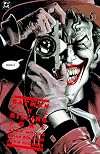
The Killing Joke me encantó; me agarró desde la primera página gracias al exquisito talento del artista y su sencilla -pero hábil- forma de narrar. Es un relato que fácilmente volvería a leer y que me ha abierto el apetito de más proyectos de este tipo.
-------------------
The Killing Joke narra varias historias paralelas pero enlazadas por un hilo invisible. Batman piensa en llegar a un acuerdo con The Joker para poner las cosas en orden y que su enemistad no acabe con la muerte de show more alguno -o ambos-.
Con esos pensamientos ingenuos en la cabeza, nuestro héroe encapuchado se dirige al Arkham Asylum para descubrir que The Joker ha escapado.
The Joker, por su lado, planea un tipo de venganza bastante inusual contra James Gordon, una venganza que involucra a su hija Bárbara y cuyos detalles no desvelaré por obvias razones.
Mientras se desarrollan los hechos que les he resumido, nos encontraremos viendo matices de la vida pasada del villano de cabellos verdes. Pero ojo, si recuerdan la película más reciente en la que el personaje hace aparición, él hace muchas historias distintas acerca de su pasado… Es más, en este mismo proyecto dice algo como: “Si es necesario que yo tenga un pasado, prefiero que sea de elección múltiple”.
Hago la aclaración ya que leí muchas quejas en los medios sobre el background de The Joker que nos presentan aquí.
Pero bien, es una historia corta y que fácilmente se puede digerir en menos de una hora (tiene un aproximado de 50 páginas).
Para muchos el final parecerá ambiguo, pero si han prestado atención a lo escrito se darán cuenta que no lo es… ¿o quizás si? Bueno, tendrán que sacar sus propias conclusiones. El final ha sido algo controversial y muy abierto a discusiones que, con el paso del tiempo, se han vuelto sumamente interesantes.
Traten de dar con este cómic (se puede encontrar en formato digital), si aman este universo amarán este relato. show less
-------------------
The Killing Joke narra varias historias paralelas pero enlazadas por un hilo invisible. Batman piensa en llegar a un acuerdo con The Joker para poner las cosas en orden y que su enemistad no acabe con la muerte de show more alguno -o ambos-.
Con esos pensamientos ingenuos en la cabeza, nuestro héroe encapuchado se dirige al Arkham Asylum para descubrir que The Joker ha escapado.
The Joker, por su lado, planea un tipo de venganza bastante inusual contra James Gordon, una venganza que involucra a su hija Bárbara y cuyos detalles no desvelaré por obvias razones.
Mientras se desarrollan los hechos que les he resumido, nos encontraremos viendo matices de la vida pasada del villano de cabellos verdes. Pero ojo, si recuerdan la película más reciente en la que el personaje hace aparición, él hace muchas historias distintas acerca de su pasado… Es más, en este mismo proyecto dice algo como: “Si es necesario que yo tenga un pasado, prefiero que sea de elección múltiple”.
Hago la aclaración ya que leí muchas quejas en los medios sobre el background de The Joker que nos presentan aquí.
Pero bien, es una historia corta y que fácilmente se puede digerir en menos de una hora (tiene un aproximado de 50 páginas).
Para muchos el final parecerá ambiguo, pero si han prestado atención a lo escrito se darán cuenta que no lo es… ¿o quizás si? Bueno, tendrán que sacar sus propias conclusiones. El final ha sido algo controversial y muy abierto a discusiones que, con el paso del tiempo, se han vuelto sumamente interesantes.
Traten de dar con este cómic (se puede encontrar en formato digital), si aman este universo amarán este relato. show less
Just as jolly and demented as you’d expect from a Joker tale! I liked how this explores some of the same themes Moore develops through the character of The Comedian in Watchmen-- namely, the idea that life is so violent and absurd that sometimes laughter (or in the Joker’s case, full out madness) is the only appropriate response.
This helped me better understand the interconnected relationship between Batman and The Joker, as I can see how they represent two different ways of seeing the show more world. Their conflict becomes ideological, as Batman represents society and reason, while the Joker stands for the individual and chaos. Are we really civilized, rational creatures fully in control of our actions, or like the Joker suggests, are we all just one bad day away from completely losing everything? show less
This helped me better understand the interconnected relationship between Batman and The Joker, as I can see how they represent two different ways of seeing the show more world. Their conflict becomes ideological, as Batman represents society and reason, while the Joker stands for the individual and chaos. Are we really civilized, rational creatures fully in control of our actions, or like the Joker suggests, are we all just one bad day away from completely losing everything? show less
English review at the bottom
¿Que puedo decir de esta historia que no se haya dicho ya? ¿Qué es un obra maestra? Lo es, el dialogo es increíble, la deconstrucción del Joker también, pocas historias nos han mostrado tantas capas de este personaje ¿Porqué? Fácil, tenemos su parte más vulnerable, una que pocas veces se había explotado, también tenemos al clásico Joker,al que, como diría Alfred, "Quiere ver arder al mundo"...pero hay otra capa, la que poco se atreven a mostrar y es show more ¿Porque Batman? (y por favor no digan que porque es el otro enmascarado) en respuesta a esa pregunta las últimas dos páginas las ame...
La manera en que Alan Moore lleva esta historia es fantastica porque sí, tiene su sello, el personaje tiene profundidad, pierde ese velo de idealización que ha cubierto al Joker desde hace años...y el dibujo es ideal.
_____________________________________________
What can I say about this story that has not already been said? That is a masterpiece? It is, dialogue is amazing, the deconstruction of the Joker too, few stories have shown us so many layers of this character Why? Easy, we have his underbelly, one that rarely had exploded, we also have the classic Joker, who, like Alfred would say, "Wants to see the world burn" ... but there is another layer, which few people dare to show and it is, Why Batman? (And please don't say "because it is the other masked") in response to that question the last two pages are the most georgeous thing ...
The way that Alan Moore takes this story is fantastic because yes, has its stamp, the character has depth, it loses that veil of idealization that has covered the Joker for years ... and the drawing is ideal. show less
¿Que puedo decir de esta historia que no se haya dicho ya? ¿Qué es un obra maestra? Lo es, el dialogo es increíble, la deconstrucción del Joker también, pocas historias nos han mostrado tantas capas de este personaje ¿Porqué? Fácil, tenemos su parte más vulnerable, una que pocas veces se había explotado, también tenemos al clásico Joker,al que, como diría Alfred, "Quiere ver arder al mundo"...pero hay otra capa, la que poco se atreven a mostrar y es show more ¿Porque Batman? (y por favor no digan que porque es el otro enmascarado) en respuesta a esa pregunta las últimas dos páginas las ame...
La manera en que Alan Moore lleva esta historia es fantastica porque sí, tiene su sello, el personaje tiene profundidad, pierde ese velo de idealización que ha cubierto al Joker desde hace años...y el dibujo es ideal.
_____________________________________________
What can I say about this story that has not already been said? That is a masterpiece? It is, dialogue is amazing, the deconstruction of the Joker too, few stories have shown us so many layers of this character Why? Easy, we have his underbelly, one that rarely had exploded, we also have the classic Joker, who, like Alfred would say, "Wants to see the world burn" ... but there is another layer, which few people dare to show and it is, Why Batman? (And please don't say "because it is the other masked") in response to that question the last two pages are the most georgeous thing ...
The way that Alan Moore takes this story is fantastic because yes, has its stamp, the character has depth, it loses that veil of idealization that has covered the Joker for years ... and the drawing is ideal. show less
I think I'm suffering from a bit of hype backlash over this one. What's there is good, as one would expect from Alan Moore, but I kept hoping he would go even further with it. Make the Joker's multiple choice past even more bizarre (and give more possible back-stories), push the unreliable narrator to its limits. It felt too short and needed more depth.
Overall, I think Christopher Nolan did better things with this idea. Though I am glad this story was already here to inspire him.
Overall, I think Christopher Nolan did better things with this idea. Though I am glad this story was already here to inspire him.
Lists
Awards


You May Also Like


Associated Authors
Statistics
- Works
- 57
- Also by
- 213
- Members
- 6,452
- Popularity
- #3,812
- Rating
- 3.9
- Reviews
- 148
- ISBNs
- 111
- Languages
- 13
- Favorited
- 3