
Diana Wells
Author of 100 Flowers and How They Got Their Names
About the Author
Diana Wells is the author of 100 Flowers and How They Got Their Names and contributing editor to the journal Greenprints. Born in Jerusalem, she has lived in England and Italy and holds an honors degree in history from Oxford University. She now lives with her husband, an artist, on a farm in show more Pennsylvania show less
Works by Diana Wells
Tagged
Common Knowledge
- Birthdate
- 20th Century
- Gender
- female
- Occupations
- editor
- Birthplace
- Jerusalem, British Palestine
- Places of residence
- Jerusalem, British Palestine
England
Italy
Philadelphia, Pennsylvania, USA - Associated Place (for map)
- Philadelphia, Pennsylvania, USA
Members
Reviews
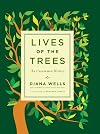
Have you ever had someone start telling you a story and then some detail causes them to split off in the middle and start another story, and maybe even wander off into a 3rd before circling back to the original? That's what reading this book is like. Each chapter is ostensibly about some particular tree. But Wells will hare off about some other trees that might be related or was once thought to be related or has a similar name but is otherwise totally unrelated or has similar leaves or... show more You get the idea. While all seems factually correct, I found this wandering style unsatisfying. But that is purely a matter of personal taste. If you are interested in trees, you could pick worse books. show less
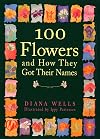
Looking back on it now, I had thought there would be funny little stories behind how these flowers got their common names (forget-me-not: imagine the possibilities!). Turns out most of them are just named after a botanist, a friend/family member of a botanist, or someone with whom the botanist was trying to curry favor.
Overall I really liked this book. I thought that there was a good balance, usually, between anecdotes and factual information for each of the entries. The author tried to end each entry with an emotional tug - "We are reminded that just as a new live tree can sprout from seemingly dried out willow branches, so could the souls of the two lovers rise from the ashes and fly away, free as birds." (p.342) - which I found contrived and rather annoying. The little sketches of each tree's leaves, show more flowers, or overall form were delightful. Basically a nice little reference book that reads better than a reference book. show less
This delightful little book tells the historical and scientific stories of 100 flowers from abelia to zinnia. You learn that african violets were sent to Europe in 1892 whereas begonias did not become an important garden flower until the nineteenth century. Chrysanthemums symbolized a scholar in retirement and were considered a "noble plant." The short stories tell of the struggles of the botanists, herbalists and rulers that saved, propagated and found new homes for many of the flowers we show more know today. There is only a simple drawing of each flower but the information is full of words that paint the stories in full color. A small gem of a book. show less
Lists
You May Also Like


Associated Authors
Statistics
- Works
- 7
- Members
- 755
- Popularity
- #33,681
- Rating
- 3.7
- Reviews
- 7
- ISBNs
- 15