
Bill Barich
Author of A Pint of Plain: Tradition, Change, and the Fate of the Irish Pub
About the Author
Bill Barich is the author of several books, among them "Laughing in the Hills", "Big Dreams: Into the Heart of California", "Traveling Light", & "Then Sporting Life". He wrote for "The New Yorker" for many years, contributing short stories as well as pieces on such varied subjects as fly fishing, show more boxing, Italian culture, & his favorite English pub. He has been a Guggenheim Fellow in fiction, & currently lives in San Anselmo, California. (Bowker Author Biography) show less
Image credit: David Timmos
Works by Bill Barich
Associated Works
Tagged
Common Knowledge
Members
Reviews

Irishness is big business these days, and the always-glamourized role of drinking in Irish culture is as ripe for commoditization as anything else. Irish bars have become a worldwide phenomenon, offering a prepackaged gateway into a mythical world of great conversation, beautiful music, perfect pints, and a sense of belonging that, in theory, you just can't get anywhere else. Using an appropriately loose barhopping structure, Barich tries to find the One True Irish Pub, noting the effects show more that globalization has had on that Platonic ideal not only abroad, but also back home in Ireland. It turns out that many Irish people themselves have deeply ambivalent feelings about pubs, and that Ireland's increasing wealth means that the romantic stereotype of endless nights of good fun with cheap beer is not only vanishing from most Irish pubs, which increasingly resemble their American counterparts, but may never have actually existed for most people. Barich does a great job investigating what "authenticity" means in the context of Irish pubs, uncovering some good stories along the way. I wish I'd read this before I went to Ireland, it would have made me appreciate my own role as a tourist in how the meaning of pubs has shifted over time a bit more.
The book is somewhat of a travelogue: after moving to Dublin for an Irish wife, Barich wanted to find a good local authentic Irish pub of his own. "The Irish pub's attraction is universal, and it cuts across cultural boundaries and crops up everywhere on earth with a frequency matched only by the unavoidable Chinese restaurant." Most people have some sort of ideal bar in their heads, their own personal Cheers, and a good bar should be many things to its patrons. Barich mentions the sociological concept of the "third place", distinguished from the home and the workplace, and how a third place has multiple personalities. Throughout history, bars have been meeting spots, places to write, opportunities to find romance, an escape from responsibilities, and much more, up to more modern concepts like sports-watching venue or place to play skee-ball. In Ireland, which has always had a truly exceptional number of pubs, they've come to play an outsized role in the country's image abroad, especially because so many of its most famous cultural figures spent lots of their time getting drunk in them (though not as much as publicity-hungry bars often claim). Even the title of this book, which Barich takes it from the title of a poem by Flann O'Brien, one of my favorite authors, references this. He quotes the first two verses:
"When things go wrong and will not come right,
Though you do the best you can,
When life looks black as the hour of night -
A pint of plain is your only man.
"When money's tight and hard to get
And your horse has also ran,
When all you have is a heap of debt -
A pint of plain is your only man."
It's especially well-chosen because it alludes to a longstanding debate about drinking culture in Ireland. What seems to one person like a light-hearted ode to beer as a respite from the harsher side of life can seem to another like something less pleasant: simple alcoholism. Ireland enjoys its reputation as a land of carefree revelers, but at many points during its history, there have been major efforts to restrict or prohibit drinking due to the social cost. Those efforts didn't take, obviously, but the idea that pubs might have a downside to them is not unknown in Irish culture, which is a nuance that is often lost in discussion, or in the replication of the Irish pub to distant shores. One man's proud local archetype is another man's embarrassing stereotype, and so a "carefree reveler" and a "wasteful philandering dockworker drinking away the money for our children" might be the same person. "If a man tells you he has mastered whiskey, you can be certain that is the whiskey talking," as Barich relates.
We don't really want to talk about downers like that, though. What Barich is after is the upside: the pub as a source of music, fun, and good conversation. As he gradually relates over the many pubs he visits over the course of the book, this imagined utopia is not really a specific place, or even a particular gathering of people, it's a state of mind. He had an image of the ideal Irish pub with a solemn yet friendly publican, conversation that flowed incessantly yet organically, filled with music yet conducive to discussion, steady regulars who always have new stories, and cheap yet not filled with riffraff. Above all, it would feel like his own place conducive to "craic", the Irish word for good times. This is nearly impossible to discover on a travelogue, even though Barich visits an impressive number of bars (some of which I've even been to), in Dublin and around in the countryside. It's difficult not only because as an outsider you can't hope to just drop in and instantly become part of the fabric of people's lives, but also because their lifestyle is changing constantly. Barich cites Walter Benjamin's "The Work of Art in the Age of Mechanical Reproduction" as part of his discussion of authenticity, as he confronts the question of what it really means to have an "authentic" traditional Irish pub experience in a 21st century Ireland.
Ireland entered the 20th century as one of the poorest countries in the west, and left it as one of the richest. "Gentrification" is an incredibly overused word, but the underlying concept of rising rents leading to a changed neighborhood and a changed lifestyle is familiar to most everyone. The appeal of the traditional pub to the Irish is waning, because one of the things that it meant was poverty, and now there's an opportunity to replace those old pubs filled with one type of patron for other kinds of pubs filled with different types of patrons, or even things that aren't pubs at all. Even the publicans, who used to grow up with the pubs and inherit their operation, no longer have the same near-hereditary desire to run them, due to other opportunities. This same conundrum is all over the United States as well, where Irish pubs are themselves a symbol of gentrification (yes, that shamrock-spangled bar that brags about being half-built in Ireland and serves $6 pints is just as "corporate" as any other sports bar), yet the powerful image of an Ireland that doesn't even exist in Ireland anymore attracts people with the promise of some really convivial Irish approach to drinking. Yet, as Barich uncovers, there are many different approaches to drinking in Ireland, and it might be best to just find a place that works for you, invite some of your friends, and see where the evenings take you. Sounds good enough to me. show less
The book is somewhat of a travelogue: after moving to Dublin for an Irish wife, Barich wanted to find a good local authentic Irish pub of his own. "The Irish pub's attraction is universal, and it cuts across cultural boundaries and crops up everywhere on earth with a frequency matched only by the unavoidable Chinese restaurant." Most people have some sort of ideal bar in their heads, their own personal Cheers, and a good bar should be many things to its patrons. Barich mentions the sociological concept of the "third place", distinguished from the home and the workplace, and how a third place has multiple personalities. Throughout history, bars have been meeting spots, places to write, opportunities to find romance, an escape from responsibilities, and much more, up to more modern concepts like sports-watching venue or place to play skee-ball. In Ireland, which has always had a truly exceptional number of pubs, they've come to play an outsized role in the country's image abroad, especially because so many of its most famous cultural figures spent lots of their time getting drunk in them (though not as much as publicity-hungry bars often claim). Even the title of this book, which Barich takes it from the title of a poem by Flann O'Brien, one of my favorite authors, references this. He quotes the first two verses:
"When things go wrong and will not come right,
Though you do the best you can,
When life looks black as the hour of night -
A pint of plain is your only man.
"When money's tight and hard to get
And your horse has also ran,
When all you have is a heap of debt -
A pint of plain is your only man."
It's especially well-chosen because it alludes to a longstanding debate about drinking culture in Ireland. What seems to one person like a light-hearted ode to beer as a respite from the harsher side of life can seem to another like something less pleasant: simple alcoholism. Ireland enjoys its reputation as a land of carefree revelers, but at many points during its history, there have been major efforts to restrict or prohibit drinking due to the social cost. Those efforts didn't take, obviously, but the idea that pubs might have a downside to them is not unknown in Irish culture, which is a nuance that is often lost in discussion, or in the replication of the Irish pub to distant shores. One man's proud local archetype is another man's embarrassing stereotype, and so a "carefree reveler" and a "wasteful philandering dockworker drinking away the money for our children" might be the same person. "If a man tells you he has mastered whiskey, you can be certain that is the whiskey talking," as Barich relates.
We don't really want to talk about downers like that, though. What Barich is after is the upside: the pub as a source of music, fun, and good conversation. As he gradually relates over the many pubs he visits over the course of the book, this imagined utopia is not really a specific place, or even a particular gathering of people, it's a state of mind. He had an image of the ideal Irish pub with a solemn yet friendly publican, conversation that flowed incessantly yet organically, filled with music yet conducive to discussion, steady regulars who always have new stories, and cheap yet not filled with riffraff. Above all, it would feel like his own place conducive to "craic", the Irish word for good times. This is nearly impossible to discover on a travelogue, even though Barich visits an impressive number of bars (some of which I've even been to), in Dublin and around in the countryside. It's difficult not only because as an outsider you can't hope to just drop in and instantly become part of the fabric of people's lives, but also because their lifestyle is changing constantly. Barich cites Walter Benjamin's "The Work of Art in the Age of Mechanical Reproduction" as part of his discussion of authenticity, as he confronts the question of what it really means to have an "authentic" traditional Irish pub experience in a 21st century Ireland.
Ireland entered the 20th century as one of the poorest countries in the west, and left it as one of the richest. "Gentrification" is an incredibly overused word, but the underlying concept of rising rents leading to a changed neighborhood and a changed lifestyle is familiar to most everyone. The appeal of the traditional pub to the Irish is waning, because one of the things that it meant was poverty, and now there's an opportunity to replace those old pubs filled with one type of patron for other kinds of pubs filled with different types of patrons, or even things that aren't pubs at all. Even the publicans, who used to grow up with the pubs and inherit their operation, no longer have the same near-hereditary desire to run them, due to other opportunities. This same conundrum is all over the United States as well, where Irish pubs are themselves a symbol of gentrification (yes, that shamrock-spangled bar that brags about being half-built in Ireland and serves $6 pints is just as "corporate" as any other sports bar), yet the powerful image of an Ireland that doesn't even exist in Ireland anymore attracts people with the promise of some really convivial Irish approach to drinking. Yet, as Barich uncovers, there are many different approaches to drinking in Ireland, and it might be best to just find a place that works for you, invite some of your friends, and see where the evenings take you. Sounds good enough to me. show less
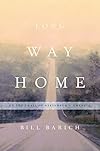
In Long Way Home: on the Trail of Steinbeck’s America, author Bill Barich begins his road-trip from New York City to San Francisco in September 2008 in a rented Ford Focus the minute his plane from Dublin lands. Barich had recently finished Steinbeck’s Travels with Charley and wanted to see if America was truly as depressing as Steinbeck painted it to be. Deliberately taking highways through lesser known towns of the United States, Barich acquaints himself with the local people, food, show more and way of thought, especially thoughts about the upcoming election between Obama and McCain. I loved the way that the author combined short histories of each town with current personal experiences he had with the people, while keeping the style light and easy to follow. I almost felt as though I were sitting in the passenger seat next to Bill; I could see the changing leaves of Virginia out the windshield, talk with button-salesmen at the Palin rally in Wilmington, Ohio, and take pictures of signs advertising upcoming rodeos in Strong City, Kansas. Though somewhat too fact-heavy, Barich’s book was overall entertaining, informative, and an insightful look at ever-changing, ever-static America. 4/5 stars. show less
Bill Barich picks up a copy of Steinbeck's Travels with Charley at a book sale in Ireland where he had been living for the last ten years with occasional stays in San Francisco. This reading of the book and then research into Steinbeck's life at the time of his travels (1960), showed a much more cynical and melancholy Steinbeck then he remembered. His first reading in his twenties had seemed like a carefree adventure with colorful characters. Steinbeck, at the time of his trip "had been show more living in NY and England and felt cut off from his subject matter" and wanted to reconnect; Barich had also been living abroad in Ireland much of the time and America was on the brink on an economic crisis with a Presidential election in the offing. Steinbeck came back feeling the country was hovering on the brink of ruin. Barich wanted to "put his prophecy to the test" and hoped to prove him wrong. He drove a Ford Focus and more or less followed US 50 across the country. He traveled for 6 weeks instead of Steinbeck's 11.
The book is a mix of history, experiences, and conversations. Since it focused on the economic situation and the upcoming election much of the discussion is already dated. Some things will seem prophetic and others off base. The anecdotes and history were a slice of life and factual background that saved the story. They made it an interesting travelogue. show less
The book is a mix of history, experiences, and conversations. Since it focused on the economic situation and the upcoming election much of the discussion is already dated. Some things will seem prophetic and others off base. The anecdotes and history were a slice of life and factual background that saved the story. They made it an interesting travelogue. show less
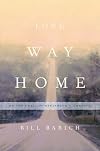
Bill Barich decides to replicate the famous trip of John Steinbeck across America, a trip Steinbeck wrote about in one of his last books, Travels with Charley. He sets off to get a feeling for the heart of America. Like Steinbeck, he finds a world that is less optimistic, more bleak, more influenced by the media, a less compassionate America, a world that is driven by the dollar. Like Steinbeck, Barich runs across few individuals who seem to read and think deeply about our country and that, show more to me, is the saddest part of this book. show less
Lists
Awards


You May Also Like


Associated Authors
Statistics
- Works
- 13
- Also by
- 1
- Members
- 530
- Popularity
- #46,960
- Rating
- 3.5
- Reviews
- 9
- ISBNs
- 68
- Favorited
- 1