
Jean-Michel Basquiat (1960–1988)
Author of Jean-Michel Basquiat
About the Author
Works by Jean-Michel Basquiat
Jean-Michel Basquiat: In Word Only 5 copies
Jean-Michel Basquiat : oeuvres sur papier : [exposition, Paris, Fondation Dina Vierny-Musée Maillol, 23 mai-29 septembr (1997) 4 copies
Jean-Michel Basquiat Handbook 3 copies
Basquiat 2 copies
Jean Michel Basquiat: 2 March to 23 March 1985 : in cooperation with the Galeri Bruno Bischofberger, Zurich (1985) 2 copies
Downtown 81 1 copy
Jean-Michel Basquiat FlipTop Notecards with Magnetic Closure, greeting cards for all occasions (2016) 1 copy
Ahuyentando fantasmas sala de exposiciones Fundación Marcelino Botín, del 10 de julio al 14 de septiembre de 2008 (2008) 1 copy
Associated Works
Tagged
Common Knowledge
- Birthdate
- 1960-12-22
- Date of death
- 1988-08-12
- Gender
- male
- Occupations
- artist
- Nationality
- USA
- Birthplace
- Brooklyn, New York, USA
- Place of death
- Manhattan, New York, USA
- Associated Place (for map)
- New York, USA
Members
Reviews
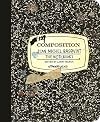
A few sketches, a single word, a series of images or what could be a one page surreal poem give fascinating glimpses into Basquiat’s thoughts and artistic process in this facsimile edition of eight of his notebooks.
Here are two examples that stood out to me:
VISE OF LOVE
A PILLAR OF SALT
PANIC OF MALFUNCTION
and the second:
SHE LOOKED HER THIRD EYE ACROSS THE
PARTY
AT A SINSAE DIPLOT FROZE UNDER
PALM AT A BEACH RESORT 1000 MILES AWAY—
HER VOICE TURNS INTO A BEGGAR IN SPAIN
A CRUCIFIX show more TRANSMITTING MONKEY HEAD
HYSTERIA INTO 20,000 TELEVISIONS—
AS THEVES CUT THRU TWO THIN WALLS
TORCHING A HOLE THRU THE THIN METAL
OUTER COVERING
THE TESTTUBE FALLS INTO GREEDY FINGERS
YELLOW FLASH
2 STORY HOUSE BLOWN TO PIECES
WE TOOK PICTURES
IT’S TIME TO..
WALK DOWN ¾ LEFT 3 BLOCKS TO
A RED PICKET FENCE… show less
Here are two examples that stood out to me:
VISE OF LOVE
A PILLAR OF SALT
PANIC OF MALFUNCTION
and the second:
SHE LOOKED HER THIRD EYE ACROSS THE
PARTY
AT A SINSAE DIPLOT FROZE UNDER
PALM AT A BEACH RESORT 1000 MILES AWAY—
HER VOICE TURNS INTO A BEGGAR IN SPAIN
A CRUCIFIX show more TRANSMITTING MONKEY HEAD
HYSTERIA INTO 20,000 TELEVISIONS—
AS THEVES CUT THRU TWO THIN WALLS
TORCHING A HOLE THRU THE THIN METAL
OUTER COVERING
THE TESTTUBE FALLS INTO GREEDY FINGERS
YELLOW FLASH
2 STORY HOUSE BLOWN TO PIECES
WE TOOK PICTURES
IT’S TIME TO..
WALK DOWN ¾ LEFT 3 BLOCKS TO
A RED PICKET FENCE… show less
A facsimile edition of the artist's fascinating working notebooks
Brooklyn-born Jean-Michel Basquiat (1960-88) was one of the most important artists of the 1980s. A key figure in the New York art scene, he inventively explored the interplay between words and images throughout his career, first as a member of SAMO, a graffiti group active on the Lower East Side in the late 1970s, and then as a painter acclaimed for his unmistakable Neoexpressionist style. From 1980 to 1987, he filled numerous show more working notebooks with drawings and handwritten texts. This facsimile edition reproduces the pages of eight of these fascinating and rarely seen notebooks for the first time.
The notebooks are filled with images and words that recur in Basquiat's paintings and other works. Iconic drawings and pictograms of crowns, teepees, and hatch-marked hearts share space with handwritten texts, including notes, observations, and poems that often touch on culture, race, class, and life in New York. Like his other work, the notebooks vividly demonstrate Basquiat’s deep interests in comic, street, and pop art, hip-hop, politics, and the ephemera of urban life. They also provide an intimate look at the working process of one of the most creative forces in contemporary American art.
Published in association with No More Rulers show less
Brooklyn-born Jean-Michel Basquiat (1960-88) was one of the most important artists of the 1980s. A key figure in the New York art scene, he inventively explored the interplay between words and images throughout his career, first as a member of SAMO, a graffiti group active on the Lower East Side in the late 1970s, and then as a painter acclaimed for his unmistakable Neoexpressionist style. From 1980 to 1987, he filled numerous show more working notebooks with drawings and handwritten texts. This facsimile edition reproduces the pages of eight of these fascinating and rarely seen notebooks for the first time.
The notebooks are filled with images and words that recur in Basquiat's paintings and other works. Iconic drawings and pictograms of crowns, teepees, and hatch-marked hearts share space with handwritten texts, including notes, observations, and poems that often touch on culture, race, class, and life in New York. Like his other work, the notebooks vividly demonstrate Basquiat’s deep interests in comic, street, and pop art, hip-hop, politics, and the ephemera of urban life. They also provide an intimate look at the working process of one of the most creative forces in contemporary American art.
Published in association with No More Rulers show less

In 1981 Jean-Michel Basquiat made the momentous transition from the street to the studio. Jean-Michel Basquiat 1981: The Studio of the Street explores that critical year, functioning simultaneously as a coming-of-age story and an intimate oral history of the shifting cultural tide of New York's downtown scene. It is also a groundbreaking survey of rarely seen works that chart the artist's progression from spray-painted text to text-and-image; from materials found on the street to large, show more traditional painted canvases; and from pure drawing to his uniquely evocative hybrid of drawing and painting. Marrying an exuberant spontaneity and art brut style, with a firm command of not only art materials but also art history, Basquiat defined eighties Neo-Expressionism and left behind a body of work that resonates no less powerfully today. show less
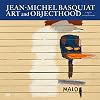
An extraordinary trove of paintings Basquiat made on doors, windows and a refrigerator.--Will Heinrich "New York Times"
Published on the occasion of the exhibition, Jean-Michel Basquiat: Art and Objecthood, at Nahmad Contemporary, this book will illuminate the role of found objects and unconventional materials in the Jean- Michel Basquiat's oeuvre. Basquiat, whose artistic practice has profoundly impacted audiences on an international scale, used objects and media from his environs to show more proliferate messages of social justice and change.
Featuring a breadth of works that the artist made using unconventional painted supports and found-object sculptures, this publication will provide an innovative, in-depth look into the artist's sculptural practice. In addition to painting and drawing on items within his domestic spaces?refrigerators, chairs, and cabinets?Basquiat also left his mark on items he encountered on the street?discarded windows and doors, mirrors, wood boards, and subway tiles.
The publication will present new scholarship by leading Basquiat academics and art historians that will explore Basquiat's use of found objects and materials and their role in addressing issues of social inequality and the politics of race in the United States. show less
Published on the occasion of the exhibition, Jean-Michel Basquiat: Art and Objecthood, at Nahmad Contemporary, this book will illuminate the role of found objects and unconventional materials in the Jean- Michel Basquiat's oeuvre. Basquiat, whose artistic practice has profoundly impacted audiences on an international scale, used objects and media from his environs to show more proliferate messages of social justice and change.
Featuring a breadth of works that the artist made using unconventional painted supports and found-object sculptures, this publication will provide an innovative, in-depth look into the artist's sculptural practice. In addition to painting and drawing on items within his domestic spaces?refrigerators, chairs, and cabinets?Basquiat also left his mark on items he encountered on the street?discarded windows and doors, mirrors, wood boards, and subway tiles.
The publication will present new scholarship by leading Basquiat academics and art historians that will explore Basquiat's use of found objects and materials and their role in addressing issues of social inequality and the politics of race in the United States. show less
You May Also Like


Associated Authors
Statistics
- Works
- 53
- Also by
- 4
- Members
- 406
- Popularity
- #59,888
- Rating
- 4.3
- Reviews
- 6
- ISBNs
- 39
- Languages
- 3