
John Oakes (1) (1961–)
Author of In the Realms of the Unreal: Insane Writings
For other authors named John Oakes, see the disambiguation page.
Works by John Oakes
The Fast: The History, Science, Philosophy, and Promise of Doing Without (2024) 48 copies, 18 reviews
Tagged
Common Knowledge
- Other names
- Oakes, John G. H.
- Birthdate
- 1961
- Gender
- male
- Agent
- Bresnick/Weil Agency
- Birthplace
- New York, New York, USA
- Associated Place (for map)
- New York, USA
Members
Reviews
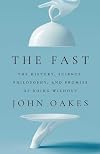
On the whole, this book on the practice and theories of fasting exceeded my expectations. It is structured around a one-week fast undertaken by the author John Oakes and his wife. Each of the seven chapters starts with a brief transcript from his personal journal for that day of the fast. But the chapters themselves are topical and wide-ranging. More than half of the content is historical, accessing millennia of philosophical, religious, political, and medical approaches to fasting. These show more histories are complemented by a survey of relevant contemporary science, introspection, social reflection, and personal anecdote.
Oakes incidentally explores other forms of asceticism--non-dietary forms of "fasting" that connect with a resistance to consume. He does advocate fasting, but he also offers cautions and discusses its pathological manifestations. His characterization of the practice as "anti-authoritarian" (starting on viii) is notable and recurrent.
My own special interest in the pre-Eucharistic fast of Christian tradition received only a glancing mention (105). It's unsurprising, since that technique doesn't quite fit with the larger themes developed by Oakes. He stumbles a couple of times on the choice of key terms, using "hermetic" to mean eremitic (27, 29) and "spiritualism" for spirituality (97).
The volume is furnished with a generous editorial apparatus. Source citations are given at the end of the book with chapter and page references. In addition to a detailed index and a full bibliography, there is also an annotated list of selected books for further reading. This section unhappily observes, "I did not come across a fasting guide that focuses purely on physical health that I would recommend" (217). A one-page appendix offers "A Sampling of Famous Fasters" given by name alone.
This book should be able to hold the attention of readers interested in spiritual discipline or political resistance, above and apart from any concern about eating. The writing is clear and well researched, and the author's conclusions are both measured and motivating. show less
Oakes incidentally explores other forms of asceticism--non-dietary forms of "fasting" that connect with a resistance to consume. He does advocate fasting, but he also offers cautions and discusses its pathological manifestations. His characterization of the practice as "anti-authoritarian" (starting on viii) is notable and recurrent.
My own special interest in the pre-Eucharistic fast of Christian tradition received only a glancing mention (105). It's unsurprising, since that technique doesn't quite fit with the larger themes developed by Oakes. He stumbles a couple of times on the choice of key terms, using "hermetic" to mean eremitic (27, 29) and "spiritualism" for spirituality (97).
The volume is furnished with a generous editorial apparatus. Source citations are given at the end of the book with chapter and page references. In addition to a detailed index and a full bibliography, there is also an annotated list of selected books for further reading. This section unhappily observes, "I did not come across a fasting guide that focuses purely on physical health that I would recommend" (217). A one-page appendix offers "A Sampling of Famous Fasters" given by name alone.
This book should be able to hold the attention of readers interested in spiritual discipline or political resistance, above and apart from any concern about eating. The writing is clear and well researched, and the author's conclusions are both measured and motivating. show less
 This review was written for LibraryThing Early Reviewers.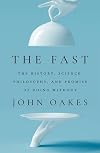
A highly readable delve into the ancient and modern worlds of fasting.
'The Fast' by John Oakes provides a fascinating exploration into what it means to 'fast', a practice which has maintained popularity, and for some spiritual reverence, throughout recorded history. Oakes takes the reader along with him during a week of fasting, balancing within the book his own expereinces and insights with the expertise of various professionals and acedemics, and key historical moments and movements.
I show more will admit that the introduction and opening pages of chapter one did not immediately grab me; I was momentarily concerned that the book was going to be an overly self-indulgent diary of the authours experiences, but this was not the case and I was well repaid for persevering. In fact the books is broadly outward looking and it is clear that considerable time and effort has been taken to research each of the many subjects covered. The book is a 210 pages, not counting the introducion or the thorough notes and bibliography, and is densely packed with information yet without falling into a dry and complex acedemic style. The tone throughout is confident, grounded and reflective, inviting the reader into Oakes' clear passion for the subject matter.
One of the stand out features of the book is the clever interweaving of the personal, scientific, historic, and philosophic strands. If, like me, history is your area of interest you will be able to find that historical thread running through each chapter and will find the other threads as interesting supplements to your understanding. Yet if you are more interesed in science or philosophy you will similarly find yourself following your thread and find the history a diverting aside.
The biggest recommendation I can give for this book, however, is that it has left a lasting impression on my thinking. As Oakes himself states this is not a book about how to fast or what the health benefits of fasting are, though it touches on both these subjects. Rather, it is a book which explores what is means to refuse to consume in a consumer world. Not only did I learn many new things (about fasting but also about various other related subjects) but I now actually want to give the practice of fasting a go myself. show less
This review was written for LibraryThing Early Reviewers.Summary: The history, science, philosophy, and promise of doing without, set against the author’s own experience of a seven-day fast.
I suspect many of us have fasted either for religious reasons or in preparation for medical tests or procedures. After reading John Oakes book on fasting, I realized that there are other reasons for fasting: spiritual and philosophical ones apart from religious observance, for health reasons, for protest, and as a choice leading to death. I also discovered show more how pervasive the practice is, and like many other practices, subject to fads and frauds.
Oakes writes this book against the backdrop of engaging in a personal seven-day fast from food. Each of his chapters begins with a journal entry for each day of his fast, what he feels and experiences. He experiences hunger early on, but not significantly after the third day when the body transitions to metabolizing ketones. He grows aware of how much of our days revolve around food preparation. Intermittently, he feels weak or jittery, and sometimes struggles to focus. But most of the time Oakes is able to carry on most of his ordinary activities.
He considers the function of fasting as similar to that of silence as a “space between,” as a way to focus awareness and attentiveness. Oakes explores Greek, Buddhist, and Abrahamic roots of fasting and other ascetic practices. He weighs asceticism against the moderation of Epicureanism, the mean between deprivation and excess that was the place of pleasure. He notes the renewal of fasting in churches that stress personal transformation. Turning from philosophical considerations, he investigates the physiology of fasting over time, the benefits that may accrue particularly from intermittent fasting and the harmfulness of fasting for weight loss.
Perhaps one of the most illuminating chapters was that chronicling the use of fasting as a form of social protest. From the 12th century BC in Kashmir, to early Christians in Ireland (including Patrick), and to modern day activists like Angela Davis and Caesar Chavez, fasts were an effective means of protest. But protest fasts are also the occasion for brutalities, such as the force-feeding of Muslim detainees at Guantanamo post 9/11.
He includes a chapter on those who use fasting for fame and fortune, often engaging in fraud or faddism. These range from those claiming to never eat to those promoting fasts of various lengths for health reasons, sometimes with deleterious effects. This, in turn leads to a consideration of fasting as self-cancellation, a willful choice, sometimes genetically influenced as in anorexics, including “holy anorexics” like Catherine of Siena, who died of starvation at thirty-three.
In the end, the author concludes he will continue to embrace this practice, writing:
“That is the strange quality of fasting: its inside out invertedness, the idea and the reality that cutting back can add, that diminishment can bring strength and a measure of serenity. And when implemented as a hunger strike, fasting amplifies resistance.”
Nevertheless, he cautions against self-destructive excess of fasting enthusiasts and is careful to advise consultation with doctors before engaging in fasts.
The author approaches his own fasting from a non-religious perspective. Therefore, his book should not substitute for religious teaching from one’s particular faith on fasting. Rather, he sets the fast in both a personal and global context. We are introduced to the experience through the author’s journaling. We catch a global perspective on various cultural expressions of fasting. He carefully outlines both benefits and dangers associated with the practice. Above all, he reminds us of the ways our lives may be enriched by periodically doing without.
____________________
Disclosure of Material Connection. I received a complimentary copy of this book for review from the publisher through LibraryThing’s Early Reviewer Program. show less
I suspect many of us have fasted either for religious reasons or in preparation for medical tests or procedures. After reading John Oakes book on fasting, I realized that there are other reasons for fasting: spiritual and philosophical ones apart from religious observance, for health reasons, for protest, and as a choice leading to death. I also discovered show more how pervasive the practice is, and like many other practices, subject to fads and frauds.
Oakes writes this book against the backdrop of engaging in a personal seven-day fast from food. Each of his chapters begins with a journal entry for each day of his fast, what he feels and experiences. He experiences hunger early on, but not significantly after the third day when the body transitions to metabolizing ketones. He grows aware of how much of our days revolve around food preparation. Intermittently, he feels weak or jittery, and sometimes struggles to focus. But most of the time Oakes is able to carry on most of his ordinary activities.
He considers the function of fasting as similar to that of silence as a “space between,” as a way to focus awareness and attentiveness. Oakes explores Greek, Buddhist, and Abrahamic roots of fasting and other ascetic practices. He weighs asceticism against the moderation of Epicureanism, the mean between deprivation and excess that was the place of pleasure. He notes the renewal of fasting in churches that stress personal transformation. Turning from philosophical considerations, he investigates the physiology of fasting over time, the benefits that may accrue particularly from intermittent fasting and the harmfulness of fasting for weight loss.
Perhaps one of the most illuminating chapters was that chronicling the use of fasting as a form of social protest. From the 12th century BC in Kashmir, to early Christians in Ireland (including Patrick), and to modern day activists like Angela Davis and Caesar Chavez, fasts were an effective means of protest. But protest fasts are also the occasion for brutalities, such as the force-feeding of Muslim detainees at Guantanamo post 9/11.
He includes a chapter on those who use fasting for fame and fortune, often engaging in fraud or faddism. These range from those claiming to never eat to those promoting fasts of various lengths for health reasons, sometimes with deleterious effects. This, in turn leads to a consideration of fasting as self-cancellation, a willful choice, sometimes genetically influenced as in anorexics, including “holy anorexics” like Catherine of Siena, who died of starvation at thirty-three.
In the end, the author concludes he will continue to embrace this practice, writing:
“That is the strange quality of fasting: its inside out invertedness, the idea and the reality that cutting back can add, that diminishment can bring strength and a measure of serenity. And when implemented as a hunger strike, fasting amplifies resistance.”
Nevertheless, he cautions against self-destructive excess of fasting enthusiasts and is careful to advise consultation with doctors before engaging in fasts.
The author approaches his own fasting from a non-religious perspective. Therefore, his book should not substitute for religious teaching from one’s particular faith on fasting. Rather, he sets the fast in both a personal and global context. We are introduced to the experience through the author’s journaling. We catch a global perspective on various cultural expressions of fasting. He carefully outlines both benefits and dangers associated with the practice. Above all, he reminds us of the ways our lives may be enriched by periodically doing without.
____________________
Disclosure of Material Connection. I received a complimentary copy of this book for review from the publisher through LibraryThing’s Early Reviewer Program. show less
This review was written for LibraryThing Early Reviewers.
Oakes offers up a fabulous depth of information on fasting from almost every conceivable angle -- physiology and psychiatry, religious history (of ALL the world's textual traditions!), political history, cultural history of western eating trends, and more! Everything is relatively well researched (for a non-academic generalist), and sprinkled throughout with just the right amount of the author's own autobiographical experience with fasting.
Honestly this book is an exemplar of its genre. The show more writing flows poetically, and its at times indulgent character can be at least partly forgiven for how well it renders such a wealth of information digestible.
But while the writing flows smoothly, it has no structure or direction; the chapter organization feels haphazard; changes in topic are abrupt. Oakes makes all the information feel digestible so long as you surrender yourself to the narrative stream of consciousness, but at the end of the book (or a chapter, or a section) it can feel difficult to tie it all together for oneself. This is where the indulgence goes a little far, in terms of poetic flow and in terms of the quantity of information thrown at the reader. The book has little thematic coherence. The project is just a little too ambitious. It will give any interested reader quite a lot to chew on, but little sense of 'why' or 'so what'.
It's a quarter-way decent as a secondary reference or starting place (though beware the occasional research error), it's good food for thought if you're already interested in the subject, and it's a wealth of fun trivia facts, but I'm not sure it coheres into anything persuasive, convincing, insightful, or entertaining on its own merits. show less
Honestly this book is an exemplar of its genre. The show more writing flows poetically, and its at times indulgent character can be at least partly forgiven for how well it renders such a wealth of information digestible.
But while the writing flows smoothly, it has no structure or direction; the chapter organization feels haphazard; changes in topic are abrupt. Oakes makes all the information feel digestible so long as you surrender yourself to the narrative stream of consciousness, but at the end of the book (or a chapter, or a section) it can feel difficult to tie it all together for oneself. This is where the indulgence goes a little far, in terms of poetic flow and in terms of the quantity of information thrown at the reader. The book has little thematic coherence. The project is just a little too ambitious. It will give any interested reader quite a lot to chew on, but little sense of 'why' or 'so what'.
It's a quarter-way decent as a secondary reference or starting place (though beware the occasional research error), it's good food for thought if you're already interested in the subject, and it's a wealth of fun trivia facts, but I'm not sure it coheres into anything persuasive, convincing, insightful, or entertaining on its own merits. show less
This review was written for LibraryThing Early Reviewers.Awards

Statistics
- Works
- 2
- Members
- 122
- Popularity
- #163,288
- Rating
- 3.3
- Reviews
- 19
- ISBNs
- 52
- Languages
- 4

