
Richard Crossley
Author of The Crossley ID Guide: Eastern Birds (The Crossley ID Guides)
Series
Works by Richard Crossley
Associated Works
Tagged
Common Knowledge
- Birthdate
- 20th Century
- Gender
- male
- Nationality
- UK
- Associated Place (for map)
- UK
Members
Discussions
The Crossley ID Guide: Britain and Ireland in Birds, Birding & Books (May 2014)
Reviews

I've always been skeptical of photographic field guides. While this book hasn't made me a convert in general, it certainly has convinced me that there is a place for photo guides. This book features amazingly detailed photos of all North American breeding shorebirds in all plumages, most usefully multiple plumages in a single photo, and describes the relevant features of each. I now feel much more confident about aging shorebirds (a necessary first step), and have even dared to tackle show more dowitchers (though most of them still end up as "unidentified dowitcher".) The book focuses extensively on non-plumage marks of size, shape, etc -- which I find extremely useful, and which I'm trying to get better at. One of the most useful features of the book for me are the little quizzes sprinkled throughout; a photo illustrating Ruddy Turnstones will, for instance, ask you to ID the other three species in the photo, or one will ask you to ID three birds just by silhouette (not always as difficult as it sounds). Highly recommended for anyone wanting to get better at identifying this tricky bunch of birds. show less
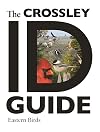
I'm not a bird watcher, but I know people who do enjoy the hobby a great deal. The Crossley ID Guide to Eastern Birds by Richard Crossley bills itself as a "book for beginners, experts, and everyone in between."
His stated goal is to "use unique photographs and page layouts to show birds as we really see them in the wild." I think this book will appeal more to the expert, as the information with the photos is very detailed, and probably more detailed than newbie birders are seeking.
In the show more introduction, Crossley explains how to use the book to its best advantage, and has a section titled "How to Be a Better Birder", which explains what to look for and how to take field notes.
The photos are spectacular, and I like how the photos are set in the habitat of the bird. For each bird, there is a description, along with a map showing where you will find the bird. The photos themselves almost seem 3D, like you can reach out and actually touch the bird.
This book would make a fantastic gift for the more serious birder, but the beginner will be in thrall of the luscious photos. I could see someone absolutely losing themselves for hours in the stunning pictures and illustrations. show less
His stated goal is to "use unique photographs and page layouts to show birds as we really see them in the wild." I think this book will appeal more to the expert, as the information with the photos is very detailed, and probably more detailed than newbie birders are seeking.
In the show more introduction, Crossley explains how to use the book to its best advantage, and has a section titled "How to Be a Better Birder", which explains what to look for and how to take field notes.
The photos are spectacular, and I like how the photos are set in the habitat of the bird. For each bird, there is a description, along with a map showing where you will find the bird. The photos themselves almost seem 3D, like you can reach out and actually touch the bird.
This book would make a fantastic gift for the more serious birder, but the beginner will be in thrall of the luscious photos. I could see someone absolutely losing themselves for hours in the stunning pictures and illustrations. show less
The Crossley ID Guide is a revolutionary concept in bird identification guides. The book uses composite photographs to show birds as they would actually be seen in the field. The Eastern Guide contains 640 scenes created from more than 10,000 of the authors own photographs showing birds in a wide range of views.
The book begins with a short introduction by the author where he explains how use the guide and a little information on birding and bird terminology. The remainder of the book, over show more 500 pages, are photographs combined into scenes. Instead of the usual drawings found in typical field guides, these are scenes created from thousands of different photos placed into a collage. Birds are show in various poses, in flight, in trees, on land or water, in the birds natural habitat.
This is a book for both beginning and experienced birders, and I would recommend it for new birders. Traditional guides often show a drawing or photo of a bird close up and in detail, but this isn’t how you see most birds. They are hopping around and flying away at many different angles. The composite photo gives you several different views of the bird, plus differences in plumage by age, sex and season. It also show the typical behavior of the birds by putting them in the proper context.
Showing the birds in context is invaluable. For example, the Dark-eyed Junco is a bird seen in the Eastern US in the winter, therefore the photos show the birds in snowy scenes perched on shrubs, trees or at bird feeders, where they are most likely to be found. There is also a photo of a Junco in flight showing its white underparts; when a Junco takes flight you almost always see a white flash. Another example, Cedar Waxwings are shown both perching and hanging upside down grabbing berries from tree, which is often where they can be found. In addition, species are identified as male, female, juvenile and immature. A young bird will sometimes look nothing like it’s parents for the first year.
Below each photo is the common name, scientific name, a short description of the bird and a listing of the important field marks: size, shape, plumage. And lastly, there is a range map indicating year-round, breeding (summer) and winter ranges for each species.
For anyone accustomed to a standard field guide this will feel a little different at first. It didn’t take me long to be won over, this is the first book I reach for now when I need to ID a bird. This doesn’t take the place of a field guide which is smaller and something you would take with you on a birding trip. This is a fairly heavy, full size 7½ x 10 inch book.
I’ve been using this guide for a few months now and my conclusion is… I love it! I pair this with a small field guide like National Geographic and I’m good to identify most birds in the Eastern USA. New birders looking for a guide to get started should take a look at this book. show less
The book begins with a short introduction by the author where he explains how use the guide and a little information on birding and bird terminology. The remainder of the book, over show more 500 pages, are photographs combined into scenes. Instead of the usual drawings found in typical field guides, these are scenes created from thousands of different photos placed into a collage. Birds are show in various poses, in flight, in trees, on land or water, in the birds natural habitat.
This is a book for both beginning and experienced birders, and I would recommend it for new birders. Traditional guides often show a drawing or photo of a bird close up and in detail, but this isn’t how you see most birds. They are hopping around and flying away at many different angles. The composite photo gives you several different views of the bird, plus differences in plumage by age, sex and season. It also show the typical behavior of the birds by putting them in the proper context.
Showing the birds in context is invaluable. For example, the Dark-eyed Junco is a bird seen in the Eastern US in the winter, therefore the photos show the birds in snowy scenes perched on shrubs, trees or at bird feeders, where they are most likely to be found. There is also a photo of a Junco in flight showing its white underparts; when a Junco takes flight you almost always see a white flash. Another example, Cedar Waxwings are shown both perching and hanging upside down grabbing berries from tree, which is often where they can be found. In addition, species are identified as male, female, juvenile and immature. A young bird will sometimes look nothing like it’s parents for the first year.
Below each photo is the common name, scientific name, a short description of the bird and a listing of the important field marks: size, shape, plumage. And lastly, there is a range map indicating year-round, breeding (summer) and winter ranges for each species.
For anyone accustomed to a standard field guide this will feel a little different at first. It didn’t take me long to be won over, this is the first book I reach for now when I need to ID a bird. This doesn’t take the place of a field guide which is smaller and something you would take with you on a birding trip. This is a fairly heavy, full size 7½ x 10 inch book.
I’ve been using this guide for a few months now and my conclusion is… I love it! I pair this with a small field guide like National Geographic and I’m good to identify most birds in the Eastern USA. New birders looking for a guide to get started should take a look at this book. show less
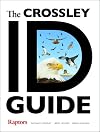
Ok, (don't laugh) but there aren't any where near enough photo images in this book. The habitat background images do NOTHING to aid us in our ability to ID North American raptors. Context isn't a big deal. After that spacy image on page 173, (Presumably a Red-tail) there are natural history notes that can also be found in, oh, I dunno, a zillion other works? It's a great concept and some of the plates are ingenious, but we could easily handle more, more, more.
Awards


You May Also Like


Associated Authors
Statistics
- Works
- 6
- Also by
- 1
- Members
- 519
- Popularity
- #47,859
- Rating
- 4.3
- Reviews
- 7
- ISBNs
- 9