
Leisa Fail
Author of Stormy Normy Goes Reining
Series
Works by Leisa Fail
Tagged
Common Knowledge
There is no Common Knowledge data for this author yet. You can help.
Members
Reviews
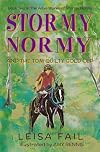
In a Nutshell: A children’s chapter book about an Australian brumby horse gearing for a big race. Nice animal characters and a good plot. A bit too much telling than showing, but kids won’t notice this. The second book of the Stormy Normy series. Can be read as a standalone. A nice option for little animal lovers.
~~~~~~~~~~~~~~~~~~~~~~~
Plot Preview:
When we think of “horse stories”, the gold standard is “Black Beauty”. However, Stormy’s story isn’t as dark or depressing as the classic is, making it a much more age-appropriate option for young horse lovers. I had read Stormy’s first story last year. While some part of the writing was a bit too straightforward for me, I was sure that kids would enjoy his tale.
Animal stories always hold an appeal for children, and this brave young brumby sure lives an interesting and adventurous life. Now that he's moved on to his forever home, Stormy is more secure in his position with Charlie, even though he's uncertain about her decision of going for the lengthy endurance race. But he knows that he wants to give it his best shot. Charlie too is clear that she wants to compete and not necessarily to win. I think this is a good lesson for kids to learn: don't give up when something is difficult but give it your best shot. If you win, good; if you don't, you still tried your best. As Charlie says, "Completing is winning."
Many of Stormy's lessons, in fact, are applicable to children as well when they are facing a challenge such as an important sports game or an exam. His training covers the necessity of mindfulness, of keeping calm under pressure, and most importantly, of eating healthy and getting enough sleep before the big day.
The author’s Australian background is evident in the writing. She intimately describes the rainforest setting of the location. (It was "breaking news" to me that Australia has rainforests! show less
~~~~~~~~~~~~~~~~~~~~~~~
Plot Preview:
This story continues from Book One: Stormy Normy Finds His Forever Home.show more
Goldsborough Valley, Australia. Stormy Normy has now found his
forever home with Charlie, his new owner. Charlie intends for Stormy to begin training for the Tom Quilty Gold Cup, an endurance race of 160 kms. Stormy isn’t sure if he can manage that long a distance, and neither can his best friend, Charlie’s pet dog named Willow. But with the help of some patient and loving coaching from Charlie, motivational pep talks and mindfulness training from Willow, and endurance race training from a fellow Brumby named Patches, Stormy finds himself gearing up towards the event. But in a competition dominated by sturdy Arabian horses, does a brumby stand any chance?
The story comes to us in Stormy’s first-person perspective.
When we think of “horse stories”, the gold standard is “Black Beauty”. However, Stormy’s story isn’t as dark or depressing as the classic is, making it a much more age-appropriate option for young horse lovers. I had read Stormy’s first story last year. While some part of the writing was a bit too straightforward for me, I was sure that kids would enjoy his tale.
Animal stories always hold an appeal for children, and this brave young brumby sure lives an interesting and adventurous life. Now that he's moved on to his forever home, Stormy is more secure in his position with Charlie, even though he's uncertain about her decision of going for the lengthy endurance race. But he knows that he wants to give it his best shot. Charlie too is clear that she wants to compete and not necessarily to win. I think this is a good lesson for kids to learn: don't give up when something is difficult but give it your best shot. If you win, good; if you don't, you still tried your best. As Charlie says, "Completing is winning."
Many of Stormy's lessons, in fact, are applicable to children as well when they are facing a challenge such as an important sports game or an exam. His training covers the necessity of mindfulness, of keeping calm under pressure, and most importantly, of eating healthy and getting enough sleep before the big day.
The author’s Australian background is evident in the writing. She intimately describes the rainforest setting of the location. (It was "breaking news" to me that Australia has rainforests! show less
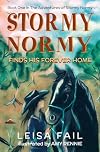
In a Nutshell: A children’s chapter book about a young brumby horse named Stormy Normy. The author certainly knows horses! Recommended to young animal lovers looking for a sweet and easy-going story.
~~~~~~~~~~~~~~~~~~~~~~~~~~~~
Plot Preview:
I am not really a horse person, being a city girl (woman!) all my life. But in my childhood, I had read a couple of memorable books with horse characters, including the classic ‘Black Beauty’ by Anna Sewell. Reading this debut indie work was a flashback down memory lane to some extent.
Though both Black Beauty and Stormy Normy are titular characters in their books, their stories aren’t exactly similar. The classic story is much darker, meant to make us empathise with a horse’s hard life. Stormy Normy, on the other hand, focuses more on the bright spots, as it rightly should, considering that its target age group is readers aged 6+.
The knowledge of the author with respect to the setting of outback Australia and the various horse breeds awed me a little. The book has mention of trees and shrubs native to the location, as well as detailed information on horses. It helps that the ranch where Stormy finds himself has a variety of horse breeds, so the information comes to us through Stormy’s perception of the other animals than as a factual listing. That said, I didn’t know some of the “horsey” words such as being “broken in” or “haltered”, though I could take a shot at the meaning from the context. But children might find some of these words difficult. Even other than the equine vocabulary, there are a few tough words in the story, so beginner readers might need help comprehending the same.
Stormy’s personality comes out well through the story. As he goes from a newborn to a two-year-old over the course of the book, we see him grow in awareness and confidence. However, there is a slight inconsistency in his knowhow; he seems to know words like ‘baseball’ and ‘machine’, or the year being ‘1994’, but doesn’t know what ‘man’ means. Animal perspectives must sound like we are actually hearing the animal narrate its thoughts, but sometimes, that doesn’t happen with Stormy, who sounds mostly like a human child. There are also some gaps in the story with things left unexplained, such as why was he so eager to go to a new owner when he was so happy with Peter.
I am not sure how children would find the two parts (one chapter and one subsection) that are written from the point of view of Midnight – Stormy’s mother – not just because of the possible comprehension gap but also because those are the only sections in third person. But I found those quite poignant, as her hopes and fears for her young son come out beautifully. I wish the story had more mentions of her, either through more third-person interludes, or through Stormy’s recollections, but as the focus of the tale is on the young horse and he barely had any time with his mother, she soon becomes a distant memory.
One thing I really appreciate is how the story handles the painful sequences without making them brutal for little readers. The scenes of Midnight’s labour, Stormy’s abandonment, and his branding are completed quickly and smoothly without stressing too much on the negative emotions.
The story does include some important life lessons. In a simple, instructional manner that would work well with young kids, a wise older horse in the book talks about various topics such as name calling, accepting differences, fitting into a group, dealing with bullying, and handling anxiety. A great part of this middle section is focussed on these good habits, so the story becomes more conversation-intensive than action-oriented. But this does provide fodder for parent-child or teacher-child discussions, and considering how the book ended, there promises to be more action in the next title of the series.
All in all, this is a sweet story of a young horse and how he learns to navigate life with the help of his friends. The story is supported by some lovely full-colour illustrations. This is the first of a series, and it completes the current arc while providing an indication of where the story will go next.
Recommended to little animal lovers aged 6-10. This would be a nice option for a bedtime story as well as classroom discussions.
3.5 stars, rounding up.
My thanks to author Leisa Fail for providing me with a complimentary copy of “Stormy Normy Finds His Forever Home”. This review is voluntary and contains my honest opinion about the book.
~~~~~~~~~~~~~~~~~~~~~~~~~~~~
Connect with me through:
My Blog || The StoryGraph || Instagram || X/Twitter || Facebook || show less
~~~~~~~~~~~~~~~~~~~~~~~~~~~~
Plot Preview:
Outback Queensland, Australia. Young Stormy Normy was born, as his name suggests, on a stormy night. As his mother and he are returning to their herd, Stormy gets distracted and enters a farm with many horses. His mother, realising that he will have ashow more
better life there than in the wild pack, leaves him there with a heavy heart. Thus begins Stormy’s life, where he learns to navigate tricky situations, make new friends, and realises whom and how to trust.
The story is written in Stormy’s first person perspective, with two brief interludes from his mother’s point of view in third person.
I am not really a horse person, being a city girl (woman!) all my life. But in my childhood, I had read a couple of memorable books with horse characters, including the classic ‘Black Beauty’ by Anna Sewell. Reading this debut indie work was a flashback down memory lane to some extent.
Though both Black Beauty and Stormy Normy are titular characters in their books, their stories aren’t exactly similar. The classic story is much darker, meant to make us empathise with a horse’s hard life. Stormy Normy, on the other hand, focuses more on the bright spots, as it rightly should, considering that its target age group is readers aged 6+.
The knowledge of the author with respect to the setting of outback Australia and the various horse breeds awed me a little. The book has mention of trees and shrubs native to the location, as well as detailed information on horses. It helps that the ranch where Stormy finds himself has a variety of horse breeds, so the information comes to us through Stormy’s perception of the other animals than as a factual listing. That said, I didn’t know some of the “horsey” words such as being “broken in” or “haltered”, though I could take a shot at the meaning from the context. But children might find some of these words difficult. Even other than the equine vocabulary, there are a few tough words in the story, so beginner readers might need help comprehending the same.
Stormy’s personality comes out well through the story. As he goes from a newborn to a two-year-old over the course of the book, we see him grow in awareness and confidence. However, there is a slight inconsistency in his knowhow; he seems to know words like ‘baseball’ and ‘machine’, or the year being ‘1994’, but doesn’t know what ‘man’ means. Animal perspectives must sound like we are actually hearing the animal narrate its thoughts, but sometimes, that doesn’t happen with Stormy, who sounds mostly like a human child. There are also some gaps in the story with things left unexplained, such as why was he so eager to go to a new owner when he was so happy with Peter.
I am not sure how children would find the two parts (one chapter and one subsection) that are written from the point of view of Midnight – Stormy’s mother – not just because of the possible comprehension gap but also because those are the only sections in third person. But I found those quite poignant, as her hopes and fears for her young son come out beautifully. I wish the story had more mentions of her, either through more third-person interludes, or through Stormy’s recollections, but as the focus of the tale is on the young horse and he barely had any time with his mother, she soon becomes a distant memory.
One thing I really appreciate is how the story handles the painful sequences without making them brutal for little readers. The scenes of Midnight’s labour, Stormy’s abandonment, and his branding are completed quickly and smoothly without stressing too much on the negative emotions.
The story does include some important life lessons. In a simple, instructional manner that would work well with young kids, a wise older horse in the book talks about various topics such as name calling, accepting differences, fitting into a group, dealing with bullying, and handling anxiety. A great part of this middle section is focussed on these good habits, so the story becomes more conversation-intensive than action-oriented. But this does provide fodder for parent-child or teacher-child discussions, and considering how the book ended, there promises to be more action in the next title of the series.
All in all, this is a sweet story of a young horse and how he learns to navigate life with the help of his friends. The story is supported by some lovely full-colour illustrations. This is the first of a series, and it completes the current arc while providing an indication of where the story will go next.
Recommended to little animal lovers aged 6-10. This would be a nice option for a bedtime story as well as classroom discussions.
3.5 stars, rounding up.
My thanks to author Leisa Fail for providing me with a complimentary copy of “Stormy Normy Finds His Forever Home”. This review is voluntary and contains my honest opinion about the book.
~~~~~~~~~~~~~~~~~~~~~~~~~~~~
Connect with me through:
My Blog || The StoryGraph || Instagram || X/Twitter || Facebook || show less
You May Also Like
Associated Authors
Statistics
- Works
- 4
- Members
- 11
- Popularity
- #857,861
- Rating
- 4.0
- Reviews
- 2
- ISBNs
- 6
