
George Dardess
Author of Do We Worship the Same God?: Comparing the Bible and the Qur'an
About the Author
Works by George Dardess
Tagged
Common Knowledge
- Birthdate
- 20th century
- Gender
- male
- Occupations
- deacon
editor
writer - Organizations
- Roman Catholic Church
Muslim Catholic Alliance of Rochester - Places of residence
- Rochester, New York, USA
- Associated Place (for map)
- New York, USA
Members
Reviews
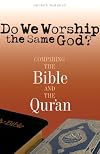
In Do We Worship the Same God? Comparing the Bible and the Qur’an, George Dardess writes that the book was designed as a guide for individuals and study groups. At the end of the introduction, the author, a permanent deacon, includes a prayer that opens with an invocation to God by the Qur’anic epithet “master of the universe” (sura 1:1) and concludes with a petition that seems a parody of ecumenical silliness: “Help us instead to keep our minds open, our spirits free, and our show more hearts joyful as we ponder: whether the God we both worship is you.”
Surprisingly, the book is much better than the above prayer would lead one to expect. Mr. Dardess, a permanent deacon, has devoted fifteen years to studying Arabic and the Qu’ran and is quite adept at selecting and commenting on parallel passages from the Bible and the Qu’ran that illustrate Christian and Muslim beliefs about topics such as the Creation, the birth of Jesus, the Crucifixion and Resurrection, and the Holy Spirit. Commendably, he does not try to minimize differences or claim that they are unimportant on an esoteric level, but in fact uses them to illustrate essential differences that lie at the heart of the two faiths. For example, in the final chapter, he quotes two very short passages from the Bible and Qu’ran to illustrate the very different feelings that Christians and Muslims have when thinking about God:
For God so loved the world that he gave his only Son, so that everyone who believes in him may not perish, but have eternal life. (John 3:16 NRSV)
Say, O Mohammad: “He, God, is One. God is eternal, self-sufficient. He does not beget offspring, nor was he begotten. To him there is absolutely nothing comparable. (sura al-ikhlas “Purity” 112: 1-4)
For Christians then, God is distinguished principally by his mercy and loving-kindness; for Muslims by his oneness and incomparableness. Such an insight goes a long way to explaining the different psychologies of Christian and Muslim believers.
In other areas, the author is on less secure ground. Nowhere is this more apparent then in his discussion of jihad. Like some modern Muslims, Dardess much prefers to concentrate on the “greater jihad,” the inner struggle with oneself. As far the “lesser jihad” is concerned, the author treats it as little more than defense of the Muslim community, forced on Mohammed when his nascent religion was surrounded by hostile unbelievers. In contrast, the great scholar of Islam, Bernard Lewis, has written that “the overwhelming majority of early authorities, citing the relevant passages in the Qu’ran, the commentaries, and the traditions of the Prophet, discuss jihad in military terms” and that offensive jihad “is an obligation of the Muslim community as a whole”
Do We Worship the Same God is an intelligent and well-written introduction to the comparative study of Christianity and Islam. Its main weakness lies in the author’s enthusiasm for his subject, which leads him to ignore aspects of Islam, such as jihad, that undermine his ecumenical outlook.
(Published in Catholic Library World, June 2007) show less
Surprisingly, the book is much better than the above prayer would lead one to expect. Mr. Dardess, a permanent deacon, has devoted fifteen years to studying Arabic and the Qu’ran and is quite adept at selecting and commenting on parallel passages from the Bible and the Qu’ran that illustrate Christian and Muslim beliefs about topics such as the Creation, the birth of Jesus, the Crucifixion and Resurrection, and the Holy Spirit. Commendably, he does not try to minimize differences or claim that they are unimportant on an esoteric level, but in fact uses them to illustrate essential differences that lie at the heart of the two faiths. For example, in the final chapter, he quotes two very short passages from the Bible and Qu’ran to illustrate the very different feelings that Christians and Muslims have when thinking about God:
For God so loved the world that he gave his only Son, so that everyone who believes in him may not perish, but have eternal life. (John 3:16 NRSV)
Say, O Mohammad: “He, God, is One. God is eternal, self-sufficient. He does not beget offspring, nor was he begotten. To him there is absolutely nothing comparable. (sura al-ikhlas “Purity” 112: 1-4)
For Christians then, God is distinguished principally by his mercy and loving-kindness; for Muslims by his oneness and incomparableness. Such an insight goes a long way to explaining the different psychologies of Christian and Muslim believers.
In other areas, the author is on less secure ground. Nowhere is this more apparent then in his discussion of jihad. Like some modern Muslims, Dardess much prefers to concentrate on the “greater jihad,” the inner struggle with oneself. As far the “lesser jihad” is concerned, the author treats it as little more than defense of the Muslim community, forced on Mohammed when his nascent religion was surrounded by hostile unbelievers. In contrast, the great scholar of Islam, Bernard Lewis, has written that “the overwhelming majority of early authorities, citing the relevant passages in the Qu’ran, the commentaries, and the traditions of the Prophet, discuss jihad in military terms” and that offensive jihad “is an obligation of the Muslim community as a whole”
Do We Worship the Same God is an intelligent and well-written introduction to the comparative study of Christianity and Islam. Its main weakness lies in the author’s enthusiasm for his subject, which leads him to ignore aspects of Islam, such as jihad, that undermine his ecumenical outlook.
(Published in Catholic Library World, June 2007) show less
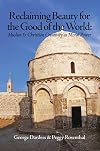
Un nuevo enfoque para el diáogo interreligioso, este relato expone las similitudes y diferencias entre las creencias cristianas y musulmanas a través del notable arte inspirado en ellas. Siendo aún alegre, este examen demuestra la centralidad de la belleza de Dios en ambas religiones, presenta las artes sagradas de ambas religiones y explora las diversas formas en que los devotos honran a Dios. Sincera y completa, esta discusión sostiene que las obras de arte cristianas y musulmanas no show more son simplemente adornos, sino el medio esencial de motivar a los seguidores a vivir vidas hermosas, vidas dedicadas al servicio de Dios y la humanidad. -
A fresh approach to interfaith dialogue, this account exposes the similarities and differences between Christian and Muslim beliefs through the remarkable art inspired by them. Probing yet joyful, this examination demonstrates the centrality of God´s beauty in both faiths, presents the sacred arts of both religions, and explores the diverse ways in which devotees honor God. Candid and comprehensive, this discussion argues that Christian and Muslim artworks are not merely adornments, but the essential means of motivating adherents to live beautiful lives--lives devoted to the service of God and humanity. show less
A fresh approach to interfaith dialogue, this account exposes the similarities and differences between Christian and Muslim beliefs through the remarkable art inspired by them. Probing yet joyful, this examination demonstrates the centrality of God´s beauty in both faiths, presents the sacred arts of both religions, and explores the diverse ways in which devotees honor God. Candid and comprehensive, this discussion argues that Christian and Muslim artworks are not merely adornments, but the essential means of motivating adherents to live beautiful lives--lives devoted to the service of God and humanity. show less
Aug 24, 2021Spanish
You May Also Like
Associated Authors
Statistics
- Works
- 6
- Members
- 132
- Popularity
- #153,554
- Rating
- 3.1
- Reviews
- 2
- ISBNs
- 9