
Pleasant DeSpain
Author of Thirty-Three Multicultural Tales to Tell (American Storytelling)
About the Author
Pleasant DeSpain is the author of numerous collections of multicultural stories. He has traveled all over the United States and the world, collecting stories to share with children and adults. He lives in Albany, New York
Works by Pleasant DeSpain
wisdom & justice 1 copy
Serendipity's secret 1 copy
Tagged
Common Knowledge
- Gender
- male
Members
Reviews

Turtle dances and plays her flute in this picture book retelling of an indigenous folktale from Brazil, unaware that a human hunter is watching her, and plotting to make her into soup. Captured after she goes to sleep, she is brought back to the hunter's home, and imprisoned in a cage of strong sticks. Leaving to work in the fields, the hunter warns his children not to set the captive free, but those children are enchanted by Turtle's music, and long to see her dance. And so begins the show more process whereby Turtle tricks the children and wins her freedom...
Given the relative paucity of picture book retellings of South American folktales, I wanted to like The Dancing Turtle: A Folktale from Brazil more than I did. It is my first book from author Pleasant DeSpain, who has written numerous folktale collections, and is also my first exposure to illustrator David Boston's work. I found the story interesting, and was not put off, as some other online reviewers were, by Turtle's trickery, as she has been taken captive, and fighting for her life. Also, she seems to be a trickster figure of sorts, so it is only to be expected in this case. I also appreciated the brief author's note at the rear, discussing how widespread this story is in Latin America and listing the source material for this variant, collected by 19th-century Brazilian politician, military officer and folklorist José Vieira Couto de Magalhães in his 1876 O Selvagem ("The Savage"). I do wish that the ethnic and/or tribal origin of this specific story had been specified, but perhaps it isn't known. All this being said, visually this book did not appeal to me. The artwork was colorful, sometimes too much so for my taste, and although I enjoyed some of Boston's depictions of Turtle and the other animals, his human depictions sometimes felt a little off to me. I also wasn't a fan of the overall design of the book, especially the use of chunky black text/type. These aesthetic concerns are personal, of course, and tastes may vary, so I still rated this at three stars, and would recommend it to young folklore enthusiasts, particularly those interested in stories from Brazil and Latin America in general. show less
Given the relative paucity of picture book retellings of South American folktales, I wanted to like The Dancing Turtle: A Folktale from Brazil more than I did. It is my first book from author Pleasant DeSpain, who has written numerous folktale collections, and is also my first exposure to illustrator David Boston's work. I found the story interesting, and was not put off, as some other online reviewers were, by Turtle's trickery, as she has been taken captive, and fighting for her life. Also, she seems to be a trickster figure of sorts, so it is only to be expected in this case. I also appreciated the brief author's note at the rear, discussing how widespread this story is in Latin America and listing the source material for this variant, collected by 19th-century Brazilian politician, military officer and folklorist José Vieira Couto de Magalhães in his 1876 O Selvagem ("The Savage"). I do wish that the ethnic and/or tribal origin of this specific story had been specified, but perhaps it isn't known. All this being said, visually this book did not appeal to me. The artwork was colorful, sometimes too much so for my taste, and although I enjoyed some of Boston's depictions of Turtle and the other animals, his human depictions sometimes felt a little off to me. I also wasn't a fan of the overall design of the book, especially the use of chunky black text/type. These aesthetic concerns are personal, of course, and tastes may vary, so I still rated this at three stars, and would recommend it to young folklore enthusiasts, particularly those interested in stories from Brazil and Latin America in general. show less
I was looking for a book to practice my Spanish, and this is exactly what I needed. The ability to flip between Spanish and English was crucial and avoided the frustrating steps of checking a dictionary for vocabulary. The stories are also excellent views into Latin American culture. I was also impressed by how mature they are compared to American fables/bedtime stories. The translations also do a great job of reusing vocabulary so that it sticks over reading the stories. I have already show more recommended this book to others as a fantastic way to practice reading in Spanish. show less
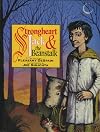
. Bibliographic Information: Pleasant DeSpain, “Strongheart Jack and the Beanstalk”, Illustrated by Joe Shlichta, Published by August House LittleFolk, ©2005, 29 pages
Genre: Folktales, myth, fables and legends
Summary: Jacks mother tells him to take the milk cow to town and sell her for gold but on the way there he meets a tinker man in a wagon. The man tells him to sell the cow to him for magical beans and Jack does. When Jack gets home his mother is mad at him and throws the beans out show more the window. The next morning a bean stalk is has grown. Jacks mother pleads with him not to climb up it but he does anyway. She gives him his dead father’s sword. The village cat Octavia follows him up the beanstalk. When they get to the top he is greeted by cactuses that ask him for the password. Octavia tells him to say water and give them a drink from his canteen. They let him and her pass. Octavia tells Jack about how his father us to be a squire and lived in a manor. She told about how his parents met and that they instantly fell in love. Then how a very big scary man came to town one day and Jack’s father offered him a place to stay and food to eat. The giant wanted more though to eat, he wanted a person. Jacks father refused to bring the giant a person to eat, so the giant ate him. Rage grew in Jacks heart. On the path they came to a turtle who asked them a riddle. They get it right and continue along when they come to the giant’s castle with dogs sleeping outside. They toss pebbles at the dog which makes the dogs fight each other. They slip inside where they find a girl Elinor who is being held captive because the giant threatens to eat her brother if she doesn’t cook for him. She makes Jack and Octavia hide because the giant is coming. They stay the night hidden and when they wake up they tell the Elinor that they should just leave but that’s when she tells them about her brother. Jack has fallen in love with her and can’t leave her so he promises to find her brother. They find the door that her brother is behind but they need a key which is around the giant’s neck. The giant comes home so they hide again until after he has eaten and falls asleep listening to his harp. Jack lowers himself down a rope above the giant. He grabs the key but the harp starts telling on Jack and wakes the giant up. Jack gets the key to Elinor in time to have her go free her brother. Jack fights the giant and cuts the giants big toe which distracts him. They run out the door but Elinor has fallen and stopped breathing. The giant had a curse on her so she could never leave the castle. Jack is very sad but keeps running. Climbing down the beanstalk Jack makes it to the bottom first and starts chopping at the beanstalk. He gets through the stalk and the giant falls to the ground dead. Jack is sad because Elinor is dead. Suddenly he hears the harp playing and Elinor awoke and the harp called to the beanstalk to come up and get them. Jack became a squire and they lived happily ever after.
Tags: Courage, Smarts, Tragic
My Response: I really liked this telling of Jack and the Beanstalk. It was romantic and sad all the same time. I have never heard the story like this; it was a good twist for me. I like when I’m reading a fairy tale I heard when I was younger and it gains more of a story for me. show less
Genre: Folktales, myth, fables and legends
Summary: Jacks mother tells him to take the milk cow to town and sell her for gold but on the way there he meets a tinker man in a wagon. The man tells him to sell the cow to him for magical beans and Jack does. When Jack gets home his mother is mad at him and throws the beans out show more the window. The next morning a bean stalk is has grown. Jacks mother pleads with him not to climb up it but he does anyway. She gives him his dead father’s sword. The village cat Octavia follows him up the beanstalk. When they get to the top he is greeted by cactuses that ask him for the password. Octavia tells him to say water and give them a drink from his canteen. They let him and her pass. Octavia tells Jack about how his father us to be a squire and lived in a manor. She told about how his parents met and that they instantly fell in love. Then how a very big scary man came to town one day and Jack’s father offered him a place to stay and food to eat. The giant wanted more though to eat, he wanted a person. Jacks father refused to bring the giant a person to eat, so the giant ate him. Rage grew in Jacks heart. On the path they came to a turtle who asked them a riddle. They get it right and continue along when they come to the giant’s castle with dogs sleeping outside. They toss pebbles at the dog which makes the dogs fight each other. They slip inside where they find a girl Elinor who is being held captive because the giant threatens to eat her brother if she doesn’t cook for him. She makes Jack and Octavia hide because the giant is coming. They stay the night hidden and when they wake up they tell the Elinor that they should just leave but that’s when she tells them about her brother. Jack has fallen in love with her and can’t leave her so he promises to find her brother. They find the door that her brother is behind but they need a key which is around the giant’s neck. The giant comes home so they hide again until after he has eaten and falls asleep listening to his harp. Jack lowers himself down a rope above the giant. He grabs the key but the harp starts telling on Jack and wakes the giant up. Jack gets the key to Elinor in time to have her go free her brother. Jack fights the giant and cuts the giants big toe which distracts him. They run out the door but Elinor has fallen and stopped breathing. The giant had a curse on her so she could never leave the castle. Jack is very sad but keeps running. Climbing down the beanstalk Jack makes it to the bottom first and starts chopping at the beanstalk. He gets through the stalk and the giant falls to the ground dead. Jack is sad because Elinor is dead. Suddenly he hears the harp playing and Elinor awoke and the harp called to the beanstalk to come up and get them. Jack became a squire and they lived happily ever after.
Tags: Courage, Smarts, Tragic
My Response: I really liked this telling of Jack and the Beanstalk. It was romantic and sad all the same time. I have never heard the story like this; it was a good twist for me. I like when I’m reading a fairy tale I heard when I was younger and it gains more of a story for me. show less
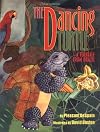
Neither of my kiddos (age 3 and 6) liked this tale. The idea of putting the turtle in a pot of boiling water was a little too real, and then the turtle lies to escape. The author raises the issue of lying to save your life, but for little ones it was a bit of a stretch. I liked that the illustrations included drawings of different rainforest animals on every spread.
Lists
Awards


You May Also Like


Associated Authors
Statistics
- Works
- 30
- Members
- 629
- Popularity
- #40,057
- Rating
- 3.6
- Reviews
- 12
- ISBNs
- 61