
Penda Diakité
Author of I Lost My Tooth In Africa
About the Author
Works by Penda Diakité
Tagged
Common Knowledge
- Canonical name
- Diakité, Penda
- Gender
- female
- Relationships
- Diakité, Baba Wagué (father)
- Nationality
- USA
- Birthplace
- Portland, Oregon, USA
- Places of residence
- Portland, Oregon, USA
Bamako, Mali - Associated Place (for map)
- USA
Members
Reviews
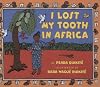
What a fun, engaging and surprisingly thoughtful story about a young girl from Portland who accompanies her family to West Africa to spend several weeks with her extended family. She has a loose tooth and hopes it will fall out while she is in West Africa so she can get a chicken from the African tooth fairy. She has a great deal of fun finding out when it happens and whether she gets her chicken. This book also depicts the difference in culture, by the illustrations and by different aspects show more of the tooth fairy. In American culture, the tooth fairy is associated with finding money under your pillow, In Amina's African culture, instead of money under a pillow, you would find a chicken under a gourd. show less

Author/illustrator team and father and daughter Penda and Baba Wagué Diakité draw inspiration from their own family history in this engaging tale of a young Malian American girl who loses a tooth while visiting her father's family in Mali. As Amina is enveloped by her extended family, experiencing life in their compound—receiving blessings from her N'na, or grandmother; playing games with her cousins; preparing and eating meals together—she worries away at her loose tooth, which show more eventually falls out. Her father instructs her to place the lost tooth under a calabash, as the Tooth Fairy will bring her a chicken in return, and sure enough she soon receives a hen and rooster. With the help of her family she creates a house for the pair, and soon her hen is laying eggs...
According to the author's dedication, as well as the note at the rear of the book, I Lost My Tooth in Africa is a true story, which happened to Penda Diakité's younger sister Amina, when the family were visiting kin in Mali. A photograph of Amina, missing her tooth and holding her chicken, is included with the note. I found the story here engaging, and appreciated the glimpse it gave of Malian family traditions, as well as traditions around the loss of a baby tooth in that part of the world. Children familiar with the western Tooth Fairy will find this alternative tradition quite interesting I think. The accompanying artwork, painted on ceramic tiles in deep, earthy colors, has a wonderful folk sensibility and is very appealing. I have read a number of Baba Wagué Diakité's folklore retellings, so it was interesting to pick up this realistic story. Recommended to anyone looking for stories set in Mali and/or West Africa, as well as tales about baby tooth traditions. Those interested in comparing such traditions around the world might also like to seek out Selby B. Beeler and G. Brian Karas Throw Your Tooth on the Roof: Tooth Traditions from Around the World. show less
According to the author's dedication, as well as the note at the rear of the book, I Lost My Tooth in Africa is a true story, which happened to Penda Diakité's younger sister Amina, when the family were visiting kin in Mali. A photograph of Amina, missing her tooth and holding her chicken, is included with the note. I found the story here engaging, and appreciated the glimpse it gave of Malian family traditions, as well as traditions around the loss of a baby tooth in that part of the world. Children familiar with the western Tooth Fairy will find this alternative tradition quite interesting I think. The accompanying artwork, painted on ceramic tiles in deep, earthy colors, has a wonderful folk sensibility and is very appealing. I have read a number of Baba Wagué Diakité's folklore retellings, so it was interesting to pick up this realistic story. Recommended to anyone looking for stories set in Mali and/or West Africa, as well as tales about baby tooth traditions. Those interested in comparing such traditions around the world might also like to seek out Selby B. Beeler and G. Brian Karas Throw Your Tooth on the Roof: Tooth Traditions from Around the World. show less
Amina is excited to lose her tooth on a trip to visit her family in Mali, because the African Tooth Fairy is going to give her a chicken for her tooth. I loved that this book offered a positive and personal view of Africa (not too common in children's literature), and I was drawn into the vivid illustrations. Unfortunately, the prose was a little dry: almost entirely tell-not-show with very scattered dialogue. I do want to try out the recipe at the back of the book.
This is a thoroughly satisfying story in a which a girl visiting her family in Mali loses her tooth. There are different traditions and she knows that if she loses her tooth in Mali she will receive a chicken! The illustrations are beautiful and by the author's mother, giving motion and amusement to the animals surrounding the family home in Mali. The chickens cluck across the page and provide entertainment for all. Anyone can experience the excitement of losing a first tooth, encountering show more new traditions, and learning about a new place. Rather than worry or fear, we're wrapped up in the protagonists tooth loss, chicken care taking, and farewells to her family far away. A wonderful story anyone could enjoy. show less
Lists
Awards


You May Also Like


Associated Authors
Statistics
- Works
- 1
- Members
- 854
- Popularity
- #29,957
- Rating
- 4.1
- Reviews
- 88
- ISBNs
- 3