
Douglas Smith (15)
Author of Dying Rose
For other authors named Douglas Smith, see the disambiguation page.
Works by Douglas Smith
Common Knowledge
- Gender
- male
- Education
- University of Adelaide
- Occupations
- journalist
- Short biography
- [from Harper Collins Publishers website]
Douglas Smith is a descendant of the Mirning and Kokatha peoples. He is an award-winning journalist who started his career at The Advertiser in 2014 before moving to Sydney in 2018 to work for SBS and NITV as a video journalist. He has been both Queensland and South Australian correspondent for NITV, and now covers Indigenous affairs for The Advertiser. - Nationality
- Australia
Kokatha
Mirning - Birthplace
- Australia
- Places of residence
- Adelaide, South Australia, Australia
Sydney, New South Wales, Australia - Associated Place (for map)
- Australia
Members
Reviews
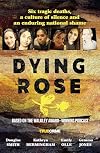
This book was written as a follow up to the Dying Rose podcast, which was published by the Advertiser newspaper from Adelaide in South Australia. The podcast investigated the stories of six young First Nations women who died and whose deaths, apart from one, seemed suspicious to their families but were never fully explained. The families were left with questions that were never answered, as the deaths were quickly ruled to be suicides because the women fit the demographic.
There is one show more chapter each about each of the six women, and all of the stories feature heartbreak, problems and difficult situations, but also love, especially the love of family. The voices of those who loved these women are featured a lot, mainly the mothers who try to find answers and are often simply ignored by the police.
One story differs a bit. Shanarra Bright-Campbell really did suicide herself at home. Her brother called an ambulance, but then police arrived as well and arrested him.
Charlene Warrior, Lasonya Dutton, Lyla Nettle, Charli Powell and Rose Hunter-Hebberman all died suddenly and left families in grief and with lots of questions, only to be then not taken seriously by the authorities.
The last chapter of the book explains the mechanisms at work here, the underlying racism and what needs to be done in the future. The book is not senseless police bashing, but it uncovers the problems of the system and shines a light on these six stories that, in most cases, would not have gotten a lot of media coverage otherwise. show less
There is one show more chapter each about each of the six women, and all of the stories feature heartbreak, problems and difficult situations, but also love, especially the love of family. The voices of those who loved these women are featured a lot, mainly the mothers who try to find answers and are often simply ignored by the police.
One story differs a bit. Shanarra Bright-Campbell really did suicide herself at home. Her brother called an ambulance, but then police arrived as well and arrested him.
Charlene Warrior, Lasonya Dutton, Lyla Nettle, Charli Powell and Rose Hunter-Hebberman all died suddenly and left families in grief and with lots of questions, only to be then not taken seriously by the authorities.
The last chapter of the book explains the mechanisms at work here, the underlying racism and what needs to be done in the future. The book is not senseless police bashing, but it uncovers the problems of the system and shines a light on these six stories that, in most cases, would not have gotten a lot of media coverage otherwise. show less
Statistics
- Works
- 1
- Members
- 5
- Popularity
- #1,360,913
- Rating
- 5.0
- Reviews
- 1
- ISBNs
- 139
- Languages
- 8