
Nechama Tec (1931–2023)
Author of Defiance
About the Author
Nechama Tec is Professor of Sociology at the University of Connecticut, Stamford.
Disambiguation Notice:
(yid) VIAF:12483420
Works by Nechama Tec
When Light Pierced the Darkness: Christian Rescue of Jews in Nazi-Occupied Poland (1986) 121 copies, 1 review
Gambling in Sweden 1 copy
Associated Works
Every Day Lasts A Year: A Jewish Family's Correspondence from Poland (2007) — Editor — 47 copies, 1 review
Tagged
Common Knowledge
- Other names
- Bawnik, Nechama (birth name)
Tec, Nehama - Birthdate
- 1931-05-15
- Date of death
- 2023-08-03
- Gender
- female
- Education
- Columbia University (Bx, Mx, PhD | Sociology)
- Occupations
- professor
sociologist
memoirist
Holocaust survivor
Holocaust researcher - Organizations
- University of Connecticut
- Awards and honors
- Pulitzer Prize (nominee)
National Book Award (nominee)
National Jewish Book Award (2003 - Resilience And Courage)
Christopher Award (1993 - In The Lion's Den) - Relationships
- Tec, Roland (son|film director)
Tec, Leon (husband) - Short biography
- Nechama or Nehama Tec, née Bawnik, was born to Jewish family in Lublin, Poland. She was eight years old when Nazi Germany invaded her country in World War II, and survived with her sister and parents by being hidden by Polish Catholics under false identities. In 1950, she married Leon Tec, a child psychiatrist, with whom she had two children, and emigrated to Israel and then the USA. She earned her bachelor’s, master’s, and doctoral degrees in sociology from Columbia University, and became a professor at the University of Connecticut, Storrs. She published her Holocaust memoir Dry Tears: The Story of a Lost Childhood, in 1982.
Other works include When Light Pierced the Darkness: Christian Rescue of Jews in Nazi-Occupied Poland (1986); In the Lion’s Den: The Life of Oswald Rufeisen (1990); Defiance: The Bielski Partisans (1993), which won the 1994 International Anne Frank Special Recognition prize; Resilience and Courage: Women, and Men, and the Holocaust (2003); and more than 70 scholarly articles. Prof. Tec was appointed to the Council of the U.S. Holocaust Memorial Museum and in 1995 was a Scholar-in-Residence at the International Institute for Holocaust Research at Yad Vashem, Israel. - Nationality
- Poland (birth)
USA - Birthplace
- Lublin, Poland
- Places of residence
- Lublin, Poland
Warsaw, Poland
Otwock, Poland
Kielce, Poland
West Berlin, West Germany
Israel (show all 7)
New York, New York, USA - Place of death
- Manhattan, New York, USA
- Disambiguation notice
- VIAF:12483420
- Associated Place (for map)
- Poland
Members
Reviews
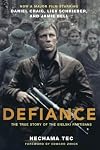
Utterly inspiring account of three heroic Jewish brothers in WW2 Belarus; hiding from the Nazis in the vast, inhospitable forests, their initial small band of acquaintances rapidly becomes a small town, as more Jews flee the ghettos. Led by the charismatic Tuvia Bielski, his group stands out as one that turned no one away; while other detachments refused the frail, useless and unarmed...and were often guilty of anti-semitism...the Bielskis actively sought out all who wanted to come, their show more focus on saving lives than attacking the enemy (although there was, pleasingly, some of that too.)
"Bielski was for us what Israel is for the Jews now...an insurance."Through interviews with all the major players in the 1980s, Tec writes a seemingly balanced account; the Bielskis had their detractors, moments when maybe things could have been done better. There were confrontations with bands of Nazis, cold and privation, dissent in the ranks, and a need to rub along with the groups of Russian patriots in the area...
Sometimes (not often!) you finish a book so inspired by the character that you think "if I had a son right now, I'd name him after this person." show less
"Bielski was for us what Israel is for the Jews now...an insurance."Through interviews with all the major players in the 1980s, Tec writes a seemingly balanced account; the Bielskis had their detractors, moments when maybe things could have been done better. There were confrontations with bands of Nazis, cold and privation, dissent in the ranks, and a need to rub along with the groups of Russian patriots in the area...
Sometimes (not often!) you finish a book so inspired by the character that you think "if I had a son right now, I'd name him after this person." show less
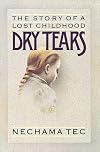
This well-written memoir is a lovingly written tribute to Tec's parents, especially her father, who had the foresight, connections and appearance to arrange for the author's family to spend the duration of World War II passing as Polish Christians. The author presents a different and more ambiguous struggle for survival than is typically given in holocaust biographies and memoirs. The poor Homar family accepts Tec's family to ensure their own survival during a time of deep rations and show more deprivation. The Jewish family essentially foots the food bill, the rent and the start-up for one of the Polish family member's black market vodka business. The author insists the Homars are kind, affectionate, and generous to them in spite of being deeply anti-semitic. My edition includes an epilogue in which the author explains something of what happened after the war when the family returned to Lublin Poland. Compared to the rest of the book, this section is quite sketchy and unsatisfying. The author states that dealing with this aspect of her personal and family history is still painful. Dry Tears reads like narrative and the author provides clear characterization of the poor Poles her family lived with. This is a book worth reading for a completely different view of the Holocaust experience. show less

There are two books about the Bielski partisan group that I know of; the other is Peter Duffy's The Bielski Brothers. Both books were good but I found Tec's to be the better of the two. Her writing gave a better sense of what daily life was like in the Bielski camp, possibly because she herself was a "hidden child" Holocaust survivor. Tec was also able to interview Zus and Tuvia Bielski before their deaths, whereas Duffy didn't start writing his book until the brothers (excepting Aron, the show more youngest, who was only a child during World War II) were all dead.
The story is a fascinating one which deserves to be better known. The Bielski brothers are the closest thing to real-life Robin Hoods that I know of, and there ought to be a movie about them. Both books are worth reading but if you can only get one, get Defiance. show less
The story is a fascinating one which deserves to be better known. The Bielski brothers are the closest thing to real-life Robin Hoods that I know of, and there ought to be a movie about them. Both books are worth reading but if you can only get one, get Defiance. show less
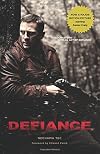
Very good for those who want to know more about what happened to Jews during WWII, but don't like the stereotypes that have been showered on them for decades. This is the true story of a group of Jews who managed to save themselves from the Nazi killings, and then dedicated themselves to saving other Jews. You won't find perfect heros or perfect villains, just real people facing extreme circumstances.
Lists
Awards

You May Also Like


Associated Authors
Statistics
- Works
- 12
- Also by
- 3
- Members
- 1,003
- Popularity
- #25,716
- Rating
- 4.0
- Reviews
- 24
- ISBNs
- 40
- Languages
- 4