
Saul Friedländer
Author of The Years of Extermination: Nazi Germany and the Jews, 1939-1945
About the Author
Saul Friedlander is a professor of history at UCLA and has written numerous books on Nazi Germany and World War II
Series
Works by Saul Friedländer
Pius XII. a třetí říše 1 copy
Associated Works
The Night of Broken Glass: Eyewitness Accounts of Kristallnacht (2009) — Foreword, some editions — 26 copies, 4 reviews
Tagged
Common Knowledge
- Canonical name
- Friedländer, Saul
- Other names
- FRIEDLÄNDER, Pavel (birth name)
שאול פרידלנדר
FRIEDLÄNDER, Saul - Birthdate
- 1932-10-11
- Gender
- male
- Education
- Graduate Institute of International Studies (Ph.D|1963)
Lycee Henri IV, Paris, France - Occupations
- historian
university professor emeritus
Holocaust survivor
memoirist
diplomatic historian - Organizations
- Graduate Institute of International Studies
Hebrew University of Jerusalem
Tel Aviv University
University of California, Los Angeles
World Zionist Organization - Awards and honors
- Pulitzer Prize for General Non-Fiction (2008)
American Academy of Arts and Sciences (2000)
MacArthur Fellowship (1999)
Israel Prize (1983)
Leipzig Book Fair Prize (2007)
Andreas Gryphius Award for Literature (1981) (show all 15)
Geschwister-Scholl-Preis (1998)
National Jewish Book Award (1997)
Shazar Prize (1998)
Friedenspreis des Deutschen Buchhandels (2007)
American Historical Association Award for Scholarly Distinction (2009)
Bruno Kreisky Prize (2008)
Dan David Prize (2014)
Ludwig Landmann Prize (2021)
Balzan Prize (2021) - Short biography
- Saul Friedländer, né Pavel, was born to a family of German-speaking Jews in Prague, Czechoslovakia. In 1939, when he was about seven years old, his family fled the Nazis to France. During the German Occupation in World War II, he was hidden in a Catholic boarding school in Montluçon. His parents then attempted to flee to Switzerland, were arrested by the French police, deported to Auschwitz, and murdered. He did not learn of their fate until after the war. In 1948, he emigrated to Israel, where he finished high school and served in the Israel Defense Forces. For many years, he split his time between Paris, Jerusalem, Tel Aviv, Geneva, Stockholm, and Los Angeles. He served as secretary to Nachum Goldman, then President of the World Zionist Organization and the World Jewish Congress. In 1959, he became an assistant to Shimon Peres, then Israel's vice-minister of defense. In 1963, he received his PhD from the Graduate Institute of International Studies in Geneva, where he taught until 1988. He taught at the Hebrew University of Jerusalem and Tel Aviv University. In 1988, he became professor of History at the University of California, Los Angeles. Friedländer became one of the most significant historians of the Holocaust. He began as a diplomatic historian, publishing Hitler et les Etats-Unis 1939–41 (1963, English translation, Prelude to Downfall: Hitler and the United States) and Pie xii et le iiie Reich (1964, Pius XII and the Third Reich). He then turned towards psychology and wrote Kurt Gerstein, l'ambiguité du bien (1967, Kurt Gerstein: The Ambiguity of Good) and L'Histoire et psychoanalyse (1975, History and Psychoanalysis). He investigated the dynamics of individual remembrance in his acclaimed memoir, Quand vient le souvenir (1978, When Memory Comes), now considered a classic. He also considered cultural memory in Reflets du nazisme (1982, Reflections of Nazism). Other landmark works include Nazi Germany and the Jews: Volume 1: The Years of Persecution, 1933-1939 (1997), followed by Nazi Germany and the Jews: Volume 2: The Years of Extermination, 1939-1945 (2007), which won the Pulitzer Prize for General Non-Fiction. His book Where Memory Leads: My Life (2016) was a sequel to When Memory Comes.
- Nationality
- Czechoslovakia
Israel - Birthplace
- Prague, Czechoslovakia
- Places of residence
- Czechosolvakia
Montlucon, France
Israel - Associated Place (for map)
- Prague, Czechoslovakia
Members
Reviews

A rőt szakállú történettudomány elcsábította Pszichológia kisasszonyt, nászukból született ez a kötet. Csinos. Friedländer megkísérli megtalálni az antiszemitizmus gyökereit, de nem csak úgy általában az antiszemitizmusét, hanem ezen belül speciálisan a német antiszemitizmusét is, sőt: még magához Hitlerhez se rest hozzányúlni, felhúzza a bányászsisakot, és leereszkedik a Nagy Paranoid pszichéjének éjsötét tárnájába is. A szerző alapvetően három show more oldalról járja körül mindegyik témát:
1.) A zsidóellenesség kulturális okai – kiemelve a nagy keresztény antiszemiták, köztük Luther hatását a XX. századi antiszemitizmusra. Külön felhívja a figyelmet, hogy az antiszemitizmus mint jelenség ugyan állandó, de az ipari forradalom és a zsidók fokozatos asszimilációja miatt nagy átalakulásokon ment keresztül. Addig nem is beszélhetünk antiszemitizmusról, inkább antijudaizmusról, hisz a zsidót vallása és szokásai miatt üldözték. Ám az asszimiláns zsidók megjelenésével „igény támadt” arra, hogy a zsidóságot ne mint egy hagyományrendszer résztvevőjét szemléljék (hisz a hagyomány levetkőzhető), hanem örökletes tulajdonságként, amitől nem lehet szabadulni. Innen pedig csak egyetlen lépcsőfok a fajelmélet.
2.) A zsidóellenesség objektív okai – értve ezalatt, hogy az izraeliták valóban felül voltak reprezentálva például a hitelkölcsönzéssel kapcsolatos üzletágakban, az újságírásban, a bolsevik vezetésben vagy épp az orvosi pályán. Ugyanakkor ezeknek a tényeknek megvannak a komplex történelmi okai: uzsorával például azért voltak kénytelenek foglalkozni, mert földet nem birtokolhattak, a keresztények pedig a pénzkölcsönzéstől voltak eltiltva számos országban. A német forradalmi katonatanácsok vezetésében pedig azért tűntek fel szép számmal, mert a zsidó származású tartalékos tiszteket kivetette magából a porosz tiszti rendszer, ezért törvényszerűen találták magukat a lázongó bakák oldalán.
3.) A zsidóellenesség pszichopatológiai okai – nos, aki fázik Freud nevének említésétől is, azt talán ezek a fejtegetések fogják leginkább idegesíteni. Valóban hümmög néha az ember, mondjuk akkor, amikor Friedländer Hitler ödipális komplexusáról, szexuális frusztrációiról* vagy épp áttételes önkasztrációjáról** ejt szót, de összességében elég meggyőzően bizonyítja, hogy a szélsőséges antiszemiták és a pszichopatológiailag terheltek és skizoidok között jelentős átfedés tapasztalható.
Kellemetlen könyv. Riasztó például felismerni, hogy amikor az Obamát muszlimnak nevező újságíró úgy védekezett, hogy bár Obama igazából talán nem muszlim, de mivel sokan szemében az, ezért a hír lényegében, mondhatni, spirituális síkon igaz*** – akkor tulajdonképpen Hitler érvelését ismételte meg. Mert Hitler is azzal próbálta igazolni a Sion Bölcseinek Jegyzőkönyvét, hogy ha véletlenül hamisítvány, akkor még inkább igaz, mert hamisítvány voltában is bámulatosan ragadja meg a valóságot. Félelmetes okoskodás, a pillanat, amikor az ész önmagát falja fel. Szóval remek könyv, még akkor is, ha helyenként talán túl spekulatív. Mindazonáltal a különböző tudományok fúziójával olyan izgalmas utakat nyitott a holokausztkutatásnak, hogy az önmagában lenyűgöző.
* Sajnos Friedländer elköveti azt a hibát, hogy átveszi a mítoszt az „egyheréjű” Hitlerről. Mentségére szolgáljon, hogy nem volt módja ellenőrizni (1972-ben járunk) a hamisított szovjet boncolási jegyzőkönyveket.
** Sokáig tartotta magát a pletyka (Hitler perbe is keveredett miatta 1930-ban), hogy a Führerben van némi zsidó vér. Nagyanyja ugyanis egy zsidó háznál szolgált, és áldott állapotban távozott onnan. Friedländer ugyan maga is valószerűtlennek tartja a történetet, ugyanakkor joggal mutat rá, hogy nem az a lényeg, Hitler valóban negyedzsidó volt-e, hanem hihette-e, hogy az. És hihette. És paranoiáját a másokra átvezetett öngyűlölet akár növelhette is.
*** "Chris Kitze, a beforeitsnews.com nevű álhírportál vezetője így fogalmazott egyszer, amikor a The Guardian újságírója rákérdezett arra, hogy ő maga hisz-e a maga által terjesztett álhírekben, például abban, hogy Obama az iszlám vallást gyakorolta a Fehér Házban. „Rengeteg ember gondolja azt, hogy Obama muszlim. Ez erre játszik rá. Hogy igaz-e a hír? Nem tudom. Az a helyzet, hogy rengeteg ember igaznak gondolja, vagy ez fejezi ki legjobban az érzéseit.” Ez a kijelentés akár a post-truth korszak mottója is lehetne, és valóban jól illusztrálja, miért dőlnek be annyian önként a dezinformációnak." (Innen - Krekó Péter: Tömegparanoia) show less
1.) A zsidóellenesség kulturális okai – kiemelve a nagy keresztény antiszemiták, köztük Luther hatását a XX. századi antiszemitizmusra. Külön felhívja a figyelmet, hogy az antiszemitizmus mint jelenség ugyan állandó, de az ipari forradalom és a zsidók fokozatos asszimilációja miatt nagy átalakulásokon ment keresztül. Addig nem is beszélhetünk antiszemitizmusról, inkább antijudaizmusról, hisz a zsidót vallása és szokásai miatt üldözték. Ám az asszimiláns zsidók megjelenésével „igény támadt” arra, hogy a zsidóságot ne mint egy hagyományrendszer résztvevőjét szemléljék (hisz a hagyomány levetkőzhető), hanem örökletes tulajdonságként, amitől nem lehet szabadulni. Innen pedig csak egyetlen lépcsőfok a fajelmélet.
2.) A zsidóellenesség objektív okai – értve ezalatt, hogy az izraeliták valóban felül voltak reprezentálva például a hitelkölcsönzéssel kapcsolatos üzletágakban, az újságírásban, a bolsevik vezetésben vagy épp az orvosi pályán. Ugyanakkor ezeknek a tényeknek megvannak a komplex történelmi okai: uzsorával például azért voltak kénytelenek foglalkozni, mert földet nem birtokolhattak, a keresztények pedig a pénzkölcsönzéstől voltak eltiltva számos országban. A német forradalmi katonatanácsok vezetésében pedig azért tűntek fel szép számmal, mert a zsidó származású tartalékos tiszteket kivetette magából a porosz tiszti rendszer, ezért törvényszerűen találták magukat a lázongó bakák oldalán.
3.) A zsidóellenesség pszichopatológiai okai – nos, aki fázik Freud nevének említésétől is, azt talán ezek a fejtegetések fogják leginkább idegesíteni. Valóban hümmög néha az ember, mondjuk akkor, amikor Friedländer Hitler ödipális komplexusáról, szexuális frusztrációiról* vagy épp áttételes önkasztrációjáról** ejt szót, de összességében elég meggyőzően bizonyítja, hogy a szélsőséges antiszemiták és a pszichopatológiailag terheltek és skizoidok között jelentős átfedés tapasztalható.
Kellemetlen könyv. Riasztó például felismerni, hogy amikor az Obamát muszlimnak nevező újságíró úgy védekezett, hogy bár Obama igazából talán nem muszlim, de mivel sokan szemében az, ezért a hír lényegében, mondhatni, spirituális síkon igaz*** – akkor tulajdonképpen Hitler érvelését ismételte meg. Mert Hitler is azzal próbálta igazolni a Sion Bölcseinek Jegyzőkönyvét, hogy ha véletlenül hamisítvány, akkor még inkább igaz, mert hamisítvány voltában is bámulatosan ragadja meg a valóságot. Félelmetes okoskodás, a pillanat, amikor az ész önmagát falja fel. Szóval remek könyv, még akkor is, ha helyenként talán túl spekulatív. Mindazonáltal a különböző tudományok fúziójával olyan izgalmas utakat nyitott a holokausztkutatásnak, hogy az önmagában lenyűgöző.
* Sajnos Friedländer elköveti azt a hibát, hogy átveszi a mítoszt az „egyheréjű” Hitlerről. Mentségére szolgáljon, hogy nem volt módja ellenőrizni (1972-ben járunk) a hamisított szovjet boncolási jegyzőkönyveket.
** Sokáig tartotta magát a pletyka (Hitler perbe is keveredett miatta 1930-ban), hogy a Führerben van némi zsidó vér. Nagyanyja ugyanis egy zsidó háznál szolgált, és áldott állapotban távozott onnan. Friedländer ugyan maga is valószerűtlennek tartja a történetet, ugyanakkor joggal mutat rá, hogy nem az a lényeg, Hitler valóban negyedzsidó volt-e, hanem hihette-e, hogy az. És hihette. És paranoiáját a másokra átvezetett öngyűlölet akár növelhette is.
*** "Chris Kitze, a beforeitsnews.com nevű álhírportál vezetője így fogalmazott egyszer, amikor a The Guardian újságírója rákérdezett arra, hogy ő maga hisz-e a maga által terjesztett álhírekben, például abban, hogy Obama az iszlám vallást gyakorolta a Fehér Házban. „Rengeteg ember gondolja azt, hogy Obama muszlim. Ez erre játszik rá. Hogy igaz-e a hír? Nem tudom. Az a helyzet, hogy rengeteg ember igaznak gondolja, vagy ez fejezi ki legjobban az érzéseit.” Ez a kijelentés akár a post-truth korszak mottója is lehetne, és valóban jól illusztrálja, miért dőlnek be annyian önként a dezinformációnak." (Innen - Krekó Péter: Tömegparanoia) show less
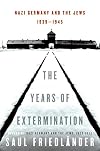
Friedlander successfully tackles the question "Why didn't anyone DO anything???" He frames the Holocaust in terms of a backlash against liberal society. Every class, government, and almost every church distrusted the Jews for what they thought the Jews stood for: Bolshevism (Hitler) Communism (the Vatican), international business (middle class Germans), moneyed professionals (struggling workers), etc. When Hitler's obsessive anti-Semitism set the match to the tinder, the conflagration began. show more This fascinating analysis is interspersed with moving diary entries by Jews and Nazis, whose ultimate fates Friedlander follows to the end. This is the most complete account of the Holocaust I've read. One caveat: keep Google nearby: the author refers to things well known to some ("the birthday telegram incident"?) but not to all readers. show less
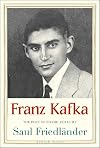
With this biography, Franz Kafka: The Poet of Shame and Guilt, Holocaust historian Saul Friedländer has joined the ranks of the revisionist critics. 180 pages in length, it is a slim volume written in a masterful and readable style that is in great part concentrated on "sexual matters"—especially Kafka's homosexual impulses. The author's theory is that Kafka was disgraced throughout his life by homosexual inclinations, and he provides a trail of evidence through Kafka's correspondence and show more diaries, emphasizing the differences between Brod's version and the newer critical versions. show less
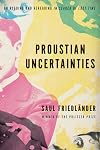
This is a personal approach to the work of Proust. The author provides fascinating insights that are underlined by his enthusiasm for the work of Proust. Organized topically with exploration of such areas as the narrator, time and death, memory, and forbidden love, this is a slight but worthwhile addition to Proust scholarship.
Lists
Awards


You May Also Like


Associated Authors
Statistics
- Works
- 52
- Also by
- 5
- Members
- 2,564
- Popularity
- #10,015
- Rating
- 4.0
- Reviews
- 22
- ISBNs
- 156
- Languages
- 12
- Favorited
- 4


