
Works by Paul Sexton
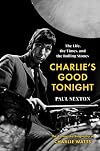
Charlie’s Good Tonight: The Life, the Times, and the Rolling Stones: The Authorized Biography of Charlie Watts (2022) 59 copies, 4 reviews
Associated Works
Tagged
Common Knowledge
There is no Common Knowledge data for this author yet. You can help.
Members
Reviews
Charlie’s Good Tonight: The Life, the Times, and the Rolling Stones: The Authorized Biography of Charlie Watts by Paul Sexton
Charlie Watts has always been my favourite Rolling Stone.
I enjoyed this biography, and it simply strengthened my resolve that Charlie Watts was interesting in that he was the literal antithesis of the stereotypical rock drummer. He was polite, dignified, kind, exceptionally well-dressed, and loyal to his wife from the day they met until the day he died.
In short, he was not the kind of guy who's going to make for a gripping, gritty biography. He was a fascinating collector, an man who raised show more championship horses, but never rode one, who collected classic cars, but didn't know how to drive, a drummer who's love was jazz, but made a living as one of the top rock drummers. He was just a really cool, understated man, who never craved the spotlight.
So, while it uncovered a lot of interesting aspects of Charlie, the biography is very much an "on this date" and "on this date" and "on this date" type of biography that relays a fair amount of information, but doesn't really dig much beneath the surface.
Which makes sense in this case, considering how private Charlie Watts was. show less
I enjoyed this biography, and it simply strengthened my resolve that Charlie Watts was interesting in that he was the literal antithesis of the stereotypical rock drummer. He was polite, dignified, kind, exceptionally well-dressed, and loyal to his wife from the day they met until the day he died.
In short, he was not the kind of guy who's going to make for a gripping, gritty biography. He was a fascinating collector, an man who raised show more championship horses, but never rode one, who collected classic cars, but didn't know how to drive, a drummer who's love was jazz, but made a living as one of the top rock drummers. He was just a really cool, understated man, who never craved the spotlight.
So, while it uncovered a lot of interesting aspects of Charlie, the biography is very much an "on this date" and "on this date" and "on this date" type of biography that relays a fair amount of information, but doesn't really dig much beneath the surface.
Which makes sense in this case, considering how private Charlie Watts was. show less
Charlie's Good Tonight is a biography of Charlie Watts, the legendary drummer for The Rolling Stones from their beginnings in 1962 through his death at the age of 80 in 2021. The author, Paul Sexton, is an English music journalist, documentary maker and radio producer who has interviewed the Stones musicians since the 1990s. He started working with Watts on this book several years before Watts' passing (from squamous-cell carcinoma). As the biography, then, was authorized by Watts, Watts' show more bandmates, family members and friends were willing to sit with Sexton for interviews as well.
This is a chatty and relatively well-written narrative about the life of a great musician. We learn a lot about who Charlie Watts was as a person, which is nice, as he was evidently a very nice guy for the most part. Watts' first musical love, and a love which lasted throughout his life, was jazz. Especially over the latter part of his life, Watts led several jazz bands, which he took on tour during lulls in the Stones' touring schedules. From the very beginning, Watts had nothing but boredom and disdain when it came to the trappings of rock and roll stardom. When his mates were partying, especially during the heady days of the 60s and 70s, Watts was generally in his hotel room on the phone with his wife, Shirley. Unusually for a rock and roll marriage, Watts' marriage to Shirley lasted from 1964 through their entire lives (Shirley died in 2022). They had one daughter and one grand-daughter, and a very strong family unit.
The drawback of the biography, as I experienced it anyway, is that there is precious little detail, especially little musical information, about the group's most famous period, those 60s and 70s albums when the Rolling Stones were breaking all sorts of musical ground and attaining a breathtaking level of musical excellence. We spend no time, via interviews, in the studio with the band during the creation of early hits like "Satisfaction," "Paint it Black" and "Get Off of My Cloud." The period that many fans consider the band's creative acme, when excellent lead guitarist Mick Taylor joined the group and they produced "Beggars' Banquet," "Sticky Fingers" and "Exile on Main Street," is described but rushed through. It isn't until later in the band's life, when their albums stayed good but were no longer groundbreaking, that we begin to get blow-by-blow details about the albums' writing and production and learn about the experience of touring in support of those albums. I suspect one issue here is the fact that Sexton doesn't really begin digging in until he gets to (or at least close to chronologically) the period of the band's life that he experienced personally. Another hurdle for Sexton was probably the fact that Watts claimed never to listen back to Rolling Stones albums once they were released. Still, questions about what it was like to be in the studio during the recording of "Satisfaction," or about how he came up with the iconic drum beat for "Paint it Black," for example, might have gotten some sort of interesting answers. We also don't learn, until about the book's 3/4 point, what it was about Watts' drumming, from a musician's point of view, that set him apart, and even then we get precious little. When I read a musician's biography, I do want to learn about what makes that person special as a musician. I'm not a musician myself, but I have spent quite a bit of time interviewing musicians, so I know that this can be done without descending into the kind of technical musical jargon that won't help most readers. Sexton seemed to think his readers would care more about dozens of pages about Watts' mania for antique collecting than about what made him a unique rock and roll percussion stylist. Even if Watts himself was reticent about such things, fellow Stones Mick Jagger, Keith Richards and Bill Wyman might have had much more to say on the topic. They are quoted fairly extensively, but mostly about what a great guy Watts was.
There is plenty that Sexton leaves out and/or that he assumes his readers already know, about the history of the band and even about Watts. The mid-career falling out between Jagger and Richards is alluded to but never explained. Why were they mad at each other? I guess the point is that anyone who'd read Richards' autobiography, or any number of Stones tell-all histories, would already know. I haven't read any of those and I'm unlikely to. Give us a hint, couldn't ya, Paul? Similarly, Watts' relatively late in life (his 40s) 5-year plunge into drug addiction is rushed through in three or four pages. What drugs was he on? How did it start? How did it all affect his family life? A mention and a couple of whispers is about all we get. It's not like I need to know gory details, but this is a biography after all.
Well, as I said up top, we do get a pretty good idea of what Charlie Watts was like as a person here. Basically, however, never, really, is heard a discouraging word on that score. So do we trust Sexton about this? The preponderance of evidence here, anyway, suggests we can. We also get, I think, a fairly good picture of what being a Rolling Stone was like for Watts. There are few "juicy" stories, but then I'd conjecture that writing a biography about the retiring, self-effacing, family man Rolling Stone was a relatively tough task. One thing it's nice to learn is, that Richards/Jagger squabble aside, what a close knit crew the Stones have remained with each other over the years. And also, not having read any other Rolling Stones-related bios or histories, what intelligent, thoughtful people Jagger, Richards and Wyman are. show less
This is a chatty and relatively well-written narrative about the life of a great musician. We learn a lot about who Charlie Watts was as a person, which is nice, as he was evidently a very nice guy for the most part. Watts' first musical love, and a love which lasted throughout his life, was jazz. Especially over the latter part of his life, Watts led several jazz bands, which he took on tour during lulls in the Stones' touring schedules. From the very beginning, Watts had nothing but boredom and disdain when it came to the trappings of rock and roll stardom. When his mates were partying, especially during the heady days of the 60s and 70s, Watts was generally in his hotel room on the phone with his wife, Shirley. Unusually for a rock and roll marriage, Watts' marriage to Shirley lasted from 1964 through their entire lives (Shirley died in 2022). They had one daughter and one grand-daughter, and a very strong family unit.
The drawback of the biography, as I experienced it anyway, is that there is precious little detail, especially little musical information, about the group's most famous period, those 60s and 70s albums when the Rolling Stones were breaking all sorts of musical ground and attaining a breathtaking level of musical excellence. We spend no time, via interviews, in the studio with the band during the creation of early hits like "Satisfaction," "Paint it Black" and "Get Off of My Cloud." The period that many fans consider the band's creative acme, when excellent lead guitarist Mick Taylor joined the group and they produced "Beggars' Banquet," "Sticky Fingers" and "Exile on Main Street," is described but rushed through. It isn't until later in the band's life, when their albums stayed good but were no longer groundbreaking, that we begin to get blow-by-blow details about the albums' writing and production and learn about the experience of touring in support of those albums. I suspect one issue here is the fact that Sexton doesn't really begin digging in until he gets to (or at least close to chronologically) the period of the band's life that he experienced personally. Another hurdle for Sexton was probably the fact that Watts claimed never to listen back to Rolling Stones albums once they were released. Still, questions about what it was like to be in the studio during the recording of "Satisfaction," or about how he came up with the iconic drum beat for "Paint it Black," for example, might have gotten some sort of interesting answers. We also don't learn, until about the book's 3/4 point, what it was about Watts' drumming, from a musician's point of view, that set him apart, and even then we get precious little. When I read a musician's biography, I do want to learn about what makes that person special as a musician. I'm not a musician myself, but I have spent quite a bit of time interviewing musicians, so I know that this can be done without descending into the kind of technical musical jargon that won't help most readers. Sexton seemed to think his readers would care more about dozens of pages about Watts' mania for antique collecting than about what made him a unique rock and roll percussion stylist. Even if Watts himself was reticent about such things, fellow Stones Mick Jagger, Keith Richards and Bill Wyman might have had much more to say on the topic. They are quoted fairly extensively, but mostly about what a great guy Watts was.
There is plenty that Sexton leaves out and/or that he assumes his readers already know, about the history of the band and even about Watts. The mid-career falling out between Jagger and Richards is alluded to but never explained. Why were they mad at each other? I guess the point is that anyone who'd read Richards' autobiography, or any number of Stones tell-all histories, would already know. I haven't read any of those and I'm unlikely to. Give us a hint, couldn't ya, Paul? Similarly, Watts' relatively late in life (his 40s) 5-year plunge into drug addiction is rushed through in three or four pages. What drugs was he on? How did it start? How did it all affect his family life? A mention and a couple of whispers is about all we get. It's not like I need to know gory details, but this is a biography after all.
Well, as I said up top, we do get a pretty good idea of what Charlie Watts was like as a person here. Basically, however, never, really, is heard a discouraging word on that score. So do we trust Sexton about this? The preponderance of evidence here, anyway, suggests we can. We also get, I think, a fairly good picture of what being a Rolling Stone was like for Watts. There are few "juicy" stories, but then I'd conjecture that writing a biography about the retiring, self-effacing, family man Rolling Stone was a relatively tough task. One thing it's nice to learn is, that Richards/Jagger squabble aside, what a close knit crew the Stones have remained with each other over the years. And also, not having read any other Rolling Stones-related bios or histories, what intelligent, thoughtful people Jagger, Richards and Wyman are. show less
Charlie's good tonight : the life, the times, and the Rolling Stones : the authorized biography of Charlie Watts by Paul Sexton
This biography of Rolling Stones' drummer Charlie Watts narrates the life of a man who was a walking contradiction: a car collector who didn't drive, a horse fancier who didn't ride, a Rolling Stone who rarely heard the group's music. Fans of the group will know him by reputation as a modest, unassuming, uxorious niceguy, something of an anti-Stone, along with Bill Wyman , the well-behaved Stone. As the author puts it, "if you're looking for controversy, you're looking under the wrong show more Stone". Yet the man did end up surprising me in several ways, notably that he was a talented artist who became the designer for the group when it needed stage sets or advice on its photography or various other of its "looks".
As for the book, it has little authorial voice, and is framed largely by interviews with Watts, his family and bandmates, and various musicians with whom he worked over the years both in the band and in the jazz career which was his first love. It's a real lovefest, both in the others' plaudits for Watts and his own opinions of others. It's a genial book, a hagiography really, but Watts deserves it as much as anybody. show less
As for the book, it has little authorial voice, and is framed largely by interviews with Watts, his family and bandmates, and various musicians with whom he worked over the years both in the band and in the jazz career which was his first love. It's a real lovefest, both in the others' plaudits for Watts and his own opinions of others. It's a genial book, a hagiography really, but Watts deserves it as much as anybody. show less

Charlie’s Good Tonight van Paul Sexton is de geautoriseerde biografie van Charlie Watts, de drummer van The Rolling Stones. Watts overleed op 24 augustus 2021 op 80-jarige leeftijd, op het moment dat ik de biografie van zijn frontman Mick Jagger aan het lezen was. Omdat ik ook de autobiografie van Stones-gitarist Keith Richards gelezen heb mocht deze niet in het rijtje ontbreken wat mij betreft.
De titel slaat op een uitspraak van Mick Jagger over Watts tijdens een concert in Madison Square show more Garden in New York in november 1969. Natuurlijk was hij goed, hij was dat altijd tijdens concerten en opnames. In al die tijd mistte hij maar één concert, iets dat uitgebreid beschreven wordt in dit boek.
Is dat zo bijzonder dan? Nee, en dat duidt meteen deze biografie. Het is geen dik boek, een kleine 330 pagina’s en verwacht u geen ontstaansgeschiedenis en beschrijving van de groep The Rolling Stones. Daar leest u beter de biografie van Mick Jagger voor. Dat zegt de auteur ook zelf. Dit gaat meer over de drummer Charlie Watts zelf en wat hem onderscheidde ten opzichte van zijn mede-bandleden.
Hij week namelijk in gedrag redelijk af van zijn kompanen. Als drummer kwam hij uit de jazz-wereld en daar lag zijn grote liefde wat muziek betreft. Daarvoor was hij nog werkzaam als grafisch ontwerper. Hij kon erg goed tekenen en heeft schetsboeken vol getekend van de meest gewone zaken op zijn tournees, meestal uit het interieur van zijn hotelkamer. Niet zelden als de rest aan het stappen was.
Maar even terug naar het begin. Charlie Watts begon ooit op een banjo maar vond al snel het drumstel als zijn instrument. Omdat hij kennismaakte met jazzmuziek en zich daarin ging bekwamen ging hij in bandjes spelen die al snel naam maakten. Mick Jagger, Keith Richards en Brian Jones vormden The Rolling Stones en zochten een drummer en kwamen bij Charlie Watts uit. Die hield niet per se van de muziek van The Stones maar hij liet zich overhalen in de veronderstelling dat het maar een tijdelijke baan was. Dat liep wat anders, hoewel Keith Richards nog wat sceptisch was;
‘Charlie swingt heel aardig, maar hij kan niet rocken. Wel een geweldige kerel…’ In zijn autobiografie Life, die uitkwam in 2010, voegt Keith eraan toe: “Op dat moment had hij rock-‘n-roll nog niet in de vingers. Ik wilde dat hij de drums wat harder zou raken. Hij was nog te veel jazz voor mij.’
Het kwam goed en in het boek staan ook voorbeelden waarin die jazz-achtergrond weer luid werd bejubeld. Watts zou naast Jagger en Richards een vaste waarde in de groep worden, anders dan de (bas)gitaristen die met Brian Jones, Bil Wyman en Mick Taylor een wisselende bezetting kenden. Ron Wood vulde de leemte later aan als gitarist. Een boek als dit geeft wel een inkijkje in hoe de grote successen werden beleefd, in dit geval door Watts. Hij zei over de succesvolle tournees die steeds weer op het programma stonden;
‘…Ik haat het. Ik heb het altijd gehaat,’ zei hij zonder wrok. Mijn idee van werken is dat je opstaat en de straat oversteekt naar de club van Ronnie Scott, tot drie uur ’s nachts speelt, naar huis gaat en in je bed kruipt. Dat is voor mij een baan hebben. Het gedoe rond de twee uur durende optredens in het Wembley Stadium heb ik nooit leuk gevonden. Het is geweldig om te dóén. Het is een geweldig gevoel dat zoveel mensen naar je komen kijken.
Waar zijn bandleden behoorlijk wat relaties versleten bleef Watts altijd getrouwd met zijn grote liefde Shirley Ann Shepherd. Op een paar jaar na heeft hij zich nooit bezondigd aan grote uitspattingen op het gebied van drank en drugs. Die paar jaar bevielen hem slecht en hij bleef er op eigen kracht van af.
Hij verdiende grote sommen geld en besteedde dat in grote bedragen aan zijn liefhebberijen. Die komen uitgebreid aan bod in dit boek. Hij was een liefhebber van kleding en stoffen. Hij zag er altijd goed verzorgd uit en besteedde veel geld aan pakken en schoenen. Op tournee kwam hij rustig een uur eerder zijn bed uit om een paar nieuwe schoenen in te lopen.
Ook was hij een liefhebber van kunst en geschiedenis. Hij had een verzameling antieke wapens en een klein museum met voorwerpen uit de Amerikaanse Burgeroorlog. Hoewel hij geen rijbewijs had verzamelde hij auto’s enkel en alleen voor het design. Samen met zijn vrouw begon hij een stoeterij met Arabische volbloeden. Van die dingen genoot hij én hij genoot van zijn familie; zijn vrouw, dochter en later van zijn kleindochter.
Die laatste, Charlotte, ging net als haar moeder vaak mee op tournee met The Rolling Stones en was wel iets gewend maar door haar ogen krijg je toch iets mee van hoe groot de band was. Gastoptredens tijdens de 50 & Counting Tour waren van een hoog kaliber, zoals Ike & Tina Turner, B.B. King en Stevie Wonder. Er waren gastoptredens van Bruce Springsteen, Katy Perry, Taylor Swift en iemand die tiener Charlotte het ware perspectief liet zien;
‘Toen ik in 2012 het jubileumconcert in New Jersey bezocht, verzorgde Lady Gaga het gastoptreden,’ vertelt ze. ‘Ik was opgegroeid terwijl ze haar intrede deed, en ze was de grootste artiest ter wereld. Dat was mijn generatie. En doordat zij een gastoptreden deed dacht ik: aha, oké. Het is heel wat groter dan ik besefte…Ik dacht: hoe bedoel je, Lady Gaga heeft een trailer aan de rand van het terrein, terwijl pa een eigen kleedkamer heeft! Hoe zit dat?! Oké, nú snap ik het.’
Voor de goede orde, Charlotte noemde Charlie Watts ‘pa’, net als haar moeder Seraphina dat deed. Het zijn leuke inkijkjes in de wereld van een Stones-lid waar ik niet zoveel van wist.
Charlie Watts overleed in 2021. De doodsoorzaak staat ook niet in het boek genoemd, net als dat die niet in het nieuws kwam. Zijn geliefde vrouw Shirley Ann overleed onlangs pas, op 16 december 2022.
Is dit een onmisbare biografie? Nee, dat niet. Leuk voor de liefhebber van de muziek van The Rolling Stones en de leden van de band en daarmee vond ik het een prima boek. Het enige minpunt vond ik het voorwoord van zowel Keith Richards als dat van Mick Jagger. Korte, plichtmatige en ongeïnspireerde verhaaltjes. Ik snap dat je er als auteur mee wil pronken op de kaft (en daarmee staat er een hoop tekst op de voorkant) maar deze verhaaltjes voegen niets toe.
Vertaling: Karin de Haas show less
De titel slaat op een uitspraak van Mick Jagger over Watts tijdens een concert in Madison Square show more Garden in New York in november 1969. Natuurlijk was hij goed, hij was dat altijd tijdens concerten en opnames. In al die tijd mistte hij maar één concert, iets dat uitgebreid beschreven wordt in dit boek.
Is dat zo bijzonder dan? Nee, en dat duidt meteen deze biografie. Het is geen dik boek, een kleine 330 pagina’s en verwacht u geen ontstaansgeschiedenis en beschrijving van de groep The Rolling Stones. Daar leest u beter de biografie van Mick Jagger voor. Dat zegt de auteur ook zelf. Dit gaat meer over de drummer Charlie Watts zelf en wat hem onderscheidde ten opzichte van zijn mede-bandleden.
Hij week namelijk in gedrag redelijk af van zijn kompanen. Als drummer kwam hij uit de jazz-wereld en daar lag zijn grote liefde wat muziek betreft. Daarvoor was hij nog werkzaam als grafisch ontwerper. Hij kon erg goed tekenen en heeft schetsboeken vol getekend van de meest gewone zaken op zijn tournees, meestal uit het interieur van zijn hotelkamer. Niet zelden als de rest aan het stappen was.
Maar even terug naar het begin. Charlie Watts begon ooit op een banjo maar vond al snel het drumstel als zijn instrument. Omdat hij kennismaakte met jazzmuziek en zich daarin ging bekwamen ging hij in bandjes spelen die al snel naam maakten. Mick Jagger, Keith Richards en Brian Jones vormden The Rolling Stones en zochten een drummer en kwamen bij Charlie Watts uit. Die hield niet per se van de muziek van The Stones maar hij liet zich overhalen in de veronderstelling dat het maar een tijdelijke baan was. Dat liep wat anders, hoewel Keith Richards nog wat sceptisch was;
‘Charlie swingt heel aardig, maar hij kan niet rocken. Wel een geweldige kerel…’ In zijn autobiografie Life, die uitkwam in 2010, voegt Keith eraan toe: “Op dat moment had hij rock-‘n-roll nog niet in de vingers. Ik wilde dat hij de drums wat harder zou raken. Hij was nog te veel jazz voor mij.’
Het kwam goed en in het boek staan ook voorbeelden waarin die jazz-achtergrond weer luid werd bejubeld. Watts zou naast Jagger en Richards een vaste waarde in de groep worden, anders dan de (bas)gitaristen die met Brian Jones, Bil Wyman en Mick Taylor een wisselende bezetting kenden. Ron Wood vulde de leemte later aan als gitarist. Een boek als dit geeft wel een inkijkje in hoe de grote successen werden beleefd, in dit geval door Watts. Hij zei over de succesvolle tournees die steeds weer op het programma stonden;
‘…Ik haat het. Ik heb het altijd gehaat,’ zei hij zonder wrok. Mijn idee van werken is dat je opstaat en de straat oversteekt naar de club van Ronnie Scott, tot drie uur ’s nachts speelt, naar huis gaat en in je bed kruipt. Dat is voor mij een baan hebben. Het gedoe rond de twee uur durende optredens in het Wembley Stadium heb ik nooit leuk gevonden. Het is geweldig om te dóén. Het is een geweldig gevoel dat zoveel mensen naar je komen kijken.
Waar zijn bandleden behoorlijk wat relaties versleten bleef Watts altijd getrouwd met zijn grote liefde Shirley Ann Shepherd. Op een paar jaar na heeft hij zich nooit bezondigd aan grote uitspattingen op het gebied van drank en drugs. Die paar jaar bevielen hem slecht en hij bleef er op eigen kracht van af.
Hij verdiende grote sommen geld en besteedde dat in grote bedragen aan zijn liefhebberijen. Die komen uitgebreid aan bod in dit boek. Hij was een liefhebber van kleding en stoffen. Hij zag er altijd goed verzorgd uit en besteedde veel geld aan pakken en schoenen. Op tournee kwam hij rustig een uur eerder zijn bed uit om een paar nieuwe schoenen in te lopen.
Ook was hij een liefhebber van kunst en geschiedenis. Hij had een verzameling antieke wapens en een klein museum met voorwerpen uit de Amerikaanse Burgeroorlog. Hoewel hij geen rijbewijs had verzamelde hij auto’s enkel en alleen voor het design. Samen met zijn vrouw begon hij een stoeterij met Arabische volbloeden. Van die dingen genoot hij én hij genoot van zijn familie; zijn vrouw, dochter en later van zijn kleindochter.
Die laatste, Charlotte, ging net als haar moeder vaak mee op tournee met The Rolling Stones en was wel iets gewend maar door haar ogen krijg je toch iets mee van hoe groot de band was. Gastoptredens tijdens de 50 & Counting Tour waren van een hoog kaliber, zoals Ike & Tina Turner, B.B. King en Stevie Wonder. Er waren gastoptredens van Bruce Springsteen, Katy Perry, Taylor Swift en iemand die tiener Charlotte het ware perspectief liet zien;
‘Toen ik in 2012 het jubileumconcert in New Jersey bezocht, verzorgde Lady Gaga het gastoptreden,’ vertelt ze. ‘Ik was opgegroeid terwijl ze haar intrede deed, en ze was de grootste artiest ter wereld. Dat was mijn generatie. En doordat zij een gastoptreden deed dacht ik: aha, oké. Het is heel wat groter dan ik besefte…Ik dacht: hoe bedoel je, Lady Gaga heeft een trailer aan de rand van het terrein, terwijl pa een eigen kleedkamer heeft! Hoe zit dat?! Oké, nú snap ik het.’
Voor de goede orde, Charlotte noemde Charlie Watts ‘pa’, net als haar moeder Seraphina dat deed. Het zijn leuke inkijkjes in de wereld van een Stones-lid waar ik niet zoveel van wist.
Charlie Watts overleed in 2021. De doodsoorzaak staat ook niet in het boek genoemd, net als dat die niet in het nieuws kwam. Zijn geliefde vrouw Shirley Ann overleed onlangs pas, op 16 december 2022.
Is dit een onmisbare biografie? Nee, dat niet. Leuk voor de liefhebber van de muziek van The Rolling Stones en de leden van de band en daarmee vond ik het een prima boek. Het enige minpunt vond ik het voorwoord van zowel Keith Richards als dat van Mick Jagger. Korte, plichtmatige en ongeïnspireerde verhaaltjes. Ik snap dat je er als auteur mee wil pronken op de kaft (en daarmee staat er een hoop tekst op de voorkant) maar deze verhaaltjes voegen niets toe.
Vertaling: Karin de Haas show less
Awards

You May Also Like
Associated Authors
Statistics
- Works
- 2
- Also by
- 1
- Members
- 68
- Popularity
- #253,410
- Rating
- 3.8
- Reviews
- 4
- ISBNs
- 18
- Languages
- 2