
Pete Docter
Author of WALL-E [2008 film]
About the Author
Pete Docter has been with Pixar Animation Studios since 1990. He is the director of "Monsters, Inc". (Bowker Author Biography)
Image credit: wikimedia.org
Series
Works by Pete Docter
The Art of Up 2 copies
A Bug's Life / Monsters Inc. / Chicken Little — Director — 1 copy
Inside Out [dvd] 1 copy
Monsters, Inc. [dvd] 1 copy
Associated Works
Tagged
Common Knowledge
- Birthdate
- 1968-10-09
- Gender
- male
- Occupations
- film director
producer
screenwriter
animator - Nationality
- USA
- Birthplace
- Bloomington, Minnesota, USA
- Associated Place (for map)
- Minnesota, USA
Members
Reviews
Soul by Pete Docter
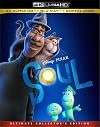
A rather touching film, it was nice to see relationships and psychology explored. It might be a bit much for some people because this movie has an afterlife (and pre-life) which some religious people probably won't be comfortable with, but I thought it was a great movie and just one way to look at life beyond biological life.
Up by Pete Docter
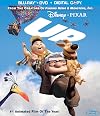
Low-key for a Pixar film, this one builds to a truly moving climax. Not a kiddie film by any means. Like the most successful Pixar films, it succeeds because it has heart and soul to go along with the marvelous animation.
Up by Pete Docter

Carl Fredericksen is a 78-year-old curmudgeon. He used to enjoy his modest life as a balloon seller when his adventure-loving wife Ellie was still alive. When she died, Carl was left with his memories and the awareness that they never made their dream journey to Paradise Falls in South America. When well-meaning officials consign Carl to Shady Oaks Retirement Home, he rigs thousands of helium balloons to his house and floats away. He discovers that Russell, a chubby Wilderness Explorer Scout show more has stowed away. In the tropical jungle, Carl and Russell find more than they bargained for. Charles Muntz is a crazed explorer whose newsreels once inspired Carl and Ellie; Kevin is an exotic bird with a weakness for chocolate; and Dug is an endearingly golden retriever fitted with a voice box. More importantly, Carl and Russell discover they need each other. show less

When Riley was born, a place inside her manifested beings that each control one of five basic emotions: Joy, Anger, Fear, Disgust, and Sadness. Each of these being loves Riley and wants what's best for her. The very first emotion to manifest was Joy, and it is Joy who generally dominates Riley's control room.
When Riley is 11, her dad's job leads to the family moving from Minnesota, where she had lots of good memories, friends, a nice house, and hockey, to San Francisco. From the very show more beginning, it isn't a good experience. Their new house is crammed in between other buildings, doesn't have a yard, looks shabby, and has a dead mouse on the floor. The moving truck is going to be several days late. But Joy is Riley's dominant emotion, and so she tries to make the best of things. However, something strange is going on. For some reason Sadness keeps accidentally affecting Riley's memories, including the most sacred ones of all, her core memories, the ones that define who she is.
I didn't go see this when it was in theaters, mostly because the previews made it difficult to tell what it was even about. But I kept hearing good things about it, so when it came out on DVD I decided to buy the bare bones "hardly any extras" version so I could give it a shot.
I don't know that I'll ever want to rewatch it, but it was still very good, an excellent representation of a young girl trying to process her emotions and deal with depression in the midst of changes in her life. There were basically two interconnected stories: what Riley was going through, and what Joy and the other emotions were going through as they tried to keep Riley's inner world functional.
Joy, as Riley's more dominant emotion, wanted Riley to be happy all the time. She understood the need for Disgust, Anger, and Fear, but Sadness just seemed useless and negative to her, not useful to Riley's well-being at all. Part of Joy's journey was discovering that Sadness did indeed have a purpose, and that it wasn't necessarily a bad thing if Riley's emotional world became a little more complex.
I found the way the movie represented emotions to be fascinating, and I wish longer glimpses had been provided of other characters' emotional control rooms. Did people's emotional control rooms and staff change over time? The end of the movie seemed to indicate that the rooms themselves probably did change, but I was less certain about the staff. For example, I think only some of the kid characters had mixed gender emotions, while all of the adults had single gender. Did the gender of the emotions change as their people got older or something? (And, if so, that's kind of messed up.) Was Riley's mom born with Sadness as her dominant emotion, and her dad with Anger? I'd assume that meant that Riley's mom struggled with depression when she was younger, and her dad probably had anger management issues, but in terms of their behavior in the movie it seemed as though their primary emotions, too, must have learned to share the driver's seat more, just like Riley's Joy.
The animation took a little getting used to. The humans were fine - it was the emotions that bugged me a bit, until I got used to it. Their skin wasn't like human skin - it reminded me of felt-covered plastic (or whatever the plastic some little toy animals are made of is called). And their hair looked weirdly synthetic. But like I said, I got used to it.
Despite my issues with parts of it, this was a good movie overall and I'm glad I finally watched it.
Extras:
Like I said, I bought the bare bones edition. The only extras it came with were commentary, which I didn't listen to, and a short film called "Lava," about a lonely volcano that sang in the hope of one day finding love. The short wasn't terrible, but it's definitely not one of my favorites.
(Original review posted on A Library Girl's Familiar Diversions.) show less
When Riley is 11, her dad's job leads to the family moving from Minnesota, where she had lots of good memories, friends, a nice house, and hockey, to San Francisco. From the very show more beginning, it isn't a good experience. Their new house is crammed in between other buildings, doesn't have a yard, looks shabby, and has a dead mouse on the floor. The moving truck is going to be several days late. But Joy is Riley's dominant emotion, and so she tries to make the best of things. However, something strange is going on. For some reason Sadness keeps accidentally affecting Riley's memories, including the most sacred ones of all, her core memories, the ones that define who she is.
I didn't go see this when it was in theaters, mostly because the previews made it difficult to tell what it was even about. But I kept hearing good things about it, so when it came out on DVD I decided to buy the bare bones "hardly any extras" version so I could give it a shot.
I don't know that I'll ever want to rewatch it, but it was still very good, an excellent representation of a young girl trying to process her emotions and deal with depression in the midst of changes in her life. There were basically two interconnected stories: what Riley was going through, and what Joy and the other emotions were going through as they tried to keep Riley's inner world functional.
Joy, as Riley's more dominant emotion, wanted Riley to be happy all the time. She understood the need for Disgust, Anger, and Fear, but Sadness just seemed useless and negative to her, not useful to Riley's well-being at all. Part of Joy's journey was discovering that Sadness did indeed have a purpose, and that it wasn't necessarily a bad thing if Riley's emotional world became a little more complex.
I found the way the movie represented emotions to be fascinating, and I wish longer glimpses had been provided of other characters' emotional control rooms. Did people's emotional control rooms and staff change over time? The end of the movie seemed to indicate that the rooms themselves probably did change, but I was less certain about the staff. For example, I think only some of the kid characters had mixed gender emotions, while all of the adults had single gender. Did the gender of the emotions change as their people got older or something? (And, if so, that's kind of messed up.) Was Riley's mom born with Sadness as her dominant emotion, and her dad with Anger? I'd assume that meant that Riley's mom struggled with depression when she was younger, and her dad probably had anger management issues, but in terms of their behavior in the movie it seemed as though their primary emotions, too, must have learned to share the driver's seat more, just like Riley's Joy.
The animation took a little getting used to. The humans were fine - it was the emotions that bugged me a bit, until I got used to it. Their skin wasn't like human skin - it reminded me of felt-covered plastic (or whatever the plastic some little toy animals are made of is called). And their hair looked weirdly synthetic. But like I said, I got used to it.
Despite my issues with parts of it, this was a good movie overall and I'm glad I finally watched it.
Extras:
Like I said, I bought the bare bones edition. The only extras it came with were commentary, which I didn't listen to, and a short film called "Lava," about a lonely volcano that sang in the hope of one day finding love. The short wasn't terrible, but it's definitely not one of my favorites.
(Original review posted on A Library Girl's Familiar Diversions.) show less
Lists
Awards


You May Also Like


Associated Authors
Statistics
- Works
- 23
- Also by
- 6
- Members
- 4,668
- Popularity
- #5,401
- Rating
- 4.2
- Reviews
- 45
- ISBNs
- 75
- Languages
- 9