
Timothy Darvill (–2024)
Author of The Concise Oxford Dictionary of Archaeology
About the Author
Timothy Darvill is Professor of Archaeology and Director of the Centre for Archaeology, Anthropology, and Heritage in the School of Conservation Sciences, Bournemouth University. His research interests focus on the prehistory of northwest Europe and he has excavated at Stonehenge, Wiltshire, as show more well as in other parts of England, Wales, the Isle of Man, Greece, and Russia. Among his many publications are The Concise Oxford Dictionary of Archaeology (2008) and Stonehenge: The Biography of a Landscape (2006). show less
Series
Works by Timothy Darvill
England: An Archaeological Guide to Sites from Earliest Times to AD 1600 (2002) — Author — 65 copies
Standing with Stones: A Photographic Journey through Megalithic Britain and Ireland (2009) — Foreword — 65 copies, 1 review
Prehistoric Britain from the Air: A Study of Space, Time and Society (Cambridge Air Surveys) (1996) 12 copies
Making English Landscapes ... (Bournemouth University School of Conservation Sciences Occasional Papers) (1997) 5 copies
Open-air rock-art conservation and management : state of the art and future perspectives (2014) 4 copies
Associated Works
Paradigm Found: Archaeological Theory - Present, Past and Future. Essays in Honour of Evzen Neustupny (2015) — Contributor — 3 copies
The Antiquaries Journal, being the Journal of the Society of Antiquaries of London, volume 83, 2003 (2003) — Contributor — 2 copies
Tagged
Common Knowledge
- Date of death
- 2024-10-05
- Gender
- male
- Occupations
- archaeologist
Members
Reviews
Standing with Stones: A Photographic Journey through Megalithic Britain and Ireland by Rupert Soskin
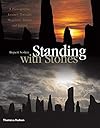
Although I read this book in 2023, rereading it in 2026 was again thrilling for the revealing photos by the author Rupert Soskin and a little more of my understanding of the locations in Britain, not my native land. He starts at southernmost England and progresses north to the Scottish isles with beautiful photos and a little commentary., which piqued my interst for further research. The author who makes no claim to be an academic. I recommend the book to any lay person who wants to know show more more about Europe’s prehistoric monuments.
Only now I realized a complementary video was produced: Standing with Stones. After watching it on YouTube I have ordered the DVD. The video adds more scale and details to the text, not to mention a kinetic map, while the book offers its own reveals and delights in still form for lingering study. show less
Only now I realized a complementary video was produced: Standing with Stones. After watching it on YouTube I have ordered the DVD. The video adds more scale and details to the text, not to mention a kinetic map, while the book offers its own reveals and delights in still form for lingering study. show less
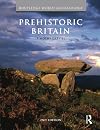
This is an encyclopedic account of Britain’s archaeology (mainland Britain – there’s very little mention of Ireland) from the earliest human arrivals to the Roman invasion. As such, I imagine this is an useful reference work for the professional or amateur archaeologist.
However, Darvill rarely speculates beyond the facts and description; there are no easy-to-follow stories and neat conclusions, so it was heavy going for the interested lay person like myself. Having said that, it turned show more out to be well-worth persevering, as I gradually found myself getting enthralling glimpses into remote and unimagined worlds.
Rather sobering is the difference between what is known now and what I was taught so long ago at school. Apart from the whole subject being much more complex than I’d thought, clearly some of these long-ago cultures were more complex and ‘advanced’ than I’d thought, too.
The reader is left with as many questions as answers – that, of course, is exactly what the archaeology gives us – it’s frustrating to be given so much while, at the same time, more and more realising how little we know of these remote ancestors. It’s a fascinating book, though. I shall certainly read it through again – it’s a lot to grasp at one reading. I shall certainly be consulting it on a regular basis, too. show less
However, Darvill rarely speculates beyond the facts and description; there are no easy-to-follow stories and neat conclusions, so it was heavy going for the interested lay person like myself. Having said that, it turned show more out to be well-worth persevering, as I gradually found myself getting enthralling glimpses into remote and unimagined worlds.
Rather sobering is the difference between what is known now and what I was taught so long ago at school. Apart from the whole subject being much more complex than I’d thought, clearly some of these long-ago cultures were more complex and ‘advanced’ than I’d thought, too.
The reader is left with as many questions as answers – that, of course, is exactly what the archaeology gives us – it’s frustrating to be given so much while, at the same time, more and more realising how little we know of these remote ancestors. It’s a fascinating book, though. I shall certainly read it through again – it’s a lot to grasp at one reading. I shall certainly be consulting it on a regular basis, too. show less
La bibliomania è una patologia complessa che studia i processi morbosi dell'amore per i libri e come tale va sotto il nome di patologia generale. Ma può anche manifestarsi in molti altri diversi aspetti, e quindi per singole sottomalattie e va classificata come patologia speciale. Il bibliomane non si definisce tale soltanto per la sua mania di raccogliere libri antichi, moderni o rari ma anche in manie per così dire collaterali, quali possono essere gli innumerevoli rami del show more collezionismo legato al vasto mondo dei libri. Opuscoli, depliant, cataloghi, guide, cartoline, fotografie, brochure, manifesti, pieghevoli, biglietti ed altre realizzazioni tipografiche del genere possono tutte ruotare intorno al mondo del libro, alimentarne le idee, fissare i ricordi, accompagnare l’esistenza di ogni bibliomane o semplice amante e lettore, collezionista di libri. Tra le innumerevoli carte di questo genere che ho raccolto nel corso degli anni a seguito di visite a biblioteche, musei, gallerie, mostre, esibizioni, in città piccole o grandi, in Italia o all’estero, carte con le quali ho letteralmente riempito cassetti e scaffali della mia libreria, ho pescato un libro pagato due sterline e 95 pence in una libreria inglese denominata “West country Books” alla fine degli anni ottanta.
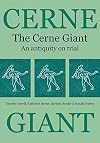
In poco più di una cinquantina di pagine l’autore che è anche un fotografo ci parla di un gigante che appare sulla collina di una bella contea in Inghilterra. Il gigante di Cerne è una figura dalle origini controverse, tagliata in una collina a gesso a nord del villaggio diCerne Abbas, nella regione del Dorset. E’ collocato in un’area di 55 metri quadri, scavato nel terreno di gesso per circa 30 cm. Alcune fonti dicono che la figura risale al periodo romano-britannico, altri la fanno risalire al XVI secolo. E’ la figura colossale di un uomo nudo, un gigante con una enorme clava nella mano destra e con un altrettanto enorme pene che si leva verso l’altro in piena erezione. E’ visibile a grande distanza e si affaccia sulla valle che porta il suo nome. Ai suoi piedi c’è il villaggio che ospita un’antica abbazia. La figura è intagliata nel terreno per circa mezzo metro e nel corso dei secoli questi canali sono stati costantemente ripuliti in maniera da ostacolare la crescita di erbacce che nascondessero la figura riprodotta sul terreno. Durante l’ultima guerra questi canali vennero ricoperti da vegetazione per oscurarne la vista dall’alto agli aerei tedeschi che sorvolavano la zona per andare a bombardare la vicina città di Bristol.
Sono state fatte varie ipotesi sulla storia di questo gigante. Alcuni studiosi hanno avanzato l’idea che fosse raffigurata una divinità celtica, il dio Nodone. Altri, tra i quali anche l’autore del libretto, sostengono che il gigante non sia altro che la divinità romana Ercole. Altri ancora sostengono che sia il nome del fiume che scorre nella valle sottostante, il Cernunnos. Comunque sia il gigante ha resistito nei secoli e attira ancora l’attenzione di numerosi turisti i quali quando si fermano ad osservare il gigante visitano anche l’abbazia del villaggio. L’attrazione scenografica maggiore è ovviamente quella che la gente riserva agli attributi sessuali del gigante. L’autore del libretto afferma che l’organo ha una lunghezza di 22 piedi, vale a dire 6 metri e rotti cm. Se si contano anche i testicoli arriviamo ad una grandezza totale del fallo di trenta piedi, oltre nove metri.
Le rappresentazioni falliche erano manifestazioni piuttosto diffuse nella cultura celtica delle Isole Britanniche come del resto anche nel mondo romano. Non c’era nulla di offensivo o di osceno in queste scene basti pensare che erano in uso diffuso lampade ad olio fatte a forma di fallo. Del resto questo organo così importante resta il simbolo della fertilità. Fino alla fine del secolo scorso gli abitanti del posto credevano che fare l’amore nei pressi del fallo del gigante favorisse la fertilità delle donne. Una versione più raffinata e gentile di questa leggenda è quella che vuole che le ragazze in amore potessero assicurarsi la loro fertilità sedendosi soltanto sulla collina nei pressi del gigante. Potenza ed importanza dei simboli! https://goo.gl/Qgwp89 show less
In poco più di una cinquantina di pagine l’autore che è anche un fotografo ci parla di un gigante che appare sulla collina di una bella contea in Inghilterra. Il gigante di Cerne è una figura dalle origini controverse, tagliata in una collina a gesso a nord del villaggio diCerne Abbas, nella regione del Dorset. E’ collocato in un’area di 55 metri quadri, scavato nel terreno di gesso per circa 30 cm. Alcune fonti dicono che la figura risale al periodo romano-britannico, altri la fanno risalire al XVI secolo. E’ la figura colossale di un uomo nudo, un gigante con una enorme clava nella mano destra e con un altrettanto enorme pene che si leva verso l’altro in piena erezione. E’ visibile a grande distanza e si affaccia sulla valle che porta il suo nome. Ai suoi piedi c’è il villaggio che ospita un’antica abbazia. La figura è intagliata nel terreno per circa mezzo metro e nel corso dei secoli questi canali sono stati costantemente ripuliti in maniera da ostacolare la crescita di erbacce che nascondessero la figura riprodotta sul terreno. Durante l’ultima guerra questi canali vennero ricoperti da vegetazione per oscurarne la vista dall’alto agli aerei tedeschi che sorvolavano la zona per andare a bombardare la vicina città di Bristol.
Sono state fatte varie ipotesi sulla storia di questo gigante. Alcuni studiosi hanno avanzato l’idea che fosse raffigurata una divinità celtica, il dio Nodone. Altri, tra i quali anche l’autore del libretto, sostengono che il gigante non sia altro che la divinità romana Ercole. Altri ancora sostengono che sia il nome del fiume che scorre nella valle sottostante, il Cernunnos. Comunque sia il gigante ha resistito nei secoli e attira ancora l’attenzione di numerosi turisti i quali quando si fermano ad osservare il gigante visitano anche l’abbazia del villaggio. L’attrazione scenografica maggiore è ovviamente quella che la gente riserva agli attributi sessuali del gigante. L’autore del libretto afferma che l’organo ha una lunghezza di 22 piedi, vale a dire 6 metri e rotti cm. Se si contano anche i testicoli arriviamo ad una grandezza totale del fallo di trenta piedi, oltre nove metri.
Le rappresentazioni falliche erano manifestazioni piuttosto diffuse nella cultura celtica delle Isole Britanniche come del resto anche nel mondo romano. Non c’era nulla di offensivo o di osceno in queste scene basti pensare che erano in uso diffuso lampade ad olio fatte a forma di fallo. Del resto questo organo così importante resta il simbolo della fertilità. Fino alla fine del secolo scorso gli abitanti del posto credevano che fare l’amore nei pressi del fallo del gigante favorisse la fertilità delle donne. Una versione più raffinata e gentile di questa leggenda è quella che vuole che le ragazze in amore potessero assicurarsi la loro fertilità sedendosi soltanto sulla collina nei pressi del gigante. Potenza ed importanza dei simboli! https://goo.gl/Qgwp89 show less
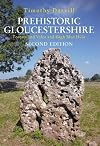
A much earlier edition I have read. From Senate House.
Lists
Awards

You May Also Like


Associated Authors
Statistics
- Works
- 31
- Also by
- 7
- Members
- 443
- Popularity
- #55,290
- Rating
- 3.8
- Reviews
- 4
- ISBNs
- 55
- Languages
- 1