
Max Eilenberg
Author of Beauty and the Beast
Works by Max Eilenberg
Tagged
Common Knowledge
Members
Reviews

This astonishingly beautiful book has managed to unseat Marianna and Mercer Mayer's lovely Beauty and the Beast as my very favorite retelling of this favorite story, and has, since I first picked it up a few years back, joined the company of those select fairy-tale adaptations - Vladyslav Yerko's The Snow Queen, Yvonne Gilbert's The Wild Swans, Sulamith Wülfing's The Little Mermaid - that I consider masterpieces of the genre. Everything about it, from Max Eilenberg's evocative expansion of show more the original tale, to Angela Barrett's intensely beautiful illustrations, draws the reader in: in to a world of mystery, enchantment and terror.
Fairy-tales may be beautiful, but they are rarely (unless violently assaulted by the likes of Disney) pretty, and while they frequently end with "happily ever after," it is the terror that precedes that ending which gives them their power, and allows them to speak to us still, so many years after being first put to paper. That darker side is very evident in Eilenberg's text, which places the tale in a nineteenth-century setting, explores the merchant's weaknesses (and I don't just mean the fateful plucking of the rose), and makes the Beast a truly horrifying creature. So many versions of this story envision the Beast as a man who happens to be in animal form. One always get the sense, from both narrative and artwork, that his "beastness" is something of a costume: something that he has put on, and will eventually (all going as expected) shed. Here, it seems much more a part of who he is, perhaps because the author isn't afraid, not just to make him fearsome, but to make him loathsome, with "claws dragging across the floor with a screech that set her (Beauty's) teeth on edge," and "a voice so hoarse it hurt her to listen."
Just as the terror is sharper in Eilenberg's narrative, so too are the emotions deeper, and more true. The language employed is richly descriptive and immensely satisfying, culminating in the haunting scene in which Beauty believes that she has lost her Beast: "Beauty was sobbing uncontrollably now. She had found love and lost it, and it was so much more than she had ever imagined, and the pain was unbearable. He was ugly, but he was beautiful - the most beautiful thing she had ever known - and now she couldn't tell him how much she loved his eyes and his mouth and his crooked nose, his shy kindness and the way he walked and his huge hands, because he had slipped away. 'I love you,' she cried, and her eyes were swimming with tears and the white snow was dazzling and he had gone. 'I love you,' she repeated, as if words would bring him back when the world was melting with grief and her heart bursting with pain, and it was too late and she felt herself slipping down and dissolving into sorrow." Of course, words do dissolve sorrow, and bring love back, and that is the second great strength of fairy-tales - that enchantment is made real, through language, and that the enchantment of language itself is made plain.
Eilenberg's narrative skillfully captures both the terror and wonder, inextricably bound together, of this tale, just as Angela Barrett brings them into the seen world, with her superlative artwork! I have long been an admirer of her fairy-tale illustrations - her Snow White is one of my favorite retellings of that story - and she does not disappoint here. There is always a sense of mystery and menace in her work - she does dark and eerie very well - even when the subject is ostensibly cheerful, and that quality makes her ideally suited to paint this particular tale. The multi-paneled page on which the Beast lurks, his tail stretched out behind him, over in the left-hand panel, as Beauty enjoys her days at his palace in some of the other panels, manages to convey a sense of lurking menace - a menace made all the more powerful for being embedded in a lovely montage of scenes in which Beauty appears to be enjoying herself. This sense of menace is more overtly depicted in the scene in which Beauty meets the Beast for the first time, gazing up at his impossibly imposing figure. Whether looking at a two-page spread - the gorgeous view of the castle, across the snow! Beauty, flung across an unconscious Beast! - a single-page painting, or her smaller inset and border illustrations, Barrett's artwork is simply mesmerizing! Truly, this Beauty and the Beast is both a visual and textual feast - I don't know how to recommend it highly enough! show less
Fairy-tales may be beautiful, but they are rarely (unless violently assaulted by the likes of Disney) pretty, and while they frequently end with "happily ever after," it is the terror that precedes that ending which gives them their power, and allows them to speak to us still, so many years after being first put to paper. That darker side is very evident in Eilenberg's text, which places the tale in a nineteenth-century setting, explores the merchant's weaknesses (and I don't just mean the fateful plucking of the rose), and makes the Beast a truly horrifying creature. So many versions of this story envision the Beast as a man who happens to be in animal form. One always get the sense, from both narrative and artwork, that his "beastness" is something of a costume: something that he has put on, and will eventually (all going as expected) shed. Here, it seems much more a part of who he is, perhaps because the author isn't afraid, not just to make him fearsome, but to make him loathsome, with "claws dragging across the floor with a screech that set her (Beauty's) teeth on edge," and "a voice so hoarse it hurt her to listen."
Just as the terror is sharper in Eilenberg's narrative, so too are the emotions deeper, and more true. The language employed is richly descriptive and immensely satisfying, culminating in the haunting scene in which Beauty believes that she has lost her Beast: "Beauty was sobbing uncontrollably now. She had found love and lost it, and it was so much more than she had ever imagined, and the pain was unbearable. He was ugly, but he was beautiful - the most beautiful thing she had ever known - and now she couldn't tell him how much she loved his eyes and his mouth and his crooked nose, his shy kindness and the way he walked and his huge hands, because he had slipped away. 'I love you,' she cried, and her eyes were swimming with tears and the white snow was dazzling and he had gone. 'I love you,' she repeated, as if words would bring him back when the world was melting with grief and her heart bursting with pain, and it was too late and she felt herself slipping down and dissolving into sorrow." Of course, words do dissolve sorrow, and bring love back, and that is the second great strength of fairy-tales - that enchantment is made real, through language, and that the enchantment of language itself is made plain.
Eilenberg's narrative skillfully captures both the terror and wonder, inextricably bound together, of this tale, just as Angela Barrett brings them into the seen world, with her superlative artwork! I have long been an admirer of her fairy-tale illustrations - her Snow White is one of my favorite retellings of that story - and she does not disappoint here. There is always a sense of mystery and menace in her work - she does dark and eerie very well - even when the subject is ostensibly cheerful, and that quality makes her ideally suited to paint this particular tale. The multi-paneled page on which the Beast lurks, his tail stretched out behind him, over in the left-hand panel, as Beauty enjoys her days at his palace in some of the other panels, manages to convey a sense of lurking menace - a menace made all the more powerful for being embedded in a lovely montage of scenes in which Beauty appears to be enjoying herself. This sense of menace is more overtly depicted in the scene in which Beauty meets the Beast for the first time, gazing up at his impossibly imposing figure. Whether looking at a two-page spread - the gorgeous view of the castle, across the snow! Beauty, flung across an unconscious Beast! - a single-page painting, or her smaller inset and border illustrations, Barrett's artwork is simply mesmerizing! Truly, this Beauty and the Beast is both a visual and textual feast - I don't know how to recommend it highly enough! show less

British author Max Eilenberg and Irish illustrator Niamh Sharkey join forces in this picture book retelling of one of the world's most famous fairy-tales. When Cinderella's father remarries, the young girl's new stepmother and stepsisters are as nasty as they can be to her, making her do all the chores, and sleep in the cinders. Forbidden from going to the ball thrown by the king for his son, Cinderella is aided by her fairy godmother in attending after all, enchanting the prince in the show more process. After attending two subsequent balls, she flees at midnight, leaving behind her celebrated glass slipper, used by her royal love to seek her out...
I've been meaning to seek out this retelling of Cinderella ever since I started my recent reading project involving different versions of this tale, as Eilenberg's retelling of Beauty and the Beast, illustrated by Angela Barrett, is one of my absolute favorite fairy-tale picture books. I'm glad to have finally tracked it down, although it didn't end up ranking anywhere near that other book, in my estimation. The retelling here is fun, using contemporary language to update the traditional version from Perrault, in which there are three (rather than one) balls. The accompanying artwork from Sharkey, done in oil paint, is colorful and cute, with a stylized, cartoon-like feeling to it. Although it isn't my favorite picture book presentation of Cinderella—an honor belonging to the version created by Evelyn Andreas and Ruth Ives, that I owned as a girl—and although I tend to prefer versions with a more painterly style of artwork (Kinuko Craft, Ruth Sanderson), I did enjoy this one, and I think young fairy-tale lovers might as well, if they have a good attention span—it's 52 pages, which is somewhat long for a picture book. show less
I've been meaning to seek out this retelling of Cinderella ever since I started my recent reading project involving different versions of this tale, as Eilenberg's retelling of Beauty and the Beast, illustrated by Angela Barrett, is one of my absolute favorite fairy-tale picture books. I'm glad to have finally tracked it down, although it didn't end up ranking anywhere near that other book, in my estimation. The retelling here is fun, using contemporary language to update the traditional version from Perrault, in which there are three (rather than one) balls. The accompanying artwork from Sharkey, done in oil paint, is colorful and cute, with a stylized, cartoon-like feeling to it. Although it isn't my favorite picture book presentation of Cinderella—an honor belonging to the version created by Evelyn Andreas and Ruth Ives, that I owned as a girl—and although I tend to prefer versions with a more painterly style of artwork (Kinuko Craft, Ruth Sanderson), I did enjoy this one, and I think young fairy-tale lovers might as well, if they have a good attention span—it's 52 pages, which is somewhat long for a picture book. show less

Stunningly beautiful illustrations coupled with a lovely rendering of this magical tale lured me into reading this book twice.
The illustrations are simply incredible, leaving me grasping to find a word to do them justice.
When a rich merchant looses his fortune, it is his daughter Beauty who stays by him while his other two selfish daughters whine and complain and are of no emotional support.
When the merchant seeks recovery of one of his lost ships carrying precious cargo, he learns it is of show more no avail in helping him out of debt. Weary and lost in a blizzard, he stumbles upon a magnificent castle where food, shelter and new clothing is found.
Grateful for his accommodations and the kindness provided, he does not know the benefactor until he plucks a beautiful red rose from a lush garden.
Immediately, an angry beasts demands payment via one of his daughters who must return to the castle and remain there. When the merchant returns home saddened and very upset, it is beauty who volunteers to return to the castle.
Wanting nothing in this beautiful castle, while at first horrified by the beast, she soon learns of his inner soul of kindness and grows to think of him as a friend. When he asks for marriage, she refuses. Asking only to return home for one week, she is transported back. Staying longer than the week, she has a vision that the beast is dying. Quickly returning, in grief, she vows to marry the beast, whereupon he turns into a prince and the live happily ever after.
This particular illustrated book will remain one of my favorites. The images call to be savored time and time again. show less
The illustrations are simply incredible, leaving me grasping to find a word to do them justice.
When a rich merchant looses his fortune, it is his daughter Beauty who stays by him while his other two selfish daughters whine and complain and are of no emotional support.
When the merchant seeks recovery of one of his lost ships carrying precious cargo, he learns it is of show more no avail in helping him out of debt. Weary and lost in a blizzard, he stumbles upon a magnificent castle where food, shelter and new clothing is found.
Grateful for his accommodations and the kindness provided, he does not know the benefactor until he plucks a beautiful red rose from a lush garden.
Immediately, an angry beasts demands payment via one of his daughters who must return to the castle and remain there. When the merchant returns home saddened and very upset, it is beauty who volunteers to return to the castle.
Wanting nothing in this beautiful castle, while at first horrified by the beast, she soon learns of his inner soul of kindness and grows to think of him as a friend. When he asks for marriage, she refuses. Asking only to return home for one week, she is transported back. Staying longer than the week, she has a vision that the beast is dying. Quickly returning, in grief, she vows to marry the beast, whereupon he turns into a prince and the live happily ever after.
This particular illustrated book will remain one of my favorites. The images call to be savored time and time again. show less
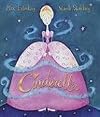
I liked how this book was able to tell the story of Cinderella a little differently. In this story, she actually meets the prince three times before she loses her glass slipper. I think it is a little more realistic that the prince falls in love with her after seeing her three times instead of only once. I really like the way the illustrator drew Cinderella compared to everyone else. Cinderella was very fair, blonde, petite, and beautiful. All of the other women in this book were had weird show more shaped faces, were very chubby, or even their bodies were shaped in an odd way. The message of this story is that you should go for what you want, even if other people put you down for it. show less
Lists
Awards

You May Also Like


Associated Authors
Statistics
- Works
- 4
- Members
- 394
- Popularity
- #61,533
- Rating
- 4.2
- Reviews
- 13
- ISBNs
- 20
- Languages
- 1