
Michael J Bowler
Author of Children of the Knight
About the Author
Series
Works by Michael J Bowler
Running Through A Dark Place: Children of the Knight II (The Knight Cycle) (Volume 2) (2014) 5 copies, 1 review
Tagged
Common Knowledge
Members
Reviews
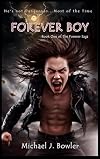
In Bowler’s debut in The Forever Saga, a seemingly simple high school friendship spirals into a chilling descent into mystery and intrigue, plunging two teenagers into a web of dangerous secrets. Isaac and Stephanie are two high schoolers who occupy opposite ends of the social spectrum. Their mundane existence is upended by the arrival of Drágan Albescu, a charismatic enigma who possesses an unsettling charm and an uncanny ability to unearth people’s deepest secrets. As the bullies at show more school suddenly back off and strange events begin to occur, Isaac and Stephanie must confront the terrifying reality of their new friend's true identity.
Bowler builds tension with precision, striking a balance between quiet introspection and high-stakes action. His crisp prose vividly brings Millwood to life, allowing readers to visualize the shadowy hallways and the small-town malaise lurking beneath the surface. The dialogue feels authentic, capturing the contradictions of teenage voices—awkward yet bold, sarcastic yet sincere. Drágan’s magnetic yet ominous influence is the narrative’s driving force. His inscrutable character serves as a foil, embodying both the allure and the danger of the unknown.
Isaac’s struggles with his sense of alienation and his need for acceptance are portrayed skillfully. Stephanie’s role, meanwhile, challenges the conventional narrative of the ‘popular girl,’ providing layers of complexity. The dynamic between Isaac and Stephanie is compelling, pushing against stereotypes of high school hierarchies and preconceived notions about popularity.
Themes of loyalty and self-discovery resonate deeply, while the seamlessly integrated supernatural elements add weight to the story’s exploration of how secrets can shape—and destroy—relationships. The novel invites readers to consider the cost of unveiling hidden truths and the lengths people go to protect themselves. It is a compelling tale that weaves relatable struggles of growing up with a haunting exploration of what lies beneath the surface. show less
Bowler builds tension with precision, striking a balance between quiet introspection and high-stakes action. His crisp prose vividly brings Millwood to life, allowing readers to visualize the shadowy hallways and the small-town malaise lurking beneath the surface. The dialogue feels authentic, capturing the contradictions of teenage voices—awkward yet bold, sarcastic yet sincere. Drágan’s magnetic yet ominous influence is the narrative’s driving force. His inscrutable character serves as a foil, embodying both the allure and the danger of the unknown.
Isaac’s struggles with his sense of alienation and his need for acceptance are portrayed skillfully. Stephanie’s role, meanwhile, challenges the conventional narrative of the ‘popular girl,’ providing layers of complexity. The dynamic between Isaac and Stephanie is compelling, pushing against stereotypes of high school hierarchies and preconceived notions about popularity.
Themes of loyalty and self-discovery resonate deeply, while the seamlessly integrated supernatural elements add weight to the story’s exploration of how secrets can shape—and destroy—relationships. The novel invites readers to consider the cost of unveiling hidden truths and the lengths people go to protect themselves. It is a compelling tale that weaves relatable struggles of growing up with a haunting exploration of what lies beneath the surface. show less
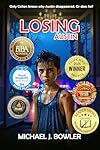
A troubled teen searches for his missing brother while grappling with guilt, grief, and the possibility of the impossible in Bowler's compelling YA novel. Fourteen-year-old Colton Bowman has always had a temper, especially when kids mocked his older brother, Austin, who has never spoken, hates being touched, and draws rainbows with photo-realistic precision. Diagnosed with “autism-like” traits but never officially labeled, Austin is deeply attuned to the world in ways others can’t show more understand. When Austin disappears one afternoon after Colton screams that he hates him, Colton is left to confront not only his guilt but the suspicion of his peers, the silence of his devastated mother, and the judgment of adults who’ve written him off as “Psycho Boy.”
Told in Colton’s first-person voice, the novel captures the raw, unfiltered intensity of a teen unraveling and rebuilding in real time. The dialogue rings true, and Colton’s narration veers from rage to regret to reluctant wonder as he begins to piece together a strange pattern: other nonverbal kids around the world have gone missing under similar circumstances. Bowler layers the narrative with symbolic motifs (mirrors, rainbows, reversed drawings), hinting that Austin may inhabit a space that defies explanation. Speculative elements (like alien abduction or mythical rain spirits) are floated but never confirmed, which strengthens the book’s emotional core: it’s not about where Austin is, but about how we cope with not knowing. This is a deeply humane, speculative mystery that pulses with empathy and aching truth. show less
Told in Colton’s first-person voice, the novel captures the raw, unfiltered intensity of a teen unraveling and rebuilding in real time. The dialogue rings true, and Colton’s narration veers from rage to regret to reluctant wonder as he begins to piece together a strange pattern: other nonverbal kids around the world have gone missing under similar circumstances. Bowler layers the narrative with symbolic motifs (mirrors, rainbows, reversed drawings), hinting that Austin may inhabit a space that defies explanation. Speculative elements (like alien abduction or mythical rain spirits) are floated but never confirmed, which strengthens the book’s emotional core: it’s not about where Austin is, but about how we cope with not knowing. This is a deeply humane, speculative mystery that pulses with empathy and aching truth. show less
This one sounds like a winner and it's the beginning of a series that my teen and near teen grandchild just may like. Certainly, I can hardly wait to see what ideas are presented for correcting some of the injustices that currently exist.
PG-13 language, drug addiction, abuse effects, but no graphic descriptions.
An orphan boy. A mysterious stranger. A city in crisis.
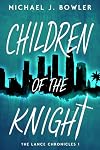
When 14-year-old Lance is saved from death, his life is forever changed. For starters, his savior claims to be King Arthur, the show more once and future ruler of ancient Britain. Lance has met lots of weirdos on the streets of L.A., and they claim to be many things. But this "king" not only reeks of sincerity, he wears armor, rides a gorgeous white horse, and lives in the storm drains underneath the city! Arthur has a throne, old-school clothes, and weapons up the wazoo. Swords, daggers, bows and arrows—the kind Lance has only seen in movies.
Turns out this Arthur guy wants to start some kind of revolution. He plans to collect other cast-off kids like Lance—even teen gang members—and create a New Camelot of Knights to gain more rights for youth and shake up the out-of-touch politicians who run Los Angeles.
Lance is all for helping kids like him. He's spent his entire life in and out of the system, and it sucks. And he wants to believe in Arthur, but doubts even a king can accomplish such lofty goals. Despite these uncertainties, Lance readily accepts the position of First Knight—youth leader of Arthur's new army—thereby setting in motion a crusade of tsunami proportions. When the children rise, will the city fall?
The Lance Chronicles Begin… show less
PG-13 language, drug addiction, abuse effects, but no graphic descriptions.
An orphan boy. A mysterious stranger. A city in crisis.
When 14-year-old Lance is saved from death, his life is forever changed. For starters, his savior claims to be King Arthur, the show more once and future ruler of ancient Britain. Lance has met lots of weirdos on the streets of L.A., and they claim to be many things. But this "king" not only reeks of sincerity, he wears armor, rides a gorgeous white horse, and lives in the storm drains underneath the city! Arthur has a throne, old-school clothes, and weapons up the wazoo. Swords, daggers, bows and arrows—the kind Lance has only seen in movies.
Turns out this Arthur guy wants to start some kind of revolution. He plans to collect other cast-off kids like Lance—even teen gang members—and create a New Camelot of Knights to gain more rights for youth and shake up the out-of-touch politicians who run Los Angeles.
Lance is all for helping kids like him. He's spent his entire life in and out of the system, and it sucks. And he wants to believe in Arthur, but doubts even a king can accomplish such lofty goals. Despite these uncertainties, Lance readily accepts the position of First Knight—youth leader of Arthur's new army—thereby setting in motion a crusade of tsunami proportions. When the children rise, will the city fall?
The Lance Chronicles Begin… show less
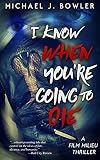
The concepts of predestination, of being able to see and affect the future, of having a unique glimpse into the workings of life and death, all pervade the narrative of I Know When You’re Going to Die by Michael J. Bowler. The novel opens on a young man, Leo Cantrell, who is painfully introverted and reserved, serving his local LA homeless population at a mission shelter. He is only sixteen, but he already possesses wisdom, kindness, and compassion beyond his years. He frequents the show more homeless shelter with such regularity that he knows everyone, and everyone knows him. There’s one man in particular, though, who catches his eye one fateful day. He stares deeply into his soul, and the man endows him with a remarkable gift: the ability to see exactly when and how others will die when he looks into their eyes. The man tells him, “I gave you a great gift, boy. Or maybe a curse.” And for the remainder of the novel, Leo explores whether his newfound ability truly is a gift or a horrible curse. His entire world turns upside down when he’s forced to look into his best friend J.C.’s eyes, and he sees his brutal murder only two weeks in the future. It’s a race against the clock for them to try to figure out how to bend the rules of predestination, prevent the murder from happening, and identify the would-be killer. With the help of the new girl at their high school, Laura, J.C. and Leo attempt the nearly impossible and defy fate. Will their attempts be thwarted? Will they be able to ensnare the potential murderer? Only time will tell.
Because I Know When You’re Going to Die is written in the first-person, Leo’s perspective, the reader enjoys a deep introspective look into his psyche as he processes the implications and repercussions of the ability he didn’t ask for, but nonetheless has. It’s an intimate way to tell such a heart-pounding tale that centers on the ideas of fate, decency, and humanity. Leo grapples with what is right, with what it means to have the power to look into someone’s eyes and see their death. He struggles with whether or not to warn them. Would he want to know, were he in someone else’s shoes? When it comes to his closest friend in the world, though, the choice is clear, and that choice informs and drives the remainder of the narrative into complex and interesting places heretofore unimagined by other novels of the same genre. Death is an inevitability, but this coming-of-age YA novel explores the very real lengths to which we will go to preserve love, life, and all that is precious within those concepts. Beyond the scope of the narrative, the language of I Know When You’re Going to Die captivates and enthralls the reader to the very end. It’s the kind of literary style that gets wonderfully stuck in your head and entreats you to keep reading well past the time you told yourself you would stop.—Red City Review show less
Because I Know When You’re Going to Die is written in the first-person, Leo’s perspective, the reader enjoys a deep introspective look into his psyche as he processes the implications and repercussions of the ability he didn’t ask for, but nonetheless has. It’s an intimate way to tell such a heart-pounding tale that centers on the ideas of fate, decency, and humanity. Leo grapples with what is right, with what it means to have the power to look into someone’s eyes and see their death. He struggles with whether or not to warn them. Would he want to know, were he in someone else’s shoes? When it comes to his closest friend in the world, though, the choice is clear, and that choice informs and drives the remainder of the narrative into complex and interesting places heretofore unimagined by other novels of the same genre. Death is an inevitability, but this coming-of-age YA novel explores the very real lengths to which we will go to preserve love, life, and all that is precious within those concepts. Beyond the scope of the narrative, the language of I Know When You’re Going to Die captivates and enthralls the reader to the very end. It’s the kind of literary style that gets wonderfully stuck in your head and entreats you to keep reading well past the time you told yourself you would stop.—Red City Review show less
Awards


Statistics
- Works
- 10
- Members
- 84
- Popularity
- #216,910
- Rating
- 4.3
- Reviews
- 14
- ISBNs
- 17

